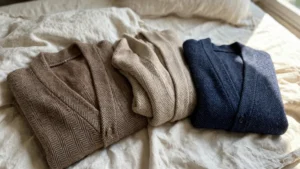
There is a moment when you know whether you chose well. Silk greets you with a cool, almost weightless glide. Cotton greets you with something quieter: a soft, familiar crispness that feels like a good hotel bed, dependable rather than dramatic.
The choice matters, because sheets are the one textile you spend roughly a third of your life touching. A set that sleeps hot, pills in a month, or demands a laundry routine you will never follow is not a bargain at any price.
This guide compares silk and cotton sheets head to head for 2027, across feel, temperature, durability, care, cost, and skin and hair, using published specifications, textile guidance, and buying-guide findings.
Key takeaways
- Silk feels smoother and cooler on first touch, with far less friction against skin and hair; cotton feels softer and more familiar, and gets softer with every wash.
- Cotton is the easier fabric to live with: it washes in a normal machine cycle, tolerates warmth, and costs far less than real mulberry silk.
- Silk usually wins for hot sleepers who like a cool, gliding surface, while cotton percale wins for hot sleepers who prefer a crisp, dry feel.
- Good silk lasts five to ten years with gentle care, good cotton three to seven, so the price gap narrows per year.
- Neither fabric fixes poor sleep, sensitive skin, or damaged hair on its own, and a cheap silk-blend set disappoints faster than a good cotton one.
What silk and cotton sheets actually are
Silk is a natural protein fibre, spun by silkworms, and most bedding silk today is mulberry silk, from silkworms fed on mulberry leaves. The long, smooth filaments make a fabric that feels almost frictionless, absorbs moisture without feeling wet, and has a gentle pearly glow. The markers that matter are fibre and weight: look for 100 percent mulberry silk, ideally grade 6A, in a charmeuse weave, at a momme weight of 19 to 25.
Cotton comes from the soft fibre around the seeds of the cotton plant, and it is easier and cheaper to grow and process at scale, which is why cotton sheets come in every colour and price. Quality varies with fibre length, known as the staple: long-staple cottons such as Egyptian, Pima, and Supima produce smoother, stronger yarn that pills less. The weave matters as much as the fibre: percale is a plain weave that feels crisp and cool, while sateen exposes more thread on the surface, giving a silky sheen and a warmer hand. Our guide to buying silk bedding explains momme, grade, and weave in more detail before you spend.
How we compared the two fabrics

This comparison uses the same checks a careful shopper would make in a store: the fibre and weave on the label, the feel of the fabric, the care instructions, and the price for a queen set.
Feel and sleep comfort
On feel alone, silk is the more remarkable fabric. It glides, it drapes, and it stays cool against the skin for the first minutes after you climb in. For people who toss and turn, that low friction is noticeable: the sheet moves with you, and hair slides across it instead of snagging.
Cotton feels different rather than worse. Good percale feels crisp and clean, almost starched, and many sleepers prefer that dry, structured touch to silk’s slipperiness. Sateen cotton feels warmer and smoother, closer to silk at first touch, though it never gets as cool or as frictionless. Cotton softens with use, while silk feels at its best from the start.
Temperature and hot sleepers
Both fabrics breathe, which is why both beat polyester for warm sleep, but they manage heat differently. Silk is a poor conductor of heat, so it feels cool on first contact, and it absorbs moisture without feeling damp. Cotton absorbs moisture well too, and percale’s open weave lets air through, so it feels cool in a different, drier way.
For the hottest sleepers, cotton percale is often the safer bet, because it stays dry, washes easily, and can be changed often without worry. Silk suits hot sleepers who sleep in a cool room and want that cool first touch, but it can feel clammy in a humid room at a heavy momme weight. Our linen versus cotton sheets comparison covers a third option for very hot sleepers.
Durability and how they age
Silk is stronger than it looks. A single silk filament has high tensile strength, and a well-made 22 momme set, looked after properly, can last five to ten years. The risk is not the fibre but the handling: silk is weaker when wet, it snags on rough skin, jewellery, and pet claws, and it fades in strong sunlight. A silk set treated like cotton will thin, dull, and tear far sooner than its price suggests.
Cotton is the more forgiving fabric in daily use. Good long-staple cotton sheets usually last three to seven years, and they tolerate rougher handling, warmer washes, and the occasional tumble dry. They age visibly: cotton pills, thins at the fold lines, and fades with washing. A calm bedroom with one careful sleeper is kind to silk; a busy household with children, pets, and a washing machine that runs daily is kinder to cotton.
Care and laundry
This is where the two fabrics part company most sharply, and where many silk purchases quietly fail. Cotton sheets go into a normal machine wash, warm or cool, with ordinary detergent, and they can be tumble dried on low. They wrinkle, they need little thought, and they forgive a forgotten load. Silk asks for a routine: cool water at 30 degrees Celsius at most, a small amount of pH-neutral liquid detergent made for silk or delicates, no bleach, no fabric softener, and no wringing or twisting while wet. Hand washing is safest, and a machine is fine on a delicate cycle in a mesh bag, washed alone, with low or no spin.
Silk also demands care after the wash: never tumble dry it, never dry it in direct sunlight, and never iron it on a hot setting. It shows water marks, so a spill needs prompt, gentle attention rather than a scrub. Cotton can be dried on a line, ironed if you like, and washed again without a second thought.
Price and value
The price gap is wide. A good cotton set for a queen bed typically costs from about 60 to about 200 dollars, with long-staple percale and sateen at the upper end. A real mulberry silk set for a queen typically costs from about 230 to about 600 dollars, with 22 momme sets in the middle of that range. Anything labelled silk for far less is usually a blend, a satin polyester, or a very light silk that will not last, and the label is the place to check, not the price tag.
Cost per year softens the gap but does not close it. A 300-dollar silk set that lasts seven years costs roughly 43 dollars a year, while a 120-dollar cotton set that lasts four years costs 30 dollars a year. Our look at whether silk sheets are worth it weighs that cost against comfort in more detail. If you are buying dependable comfort you can wash without thinking, cotton gives you more sleep per dollar.
Skin, hair, and sensitivity
Both fabrics are natural and generally kind to skin, which is one reason both beat synthetics. Silk’s advantage is friction: the smooth surface is gentler on skin and hair overnight, and it absorbs less of the moisture and skincare product from your face than cotton does. Cotton’s advantage is cleanliness: it washes hot, dries fully, and is easy to keep fresh, which suits allergy-prone sleepers who want to wash bedding often.
The comparison at a glance
| Detail | What is known |
|---|---|
| Feel on first touch | Silk is cool and gliding; cotton is crisp in percale, warmer in sateen. |
| Best for hot sleepers | Both work; percale is the safest pick, silk suits cool rooms. |
| Best for skin and hair | Silk wins on low friction; cotton wins on easy, frequent hot washing. |
| Durability | Silk lasts five to ten years with care; cotton lasts three to seven. |
| Care effort | Silk needs cool water, gentle detergent, and no tumble drying; cotton takes a normal wash. |
| Price for a queen set | Silk typically 230 to 600 dollars; cotton typically 60 to 200 dollars. |
| Biggest weakness | Silk snags, fades in sun, and shows water marks; cotton pills and fades. |
| Who should choose it | Silk for careful sleepers; cotton for busy households. |
Checklist: before you buy either set
- Read the label, not the marketing: 100 percent mulberry silk at 19 to 25 momme, or long-staple cotton such as Egyptian, Pima, or Supima.
- Choose the weave for your sleep: percale for crisp and cool, sateen for warm and smooth, charmeuse silk for a gliding finish.
- Check the care label first: if you will not hand wash or use a delicate cycle, buy cotton.
- Measure your mattress depth and buy deep-pocket fitted sheets, since a slipping sheet ruins either fabric.
- Buy one set to try first, and sleep on it for at least two weeks before judging it.
- Keep the receipt and care card, and wash the set once before first use.
Frequently asked questions
Are silk sheets really better than cotton sheets?
They are better on feel and on friction, and worse on care and price. Silk is cooler, smoother, and kinder to skin and hair, while cotton is easier to wash, cheaper, and more forgiving. The better sheet fits your sleep, laundry habits, and budget, not the higher price tag.
Which is cooler, silk or cotton?
Both sleep cool, in different ways. Silk feels cooler on first touch and absorbs moisture without feeling damp, while cotton percale feels dry and airy because its open weave lets air move through. In a humid room, percale usually feels cooler all night; in a cool room, silk feels cooler when you climb in.
Do silk sheets last longer than cotton sheets?
With gentle care, yes: a good silk set can last five to ten years, against three to seven years for good cotton. That assumes careful washing, no tumble drying, and no snags. In a busy household, cotton often lasts longer in practice, because it tolerates the washing it actually gets.
Are cotton sheets good for sensitive skin?
Yes, especially undyed or lightly dyed long-staple cotton washed before first use. It is breathable, easy to keep clean, and can be washed hot and often. Silk is also gentle, but its gentler wash routine means it is washed less aggressively.
Can I machine wash silk sheets?
Most silk sheets can be machine washed on a delicate cycle in a mesh bag, in cool water at 30 degrees Celsius at most, with a small amount of pH-neutral detergent for silk or delicates, and low or no spin. Hand washing is safest, and a dry-clean-only label should always be followed. Never wring silk, use bleach, or tumble dry it.
Is it worth paying for real mulberry silk?
It is worth it if you value the cool, smooth feel and will follow the care routine, because only real mulberry silk at a proper momme weight delivers it. It is not worth it if the set will be washed like cotton, since a cheap silk-blend set disappoints faster than a good cotton one.
The bottom line
Silk and cotton sheets are not rivals so much as answers to different questions. Silk makes a bed feel cooler, smoother, and more luxurious, and asks for careful washing and a serious price in return. Cotton answers the question of how to sleep comfortably without thinking about laundry, and it asks for almost nothing, while quietly softening with every wash.
Choose silk if you sleep hot in a cool room, notice friction, and enjoy looking after beautiful things. Choose cotton if you want a crisp, dependable set you can wash on a Sunday and forget. Either way, buy the real fibre, check the weave, and sleep on your choice for two weeks before you decide.
Note: Prices and care guidance here reflect published 2026 and 2027 buying guides, and they vary by brand, size, and retailer. Check the care label on the set you buy, since it overrides every general rule.
Meet Our Experts
Our editors cover bedding, textiles, and home design, drawing on published textile guidance, independent buying guides, and retailer specifications. Product descriptions are based on verifiable specifications and published reviews, not invented testing.
Why Trust BrassSmile
We compare fabrics on the same checks a careful shopper would make: fibre, weave, weight, care, price, and how each fabric ages in real use. We do not take payment for placement, and we flag where evidence is thin rather than filling the gap with a confident claim.
Sources
Published textile guidance on silk and cotton fibres and weaves; independent bedding buying guides for 2026 and 2027; retailer specifications for mulberry silk momme weights and long-staple cotton; care guidance for silk and cotton bedding.