Why Linen Trousers Are Perfect for Summer
Every summer, the same question comes up: what can you wear when the air feels thick, the sun is relentless, and anything fitted starts to cling within minutes of stepping outside? For a growing number of people, the answer is a pair of linen trousers. They have become a warm-weather staple, and the reasons are rooted in the fabric itself.
Linen is made from the fibres of the flax plant, one of the oldest textiles in the world. People in warm climates have worn it for thousands of years, from the Mediterranean to North Africa, because it handles heat in a way few other fabrics can. It lets air move, it pulls moisture away from the skin, and it feels cool to the touch even on the hottest afternoons. A good pair of linen trousers does not fight the summer; it works with it.
This guide covers why linen keeps you cool, how it compares with cotton, how to style it from beach days to smart lunches, and how to care for it. If the wrinkles, the care, or the fit have held you back, the answers are here.
Key takeaways
- Linen’s hollow flax fibres and open weave let air circulate freely, which is why it feels noticeably cooler than most other fabrics in summer heat.
- It absorbs a large amount of moisture before feeling damp, then releases it quickly, so linen trousers stay comfortable even on humid days.
- Linen is one of the strongest natural fibres, so well-made linen trousers last for years and become softer with every wash.
- Wrinkles are part of linen’s nature, not a flaw; the right fit, colour and blend make them easy to live with.
- Linen trousers are genuinely versatile, working with trainers, sandals, shirts, blouses and blazers across casual and smart-casual occasions.
What Makes Linen So Good in the Heat?
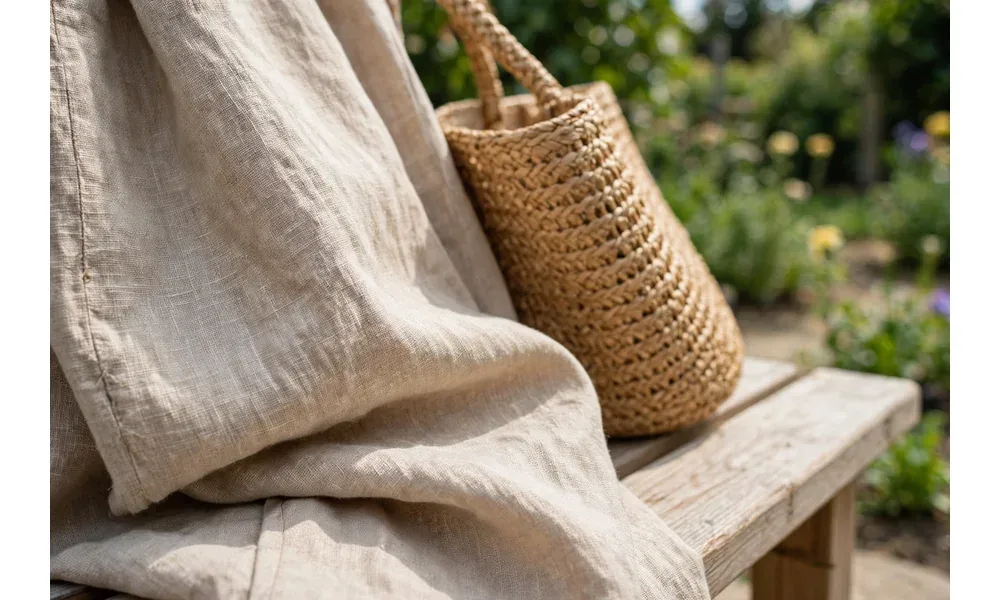
The first thing you notice when you put on linen trousers in summer is the air. Unlike dense cotton or synthetic fabrics that sit against the skin and trap a layer of warm air, linen has a naturally open weave. The flax fibres are long, slightly irregular and hollow, which creates tiny channels through the fabric. Air passes through those channels, carrying heat away from the body and letting fresh air in.
This breathability is the single biggest reason linen trousers suit summer so well. A fabric that blocks airflow forces sweat to sit on the skin, leaving you feeling sticky and overheated. Linen does the opposite: its open structure lets moisture escape as vapour, so the skin stays drier and the body can regulate its temperature more easily.
There is also a simple tactile difference. Linen feels cool when you first touch it, and it stays cool as you wear it, because flax fibres conduct heat away from the body more effectively than cotton. On a day when the sun is beating down, that cool touch makes a real difference, especially in trousers, where the fabric covers a large area of the body for hours at a time. Most linen trousers are also cut with a relaxed leg, leaving room for air to circulate.
The Science of Staying Cool
Why linen keeps you cool comes down to three properties of the flax fibre: its hollow structure, its ability to absorb moisture, and its high thermal conductivity.
The hollow core of each flax fibre acts like a tiny tube, and the loose weave of linen cloth leaves gaps between the threads. Air moves through these gaps easily, which is why linen feels airy even in a relatively heavy weight. Cotton fibres, by contrast, are flat and ribbon-like, and they pack together more tightly, which restricts airflow.
Moisture handling is the second part of the story. Linen can absorb a significant amount of water, up to around a fifth of its own weight, before it begins to feel damp to the touch. Sweat is drawn into the fibre and away from the skin, then released into the air as the fabric dries. Because linen also dries quickly, it does not stay heavy and wet the way cotton can. Linen avoids that cycle.
These benefits depend on the fabric being genuine linen or a linen-rich blend. Some garments labelled as linen are heavily treated with resins or softeners to reduce stiffness, and those treatments can clog the fibre structure and reduce airflow. When shopping, look for a high linen content, a natural texture you can feel, and a weave that lets a little light through when held up.
Linen vs Cotton: Which Wins in Summer?
Cotton is the obvious comparison, and it is a fair one. Cotton is soft, familiar, widely available and easy to care for, and on a mild day a good pair of cotton trousers is perfectly comfortable. But in heat and humidity, linen pulls ahead in almost every measure that matters for summer comfort.
| Quality | Linen | Cotton |
|---|---|---|
| Breathability | Excellent; air flows freely | Good, but tighter weave restricts airflow |
| Moisture absorption | Absorbs a lot before feeling damp | Absorbs well but feels damp sooner |
| Drying speed | Fast; releases moisture quickly | Slow; stays heavy and damp longer |
| Cooling feel | Cool to the touch, even in direct sun | Neutral; warms up against the skin |
| Wrinkle resistance | Low; creases easily and visibly | Moderate; creases less noticeably |
| Durability | Very strong; a tough natural fibre | Strong, but weaker than linen over time |
| Softness over time | Softens with wear and washing | Soft from the start, changes little |
| Care | Gentle wash, air dry, steam to smooth | Easy; machine wash and tumble dry |
The honest summary is that cotton wins on convenience and wrinkle resistance, while linen wins on cooling, drying and long-term durability. For a hot summer day, especially a humid one, linen is the more comfortable choice. Blends offer a middle ground: linen-cotton keeps much of linen’s breathability with added softness, while linen-viscose drapes more fluidly and creases less.
How to Style Linen Trousers for Every Occasion
Linen trousers have shaken off their old reputation as holiday-only clothing. The relaxed drape, natural texture and easy silhouette work across a surprising range of settings, and the key is choosing the right cut, colour and companions for each occasion.
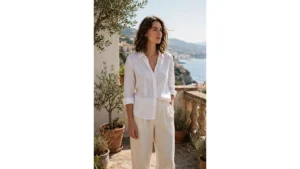
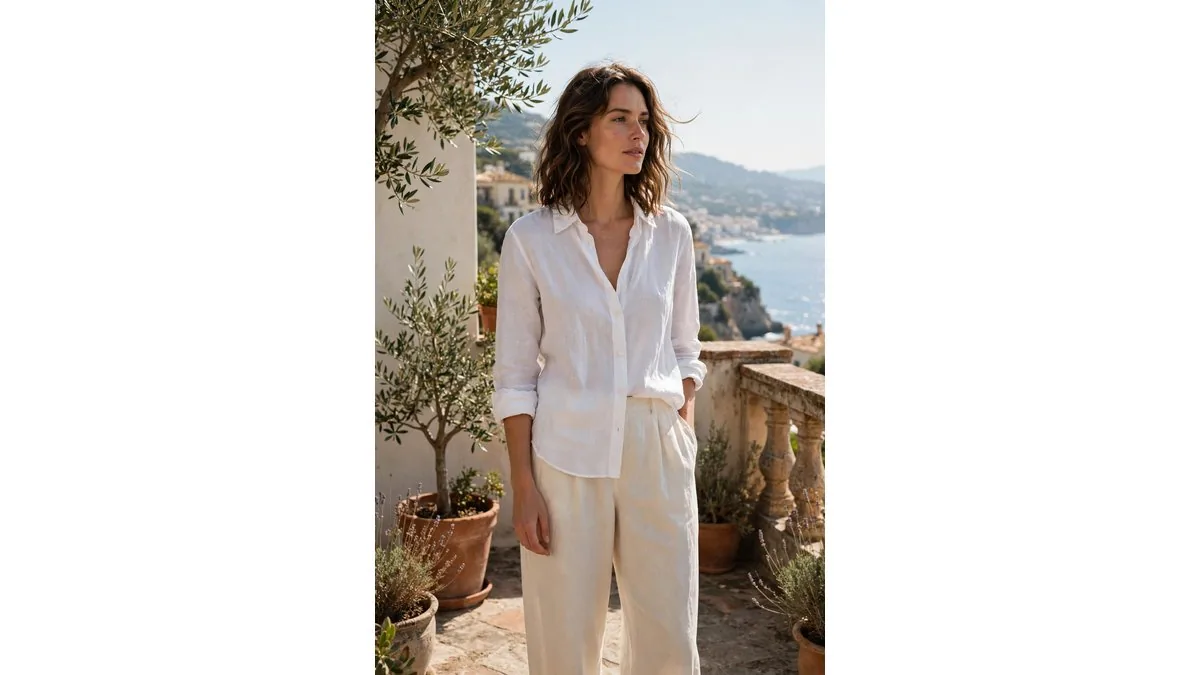
For everyday summer days, keep it simple. Wide-leg linen trousers in white, cream, sand or stone pair beautifully with a plain cotton T-shirt, a linen shirt or a light knit top. Add flat sandals or trainers and a woven tote, and the outfit feels effortless rather than overthought. For more ideas on building a warm-weather wardrobe, see our guide to the best summer fashion trends for 2027.
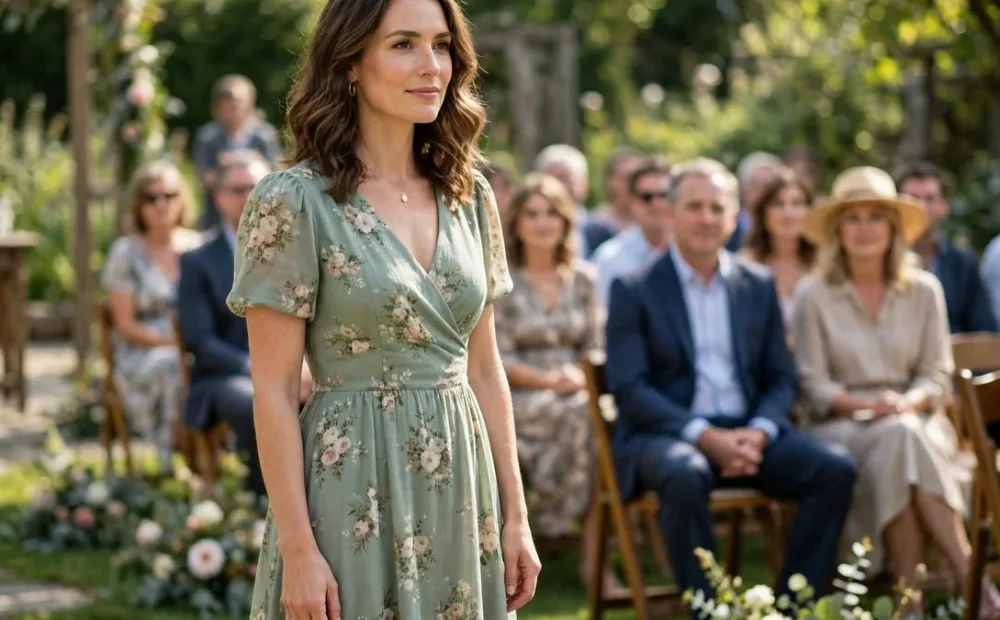
For a smarter occasion, such as a lunch, a garden party or a casual office day, choose linen trousers in a darker shade like navy, charcoal, olive or black, and pair them with a crisp shirt or a silk blouse. Tuck the top in and add a slim belt to give the outfit structure, since linen’s relaxed drape can otherwise look shapeless. A tailored blazer in linen or lightweight cotton over the top lifts the whole look, and loafers or heeled mules finish it cleanly.
Footwear deserves a thought too. White trainers are the easiest match for linen trousers in the daytime, giving a clean, modern finish that works with almost every colour. Our round-up of the best white sneakers for women in 2027 covers the pairs that work best with relaxed summer tailoring. Sandals, espadrilles and loafers are equally good, while a low heel or a block heel suits smarter outfits. Light neutrals are coolest in the sun and pair with almost anything, while darker colours look smarter and hide creases better.
Living With the Wrinkles
No honest guide to linen trousers can skip the wrinkles. Linen creases, and it creases quickly. Sit down for ten minutes and the backs of the thighs will show it. This happens because flax fibres have very little elasticity; once they bend, they stay bent until they are smoothed out again.
The good news is that most people who wear linen regularly stop seeing the wrinkles as a problem. The creases read as part of the fabric’s character, a relaxed, lived-in texture that suits the easy mood of summer. There are also practical ways to keep creasing under control. A looser fit helps, because fabric that is not pulled tight across the body creases less visibly. Darker colours and textured weaves hide creases better than pale, smooth linen, and blends with cotton or viscose crease less than pure linen.
For occasions when you want a smoother finish, a quick steam is the easiest fix. Hang the trousers, run a steamer over them, and the worst of the creases will fall out in a couple of minutes.
How to Care for Linen Trousers
Linen is a strong fibre, but it rewards gentle handling. Most linen trousers can be machine washed on a gentle cycle in cool or lukewarm water, using a mild detergent. Hot water can cause shrinkage, and harsh detergents or bleach can weaken the fibres over time.
Drying is where many people go wrong. Linen should be air-dried, ideally flat or on a hanger, away from direct sunlight, which can fade colours over time. Tumble drying on a high heat can shrink linen and make it feel stiff, so if you must use a dryer, choose the lowest heat setting and remove the trousers while they are still slightly damp. For a fuller look at summer dressing, our guide to the best summer dresses for 2027 follows the same easy, breathable approach.
- Wash on a gentle cycle in cool or lukewarm water with a mild detergent.
- Turn trousers inside out and fasten buttons and zips before washing.
- Skip bleach and fabric softener.
- Air-dry on a hanger away from direct sun.
- Steam while hanging to smooth creases.
- Store hanging, not folded.
With this routine, a good pair of linen trousers will last for many summers. The fabric softens, the drape improves, and the colour settles into a gentle, lived-in tone.
Frequently Asked Questions
Are linen trousers really cooler than cotton trousers?
Yes, in most hot-weather conditions linen feels cooler than cotton. Its hollow fibres and open weave let more air circulate, it absorbs moisture before feeling damp, and it conducts heat away from the skin more effectively.
Do linen trousers wrinkle too much to wear to work?
It depends on the workplace and the trousers. In a relaxed or smart-casual office, linen trousers in a dark colour with a tailored cut look entirely appropriate, and the creases read as part of the fabric’s character. In a formal office, choose a linen blend and steam it before you leave.
How do I stop linen trousers from shrinking?
Wash in cool or lukewarm water on a gentle cycle, avoid hot water and high-heat tumble drying, and air-dry whenever possible. Most shrinkage happens in the first wash, so following the care label from the start is the best protection.
Can you wear linen trousers in the rain?
Linen handles light rain reasonably well, since it absorbs moisture and dries quickly, but it is not a waterproof fabric. In heavy rain it will become wet and heavy, and it may crease more as it dries.
What shoes go best with linen trousers?
White trainers, flat sandals, espadrilles and loafers are the most natural matches for daytime linen trousers. For smarter outfits, heeled mules, block heels or polished loafers work well.
Are linen trousers worth the price?
For most people, yes, because of how long they last and how often they get worn in summer. Linen is a strong fibre that softens with age rather than wearing out, so a well-made pair can serve for many seasons.
The Bottom Line
Linen trousers earn their place in a summer wardrobe the honest way: by being genuinely more comfortable in the heat than almost anything else you can wear. They breathe, they handle moisture, they feel cool against the skin, and they last for years while getting softer with every wash.
The wrinkles are real, and they are the price of the comfort. But once you accept them as part of the fabric’s character, there is very little to hold against linen. Choose a relaxed fit, pick colours that suit your life, care for the fabric gently, and a good pair of linen trousers will become the piece you reach for first whenever the weather turns warm.
Note: Linen varies by weave, weight and blend, so check the care label of your own pair before washing.