
A watch is a strange purchase when you think about it. Your phone tells the time more accurately, costs less, and does a hundred other things besides. Yet watches have never been more popular, and the best ones are bought by people who already own three phones and a smartwatch. Something about a watch matters in a way a screen does not.
Part of it is practical. A watch is always there, always on, and always one glance away, with no battery anxiety, no notifications and no unlocking. Part of it is emotional. A watch is the most personal object most people own, worn against the skin every day, chosen for reasons that have little to do with logic and everything to do with taste, memory and identity.
Below are nine reasons watches are worth it in 2027, from the everyday usefulness to the long-term value of a piece that outlives trends. Each reason is judged honestly, including the costs and the caveats, so you can decide whether a watch earns its place on your wrist.
Key takeaways
- A watch is the only accessory that works every day, in every setting, without charging or updating.
- The best reason to buy a watch is that you love wearing it, not that it might make money.
- A good watch lasts decades and can be serviced, repaired and passed on, unlike most modern technology.
- Watches are worth it at every price, from a few hundred pounds to five figures, if the watch suits your life.
- No watch is a guaranteed investment, and a watch bought mainly to make money is usually a disappointment.
What a watch actually does
A watch tells the time, but that is the least interesting thing it does. It also organises your day without demanding your attention, because a glance at your wrist is faster and quieter than pulling out a phone. It works in a meeting, on a train, in the rain, and at dinner, without lighting up, buzzing, or pulling you into a feed you did not mean to open.
A watch also finishes an outfit. It is the one piece of jewellery most men wear, and one of the few accessories that works for everyone, at every age, in every dress code. A slim dress watch sharpens a suit, a steel sports watch toughens a casual outfit, and a simple leather-strapped watch makes jeans and a shirt look considered rather than thrown on.
And a watch marks time in a way a phone never will. People buy watches for graduations, weddings, promotions and retirements, and they keep them for decades because the watch becomes part of the memory. A phone is replaced every two years and forgotten. A watch is kept, serviced, and sometimes handed down.
How we judged a watch and what to look for
Judge a watch first by whether you will actually wear it. A watch that sits in a drawer is not worth anything, however expensive it was, while a watch you reach for every morning is worth its price many times over. Try it on, wear it for ten minutes, and notice whether you forget it is there or keep noticing it for the wrong reasons.
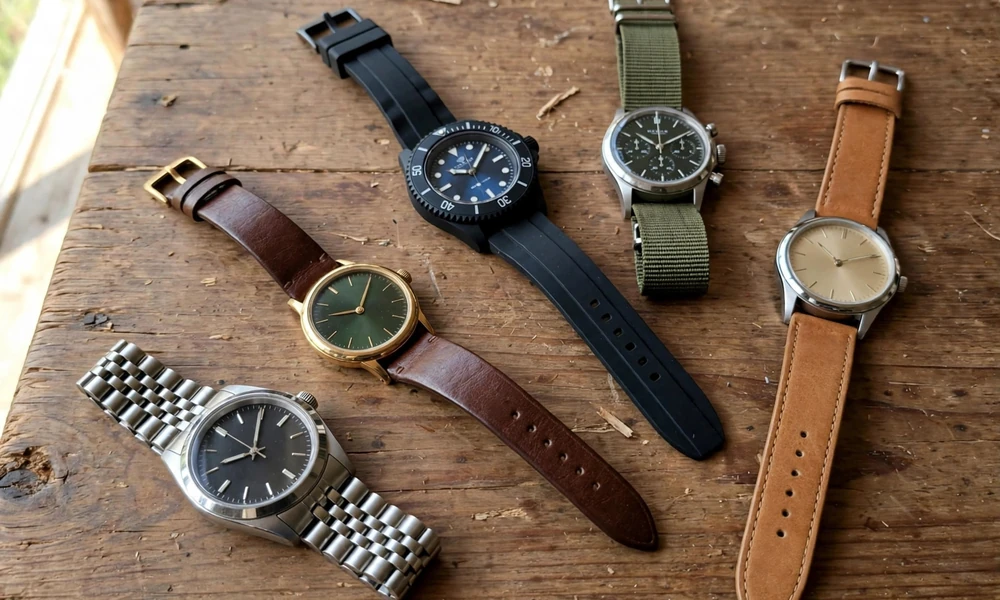
Judge it next by the movement and the build. A reliable quartz movement is honest and accurate, and there is nothing wrong with choosing one, while a mechanical movement is a small piece of engineering that needs servicing every few years and rewards you with a sweeping second hand and a connection to centuries of craft. Neither is the right choice for everyone, and the price should match the engineering, not just the name on the dial.
Finally, judge it by the total cost of ownership. A watch needs a service every five to seven years, a strap or bracelet that may need replacing, and insurance if it is valuable. Our guide to the most expensive watches for men in 2027 shows what the top end of the market looks like, and it is a useful reminder that the most expensive watch is rarely the most sensible one.
The 9 reasons watches are worth it in 2027
It is the one accessory that works every single day
What we like: A watch suits every outfit, every occasion and every season, from a summer wedding to a winter commute, without ever looking out of place. What to consider: One watch cannot do everything, and a dress watch will look wrong at the gym. Best for: Anyone who wants a single, reliable daily accessory. Cost: From about £200 for a good everyday watch. Time needed: Ten seconds to put on each morning.
No other accessory is as versatile. Jewellery is often occasion-specific, bags change with the outfit, and shoes wear out. A watch is there every morning, it works with everything you own, and it asks nothing of you except a service every few years.
It keeps you off your phone
What we like: Checking the time on your wrist takes a second and ends there, while checking your phone often ends in a feed, a message, or a distraction you did not plan. What to consider: A smartwatch does the opposite, bringing notifications to your wrist, so choose a traditional watch if this matters to you. Best for: Anyone trying to spend less time on screens. Cost: Nothing extra, it is built into every watch. Time needed: A glance, several times a day.
It finishes an outfit in a way nothing else can
What we like: A watch adds intention to an outfit, making even simple clothes look considered, and it works at every level of formality. What to consider: The wrong watch can fight the outfit, so match the style to the occasion. Best for: Anyone who wants to look polished without effort. Cost: From about £200 for a good everyday watch. Time needed: Ten seconds to put on.
Style experts often call the watch the finishing touch, and they are right. It is the detail people notice without realising they noticed it, and it signals care in a way that a phone in a pocket never will. A good watch does not shout, it simply completes the picture.
It marks time in your life, not just the hour
What we like: Watches are bought for milestones, and they carry the memory of the occasion every time you wear them. What to consider: The memory is personal, and a watch bought for the wrong reason will not gain meaning on its own. Best for: Graduations, weddings, promotions and retirements. Cost: Whatever the milestone justifies. Time needed: A lifetime of wearing.
A good watch lasts decades, not seasons
What we like: A well-made watch can be serviced and repaired for decades, and many watches from the 1960s and 1970s are still worn daily. What to consider: Servicing costs money, and some brands make parts hard to find after twenty years. Best for: Buyers who want one purchase to last. Cost: A service every 5 to 7 years, typically a few hundred pounds. Time needed: A few weeks at the watchmaker, every few years.
Almost nothing else you buy works this way. Phones last two years, laptops five, cars ten, and fashion a season. A watch is one of the few objects that can genuinely be bought once and kept for life, and that longevity is a large part of what makes it worth the money.
It is a quiet signal of taste, not wealth
What we like: A well-chosen watch says more about taste than price, and knowledgeable people notice the choice, not the cost. What to consider: A very flashy watch can say the opposite, and logos do not impress the people whose opinion matters most. Best for: Anyone who values understatement. Cost: Taste costs nothing extra. Time needed: The time it takes to learn what you like.
Mechanical watches are small miracles of craft
What we like: A mechanical movement contains hundreds of tiny parts working together with no battery, no chip and no software, and it keeps time through pure engineering. What to consider: Mechanical watches are less accurate than quartz and need regular servicing, so they are a pleasure, not a practical choice. Best for: Anyone who loves craft and engineering. Cost: From about £500 for a decent mechanical watch. Time needed: A service every 5 to 7 years.
There is something genuinely wonderful about a machine the size of a coin that ticks away for years on the energy of a wound spring. In a world of disposable electronics, a mechanical watch is a reminder that things can be built to last and to be repaired, and that craft still matters.
It is one of the few luxuries you can wear, not store
What we like: Unlike art, wine or a classic car, a watch is enjoyed every day, on your wrist, in real life, rather than kept in a vault or a garage. What to consider: Daily wear means scratches and servicing, so a watch kept only for display is a different kind of purchase. Best for: Anyone who wants luxury they actually use. Cost: From about £200 for a good everyday watch. Time needed: Every day, all day.
It can be passed on, and that is the real value
What we like: A watch is one of the few possessions that is routinely inherited, and a watch given to a child or grandchild carries a story no new object can match. What to consider: The recipient may not share your taste, so choose a classic style if inheritance matters to you. Best for: Family pieces and long-term thinking. Cost: The price of the watch, plus servicing over the years. Time needed: A generation or two.
This is the reason that outlasts all the others. A watch bought today can be on a grandchild’s wrist in fifty years, still ticking, still keeping time, and still carrying the memory of the person who bought it. Very few purchases offer that, and it is worth remembering when the price seems high.
Which watch is right for you
Start with your life, not with a brand. If you want one watch for everything, choose a steel sports watch or a simple everyday watch with a bracelet, something you can wear to work, to dinner, and on holiday without thinking about it. If you want a dress watch, choose something slim, understated and on a leather strap, and keep it for the occasions that deserve it.
Set a budget before you shop, and include servicing and insurance in it. A £1,000 watch that needs a £300 service every five years is a different purchase from a £1,000 watch you never service, and the honest cost is the total, not the price tag. Our guide to luxury fashion investments in 2027 is a useful frame here, because a watch is best understood as a purchase you enjoy, not a financial strategy.
And buy the watch you love, not the watch you think you should love. The right watch is the one you reach for every morning, the one that feels right on your wrist, and the one you would miss if it were gone. Everything else is marketing.
The caveats that matter
Watches are worth it, but not every watch is worth it, and not every reason to buy one is honest. The market is full of overpriced fashion watches, watches sold as investments that are not, and limited editions that are limited only in the sense that the next one is already planned. A watch is worth its price when the quality, the craft and the pleasure match the cost, and not before.
| Detail | What is known |
|---|---|
| Best first watch | A steel everyday watch, about £200 to £1,000, on a bracelet or leather strap |
| How long it lasts | Decades, with a service every 5 to 7 years and sensible daily care |
| Quartz vs mechanical | Quartz is more accurate and cheaper to run; mechanical is craft, not practicality |
| What to avoid | Fashion watches priced like luxury watches, and any watch sold mainly as an investment |
| Servicing | Every 5 to 7 years, typically a few hundred pounds, more for luxury brands |
| Water resistance | Check the rating and the seals; an old watch should be pressure-tested before swimming |
| Best for daily wear | Steel on a bracelet, simple dial, reliable movement, comfortable fit |
| What it does not do | It does not guarantee status, value, or a return on your money |
Be careful with watches sold as investments. A handful of models from a handful of brands have risen in value, but most watches lose money, and the ones that gain are usually hard to buy at list price in the first place. Buy a watch because you want to wear it, and treat any future value as a bonus, not a plan.
Checklist: buying a watch honestly
Use these checks before you buy, and again before you pay for a service.
- Try it on your wrist for at least ten minutes, and notice the weight and the comfort, not just the look.
- Check the movement, the water resistance, and the warranty, and ask what a service costs.
- Set a total budget that includes servicing, insurance and a spare strap.
- Match the watch to your life: one daily watch beats three occasion watches you never wear.
- Buy from a reputable seller, and keep the papers, the box and the receipt.
- Choose the watch you love wearing, not the watch you think will impress other people.
Frequently asked questions
Are watches worth the money in 2027?
Yes, if you buy the right one for the right reasons. A good watch is worn every day, lasts decades, and gives daily pleasure that a phone cannot match. It is not worth the money if it sits in a drawer, if it was bought only to impress, or if it costs so much that you are afraid to wear it.
How much should I spend on my first good watch?
About £200 to £1,000 buys an excellent first watch from a respected maker, with a reliable movement and a build that will last. Spending more buys better finishing, a better movement, or a stronger brand, but the jump in pleasure is smaller than the jump in price. Start modestly and learn what you like.
Is a mechanical watch better than a quartz watch?
Not in practical terms. Quartz is more accurate, cheaper to run, and needs almost no maintenance. Mechanical watches are about craft and pleasure, not performance, and they need servicing every few years. Choose quartz for accuracy and simplicity, mechanical for the love of engineering.
Do watches hold their value?
Most do not. A few desirable models from strong brands hold up well, and some sell above their original price, but the majority lose value, sometimes a lot. Treat a watch as a purchase you enjoy, not an investment, and you will never be disappointed by its resale price.
Can I wear a watch every day?
Yes, and you should. A watch is made to be worn, and daily wear is what makes it yours. A steel watch on a bracelet is the easiest daily choice, because it handles water, knocks and sweat without complaint. Keep a dress watch for evenings if you own one.
Is a watch a good gift?
It is one of the best gifts, because it marks an occasion and lasts for decades. The key is to choose a classic style in the recipient’s taste, not yours, and to buy from a seller with a fair returns policy. Our guide to the best luxury gifts under $1,000 in 2027 has more ideas if a watch feels like too big a commitment for the occasion.
The bottom line
Watches are worth it because they are useful, beautiful, durable and personal in a way almost nothing else you buy is. They tell the time without demanding your attention, they finish an outfit, they mark the moments that matter, and they can be kept for a lifetime and passed on. That is a lot for one small object to do, and it is why watches have survived every prediction of their death.
Buy the watch you will wear every day, look after it, and wear it without worrying about the scratches. A watch is not a museum piece. It is a companion, and the best ones earn their place on your wrist one day at a time.