What if the biggest fashion question of 2026 isn’t “what’s trending?” but “what will I still wear in 2028?” That shift in thinking is shaping wardrobes right now. Women are buying less, choosing better, and treating their closets more like a curated collection than a rotating carousel of trends. The result is a year of fashion that feels calmer, more practical, and surprisingly personal.
This guide breaks down what’s happening in women’s fashion 2026, from the silhouettes showing up in stores to the fabrics and shopping habits that define the year. No hype, no vague predictions. Just a clear look at what’s in, what’s fading, and how to spend wisely.
The Big Shift: Fewer Trends, Better Pieces
For years, fashion moved in loud, fast cycles. A trend was born on a runway, cloned on a fast-fashion site within weeks, and discarded by the next season. In 2026, that model is losing steam with real shoppers.
Several forces are pushing the change at once. Sustainability regulation is tightening what brands can claim and how they must design clothing in major markets. Resale and secondhand shopping keep growing, giving women a way to refresh their wardrobes without buying new. And after years of trend fatigue, many shoppers simply want clothes that work across seasons and occasions.
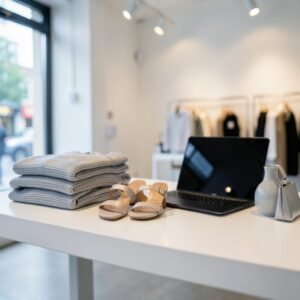
In practice, this means the average wardrobe is getting smaller but more deliberate. Instead of buying five trendy tops, women are investing in one well-cut blazer, a pair of trousers that fit properly, and a coat that survives real weather. It’s a slower, more thoughtful way to dress, and it’s reshaping what brands put on shelves.
If you want the broader picture of how buying habits are changing, the 2026 fashion trends women buy, skip, and actually wear breakdown is a useful starting point.
The Silhouettes Defining 2026

Shape is where 2026 gets interesting. The extremes of recent years, from ultra-cropped tops to oversized everything, are giving way to more balanced proportions. Here’s what’s showing up in stores and on real people.
Tailoring That Moves With You
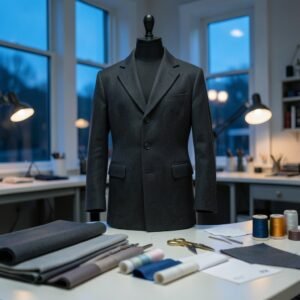
Soft tailoring is the headline story. Blazers are longer, shoulders are relaxed but structured, and waists are gently defined rather than cinched. Think jackets that feel like a cardigan but read as professional. Trousers follow the same logic: wide legs with a clean drape, high waists that stay put, and fabrics with a bit of stretch.
The appeal is obvious. A single well-made blazer can go from a meeting to dinner without a costume change, and it works with jeans, skirts, or matching trousers. This is where the “buy less, wear more” philosophy becomes concrete.
Skirts With Volume and Movement
Midi and maxi skirts continue to dominate, but the shapes are softer. Pleats, gentle A-lines, and bias cuts that skim the body are replacing stiff, structured styles. Denim skirts are back in longer lengths, and slip skirts have evolved into more substantial fabrics that don’t cling.
The practical tip here: check how a skirt moves when you walk and sit. A beautiful drape that wrinkles into a mess after ten minutes isn’t a good buy, no matter how good it looks on the hanger.
Denim Gets Refined
Denim remains the backbone of most wardrobes, but 2026 leans toward refined washes and cleaner cuts. Dark indigo, crisp black, and rich mid-blues are replacing heavily distressed finishes. Straight and wide-leg shapes stay popular, and rigid, non-stretch denim is gaining ground for its longevity.
One common mistake: buying raw or rigid denim in a size that feels snug. It will not stretch the way you hope. Size for comfort in the seat and waist, and let the legs do the styling work.
Color, Fabric, and the Texture Story
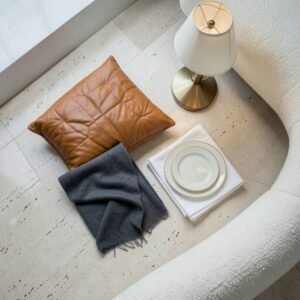
Color in 2026 is split between quiet neutrals and confident accents. The base of most wardrobes is built on warm neutrals: cream, camel, chocolate brown, olive, and soft grey. These mix easily and stay in style for years.
On top of that base, expect pops of deep burgundy, cobalt blue, and buttery yellow. The trick is to use these as accents, a bag, a knit, a scarf, rather than rebuilding a wardrobe around a loud shade you’ll tire of.
Fabric is where the year gets genuinely interesting. Texture is doing the heavy lifting: brushed wool, bouclé, corduroy, silk-touch satins, and chunky knits. When color is quiet, texture adds depth without shouting. It also hides wear better than flat, thin fabrics, which matters for pieces you plan to keep.
For a deeper look at how colors and cuts are playing out across the season, the 2026 fashion trends female collection is worth a browse.
The Practical Wardrobe: What Actually Works
Trends are fun to read about. But what actually works in daily life is a different question. Here’s what experience and common sense suggest, along with the mistakes that trip people up most often.
Build Around Three Anchors
Most functional wardrobes revolve around three anchor pieces: a coat or jacket, a pair of trousers, and a versatile shoe. Get these right and everything else becomes easier. A good coat sets the tone for every outfit underneath it, trousers determine comfort for the whole day, and shoes decide whether you can actually walk where you’re going.
Fit Beats Trend Every Time
The single most common mistake is buying for the trend rather than the body. A trend that fights your proportions will sit unworn. A simple piece that fits beautifully gets worn weekly. When trying something on, check three things: can you sit comfortably, can you raise your arms, and does it work with at least three things you already own? If the answer to any of these is no, leave it.
Read the Label Like It Matters
Fabric composition tells you more about longevity than any marketing claim. Natural fibers like wool, cotton, linen, and silk tend to age better and breathe more comfortably. High synthetic content isn’t automatically bad, especially in performance wear, but very thin, stretchy blends often pill and lose shape fast.
A useful habit: turn the garment inside out and look at the seams. Clean, tight stitching and generous seam allowances signal a piece built to last.
Shopping Smarter in 2026
How women shop has changed as much as what they buy. Three habits stand out.
First, resale is mainstream. Secondhand platforms and consignment shops are now a normal first stop, not a fallback. They’re especially good for coats, bags, and occasion wear, categories where quality matters and prices are high.
Second, research before buying. Shoppers are checking fabric details, reading reviews, and comparing fit notes far more than they used to. A few minutes of reading can save a return and a regret.
Third, cost-per-wear thinking. Instead of asking “is this cheap?”, more women ask “how often will I wear this?” A $200 jacket worn twice a week for two years costs pennies per wear. A $40 top worn once costs far more in real terms.
For a full seasonal overview that ties these threads together, the 2026 Fashion Trends Guide: What’s In, Out & Worth Wearing is a solid reference.
What’s Fading Out
It’s just as useful to know what’s losing ground. Several recent staples are quietly stepping back.
| Fading Trend | Why It’s Losing Ground | What Replaces It |
|---|---|---|
| Ultra-cropped tops | Hard to style across seasons | Hip-length knits and layered tees |
| Heavy all-over distressing | Ages fast, hard to repair | Clean washes and subtle wear |
| Skinny jeans as default | Comfort and versatility concerns | Straight and wide-leg cuts |
| Logos and loud branding | Feels dated, limits outfits | Quiet, texture-led pieces |
| Fast trend cycles | Cost and waste add up | Fewer, better-chosen items |
None of these disappear entirely. Personal style always wins. But if you’re rebuilding a wardrobe, the right-hand column is where the value sits.
Seasonal Notes: Spring Through Fall
The year has its own rhythm, and planning around it helps.
Spring brings lighter layers: trench coats, cotton knits, and mid-weight skirts. It’s the best time to buy transitional pieces that work in unpredictable weather.
Summer favors breathable fabrics like linen and cotton, relaxed tailoring, and easy dresses. Look for pieces that work for both work and weekends to get more wear.
Fall is the biggest shopping season, and for good reason. Coats, boots, and knitwear are the workhorses of the year. This is where spending a little more usually pays off. The fall fashion 2026 tag tracks the season as it unfolds.
Winter rewards layering. Thin, warm base layers under thicker knits beat one bulky sweater every time.
Building a Wardrobe You’ll Still Love Next Year
The most useful mindset shift for 2026 is treating your closet like a small, well-edited collection. That means a few clear rules.
Buy for the life you actually live, not the one you imagine. If you work from home, invest in comfortable but polished pieces you’ll wear daily. If you’re in an office, prioritize tailoring that survives a full day.
Keep a simple list of gaps. When you notice you reach for something you don’t own, write it down. This prevents impulse buys and turns shopping into a focused task.
Repair before replacing. A tailor can fix a hem, adjust a waist, or replace a button for a fraction of a new purchase. Many “worn out” pieces just need ten minutes of attention.
And finally, allow yourself one or two purely joyful pieces each season. Style isn’t only about efficiency. A bold scarf or a great pair of earrings can make a simple outfit feel like yours.
For ongoing inspiration across the year, the fashion trends 2026 hub and the women’s fashion 2026 archive are both regularly updated.
Conclusion
Women’s fashion in 2026 isn’t about chasing the next big thing. It’s about choosing well, wearing often, and building a wardrobe that fits real life. Soft tailoring, refined denim, textured fabrics, and warm neutrals give you a flexible base. Smarter shopping habits, from resale to cost-per-wear thinking, keep the budget in check. And the fading trends, the crops, the logos, the constant churn, are making room for something more lasting: personal style that doesn’t expire when the season does.
Start with one anchor piece. Check the label. Try it on properly. Then wear it until it earns its place. That’s the whole philosophy, and it works far better than any trend report.
Frequently Asked Questions
What are the biggest women’s fashion trends for 2026?
The strongest themes are soft tailoring, longer skirt lengths, refined denim in cleaner washes, textured fabrics, and warm neutral color palettes with bold accents. The overall direction favors fewer, better-made pieces over fast trend cycles.
What should women stop buying in 2026?
Ultra-cropped tops, heavily distressed denim, logo-heavy pieces, and default skinny jeans are all losing ground. The bigger shift is away from buying large volumes of cheap trend items and toward fewer, more versatile pieces that last longer.
How can I build a 2026 wardrobe on a budget?
Start with three anchors: a coat or jacket, well-fitting trousers, and a versatile pair of shoes. Shop resale for coats and bags, check fabric labels before buying, and use cost-per-wear math to judge whether a purchase is really worth it.
Which fabrics are best for 2026 clothing?
Natural fibers like wool, cotton, linen, and silk tend to age well and breathe comfortably. Textured fabrics such as bouclé, corduroy, and brushed wool add visual interest. Avoid very thin, highly stretchy blends that pill and lose shape quickly.
Is sustainable fashion still important in 2026?
Yes, and it’s becoming more regulated. Tightening rules in major markets are changing what brands can claim and how clothing must be designed. For shoppers, the practical result is more durable pieces, growing resale options, and clearer information on labels.
How do I know if a trendy piece is worth buying?
Ask three questions: can you sit comfortably in it, can you raise your arms, and does it work with at least three things you already own? If any answer is no, skip it. Fit and versatility matter more than whether something is trending.