


What if the most stylish thing in your closet isn’t the newest item, but the one your future self will still reach for in ten years? That question drives a real change in fashion. The spring/summer 2027 runways are full of clothes that look a little vintage, mixed from different eras the way young thrift shoppers already dress. Meanwhile, the old rules of “quiet luxury” are loosening. Building generational style in 2027 means creating a wardrobe with a biography, not a shopping list.
What generational style actually means in 2027
Generational style is not about dressing like your grandmother. It is about building a closet that passes down, whether to your own future self, a sibling, or a child. The pieces hold up because they were chosen for cut, fabric, and meaning rather than a single season’s hype.
The mood has shifted. According to reporting on the spring/summer 2027 collections, major fashion houses are deliberately making new clothing look vintage, mixing pieces from different decades the way young people who shop secondhand already do. A 2026 ThredUp report cited in that coverage found that 62% of Generation Z had shopped secondhand in the previous year. That is a wardrobe built from many eras, not one.
This matters for anyone planning a long-term closet. If the designers themselves are borrowing from the ’30s, ’50s, and ’70s, then a wardrobe stitched together from several decades is no longer a compromise. It is the direction of travel.
Why the trend cycle is finally slowing down
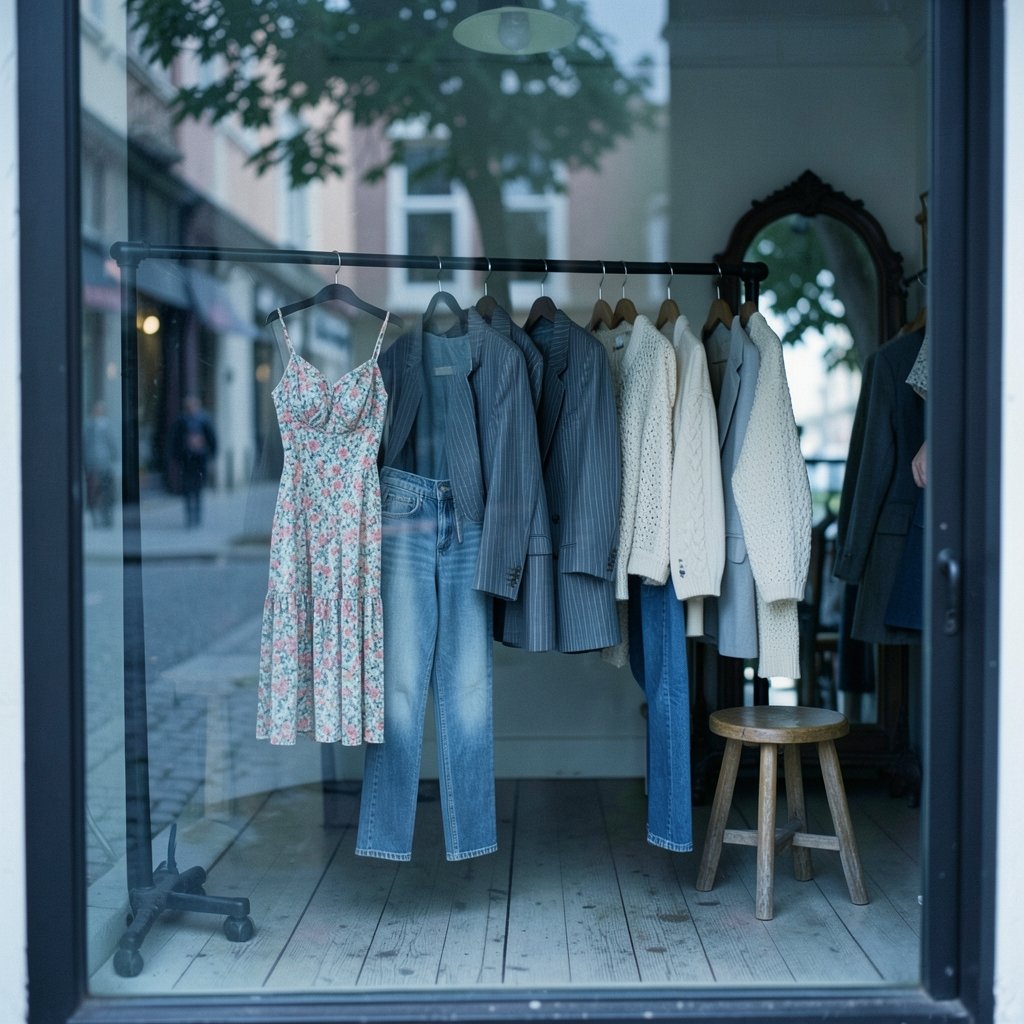
For years, fast trends rewarded speed. Buy the new thing, wear it twice, move on. In 2027, the incentive is flipping. Fashion is craving individuality and freedom from the uniform look of quiet luxury, and mixing eras is one of the clearest ways to get there.
There is a practical reason too. A closet built on one aesthetic ages badly. A closet built from pieces with different origins keeps finding new combinations. The ’90s revival is a good example: retro hits are being adapted for the modern wardrobe rather than copied wholesale, which is exactly the generational-style logic in action.
The lesson for a long-term wardrobe: stop asking “is this on trend?” and start asking “will this still work with what I own in five years?”
The four pillars of a generational wardrobe
Every wardrobe that survives decades tends to rest on the same four supports. Get these right and the rest becomes easier.
| Pillar | What it means | Practical test |
|---|---|---|
| Fabric | Natural fibers and dense weaves that age well | Does it feel substantial without being stiff? |
| Cut | Shapes that flatter without chasing a silhouette | Would it look right in a photo from 1997 and 2027? |
| Color | A base of neutrals with a few signature tones | Do most pieces work together without effort? |
| Story | Pieces with a reason to exist | Can you say why you bought it in one sentence? |
The fourth pillar is the one most people skip, and it is the one that makes a wardrobe feel personal. A piece with a story gets worn. A piece bought on impulse gets donated.
Start with fabric and construction, not logos
The single most common mistake in building a long-term wardrobe is buying for the label instead of the cloth. Logos date. A heavy cotton twill or a proper wool does not.
Practical advice that actually works: turn the garment inside out before buying. Look at the seams. A well-made piece has clean, tight stitching and enough seam allowance to survive alterations. Check the fiber content tag, not the marketing copy. If a “wool” coat is mostly synthetic, it will pill and shine within a season.
There is a reason the old-money aesthetic keeps returning in new forms. Its core logic has always been hidden quality: fine fabrics, precise tailoring, and low-saturation color rather than loud decoration. That principle survives every trend cycle because it is about material, not message.
Build a base layer before you buy anything exciting
Generational style starts boring. The most useful wardrobes are built from a small set of pieces that do the heavy lifting, then decorated with personality.
A workable base looks like this:
- Two or three well-cut trousers or jeans in neutral tones.
- A handful of plain tops that fit properly at the shoulder and hem.
- One structured blazer that can dress up or down.
- A coat that suits your actual climate.
- Shoes you can walk in for a full day.
Once that base exists, every new purchase has something to talk to. Without it, even beautiful pieces sit unworn because they have nothing to pair with.
Mix eras deliberately, not randomly
The 2027 runways are mixing decades, and so can you, but the difference between “styled” and “costume” is intention. A vintage blazer over modern wide-leg trousers reads as personal. A full ’80s outfit reads as fancy dress.
A useful rule: keep one era dominant and let the others accent. If the silhouette is modern, let the accessories carry the vintage. If the top is clearly retro, keep the bottom clean and current. The Acubi fashion Korean subculture look rewriting street style shows how a single subcultural reference can anchor an entire outfit without overwhelming it.
Texture helps here too. Mixing a soft unstructured blazer with a tougher piece like leather creates balance that feels easy rather than forced. The contrast does the styling work for you.
The role of tailoring and fit
Nothing dates a wardrobe faster than poor fit. A cheap jacket that fits well looks better than an expensive one that doesn’t, every time.
The practical move is to budget for alterations from the start. Hemming trousers, taking in a waist, or shortening sleeves costs far less than replacing a garment, and it transforms how a piece reads. Find a tailor before you need one. Ask what a basic hem and waist adjustment costs, and factor that into the price of anything you buy.
Fit also protects resale and hand-down value. A well-tailored classic piece holds its shape and its appeal. A trend-driven piece that fit badly in the first place has nowhere to go.
Color strategy for a closet that lasts
A generational wardrobe needs a color spine. Pick two or three neutrals as the base, then add one or two signature colors you actually enjoy wearing. Everything else should connect to that spine.
This is where many people go wrong. They buy a bold piece because it looked great in a store, then discover it matches nothing at home. Before buying anything colorful, ask whether it works with at least three pieces you already own. If not, it is a costume, not a wardrobe item.
Low-saturation tones remain the safest long-term bet because they combine easily and photograph consistently. A pair of glasses in a considered frame can also tie a look together, and a solid glasses style guide is worth reading before committing to a shape you will wear daily.
Where personal style and practicality meet
Generational style is not a museum. It has to survive real life: commutes, weather, laundry, and changing bodies. That means building in flexibility.
Look for pieces with adjustable details: waist tabs, removable belts, and layers that work across seasons. A practical example is a haircut that grows out well rather than one that needs weekly maintenance, and the same logic applies to clothes. A style mullet practical guide making cut work shows how choosing a shape with a built-in grow-out phase saves money and regret. Clothing works the same way: choose cuts that tolerate small changes in fit.
Comfort is not the enemy of style. The ’90s revival is partly popular because it prioritized ease. A wardrobe you actually want to wear gets worn, and worn clothes develop the character that makes them feel generational.
The archive mindset: shop like a collector
The most effective shift in 2027 is mental. Stop shopping like a consumer and start shopping like a collector.
Collectors buy fewer things and know why each one matters. They keep records. They repair rather than replace. They understand that a piece with a biography, whether a family hand-me-down or a well-chosen vintage find, carries more weight than something bought new from a catalog.
A simple practice: keep a note on your phone listing what you own and what gaps exist. Before any purchase, check the list. Most impulse buys fail this test, which is exactly the point. The menswear world has leaned into this idea too, and understanding what a name like Helt menswear actually means for modern men’s style shows how heritage framing sells a story as much as a garment.
Common mistakes that break a generational wardrobe
Even well-intentioned wardrobes fail for predictable reasons. Watch for these.
Buying a full outfit at once instead of building gradually. A home, and a wardrobe, should be assembled layer by layer rather than finished in one shopping trip. Rushing produces a closet that looks coordinated but feels hollow.
Chasing a single aesthetic too hard. The uniform look of quiet luxury is already being rejected for exactly this reason. Variety keeps a wardrobe alive.
Ignoring care. A generational wardrobe requires maintenance: proper storage, repairs, and cleaning. A beautiful coat ruined by neglect is no longer generational.
Skipping the try-on at home. Store lighting lies. Wear a new piece around the house for an hour before removing tags.
How to pass style down, literally and figuratively
Generational style has a literal meaning too. Clothing that survives to be handed down is clothing that was chosen and kept well.
Start by identifying the pieces worth preserving: a good coat, a leather bag, a well-made knit. Store them properly, repair them early, and resist the urge to clear them out during seasonal purges. Document them. A photo and a short note about where a piece came from turns an object into an heirloom.
For anyone building a kitchen or home alongside a wardrobe, the same philosophy applies. A practical guide to building a kitchen with the best italian cookbooks treats reference material as something to accumulate slowly and use for decades, not something to buy in a panic before a dinner party. Generational thinking is a habit that crosses rooms.
Conclusion
Building generational style in 2027 is less about buying and more about deciding. Decide which fabrics deserve your money. Decide which cuts you will still want in a decade. Decide that a wardrobe with a story beats a wardrobe with a receipt. The runways are already mixing eras, young shoppers are already buying secondhand at scale, and the old uniform of quiet luxury is giving way to something more personal. The closet that lasts is the one built slowly, repaired often, and chosen with the future in mind. Start with one good piece this month, and let the rest follow.
FAQ
What is generational style?
Generational style is a way of building a wardrobe around pieces durable and classic enough to be worn for years and eventually passed down. It prioritizes fabric, cut, and personal meaning over short-lived trends.
Is generational style expensive?
Not necessarily. The approach favors fewer, better-chosen pieces, which often costs less over time than constant trend shopping. Secondhand shopping, alterations, and repairs keep the budget manageable.
How many pieces do I need to start?
A workable base is roughly ten to fifteen items: a few trousers, several tops, one blazer, a coat, and reliable shoes. Add personality pieces gradually once the base works together.
How do I mix vintage and modern without looking costumed?
Keep one era dominant and let the others accent. Pair a vintage blazer with modern trousers, or a retro top with a clean, current bottom. Contrast in texture helps the look feel intentional.
How often should I replace items in a generational wardrobe?
Replace when a piece can no longer be repaired, not on a schedule. Regular care and timely alterations extend the life of most garments by years.
Does generational style mean only neutral colors?
No. Neutrals form the base because they combine easily, but signature colors and prints are welcome. The test is whether a piece works with at least three things you already own.











