Anti-ageing skincare is full of big promises and small print. A serum can help skin look brighter, smoother and firmer, and it can soften the look of fine lines with time. It cannot turn back the clock, erase deep wrinkles, or replace sunscreen, sleep and sun protection. The serums that work best are rarely the loudest. They are the ones with a clear active ingredient, a texture you will use every day, and a strength your skin can actually tolerate.
That is why this guide is organised by concern and skin type, not just by price or popularity. A strong retinol serum can be transformative for resilient skin and far too much for sensitive skin, especially if it is started at full strength. A gentle, hydrating serum can be the right daily choice for a beginner, even if it works more slowly. The best anti-ageing routine is usually a simple one, used consistently, rather than a shelf full of strong products used in turn.
Below are nine anti-ageing serums worth considering in 2027, from a classic night repair serum to gentle retinol options for beginners. Each one is described by what it is good at, what to watch for, and who it suits best, so you can choose with your skin in mind, not just a bestseller list.
Key takeaways
- Anti-ageing serums work best for brightness, hydration, firmness and the look of fine lines, with results taking six to twelve weeks of consistent use.
- Retinol and retinoids are the most studied anti-ageing actives, while vitamin C, peptides, hyaluronic acid and niacinamide support brightness, firmness and the skin barrier.
- Beginners and sensitive skin should start with a low-strength retinol or a gentle alternative, used two to three times a week, and build up slowly.
- Use a hydrating or antioxidant serum in the morning under moisturiser and sunscreen, and retinol at night, never starting two strong actives in the same week.
- No serum reverses ageing, removes deep wrinkles, or replaces sunscreen, and a serum that causes persistent redness, peeling or burning should be paused.
What anti-ageing serums actually do for skin
As skin ages, it makes collagen and elastin more slowly, holds less water, and repairs itself less quickly. Sun, pollution and stress speed that process up. An anti-ageing serum works on one or more of those changes. Retinol speeds cell turnover and supports collagen. Vitamin C brightens and supports collagen. Hyaluronic acid draws water into skin, so fine lines caused by dryness look softer. Peptides support firmness. Niacinamide supports the barrier and even tone.
What none of them do is work overnight. Most people notice brighter, more hydrated skin after two to four weeks. Fine lines look softer after six to eight weeks. Firmness and deeper lines change more slowly, over months, and only with consistent use and sun protection. Mild dryness when starting retinol can be normal. Burning, persistent redness or flaking is a sign to pause, simplify, and try a gentler option.
Sunscreen is the other half of every anti-ageing serum. Without it, sun breaks down collagen and creates new pigmentation faster than a serum can help. A serum used without sunscreen is working against itself.
How we chose these serums and what to look for
Look first at the active ingredient and its strength. For retinol, a low strength of 0.1 to 0.3 percent is a sensible start, especially for beginners. For vitamin C, 10 to 15 percent L-ascorbic acid is strong, while a derivative is gentler. For hyaluronic acid, look for a formula that also contains ceramides or glycerin, so hydration is held in skin rather than lost to dry air. A serum that names its active clearly, and gives a strength, is usually a better choice than one that hides behind the word anti-ageing alone.
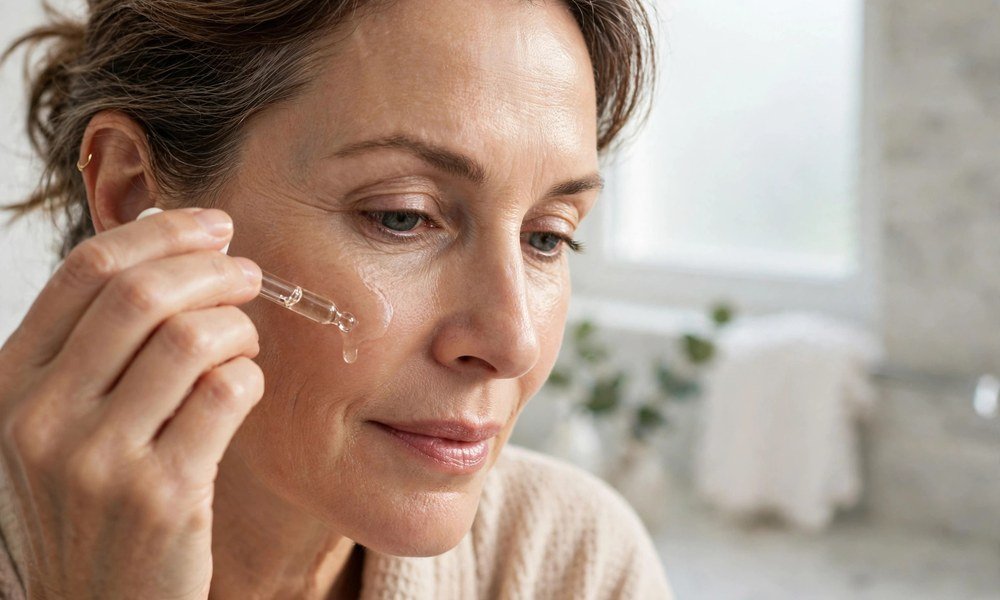
Look next at the supporting ingredients. Hyaluronic acid makes a strong formula feel more comfortable. Niacinamide supports the barrier. Ceramides help dry skin hold moisture. A serum that combines a strong active with one or two of these is usually easier to use every day than a bare, high-strength formula. Our guide to the best retinol creams for beginners explains that balance well, because starting gently is what lets you keep using a strong active for months.
Finally, look at the texture and the bottle. A serum you enjoy using every night is worth more than a stronger one you avoid. A thin, fast-absorbing texture layers well under moisturiser. A richer texture suits dry skin. A dark bottle, a pump or dropper that seals well, and a size you will finish within a few months are all practical signs of a well-designed product.
The 9 best anti-ageing serums of 2027
Estée Lauder Advanced Night Repair Synchronized Multi-Recovery Complex
What we like: A classic night serum with bifida ferment and hyaluronic acid, designed to support repair overnight, with a light texture that suits most skin types. What to consider: Premium price, and it is a support serum rather than a strong retinol treatment. Key ingredients: Bifida ferment lysate, hyaluronic acid, peptides. Skin type: All, including sensitive. Size: 30 ml. Cruelty-free: No.
A reliable evening step for people who want smoother, more rested-looking skin without starting a strong active. It layers well and is easy to use every night.
Lancôme Advanced Génifique Youth Activating Serum
What we like: A light, fast-absorbing serum with bifida and lactobacillus ferments and hyaluronic acid, aimed at radiance, smoothness and the look of fine lines. What to consider: A gentle, maintenance-level formula, so results are gradual, and it is premium-priced. Key ingredients: Bifida ferment, lactobacillus ferment, hyaluronic acid. Skin type: All, including sensitive. Size: 30 ml. Cruelty-free: No.
For skin that looks dull and tired rather than deeply lined, this is a comfortable daily serum that helps skin look brighter and more even with time.
La Roche-Posay Retinol B3 Serum
What we like: A gentle retinol serum with vitamin B3, or niacinamide, and hyaluronic acid, designed to be tolerated by sensitive skin while still helping fine lines. What to consider: Start two to three times a week, and use sunscreen every morning, as retinol increases sun sensitivity. Key ingredients: Retinol, niacinamide, hyaluronic acid. Skin type: Sensitive, normal, combination. Size: 30 ml. Cruelty-free: No.
This is one of the kindest ways to start retinol. It is strong enough to help, but buffered enough that most people can build up to nightly use.
Olay Regenerist Micro-Sculpting Serum
What we like: Niacinamide and peptides in a fragrance-free, affordable serum that feels hydrating and helps skin look firmer and more even. What to consider: A gentle, daily formula, so it is best for maintenance and early fine lines rather than deep wrinkles. Key ingredients: Niacinamide, peptides, hyaluronic acid. Skin type: All, including sensitive. Size: 50 ml. Cruelty-free: No.
An easy, everyday anti-ageing step, especially if you want a serum you can use morning and evening without thinking about strength or irritation.
RoC Retinol Correxion Line Smoothing Night Serum
What we like: A well-studied retinol formula in a light, fast-absorbing serum, often recommended for visible smoothing of fine lines. What to consider: Start slowly, two to three nights a week, and expect some dryness in the first weeks. Key ingredients: Retinol, squalane. Skin type: Normal, combination, mature. Size: 30 ml. Cruelty-free: No.
For resilient skin that is ready for a real retinol, this is a straightforward, effective choice, used at night under a simple moisturiser.
Neutrogena Rapid Wrinkle Repair Retinol Oil
What we like: Retinol in a light oil texture with hyaluronic acid, which feels more comfortable than many retinol serums, especially for dry skin. What to consider: An oil texture, so oily skin may prefer a lighter serum, and start slowly to avoid irritation. Key ingredients: Retinol SA, hyaluronic acid, glucose complex. Skin type: Dry, normal, mature. Size: 30 ml. Cruelty-free: No.
If dryness has put you off retinol before, this oil format is often much more comfortable, while still delivering the smoothing benefit retinol is known for.
L’Oréal Paris Revitalift 1.5% Hyaluronic Acid Serum
What we like: A high-strength hyaluronic acid serum that plumps fine lines caused by dryness, in a light, affordable, fragrance-free texture. What to consider: It hydrates and plumps rather than treating deep wrinkles, so pair it with retinol or vitamin C for a fuller routine. Key ingredients: Hyaluronic acid 1.5%. Skin type: All, including sensitive. Size: 30 ml. Cruelty-free: No.
A sensible base layer for almost any anti-ageing routine. Used under moisturiser, it makes skin look smoother within days, and helps stronger actives feel more comfortable.
Sunday Riley A+ High-Dose Retinoid Serum
What we like: A high-dose retinoid ester with CoQ10, in a rich serum aimed at visible firming and smoothing for experienced retinol users. What to consider: Strong, so it is not a beginner serum, and it is premium-priced. Key ingredients: Retinyl propionate, CoQ10, Hawaiian white honey. Skin type: Normal, combination, mature. Size: 30 ml. Cruelty-free: Yes.
For skin that already tolerates retinol and wants a stronger step, this is a well-made option, used at night, two to three times a week to start.
Vichy Liftactiv Supreme H.A. Epidermic Filler Serum
What we like: Hyaluronic acid in two molecular weights with vitamin C, designed to fill the look of fine lines and brighten dull skin. What to consider: A hydrating and brightening serum rather than a strong retinol, so results are visible but gentle. Key ingredients: Hyaluronic acid, vitamin Cg. Skin type: All, including sensitive. Size: 30 ml. Cruelty-free: No.
For skin that looks tired, dry and lined, this is a comfortable morning serum that helps skin look plumper and brighter without irritation.
Which anti-ageing serum is right for your skin type
Dry skin usually does well with a richer serum, ideally one with hyaluronic acid, ceramides or squalane alongside the active ingredient. The goal is smoother skin without tightness, so a serum that leaves skin feeling comfortable after five minutes is a better sign than one that feels strong on application. Apply it to clean skin, then seal it in with moisturiser.
Oily and combination skin often prefer a thin, water-based serum, used at night for retinol and in the morning for a hydrating or antioxidant serum, with a light moisturiser on top. Retinol rarely causes breakouts, but a rich base can, so check the texture before you blame the active ingredient. Sensitive skin needs the slowest start. Choose a low-strength retinol, or a gentle alternative, use it two to three times a week, and only move to nightly use if your skin stays calm.
Mature skin often benefits most from anti-ageing serums, because dullness, uneven tone and fine lines are exactly what they help with, but it also needs patience and sun protection. A serum without daily sunscreen is working against the sun every afternoon. A 2027 skincare routine by age is a useful frame here, because the right strength and the right supporting ingredients change as skin changes, and a routine that worked at 30 may be too much, or too little, at 55.
The caveats that matter
Anti-ageing serums are well studied, but they are not a cure-all. They will not remove deep wrinkles, lift sagging skin, or work if you use them for a week and stop. Retinol can cause dryness, peeling and redness when started too fast, and it increases sun sensitivity. Start slowly, use it at night, and wear sunscreen every morning.
| Detail | What is known |
|---|---|
| Most studied active | Retinol and retinoids, for cell turnover and collagen support |
| When to use retinol | At night, on clean dry skin, under moisturiser; start 2 to 3 times a week |
| When to use hydrating serums | Morning or evening, under moisturiser and sunscreen in the morning |
| How long to see results | Brightness in 2 to 4 weeks; fine lines in 6 to 8 weeks; firmness in months |
| Who should start gently | Sensitive, reactive, or barrier-damaged skin; start low and slow |
| What to avoid pairing at first | Starting retinol and a strong exfoliant at the same time |
| Storage | Cool place, away from light and heat; retinol should be kept in a dark bottle |
| What it does not do | It does not remove deep wrinkles alone, lift sagging skin, or replace sunscreen |
If you are pregnant, trying to conceive, breastfeeding, or using prescription skincare, check with your clinician or dermatologist before using retinol or a new strong active. Retinol is not recommended in pregnancy, and prescription treatments change what your skin can tolerate. That is not a formality. A simple check avoids weeks of irritation and worry.
Checklist: choosing an anti-ageing serum honestly
Use these checks before you buy, and again after eight weeks of use.
- Check the active: retinol, vitamin C, peptides or hyaluronic acid should be named clearly, with a strength where relevant.
- Check the strength: start low for retinol, 0.1 to 0.3 percent, and build up only if your skin stays calm.
- Check the supporting ingredients: hyaluronic acid, niacinamide or ceramides help a strong formula feel comfortable.
- Patch-test first: apply to your jawline or inner arm for two to three days before full-face use, especially for retinol.
- Start slowly: two to three nights a week for retinol, then build to nightly use over a month if there is no persistent irritation.
- Protect the result: use sunscreen every morning, because sun undoes anti-ageing work faster than any serum can build it.
Frequently asked questions
How often should I use an anti-ageing serum?
Once a day is enough for most people, at night for retinol and in the morning for a hydrating or antioxidant serum. Start retinol two to three times a week, then build up slowly if your skin stays calm.
Can I use retinol with vitamin C?
Yes, but separate them. Vitamin C in the morning and retinol in the evening is a common split. Do not start both at full strength in the same week, and stop one if your skin becomes irritated.
Can I use retinol with peptides?
Yes. Peptides and retinol work well together, and peptides can help skin feel more comfortable while using retinol. Use a peptide serum in the morning and retinol at night if your skin is sensitive.
Is retinol safe for sensitive skin?
Often yes, at a low strength and with a slow start. Choose a gentle, buffered retinol, patch-test, and start two to three times a week. If redness persists, pause and try a gentler routine, such as a hydrating serum and a rich moisturiser. Our guide to the best moisturisers for dry skin can help you choose a moisturiser that makes retinol easier to tolerate.
Do I still need sunscreen if I use an anti-ageing serum?
Yes, every day. A serum helps defend against sun damage and supports repair, but it does not block UV. Sunscreen is what protects the brightness, firmness and even tone you are working to build, and retinol makes sunscreen even more important.
When should I start using anti-ageing serums?
There is no single age. Hydrating and antioxidant serums can be useful from your twenties, while retinol is often started in your late twenties or thirties, at a low strength. The right time is when you have a simple, consistent routine and can add one active slowly, rather than starting several at once.
The bottom line
The best anti-ageing serum in 2027 is not the strongest or the most expensive. It is the one that suits your skin type, that you will use consistently, and that your skin can tolerate for months. For resilient skin, a gentle retinol used at night is a strong choice. For sensitive or beginner skin, a hydrating serum with hyaluronic acid, niacinamide and peptides is the smarter start, with retinol added slowly later if you want it.
Choose one serum, use it consistently for eight to twelve weeks, protect it with sunscreen, and judge it on how your skin looks and feels over time, not on how strong it feels on day one. That is the honest way to get the benefit anti-ageing skincare is known for, without the irritation that makes people give up on it.