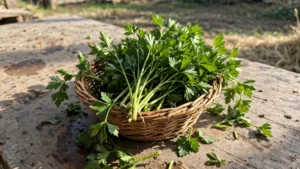
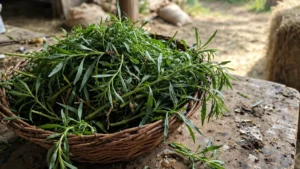
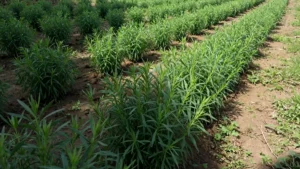
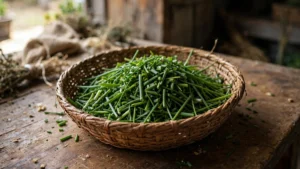
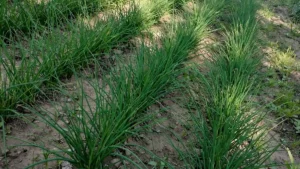
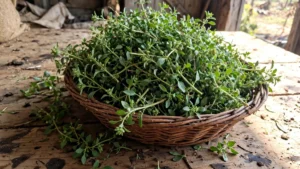
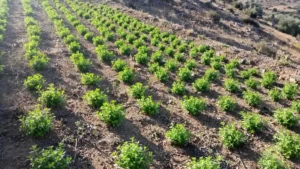
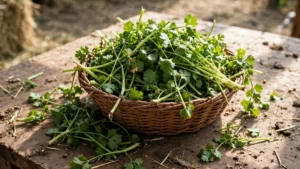
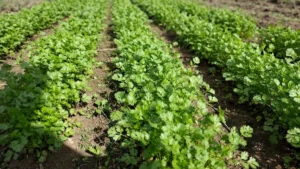
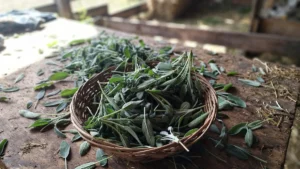
An oregano farm retreat is a stay built around the drying racks. Oregano is a tough perennial that wants thin soil, full sun, and very little water, and it pays neglect back with flavour: the leaves hold their strongest oils in the dry weeks just before the buds open. Guests arrive while the plants are still in leaf, cut stems in the morning, and tie bunches to dry in the barn.
These stays are small and working: a family place with a handful of guest rooms, a kitchen that cooks from the dried jars as much as the garden, and a host who can tell Greek oregano from Mexican oregano by smell alone. The two are different plants, not two names for one herb, and the trip is built around learning the difference.
Below are nine oregano farm retreats for 2027, from Crete at $65 to $95 a night to Puebla at $345 to $380. Every one of them is a farm that happens to take guests, not a hotel with a herb garden.
Key takeaways
- Oregano farm retreats are working stays built around cutting, drying, and cooking.
- Greek and Mexican oregano are different plants from different families, with different flavours.
- Cut oregano before the flowers open, when the leaf oils are strongest.
- Dried oregano is stronger than fresh, so most farm cooking uses the dried leaf.
- Oregano is a perennial on dry, poor soil, so cutting dates move with the rain, not the calendar.
What an oregano farm retreat actually is
An oregano farm retreat is a working herb farm that takes a small number of paying guests for a few nights. The farm grows oregano as a crop, not as a garnish, and the stay follows the cutting and drying calendar. Mornings are spent in the rows with secateurs and baskets, afternoons tying bunches for the drying barn, and evenings at a table where the dried leaf seasons everything.
What sets oregano apart from the softer herbs is how little it asks for. Basil wants water and warmth and wilts at the first cold night. Oregano wants sun, wind, and soil so poor that almost nothing else will grow in it, and a plant that works for its water makes smaller leaves with more oil.
The stays are modest: a farmhouse room with a window over the rows, a kitchen that smells of dried herbs, and a host who knows which slope was cut last week and which is ready tomorrow. What you pay for is the flavour on the plate and the quiet in the hills, not fancy linen.
How we picked these stays, and what to ask first
We picked farms that grow oregano as a real crop, take small groups, and put the cutting and drying at the centre. Every farm below grows a culinary oregano at field scale, offers a guided cutting session, and cooks at least one meal a day with its own leaf.

Before you book, ask three questions. First, which oregano grows in the rows, Greek or Mexican, and when is its cutting week. Second, how many guests stay at once: eight people can cut together, but thirty cannot. Third, what is included: some farms include every meal and the drying lesson, others charge for the cooking class separately.
Also ask about the kitchen. Oregano is gluten-free, but a farm kitchen bakes bread in the same room and serves pasta most nights. If gluten is a problem for you, say so when you enquire, not when you arrive. The tomato farm retreats we have covered work on the same pattern.
The 9 best luxury oregano farm retreats of 2027
Crete, Greece — Oregano Above the White Mountains
On the high slopes below the White Mountains, a small farm cuts wild Greek oregano from terraces that have never seen a fertiliser bag. The plants are Origanum vulgare subsp. hirtum, the white-flowered Greek oregano that scents the island in summer. Guests stay in three stone rooms and eat lamb rubbed with the farm’s own dried leaf in the evening.
What we like: The most fragrant Greek oregano on this list, from terraces no machine has ever touched. What to consider: The road up is steep and the rooms are simple, with no air conditioning. Best for: A first oregano trip close to the classic. Style: Stone rooms on a mountain terrace farm. Price range: $65 to $95 a night. Standout feature: Wild Greek oregano cut above the White Mountains.
Sicily, Italy — Oregano on the Volcanic Slopes
On the black volcanic soil of eastern Sicily, a family farm grows oregano in rows between the vines, where the mineral earth gives the leaves a sharp, peppery edge. Guests stay in four whitewashed rooms, cut stems in the morning, and cook tomato sauces, grilled fish, and bean stews.
What we like: Volcanic soil flavour found nowhere else, plus a kitchen that cooks the Sicilian table properly. What to consider: Summer heat is serious and the farm is a drive from the nearest town. Best for: Travellers who want the Italian table, not just the herb. Style: Whitewashed farmhouse rooms between the vines. Price range: $100 to $130 a night. Standout feature: Oregano with a peppery volcanic edge, dried in the barn by the house.
Calabria, Italy — Oregano Above the Toe of the Boot
Calabria is home to the spicy southern Italian kitchen, and this farm on the hills above the Tyrrhenian Sea grows oregano for the region’s salami makers and tomato sauces. Guests stay in five rooms in a stone farmhouse, cut oregano in the morning, and learn how the leaf is dried, rubbed, and packed.
What we like: The spiciest oregano cooking on this list, with salami, beans, and sauces seasoned from the same rows. What to consider: The hills are steep, the kitchen is hearty rather than light, and June books out early. Best for: Food lovers who like heat in their cooking. Style: Stone farmhouse rooms above the Tyrrhenian Sea. Price range: $135 to $165 a night. Standout feature: Oregano dried and rubbed for the farm’s own salami and sauces.
Peloponnese, Greece — Oregano on the Taygetus Slopes
On the slopes of Mount Taygetus, a farm cuts Greek oregano from dry terraces and dries it in a stone barn used by the family for three generations. Guests stay in four rooms, walk the terraces at dawn, and cook village dishes with the leaf.
What we like: Three generations of drying knowledge, plus honey from bees working the same flowers. What to consider: The Mani is remote, the roads are narrow, and the summer sun is strong. Best for: Travellers who want old Greece, not resort Greece. Style: Stone rooms on a terraced Mani farm. Price range: $170 to $200 a night. Standout feature: Oregano honey from hives at the edge of the rows.
Campania, Italy — Oregano Below Vesuvius
Below Vesuvius, on the rich volcanic plain around Naples, a farm grows oregano in the soil that feeds the region’s tomatoes and lemons. Guests stay in six rooms in a restored farmhouse, cut oregano in the morning, and learn the Neapolitan table: pizza, tomato sauce, and grilled vegetables seasoned from the farm’s jars.
What we like: The classic pizza herb where pizza was made, with a volcano in view from the barn door. What to consider: The plain is hot and busy in summer, and the farm is not a quiet retreat. Best for: First-timers who want the famous flavour at home. Style: Restored farmhouse rooms on the volcanic plain. Price range: $205 to $235 a night. Standout feature: Pizza seasoned with oregano dried that same week.
Dalmatia, Croatia — Oregano on the Adriatic Hills
On the dry limestone hills behind the Dalmatian coast, a farm grows wild oregano among the rosemary and sage of the maquis scrub, where the sea wind keeps the plants small and scented. Guests stay in five stone rooms, cut oregano in the morning, and cook grilled fish, lamb, and bean dishes.
What we like: Wild oregano from the maquis scrub, with the sea in view and fish on the table nightly. What to consider: The hills are dry and thorny, and the nearest beach is a drive away. Best for: Travellers who want herbs, sea air, and grilled fish in one trip. Style: Stone rooms on a hillside farm above the coast. Price range: $240 to $270 a night. Standout feature: Oregano cut from wild maquis scrub above the Adriatic.
Sardinia, Italy — Oregano in the Wild Interior
In the wild interior of Sardinia, far from the coast, a farm grows oregano on granite hills grazed by shepherds for centuries. The herb here is strong and resinous, and the farm kitchen uses it in pane carasau, roasted meats, and pecorino dishes. Guests stay in four rooms in a granite farmhouse and cut in the morning.
What we like: The most remote stay on this list, with an oregano so strong a pinch is enough. What to consider: The interior is a long drive from the airport and the farm is deliberately quiet. Best for: Travellers who want silence, hills, and a herb that tastes of the place. Style: Granite farmhouse rooms in the wild interior. Price range: $275 to $305 a night. Standout feature: Resinous wild oregano from granite hills, a pinch per dish. The asparagus farm retreats we covered are gentler; this one is wilder and more remote.
Texas Hill Country, USA — Mexican Oregano on the Limestone Hills
In the Texas Hill Country, a ranch farm grows Mexican oregano, a different plant from the Greek herb, with a citrusy, earthy scent and a love of limestone and heat. Guests stay in six rooms in a ranch house, cut the leaf in the morning, and cook chilli, beans, and grilled meats.
What we like: The clearest lesson on this list about how Mexican oregano differs from Greek, plus a ranch kitchen that cooks it properly. What to consider: Summer heat is serious and the ranch is a drive from Austin. Best for: American travellers who want the Mexican oregano story without a passport. Style: Ranch house rooms on limestone hills. Price range: $310 to $340 a night. Standout feature: Mexican oregano cut and dried on a Texas ranch.
Puebla, Mexico — Mexican Oregano Beneath the Volcanoes
In the high valleys of Puebla, beneath the volcanoes Popocatépetl and Iztaccíhuatl, a family farm grows Mexican oregano for the region’s moles and pozole. The plant is Lippia graveolens, a member of the verbena family, citrusy and earthy where the Greek herb is peppery and warm. Guests stay in five rooms in an adobe farmhouse and cook the dishes it was born for.
What we like: The real Mexican oregano in the place that cooks with it every day, beneath two volcanoes. What to consider: The altitude is high, the food is genuinely spicy, and the farm is a long journey from the coast. Best for: A once-in-a-lifetime herb trip with a real cooking education. Style: Adobe farmhouse rooms in the high valleys. Price range: $345 to $380 a night. Standout feature: Mexican oregano for mole and pozole, cut beneath the volcanoes.
Which oregano region fits your trip
First-timers should start in Crete or Campania. Crete gives you the classic Greek oregano, white flowers and dry terraces, the flavour every other farm measures itself against. Campania adds Naples, pizza, and a volcano in view. Both run in June and July.
If you already know Greek oregano and want to learn something new, go to Texas or Puebla. Texas teaches Mexican oregano on a ranch, with chilli and beans; Puebla teaches it at the source, with mole and pozole in a high valley. The ginger farm retreats we covered are built the same way.
If you want sun, space, and a change of scene, pick Dalmatia or Sardinia. The Dalmatian farm pairs wild maquis oregano with the Adriatic and grilled fish, and the Sardinian farm pairs a resinous wild herb with granite hills and silence. Both cost more, but both leave you with a trip nobody else can copy. For a quiet late-summer week close to home, Sicily or Calabria are cheapest.
The caveats that matter
Oregano is a dry-country perennial, and that shapes everything about these stays. A wet spring can dilute the oils and push the cutting week later, a hot spell can bring flowering forward by days, and a farm that promised June may call you in May to move it. Good farms shift your dates for free, so travel on a ticket you can move and treat the cutting date as a window, not a promise.
| Detail | What is known |
|---|---|
| Best flavour window | Just before flowering, when the buds are shut and the oils are strongest |
| What flowering does | Leaves turn sharper and more bitter as the plant puts its energy into seed |
| Greek vs Mexican oregano | Different plants: Greek is a mint-family herb, Mexican is a verbena-family shrub |
| Dried vs fresh | Dried oregano is stronger than fresh; most farm cooking uses the dried leaf |
| Soil and water | Poor, dry soil and full sun make the strongest flavour; wet soil dilutes it |
| Gluten in farm kitchens | Oregano is gluten-free, but farm kitchens bake bread and pasta in shared spaces |
| Group size | Cutting works in small groups; ask how many guests stay |
| What it does not do | It does not replace a cooking course, and it will not fix next year’s dates |
If you are sensitive to strong herbal oils, tell the farm before you book. Oregano oil is potent, and the farms handle the cutting, the drying, and the distillation in close quarters, with a strong scent in the air. A short message ahead of time lets the host shape the sessions around what you need.
Checklist: booking an oregano farm stay honestly
Use these checks before you book, and again the week before you travel.
- Check the variety: which oregano does the farm cut in your week, Greek or Mexican.
- Check the cutting dates: ask for the whole harvest window, never one fixed day.
- Check the group: a small party keeps the cutting session worth doing.
- Check the price cover: meals, lessons, and market trips, or paid apart.
- Check the kitchen: raise gluten-free needs or an oil sensitivity before you book.
- Check the weather plan: ask what happens if rain or a heatwave hits the cutting week.
Frequently asked questions
How is Greek oregano different from Mexican oregano?
They are different plants from different families. Greek oregano is Origanum vulgare subsp. hirtum, a mint-family herb with a warm, peppery flavour. Mexican oregano is Lippia graveolens, a verbena-family shrub with a citrusy, earthy flavour.
When do oregano farms cut their crop?
When the plants are full but the buds are still shut, usually a window of a week or two in late spring or summer. The dates move with rain and heat, so farms confirm a few days ahead.
Do guests cut the oregano themselves?
Yes, on every farm in this list. Guests cut with secateurs or pinch by hand, and the farm shows you how to take a stem while leaving the plant healthy. A clean cut above a leaf joint lets it branch again.
Which oregano farm region suits a first-timer?
Crete, for the classic Greek oregano and the dry terraces, or Campania, for a gentler introduction with Naples nearby. Both cut in June and July; either makes a good short first trip.
Is oregano safe to taste straight from the plant?
Yes, if the farm says the rows are unsprayed and the leaves are washed. Most of these farms grow without sprays, but ask before you taste, and chew a small leaf first: the flavour is far stronger than the dried jar.
Can you eat gluten-free on an oregano farm?
Mostly yes, as long as the farm hears about it before you arrive. Oregano itself is gluten-free, and most farms can set aside a clean board and a separate pot. A small kitchen may not promise zero cross-contact, so ask plainly.
The bottom line
The best oregano farm retreat in 2027 matches your dates and your cooking. Crete is the classic, Puebla the education, and Sardinia the adventure, but any of the nine will give you oregano cut in the morning and dried in the barn by evening.
Book the window the farm names, not a single fixed day. Tell the farm what you can and cannot eat before you set off. Cut before the flowers open, and take home the dried leaf rather than fresh sprigs, which will wilt before you land.