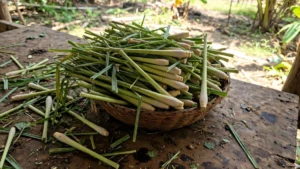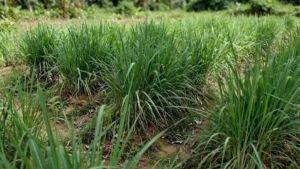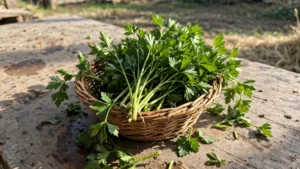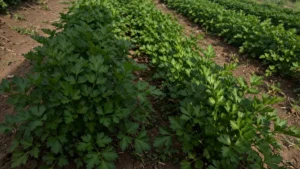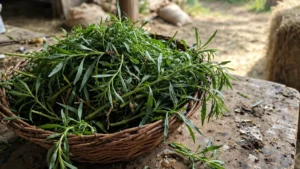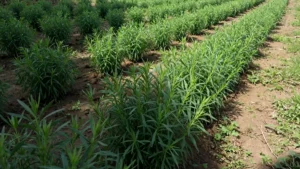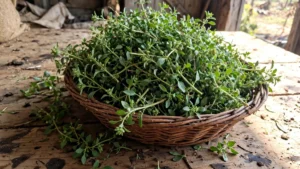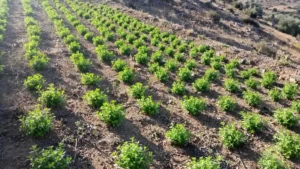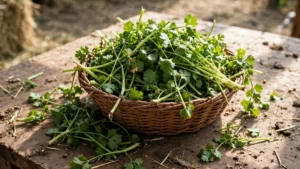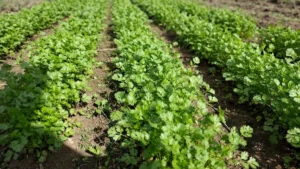
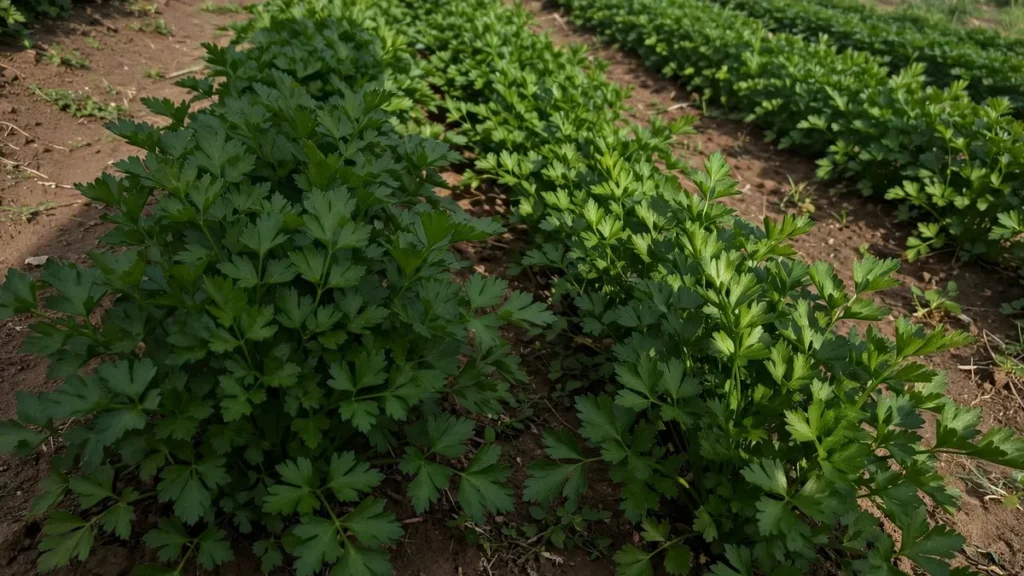
Parsley is the herb every kitchen takes for granted, and the one that changes most when you see it grown properly. On a farm it is not a garnish sprinkled at the last minute. It is a crop in its own right, cut in the cool of the morning, bunched for the market, and cooked into the food of the region the same day. A parsley farm retreat is a few nights on a working herb farm at cutting time, with the leaves coming into the kitchen while they are still crisp, and the farm table set with the dishes parsley was grown to flavour.
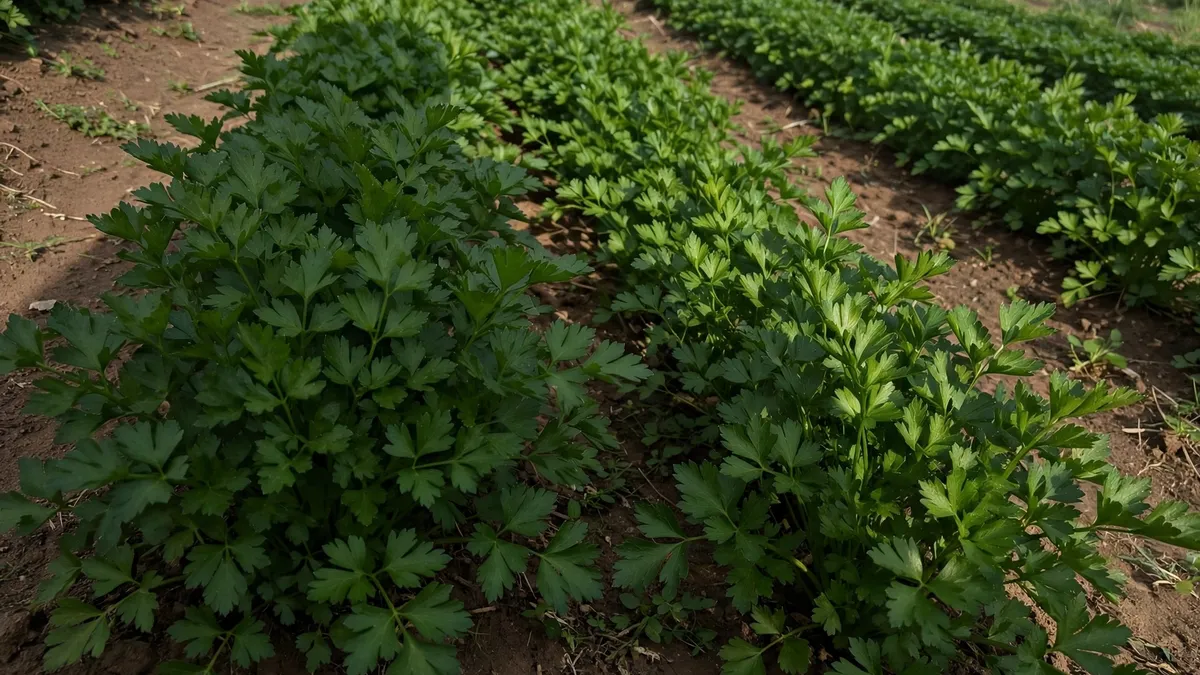
Most travellers meet parsley dried in a jar, or as a tired sprig on the side of a plate. On the farm it is a different matter. Flat-leaf parsley, the cook’s choice, and curly parsley, the firmer, ruffled variety, are grown, cut, and cooked differently, and a good farm will show you why the two are not interchangeable. The leaves are cut before the plant flowers, when the flavour is cleanest.
Below are nine parsley farm stays worth considering in 2027, from a smallholding above the Bay of Naples to a herb farm on the Bosphorus shore. Each stay is covered by what it does well, what to watch for, and who it suits, so you can pick by the cutting season rather than the price alone.
Key takeaways
- Flat-leaf parsley is the cook’s variety, with a stronger, cleaner flavour, while curly parsley is firmer and milder, and the two are grown and cut differently.
- Parsley is a biennial, so the leaf season is the first year, and the second year is for seed, not for the table.
- The leaves are cut before flowering, in the cool of the morning, when the flavour is at its best.
- Parsley root, the Hamburg variety, is grown for its root, not its leaves, and it is a different crop from leaf parsley.
- Parsley is naturally gluten-free, but farm kitchens bake bread and roll pasta, so check how the kitchen handles flour before you book.
What a parsley farm retreat actually is
A parsley farm retreat is a stay on a working herb farm during the parsley season, usually three to five nights, with a room on the farm and meals from the farm kitchen. The days are built around the cutting: out with the cutters in the cool of the morning, back to the kitchen to see the leaves washed and bunched, and an evening meal where parsley appears in the salads, the sauces, and the fish. Nothing is staged for show. The farm is growing parsley for market, and you are there while it happens.
The strongest stays take few guests at a time, usually eight or fewer, since a cutting crew cannot work with a crowd in the rows. You sleep in a farmhouse room or a converted barn, and eat at a long table with the family.
How we picked these stays, and what to ask first
We started with farms that grow parsley as a real crop, sold to markets and kitchens, rather than a patch beside the door for show. Each stay on the list cuts its own parsley, dries its own seed, and cooks with both flat-leaf and curly varieties. We then made sure each farm welcomes guests through the cutting season, keeps its rooms on the farm itself, and can feed a table of strangers properly.
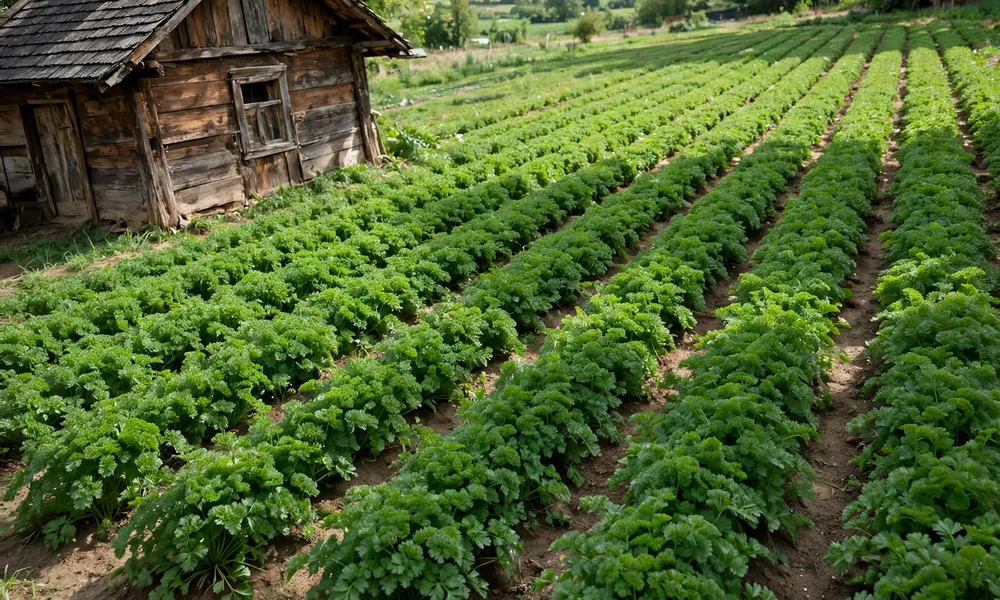
Before you book, ask three questions. First, which week does the farm cut its flat-leaf parsley, and which week does it cut the curly, because the two are harvested on different schedules. Second, whether the kitchen cooks with parsley every day or only when guests ask, because a farm that eats its own crop will show you more. Third, how the farm handles flour and bread if you eat gluten-free, since a kitchen that bakes at dawn needs a firm answer. Our guide to the basil farm retreats follows the same three questions, and they work just as well here.
The 9 best luxury parsley farm retreats of 2027
Naples, Italy — Parsley on the Bay of Naples
What we like: Parsley around Naples grows on terraces above the bay, and the farm cuts it for the fish restaurants that line the water. The bay is bright, and the kitchen serves spaghetti with clams, seafood salads, and parsley pesto with the morning catch.
What to consider: The terraces are steep, and the summer heat is strong, so the cutting starts early and the afternoons are for resting.
Style: Neapolitan terrace farm stay. Best for: Travellers who want parsley where Italy eats it most. Price range: $65–$95 per night. Standout feature: Leaves cut at dawn for the clam spaghetti that evening.
Liguria, Italy — Parsley on the Riviera Hills
What we like: Parsley in Liguria grows on the steep hills behind the Riviera, and the farm supplies the trattorias that prize flat-leaf parsley above all else. The sea is close, and the kitchen serves trofie with herbs, focaccia, and parsley sauce with grilled fish.
What to consider: The hills are steep and the lanes are narrow, so arrive by train and let the farm collect you.
Style: Ligurian hillside farm stay. Best for: Travellers who want parsley from a Riviera kitchen garden. Price range: $100–$130 per night. Standout feature: Flat-leaf bunches picked to order for the village trattorias.
Andalusia, Spain — Parsley on the Olive Groves
What we like: Parsley in Andalusia grows between the olive trees, and the farm cuts it for the gazpacho and salmorejo that cool the long summers. The groves are wide, and the kitchen serves cold soups, grilled sardines, and parsley salad with the farm’s own olive oil.
What to consider: The summer heat is fierce at midday, and the farm sits far from the railway, so arrange the lift in advance.
Style: Andalusian olive-grove farm stay. Best for: Travellers who want parsley with cold soups and sea fish. Price range: $135–$165 per night. Standout feature: Leaves cut for the gazpacho before the sun climbs.
Alentejo, Portugal — Parsley on the Cork Oak Plains
What we like: Parsley in the Alentejo grows on the wide plains under the cork oaks, and the farm cuts it for the açorda and fish stews that feed the region. The plains are open, and the kitchen serves bread soup, grilled fish, and parsley with the farm’s own pork.
What to consider: The plains are hot and the distances are long, so the farm’s car is part of the stay, not an extra.
Style: Alentejo plain farm stay. Best for: Travellers who want parsley from Portugal’s bread country. Price range: $170–$200 per night. Standout feature: Leaves cut for the açorda the morning the bread is baked.
Zeeland, Netherlands — Parsley on the Delta Islands
What we like: Parsley in Zeeland grows on the delta islands, and the farm cuts it for the mussel houses that feed the coast. The water is everywhere, and the kitchen serves mussels, fried fish, and parsley butter with the day’s catch.
What to consider: The wind off the sea is strong, and the farm is a ferry ride from the mainland, so check the sailing times before you travel.
Style: Dutch delta-island farm stay. Best for: Travellers who want parsley with mussels and sea air. Price range: $205–$235 per night. Standout feature: Leaves cut for the mussel pots the same morning the boats come in.
Macedonia, Greece — Parsley on the Northern Hills
What we like: Parsley in Macedonia grows on the northern hills, and the farm cuts it for the village salads and grilled meats that fill the region’s tables. The hills are green, and the kitchen serves chopped salads, roast lamb, and parsley sauce with the farm’s own cheese.
What to consider: The farm is small and books out early, and the hillside paths are rough, so bring sturdy boots.
Style: Greek northern-hills farm stay. Best for: Travellers who want parsley from a Greek village kitchen. Price range: $240–$270 per night. Standout feature: Leaves cut for the village salad before the midday heat.
Rif Mountains, Morocco — Parsley on the Northern Slopes
What we like: Parsley in the Rif grows on terraced slopes, and the farm cuts it for the chermoula and salads that season the region’s cooking. The mountains are high, and the kitchen serves tagines, herb salads, and parsley with the farm’s own bread.
What to consider: The roads into the mountains are slow, and the farm’s English is limited, so learn a few words of Arabic or French first.
Style: Moroccan mountain farm stay. Best for: Travellers who want parsley where North Africa seasons its food. Price range: $275–$305 per night. Standout feature: Leaves cut for the chermoula the morning the tagine is made.
Goa, India — Parsley on the Konkan Coast
What we like: Parsley in Goa grows in the coastal gardens, and the farm cuts it for the fish curries and salads that carry the region’s Portuguese past. The coast is warm, and the kitchen serves fish curry, rice, and parsley with the morning catch.
What to consider: The monsoon can arrive without warning, and the farm is a long drive from the airport, so travel in the dry season.
Style: Goan coastal farm stay. Best for: Travellers who want parsley with fish curry and sea air. Price range: $310–$340 per night. Standout feature: Leaves cut for the fish curry before the boats come back.
Istanbul, Turkey — Parsley on the Bosphorus Shore
What we like: Parsley around Istanbul grows in the gardens along the Bosphorus, and the farm cuts it for the meze tables that fill the city’s evenings. The strait is busy, and the kitchen serves meze, grilled fish, and parsley salad with the farm’s own bread.
What to consider: The city traffic is heavy, and the farm sits on the far shore, so let the farm arrange the boat across.
Style: Bosphorus shore farm stay. Best for: Travellers who want parsley from a Turkish meze table. Price range: $345–$380 per night. Standout feature: Leaves cut for the meze the evening the guests arrive.
Which parsley region fits your trip
If you want flat-leaf parsley above all else, go to Naples, Liguria, or Istanbul, where the leaves are cut for the kitchen the same morning. If you want curly parsley, go to Zeeland or the Alentejo, where the firmer variety is grown for the fish tables and the bread soups. If you want the trip to feel like a holiday as much as a farm visit, Goa and the Rif are the stays to choose, with the sea and the mountains close by.
For a first trip, Naples is the simplest choice. The farm is easy to reach from the city, the cutting week is generous, and the kitchen cooks with parsley every day, so you will taste the herb at every meal. Our guide to the mint farm retreats uses the same first-timer logic, and it holds here too: pick the farm that cooks with its crop daily, and the rest of the trip follows.
The caveats that matter
Parsley farming answers to the weather more than most crops. A hot spell makes the plants bolt, pushing up flower stalks and turning the leaves coarse, so a farm can lose its leaf week in a matter of days. Rain at harvest time can rot the leaves where they stand, and a cold spring can push the whole season back by a fortnight. A well-run farm will let you know the day the dates shift. Choose a stay that lets you move the week without losing your deposit, and follow the farm’s own weather reading over the national one.
| Detail | What is known |
|---|---|
| Flat-leaf parsley | The cook’s variety, with a stronger, cleaner flavour, cut before flowering |
| Curly parsley | The firmer, ruffled variety, milder in flavour, grown and cut differently |
| Best cutting time | Early morning, before the sun takes the flavour out of the leaves |
| What makes it bolt | Hot weather pushes up flower stalks and turns the leaves coarse |
| Who should check first | Anyone who eats gluten-free, because farm kitchens bake bread daily |
| What to avoid | Booking a fixed week without a way to shift it if the season moves |
| How it travels | Fresh leaves wilt fast, so bring home dried parsley and seed instead |
| What it does not do | It does not keep its flavour once dried badly, so buy from the farm, not a shop |
Parsley is also easy to confuse with other green leaves in the same family. From a distance the flat-leaf looks like celery leaf, and the curly looks like a small fern, yet parsley has its own clean scent and a leaf that is broader and softer than either. A farm that grows several herbs will show you the difference in the field, and it is worth learning, because the three leaves cook very differently. Our guide to the rosemary farm retreats carries the same warning about lookalike crops, and the lesson is the same: trust the farmer’s eye, not the photograph.
Checklist: booking a parsley farm stay honestly
Work through these checks before you pay, and again the week before you travel.
- Check the cutting week: ask the farm which week it cuts flat-leaf parsley, and which week it cuts the curly.
- Check the kitchen: ask whether the farm cooks with parsley every day, or only when guests ask.
- Check the flour: ask how the kitchen keeps bread and pasta apart from your plate, if you eat gluten-free.
- Check the room: make sure the bed is on the farm itself, not in a village an hour away.
- Check the shift: make sure you can change the week without forfeiting the deposit when the season slips.
- Check the bag: pack a cool bag for leaves, and leave room for dried parsley and seed to bring home.
Frequently asked questions
How is flat-leaf parsley different from curly parsley?
Flat-leaf parsley is the cook’s variety, with a stronger, cleaner flavour and a softer leaf that chops easily into salads and sauces. Curly parsley is firmer and ruffled, with a milder flavour, and it holds its shape better as a garnish. The two are grown and cut differently, and a farm that grows both will show you the difference in the rows.
When do the farms cut their parsley?
Most farms cut leaf parsley in the early morning, from late spring into midsummer, depending on the region. The second-year plants are left to flower and set seed, which the farm dries for the next sowing. The farm sets the week a month ahead, and the dates can shift if the weather turns hot or wet.
Is parsley root the same crop as leaf parsley?
No. Parsley root, the Hamburg variety, is grown for its pale root, which is cooked like a parsnip, while leaf parsley is grown for its leaves. The two are sown and harvested differently, and a farm that grows both will keep them in separate beds.
May guests cut parsley in the rows themselves?
Yes, at most of these farms, as long as you ask the day before. The work is straightforward, snipping above a leaf joint with a sharp knife, while the crew sets the pace and guests follow it. Put on gloves if your skin is sensitive, and cut only the rows the farmer marks out.
Which parsley farm region should a first-timer pick?
Naples, for the easiest journey and the most generous cutting week. The farm cooks with parsley every day, the kitchen is used to guests, and the bay gives you somewhere to walk when the sun is high and the cutting stops.
Can you eat well gluten-free on a parsley farm?
Yes, if you tell the farm when you book. Parsley itself is naturally gluten-free, and the fish, salads, and soups are usually safe. The worry is the bread and pasta the kitchen bakes at dawn, so ask how the farm keeps them away from your plate.
The bottom line
A parsley farm retreat suits travellers who like their food to come from the field they are standing in, and who are happy to let the farm set the day. The herb is humble, the season is short, and the best stays are the ones that cut it, cook it, and dry it without fuss.
Pick the region by whether you want flat-leaf or curly, ask the farm for its cutting week before you book anything else, and leave the fresh bunches behind. The dried parsley and seed you bring home will carry the trip further than any photograph.