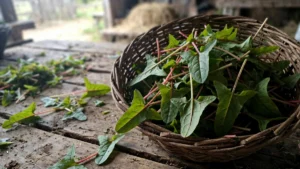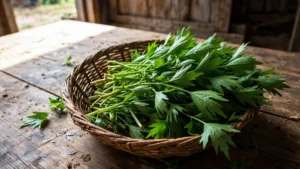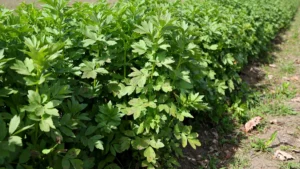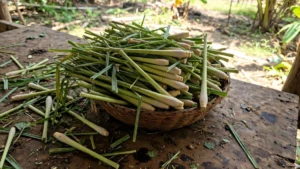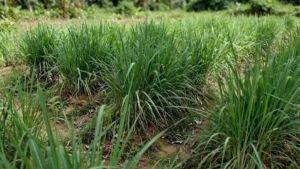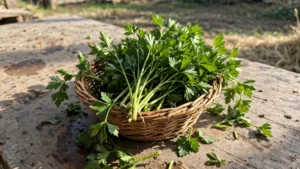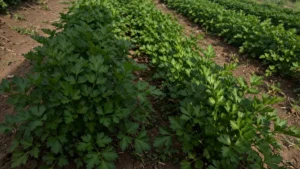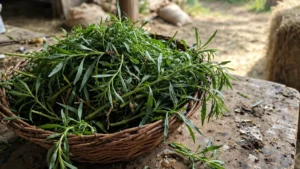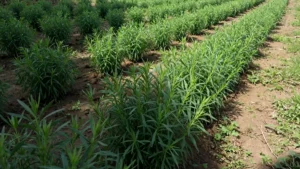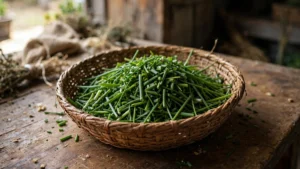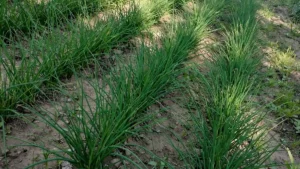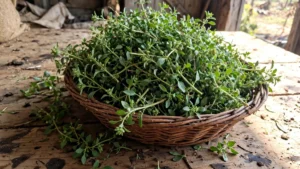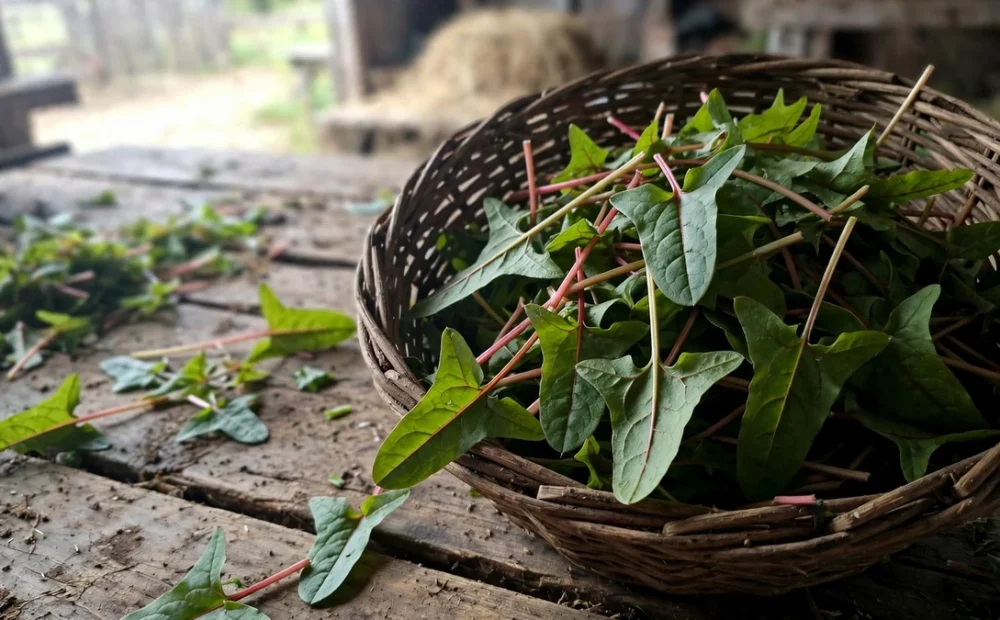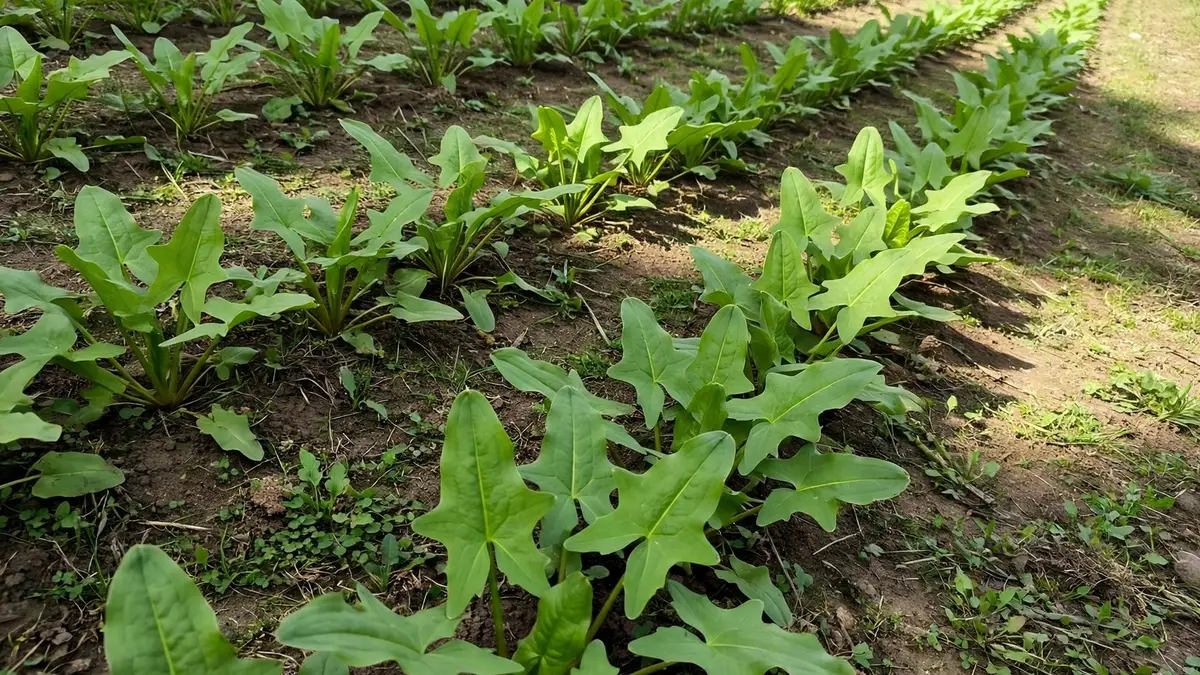
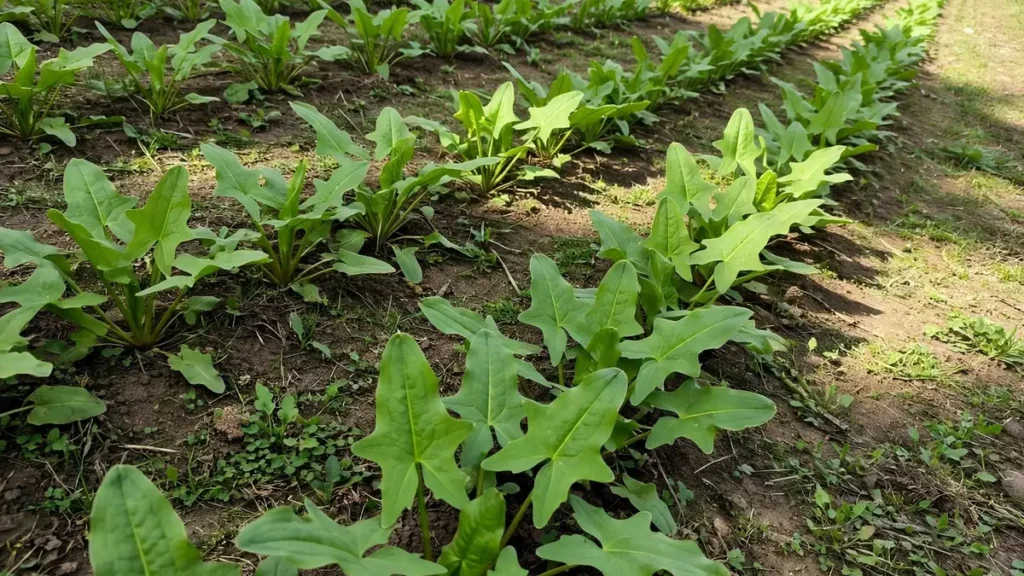
A sorrel farm retreat is a stay built around the sharpest leaf in the kitchen garden. Garden sorrel is a cool-climate perennial with bright green, arrow-shaped leaves that taste of lemon without a lemon in sight. Guests arrive while the leaves are still young and tender, pick them by hand in the damp morning, and learn to tell garden sorrel from its French cousin, which is smaller and milder, and from wood sorrel, which is a different plant altogether.
These stays are small and working: a family farm with a handful of guest rooms, a kitchen that turns the morning’s picking into soup by lunch, and a host who knows which bed was cut yesterday and which is ready for the shears today.
Below are nine sorrel farm retreats for 2027, from County Clare at $65 to $95 a night to Orkney at $345 to $380. Every one of them is a farm that happens to take guests, not a hotel with a sorrel patch by the terrace.
Key takeaways
- Sorrel farm retreats are working stays built around picking, cooking, and preserving a lemony leaf.
- Garden sorrel is sharp and lemony, French sorrel is smaller and milder, and wood sorrel is a different plant.
- Pick sorrel young, before the flower stalks rise, when the leaves are tender and the tang is bright.
- Sorrel loves cool, damp ground and bolts in summer heat, so the picking season is short and early.
- Sorrel is rich in oxalates, so anyone with kidney stones should eat it sparingly and ask the farm first.
What a sorrel farm retreat actually is
A sorrel farm retreat is a working market garden that takes a small number of paying guests for a few nights. The farm grows sorrel as a crop, not as a garnish, and the stay follows the picking calendar. Mornings are spent in the beds with baskets and shears, midday is spent at the stove turning the leaves into soup, and evenings are spent at a table where the herb seasons salmon, eggs, and potatoes.
What sets sorrel apart from the dry-country herbs is how much water it wants. Oregano and thyme thrive on neglect and thin soil. Sorrel wants rich, damp ground, a little shade, and regular rain, and a plant that dries out makes leaves that are tough and bitter. A good sorrel farm is a green, wet place, with beds that stay soft underfoot after rain.
The stays are modest: a farmhouse room with a window over the beds, a kitchen that smells of lemon and butter, and a host who can tell garden sorrel from French sorrel by the shape of one leaf.
How we picked these stays, and what to ask first
We picked farms that grow sorrel as a real crop, take small groups, and put the picking and the cooking at the centre. Every farm below grows a culinary sorrel at field scale, offers a guided picking session, and cooks at least one meal a day with its own leaf.
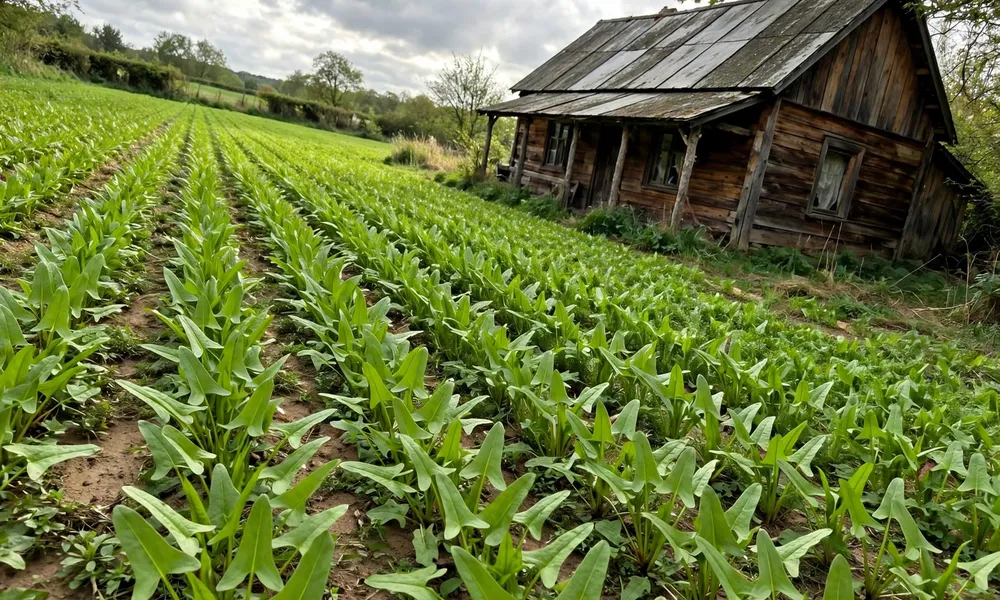
Before you book, ask three questions. First, which sorrel grows in the beds, garden or French, and when is its picking week. Second, how many guests stay at once: a small party can pick together, but a crowd cannot. Third, what is included: some farms include every meal and the cooking lesson, while others charge for the soup class on top.
Also ask about the kitchen. Sorrel itself has no gluten, but a farm kitchen bakes bread in the same room and serves dumplings and tarts most nights. If gluten troubles you, mention it in your first message, not at the farmhouse door. The parsley farm retreats we have covered work on the same pattern.
The 9 best luxury sorrel farm retreats of 2027
County Clare, Ireland — Sorrel on the Limestone Coast
On the limestone coast of County Clare, where the Burren meets the Atlantic, a small farm grows garden sorrel in damp beds sheltered by stone walls, where the rain keeps the leaves soft and the tang bright.
What we like: The sharpest sorrel on this list, from wet Atlantic ground that suits the plant perfectly. What to consider: The rain is frequent and the rooms are simple, with no air conditioning. Best for: A first sorrel trip close to the herb’s cool-climate home. Style: Stone rooms on a walled market garden by the sea. Price range: $65 to $95 a night. Standout feature: Garden sorrel cut on the Burren coast, where the rain never stops.
Snowdonia, Wales — Sorrel in the Mountain Valleys
In the green valleys of Snowdonia, beneath the highest peaks in Wales, a family farm grows garden sorrel in beds watered by mountain streams, where the cool air keeps the leaves tender well into summer.
What we like: Cool mountain sorrel with a clean lemon tang, plus a kitchen that cooks the Welsh table properly. What to consider: The valleys are steep, the weather changes fast, and the farm is a drive from the coast. Best for: Travellers who want herbs, mountains, and a quiet valley in one trip. Style: Slate farmhouse rooms in a stream-watered valley. Price range: $100 to $130 a night. Standout feature: Sorrel watered by mountain streams, picked before the flower stalks rise.
Dumfries and Galloway, Scotland — Sorrel on the Solway Shore
On the Solway shore of Dumfries and Galloway, where the tide runs out over wide sands, a farm grows garden sorrel in sheltered beds behind the dunes, where the mild sea air keeps the plants growing late into the year.
What we like: A long sorrel season from mild sea air, with a kitchen that pairs the leaf with Solway fish. What to consider: The shore is windy, the farm is quiet at night, and the nearest town is a drive away. Best for: Travellers who want a long, gentle first trip with the sea nearby. Style: Whitewashed farmhouse rooms behind the dunes. Price range: $135 to $165 a night. Standout feature: Sorrel with a sea-air edge, cooked with fish from the Solway.
West Flanders, Belgium — Sorrel in the Low Fields
In the flat, damp fields of West Flanders, among the canals and the market gardens, a farm grows garden sorrel in rich soil that never dries out, where the leaves stay broad and tender through the spring.
What we like: Broad, tender leaves from the wettest soil on this list, with a kitchen that cooks the Flemish table well. What to consider: The land is flat and the farm is a working place, not a scenic one. Best for: Travellers who want the herb itself, without the mountain views. Style: Brick farmhouse rooms among the canals and market gardens. Price range: $170 to $200 a night. Standout feature: Sorrel from the low, wet fields of Flanders, cut young and cooked the same day.
Ticino, Switzerland — Sorrel on the Sunny Side of the Alps
In the southern valleys of Ticino, where the Alps meet the Italian lakes, a farm grows French sorrel in terraced beds above a stone village, where the warm sun is softened by mountain air and the leaves stay mild.
What we like: The mildest sorrel on this list, French sorrel grown where Italy meets Switzerland. What to consider: The terraces are steep, the village is small, and the farm is a long journey from the coast. Best for: Travellers who want the gentler French leaf and a sunny valley. Style: Stone village rooms on terraced beds above the lake road. Price range: $205 to $235 a night. Standout feature: French sorrel with a soft, lemony tang, grown on sunny Alpine terraces.
Cantabria, Spain — Sorrel Above the Bay of Biscay
On the green coast of Cantabria, where the mountains drop to the Bay of Biscay, a farm grows garden sorrel in beds watered by Atlantic rain, where the cool summers keep the leaves tender long after the south has bolted.
What we like: Cool Atlantic sorrel with a bright tang, plus a kitchen that cooks the Cantabrian table properly. What to consider: The rain is frequent, the coast is rugged, and the farm is a drive from Santander. Best for: Travellers who want herbs, green hills, and a northern Spanish table in one trip. Style: Stone farmhouse rooms on a hillside above the bay. Price range: $240 to $270 a night. Standout feature: Sorrel that stays tender through the summer, thanks to Atlantic rain. The chives farm retreats we covered are built the same way.
Azores, Portugal — Sorrel in the Crater Lake Gardens
On the green volcanic islands of the Azores, above the crater lakes and the tea fields, a farm grows garden sorrel in beds of rich black soil, where the mild ocean climate lets the herb grow almost all year.
What we like: The longest sorrel season on this list, with a volcanic soil that keeps the leaves lush. What to consider: The islands are a flight from the mainland, the weather changes fast, and the farm is small. Best for: A late-season herb trip when the mainland has gone quiet. Style: Whitewashed farmhouse rooms above the crater lakes. Price range: $275 to $305 a night. Standout feature: Sorrel that grows nearly all year on volcanic Atlantic soil.
County Donegal, Ireland — Sorrel on the Wild Coast
On the wild Atlantic coast of County Donegal, where the wind sweeps in from the ocean, a farm grows garden sorrel in walled beds behind the dunes, where the shelter keeps the leaves soft and the tang sharp.
What we like: Wild-coast sorrel with a sharp lemon bite, plus a farmhouse kitchen that cooks the Donegal table well. What to consider: The coast is exposed, the wind is strong, and the farm is a long drive from Dublin. Best for: Travellers who want a remote herb trip with the Atlantic at their feet. Style: Stone farmhouse rooms in walled beds behind the dunes. Price range: $310 to $340 a night. Standout feature: Sorrel cut from walled beds on Ireland’s wildest coast.
Orkney, Scotland — Sorrel on the Northern Isles
On the northern isles of Orkney, where the summer light lasts past ten at night, a farm grows garden sorrel in beds sheltered by dry-stone walls, where the long days and cool air keep the leaves tender through the short season.
What we like: The most northerly sorrel on this list, grown under a sky that barely darkens in June. What to consider: The season is short, the islands are a ferry from the mainland, and the wind never stops. Best for: A once-in-a-lifetime herb trip at the edge of the map. Style: Stone croft rooms in walled beds on the northern isles. Price range: $345 to $380 a night. Standout feature: Sorrel grown under Orkney’s long summer light, cut before the flower stalks rise.
Which sorrel region fits your trip
First-timers should start in County Clare or Snowdonia. Clare gives you the classic garden sorrel, sharp and lemony, on wet Atlantic ground where the plant is happiest. Snowdonia adds mountain streams and a cool valley that keeps the leaves tender into summer. Both pick in late spring and into the first weeks of summer.
If you already know garden sorrel and want to learn something new, go to Ticino or West Flanders. Ticino teaches the milder French sorrel, with smaller, shield-shaped leaves and a softer tang. West Flanders teaches sorrel as a market-garden crop, grown broad and tender in soil that never dries. The lemongrass farm retreats we covered are built the same way.
If you want sun, sea, and a change of scene, pick the Azores or Cantabria. The Azores farm pairs an almost year-round herb with volcanic soil and crater lakes, and the Cantabria farm pairs a long, cool season with the green north of Spain. Both cost more, yet both give you a holiday nobody else can repeat. For a quiet late-summer week close to home, Dumfries and Galloway or Orkney are good choices.
The caveats that matter
Sorrel is a cool-weather herb, and that shapes everything about these stays. A hot spell can send the plants into flower in days, and once the flower stalks rise the leaves turn tough and bitter. A dry spring can do the same. A farm that offered June may call in May to shift it. Good farms shift your dates for free, so travel on a ticket you can move and treat the picking date as a window, not a fixed promise.
| Detail | What is known |
|---|---|
| Best flavour window | Spring, when the leaves are young and tender and the flower stalks have not risen |
| What flowering does | Leaves turn tough and bitter as the plant puts its energy into seed |
| Garden vs French sorrel | Garden is larger and sharper; French is smaller, milder, and shield-shaped |
| Wood sorrel | A different plant with clover-like leaves, not the sorrel these farms grow |
| Soil and water | Rich, damp soil and partial shade make the tenderest leaves; dry soil makes them bitter |
| Gluten in farm kitchens | Sorrel is gluten-free, but farm kitchens bake bread and tarts in shared spaces |
| Group size | Picking works in small groups; ask how many guests stay at once |
| What it does not do | It does not replace a cooking course, and it will not settle next year’s dates |
If you have kidney stones, or a doctor has told you to limit oxalates, tell the farm before you book. Sorrel is rich in oxalic acid, and the farms handle the picking, the cooking, and the tasting in close quarters, with sorrel soup on the table most days. A short message ahead of time lets the host shape the meals around your needs.
Checklist: booking a sorrel farm stay honestly
Use these checks before you book, and again the week before you travel.
- Check the variety: which sorrel does the farm pick in your week, garden or French.
- Check the picking dates: ask for the whole harvest window, never a single fixed day.
- Check the group: a small party keeps the picking session worthwhile.
- Check what the price covers: meals, lessons, and market trips, or extras to pay.
- Check the kitchen: raise gluten-free needs or an oxalate limit before you hand over money.
- Check the weather plan: ask what happens if heat, drought, or a storm hits the picking week.
Frequently asked questions
How is garden sorrel different from French sorrel?
They are close cousins, but garden sorrel is Rumex acetosa, a larger plant with arrow-shaped leaves and a sharp lemon tang. French sorrel is Rumex scutatus, a smaller plant with shield-shaped leaves and a milder, softer flavour. Wood sorrel is Oxalis acetosella, a different plant with clover-like leaves.
When is sorrel picked on the farms?
When the leaves are young and tender, usually a window of a few weeks in spring and early summer. The dates move with heat and drought, so farms confirm a few days ahead.
Do guests get to pick sorrel themselves?
Yes, on every farm in this list. Guests pick with shears or pinch by hand, and the farm shows you how to take a leaf while keeping the plant healthy. A clean cut above the crown lets it grow back again.
Which sorrel region is best for a first trip?
County Clare, for the classic garden sorrel and the wet Atlantic climate, or Snowdonia, for a gentler introduction with mountain streams nearby. Both pick in late spring and early summer; either makes a good short first trip.
Can you taste sorrel straight from the bed?
Yes, if the farm says the beds are unsprayed and the leaves are clean. Most of these farms grow without sprays, but ask before you taste, and chew a small leaf first: the lemon tang is sharper than the cooked soup suggests.
Is a sorrel farm stay workable if you eat gluten-free?
Usually yes, provided the farm knows before you arrive. Sorrel itself is gluten-free, and most farms can set aside a clean board and a separate pot. A tiny kitchen cannot guarantee no cross-contact, so ask directly before paying.
The bottom line
The best sorrel farm retreat in 2027 matches your dates and your cooking. County Clare is the classic, Orkney the adventure, and the Azores the long season, but any of the nine will give you sorrel picked in the morning and soup on the table by lunch.
Book the window the farm offers, never one fixed date. Tell the farm what you eat and what you avoid before you pack. Pick before the flower stalks rise, and carry home the dried leaf and the soup recipe rather than fresh leaves, which will wilt before you land.