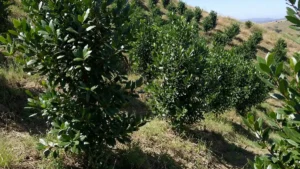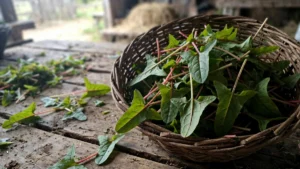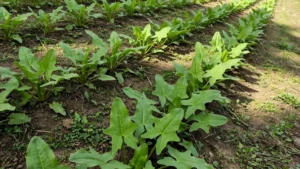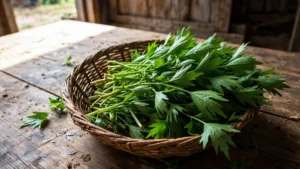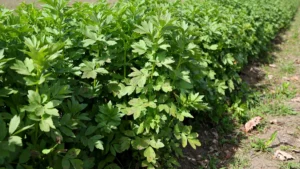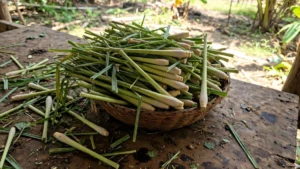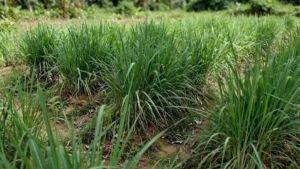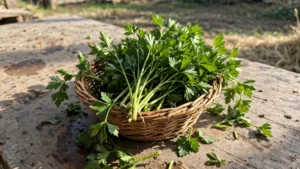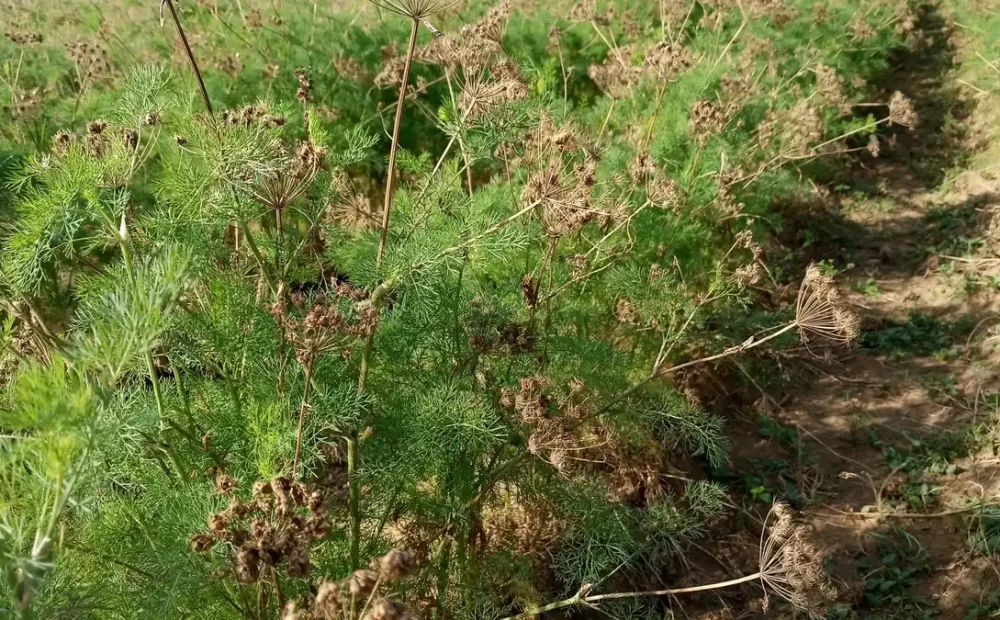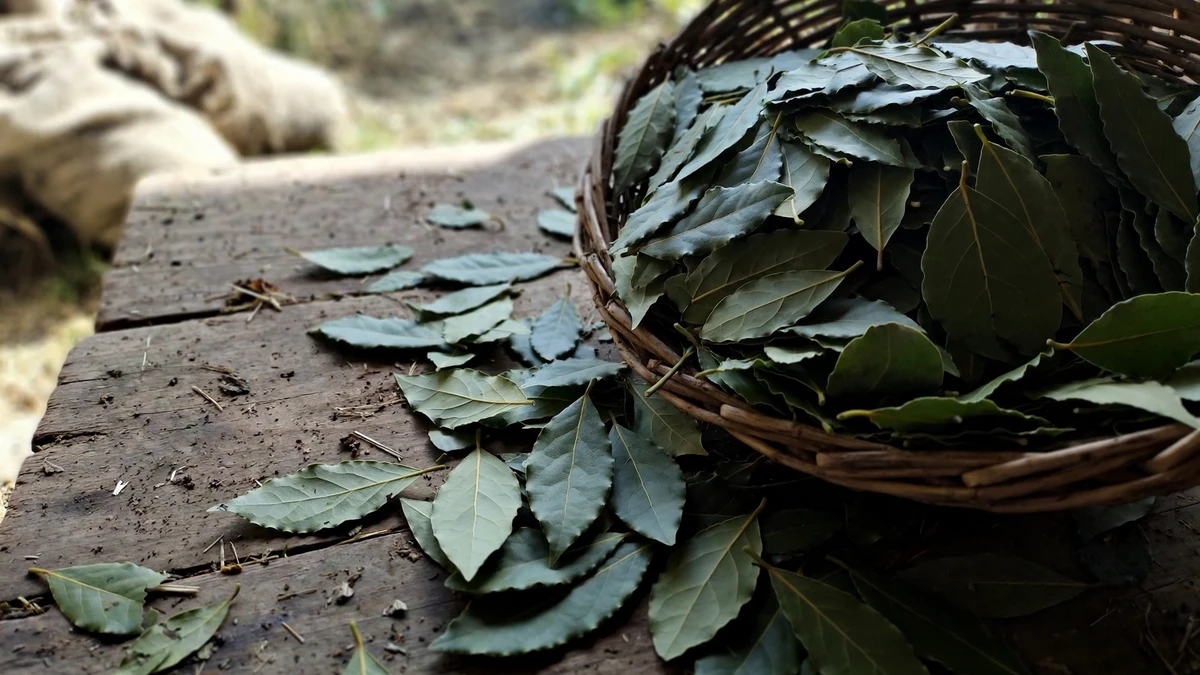

A bay leaf farm escape is a slow holiday built around a tree. The laurel groves are old, the leaves are picked by hand, and the days run on the rhythm of the picking crew, the drying barn, and the kitchen. You are not there to watch a show. You are there while a working grove does its year’s most important job, and the leaf you help pick in the morning is in the soup by evening.
Planning one is mostly a matter of timing. The grove names its picking week about a month ahead, and everything else, the room, the travel, the days off work, hangs off that week. Book the flights first and you may arrive to find the leaves already dried and bagged, with nothing left to pick. Wait for the grove, and the trip falls into place around the harvest.
Below are the nine steps that make a bay leaf farm escape work, from choosing the right grove to bringing the dried leaves home. Each step is written so you can follow it in order, and so you know what to ask before you pay for anything. The nine steps cover the grove, the picking, the drying, the kitchen, and the journey home.
Key takeaways
- Bay laurel is the culinary leaf, and California bay is a different, far stronger plant, so confirm the variety before you book.
- Hold every booking until the grove names its picking week, because the season moves with the weather.
- Bay leaves are picked from the top shoots and dried in the shade, never in the sun.
- Fresh leaves are bitter and harsh, so taste the dried leaf in a pot before you buy a bag to take home.
- Bay leaf is naturally gluten-free, but farm kitchens bake bread daily, so check how the kitchen handles flour.
What a bay leaf farm escape involves
A bay leaf farm escape is three to five nights on a working laurel grove while the picking is on, with a bed on the farm and food from the farm kitchen. Mornings belong to the picking crew, out among the trees while the air is still cool, and afternoons belong to the drying barn, where the leaves are spread on racks to dry. Evenings are for the table, where the leaf turns up in the soup, the stew, and the stock that the region is proud of.
The groves that do this well take only a handful of guests at a time, usually eight or fewer, because a picking crew cannot work with a crowd underfoot. You sleep in a farmhouse bedroom or a converted barn, share a long table with the family, and take the middle of the day slowly, when the heat makes the leaves droop and the shade is the only place to be. Bring a book for those slow hours, and a notebook for the drying times and picking notes the farmer shares, because the numbers matter when you dry leaves at home.
How to plan it, and what to ask first
Look first for groves that grow bay laurel as a proper crop, selling leaves to markets and kitchens, rather than keeping one tree by the door for decoration. A stay worth booking picks its own leaves, dries them in its own barn, and puts them in the cooking every day. Then make sure the grove takes guests while the picking is on, that the trees stand on the farm itself, and that the kitchen can feed strangers well. A place that falls short on any of those three is not worth the journey, however glossy its trees look in a photograph.
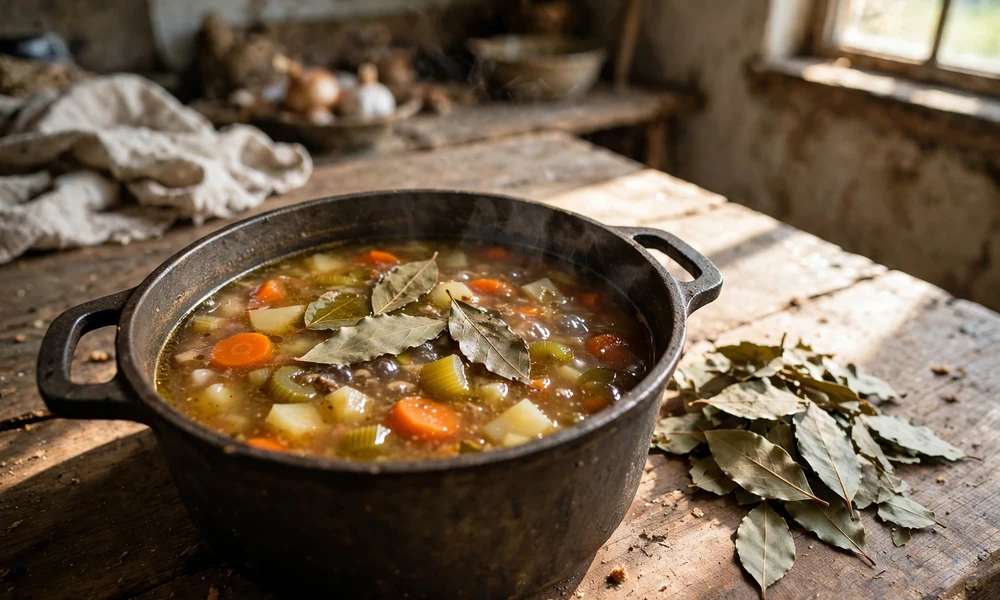
Three questions settle it before you pay. First, does the grove grow bay laurel or California bay, since only one goes into a stockpot at the usual strength? Second, which week does the grove pick, and when do the drying racks fill? Third, how does the kitchen deal with flour and bread, if you eat gluten-free, since a kitchen that bakes each morning needs a straight answer? Our guide to the olive grove escape asks the same three questions, and they serve just as well here.
The 9 steps to plan a bay leaf farm escape
Pin down the bay variety before you look at rooms or dates
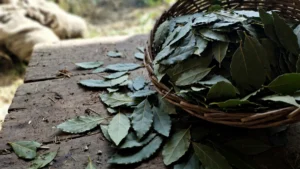
What to do: Confirm the grove grows bay laurel, the culinary leaf, and ask to see the trees, because the leaf is broad and glossy, while the lookalikes are narrow and dull. What to avoid: Booking a grove that cannot tell you which bay it grows, and arriving to find a tree that does not belong in a pot. Best for: Travellers who pick by the cooking, not by the price tag. Time needed: An evening spent with the grove’s planting notes and kitchen menus. Standout tip: A grove that shows you its trees knows its bay better than one that buys its leaves in.
Let the grove fix its picking dates before you spend a penny
What to do: Hold off until the grove fixes its picking dates, usually a month ahead, and only then arrange flights, trains, and ferries around them. What to avoid: Grabbing a cheap flight first and finding the grove picks a fortnight later. Best for: Travellers who would rather move a flight than miss the picking. Time needed: A week of messages with the grove while the dates firm up. Standout tip: Ask the grove to hold the room until the picking week is settled, and most will.
Take the new growth at the branch ends, nothing lower
What to do: Learn the grove’s cut before you go out: snip the top shoots above a leaf joint, and the tree throws out side shoots that keep it full. What to avoid: Stripping a branch bare, or cutting low into the old wood, which ends the tree’s season in one stroke. Best for: Travellers who want to work in the grove instead of watching from the fence. Time needed: Ten minutes beside the farmer on your first morning out. Standout tip: A shoot snipped early gives three pickings, while one cut low gives only one.
Spread the leaves on racks in cool shade to dry
What to do: Ask to see the drying barn, and watch the leaves spread on racks in cool shade, because slow drying keeps the scent in. What to avoid: Drying leaves in direct sun, which bleaches them pale and takes the flavour out. Best for: Travellers who want to understand the leaf, not just pick it. Time needed: A single afternoon in the barn, watching the racks fill. Standout tip: A leaf dried in shade stays green and supple, while one dried in sun turns grey and brittle.
Let the soup decide whether the leaves are worth the money
What to do: Ask for the grove’s dried leaf in the evening soup, and taste how it sits in the pot, because the soup is where a grove’s bay proves itself. What to avoid: Buying a bag of leaves before you have tasted them, and finding they are flat and scentless. Best for: Travellers who judge a grove by what comes out of its kitchen. Time needed: One slow evening meal, eaten without rushing. Standout tip: The soup made with leaves dried that week will tell you more than any label.
Watch the cook drop the leaf in and fish it out again
What to do: Ask the cook to show you the leaf going into the stockpot, and watch when it comes out again, because bay leaf is fished out before serving and never eaten. What to avoid: Leaving a leaf in the pot until it breaks apart, which makes the soup bitter and gritty. Best for: Travellers who want to cook with bay leaf properly when they get home. Time needed: Half an hour in the kitchen before supper. Standout tip: One leaf is enough for a pot, and two is already too many.
Meet the poisonous lookalikes before you pick a single leaf
What to do: Ask the farmer to show you oleander and cherry laurel, the two lookalikes that must never go into a pot, and learn the leaves by sight before you pick anything. What to avoid: Picking a leaf from a tree you have not been shown, because the poisonous ones grow beside the bay in many groves. Best for: Travellers who take the grove’s safety talk seriously. Time needed: Fifteen minutes with the farmer on your first morning. Standout tip: A farmer who shows you the dangerous leaves first is one you can trust.
Keep the leaves whole, and fish them out before serving
What to do: Keep the leaves whole in the pot, and count them in and count them out, because a bay leaf does not soften and is a choking hazard if it is eaten. What to avoid: Crushing the leaves into the soup, or forgetting one in the pot and serving it to a guest. Best for: Travellers who cook for others and want to do it safely. Time needed: A minute at the end of cooking, every time. Standout tip: Tie the leaves in a small bundle if the pot is large, so none of them hides.
Take the grove’s dried leaves with you when you go
What to do: Buy dried leaves from the grove’s own barn, and pack them in a paper bag, because dried bay keeps for months and fresh sprigs wilt in a day. What to avoid: Carrying fresh sprigs home in a plastic bag, where they sweat, blacken, and lose their scent. Best for: Travellers who want the trip to keep going after they get home. Time needed: Ten minutes in the barn shop on your last morning. Standout tip: A bag of the grove’s own dried leaves will outlast every photograph you took.
Picking the right season and region
If the classic Mediterranean leaf is what you are after, Mersin, Hatay, or Ioannina are the places to go, where the sprigs are picked for the kitchen the same morning. If you would rather eat bay leaf as an everyday kitchen herb than meet it only in soup, Lisbon and Paphos are the better fit, where the leaf is used fresh at every meal. If the holiday matters as much as the farm, Fethiye and Big Sur are the stays to pick, with the sea and the redwoods close at hand.
Lisbon is the easiest first trip. The grove is a short ride from the city, the picking week runs long, and the kitchen uses bay leaf daily, so you will taste it at every meal. Our guide to the fig grove escape reasons the same way for first-timers, and the logic holds here too: choose the farm that cooks with its crop every day, and the rest of the trip takes care of itself.
The caveats that matter
Bay leaf is at the mercy of the weather more than most crops. A hot spell can strip the trees of their leaves early, and a cold snap can damage the young shoots, so a grove can lose its picking week within days. Rain while picking is on can mark the leaves, and a dry spring can hold the whole season back by a fortnight. A good grove will ring you the day the dates change. Choose a stay that lets you move the week without losing the deposit, and trust the grove’s own forecast over the national one.
| Detail | What is known |
|---|---|
| Bay laurel | The culinary leaf, from an evergreen tree, shade-dried before it is used |
| California bay | A different and much stronger plant, best used at half strength, or skipped |
| Best picking time | Late summer, off the top shoots, when the oils run strongest |
| What makes it bitter | Fresh leaves taste harsh, so they are dried before they reach a pot |
| Who should check first | Anyone eating gluten-free, since farm kitchens bake bread every day |
| What to avoid | A fixed week with no way to move it if the season shifts |
| How it travels | Dried leaves last for months, so carry a bag home instead of fresh sprigs |
| What it does not do | It never softens while cooking, so it has to come out before serving |
Bay leaf is also easily mistaken for oleander, a poisonous shrub with narrow evergreen leaves much like it, and for cherry laurel, which has no place in cooking at all. A grove that grows bay will teach you the differences leaf by leaf, and the lesson matters, because the two must never be confused. Our guide to the walnut farm escape gives the same warning about lookalike plants, and the point is the same: believe the farmer’s eye, not the photograph.
Checklist: before you book a bay leaf farm escape
Work through these checks before you pay, and again the week before you travel.
- Check the variety: ask which bay the grove grows, and how it tells the culinary leaf from the rest.
- Check the picking week: ask which week the grove picks, and when the drying racks fill.
- Check the kitchen: ask if bay leaf goes into the cooking daily, or only when guests ask for it.
- Check the room: confirm you sleep on the farm, not in a town an hour’s drive away.
- Check the shift: confirm a late season still lets you move dates and keep the deposit.
- Check the bag: carry a cool bag for cuttings, and leave space for the dried leaves you will buy.
Frequently asked questions
Is a bay leaf farm trip workable if you eat gluten-free?
Yes, if you warn the farm when you book. The leaf itself carries no gluten, and the soups, stews, and grilled fish are fine. The trouble is the morning bake, so ask the farm to keep bread and pastry clear of your food.
How far ahead should I book a bay leaf farm stay?
About three months ahead, and sooner for the small groves that take only eight guests. The grove names its picking week a month before it happens, so book the room early and hold the travel until the dates are fixed.
What goes in the bag for bay leaf country?
Secateurs or a sharp knife, gloves, a sun hat, a warm layer for the evenings, and a paper bag for the dried leaves you bring home. Leave the plastic bags behind, because fresh sprigs sweat and blacken in them.
Do bay leaf groves welcome children?
Yes, on most of these groves, if the children are old enough to follow the farmer’s lead. The picking is gentle work, but the oleander warning must be understood, so the farmer will want the children to stay close and pick only the trees pointed out.
What is worth bringing home from a bay leaf grove?
Dried bay leaves from the grove’s own barn, in a paper bag, and a small bottle of bay-infused olive oil if the farm makes it. Fresh sprigs are not worth carrying, because they wilt in a day and lose their scent.
How much does a week on a bay leaf farm run to?
From about $65 a night for the simplest farmhouse room to about $380 a night for the full stay with meals, picking, and the drying barn. Travel is the other cost, and the island and coast stays need a ferry or a flight on top of the room.
The bottom line
A bay leaf farm escape fits travellers who like their dinner to come from the grove they are standing in, and who are glad to let the farm decide the day. The leaf is unassuming, the season runs long, and the finest stays pick it, dry it, and cook with it as a matter of course.
Choose the region by whether the grove, the drying barn, or the kitchen draws you most, ask which bay the grove grows before you pay, and leave the fresh sprigs where they are. The dried leaves in your bag will outlast the trip itself.