A walnut farm escape is planned around the trees, and the trees do not keep hotel hours. The green walnuts decide the June dates, the splitting husks decide the autumn ones, and the best trips bend around both.
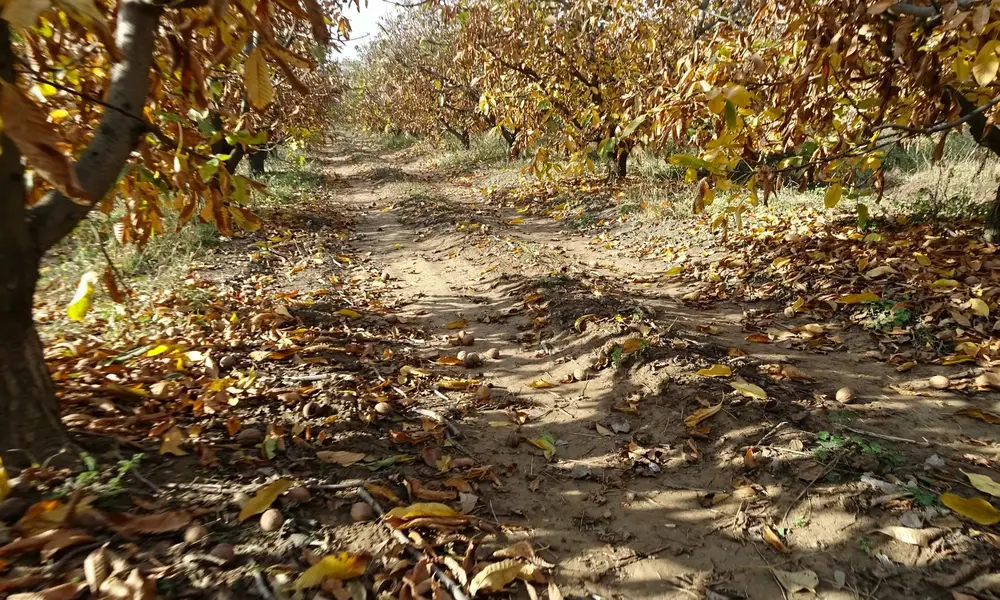
The reason is the nut itself. A walnut flowers in April and May, when the bare branches carry catkins and small upright flowers, and it ripens in September and October, when the green husks split, the shells darken, and the nuts drop to the orchard floor to be gathered by hand. That split is the whole point of the escape: green walnuts in the early summer, gathering in the damp autumn, and a kitchen that turns the morning’s nuts into oil and cake.
This guide walks through the nine choices that shape the trip, from learning the varieties to bringing a sack of nuts home in one piece.
Key takeaways
- Book the farm first and the dates second, because the best walnut farms are small, fill fast, and only harvest for a few weeks a year.
- Named varieties are the point of the trip, and a farm that grows Chandler, Franquette, Hartley, or a local landrace by name will feed you far better than one that grows mixed nuts.
- Start your days in the orchard, while the crews are out and the grass is still wet, and let the farm’s hours shape the rest.
- Stay on the farm or close by, and bring a car, because the lanes are slow and buses rarely reach the trees.
- The harvest is wet work and the green husks stain everything they touch, so this is not a trip for everyone, and anyone with a nut allergy should check with the farm first.
What a walnut farm escape actually is
A walnut farm escape is a short stay arranged around a working orchard. Your bed is in a farmhouse, a lodge, or a guesthouse at the edge of the trees, and each day takes its shape from the orchard: a green walnut walk in June or a gathering morning in October, a look at the drying loft, a tasting of the varieties, and supper cooked with walnuts.
The nut is what sets the stay apart. A walnut is not picked from a branch; it falls to the ground when its husk splits, dries in the sun, and is gathered by hand or machine, and once it leaves the tree it never gets any better.
Before you book: what to decide first
Begin by deciding what you want to learn. A large growing region such as the Fen River valley shows you the walnut trade at scale, with big drying yards and terraced orchards. A small-farm region such as Pelion or the Codru Hills shows you old varieties kept alive by family growers.
Dates come next, and think in green walnut weeks and harvest weeks, not months. Green walnuts usually come in June and harvest in September and October, and the farm’s busiest days are the ones when the husks are splitting or the nuts are on the ground. The almond farm escape guide makes the same case in a different orchard, that a farm stay is best while the farm is busy, so our guide to planning an almond farm escape is worth a read for the same timing logic with a different crop.
9 steps to planning a walnut farm escape
Learn the walnut year, from spring flowers to the autumn drop
What to do: Learn the walnut year before you book, because the orchard has two seasons and they feel nothing alike. In April and May the trees are bare branches and catkins, and in October they are split husks and fallen nuts. Pick green walnuts for liqueur or harvest for work, and book the farm that fits the season you want. What to avoid: Do not book a farm in July and expect either season, since the green walnuts have hardened and the harvest is months away, and the orchard is at its quietest. Best For: First-time visitors choosing between the two seasons. Time Needed: Half an hour of reading. Standout Tip: Ask the farm when the husks usually split, and book the days around that week.
Sort the walnuts by name: Chandler, Franquette, and the rest
What to do: Learn the main varieties before you travel, because they taste nothing alike. A Chandler is large and round, a Franquette is sweet and thin-shelled, a Hartley is long and crisp, and a local landrace can taste of the valley it grew in. Ask every farm which varieties it grows, and pick a region for the one you want to taste. What to avoid: Do not judge all walnuts by the bag at home, because a fresh walnut eaten in the orchard tastes nothing like a stale one from a jar. Best For: Food lovers and home cooks. Time Needed: One tasting at the farm. Standout Tip: Take a small bag of each variety from the farm shop, and taste them side by side at home.
Watch the husks split, because that is when the nuts are ready
What to do: Understand the split before you go, because it is the walnut’s own signal. The green husk cracks open as the nut ripens, the shell darkens inside, and the nut loosens from the husk, then falls to the orchard floor within days. What to avoid: Do not pull a walnut from the tree while its husk is still green and shut, because an unripe walnut is bitter and hard, and a tree stripped by hand would take days. Best For: Anyone who wants to see the harvest happen. Time Needed: One email to the farm. Standout Tip: Watch one row from split to gathering, because the whole harvest happens in under a week.
See the drying loft where the harvest is graded
What to do: Ask the farm about its drying loft, because the harvest is only half the work. The nuts dry in the sun, then a machine strips the husks and grades the nuts by size, and the loft is busiest in the days after the gathering. What to avoid: Do not turn up on a quiet week expecting the full harvest, since on a non-harvest day the loft may be shut and the orchard empty. Best For: Anyone who wants the orchard at full tilt. Time Needed: One email to the farm. Standout Tip: Stay for the grading, because the nuts you saw gathered in the morning are boxed by the afternoon.
Time your visit for the oil pressing days
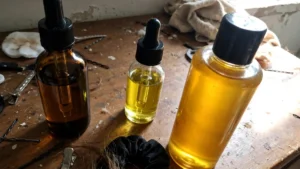
What to do: Ask the farm when it presses oil, because the press is the walnut’s second harvest. The nuts are cracked, warmed, and pressed in small batches, and the oil that comes out is green-gold and nutty, best tasted warm from the press. What to avoid: Do not buy oil from a shop and judge the farm by it, because fresh-pressed walnut oil tastes nothing like a bottle that has sat on a shelf for a year. Best For: Food lovers and home cooks. Time Needed: One afternoon at the press. Standout Tip: Taste the oil warm from the press, then taste it again on bread, and the difference becomes obvious.
Book the nocino night, when green walnuts become liqueur
What to do: If you visit in June, ask the farm about its nocino night, because the green walnuts are picked before their shells harden, quartered, and steeped in spirit with spices, and the liqueur that comes out is dark, bitter, and sweet at once. What to avoid: Do not pick green walnuts without asking, because the unripe nuts are the farm’s liqueur crop, and a tree stripped in June has nothing left for October. Best For: Travellers who want the walnut’s full story. Time Needed: One evening in June. Standout Tip: Taste last year’s nocino beside this year’s green walnuts, and the year of waiting makes sense.
Take walnuts home in the shell, packed dry for the journey
What to do: Buy a sack of walnuts in the shell from the farm shop or the farm gate, and ask how to keep them dry on the way home. Keep them cool and dry, still in the shell, and crack them as you need them. What to avoid: Do not stash a whole sack in a damp car, since walnuts turn stale fast in humidity, and check the border rules before you travel, because some countries restrict nuts. Best For: Travellers heading home to cook with what they bought. Time Needed: Ten minutes poking around the farm shop. Standout Tip: Ask the host which variety keeps best in the shell, since some last for months and some do not.
Pair the farm with a market morning, and buy walnuts where the locals buy them
What to do: If you visit a walnut region, pair the farm with a market morning in the nearest town, because the stalls sell the same nuts the farm grows, with the sellers happy to talk about the year’s crop. What to avoid: Do not treat the farm and the market as separate trips, because the nut and the town are the same story, and a day that links them is worth more than two days apart. Best For: Travellers who want the walnut’s full story. Time Needed: Half a day at the market. Standout Tip: Buy a small bag from a market stall, then buy the same variety at the farm, and taste them side by side.
Bring boots and gloves, and leave pale clothes at home
What to do: Dress for a damp orchard: sturdy boots with grip, gloves for the staining husks, long sleeves, a waterproof jacket, and sunscreen, with water and a camera in a small bag. What to avoid: Take dark clothes you can wash, since harvest mud and husk stains get into everything, and leave anything pale or precious at home. Best For: Anyone walking the orchard. Time Needed: An evening of packing. Standout Tip: Rinse your boots and gloves before you go inside, because a harvest morning leaves stains on everything.
The walnut year, from spring flowers to the autumn drop
The walnut year does not fall on one day. A tree flowers in April, sets nuts in spring, and gives its crop in September and October.
The farm runs on a weekly rhythm too, and it is worth timing your visit to it. Gathering, drying, and pressing happen on different days, and the press is at its busiest when the graders are sorting the morning’s nuts. A visit that catches the press at full tilt shows you the whole operation at once, while a quiet day shows you only the trees. The kiwi farm escape guide on this site makes the same point, that a farm’s busy days and its quiet days feel like two different trips, in a different orchard, so read our guide to planning a kiwi farm escape for the same timing logic with a different crop.
The caveats that matter
A walnut farm escape carries little risk, and the troubles are practical ones. Orchard lanes run uneven and muddy, irrigation channels cross the rows, and rain is frequent between the trees, so mind your footing, drink water, and keep food covered, since fallen nuts bring wasps in late summer.
| Detail | What is known |
|---|---|
| Best time to go | June for green walnuts and nocino, September to October for harvest in the north and March to April in Chile, with the husks splitting over two to three weeks |
| How long to stay | Two or three nights, with one full morning among the trees and a day to see the area |
| Getting there | A car is the usual way in, and the farm lanes narrow near the end, so arrive before dark |
| What to wear | Sturdy boots with grip, gloves for the husks, a waterproof jacket, long sleeves, and clothes that can take orchard mud |
| Who should check first | Anyone carrying a tree nut allergy, since walnut is one of the most common nut allergies |
| Health and hygiene | Wash your hands after handling husks, rinse off the orchard mud, and do not bring nuts from another orchard |
| Money and booking | Book with the farm direct, confirm meals and harvest sessions in writing, and expect a deposit at small stays |
| What it does not offer | Dawn starts, farm cooking, and quiet evenings, rather than late nights, a spa, or a cocktail bar |
Checklist: planning a walnut farm escape honestly
Go through these checks before you book, and again the week before you travel.
- Pick your season first: green walnuts and harvest feel like two different trips, so choose one before you book.
- Dates: pin down the green walnut weeks or the harvest weeks in writing, since both move with the weather and neither lasts long.
- Sleep close: book a room on the farm or a few minutes away, since the lanes are slow and the crews are out before sunrise.
- Included extras: ask whether meals, the orchard tour, and the oil pressing sessions come with the room, and get that answer before you pay.
- Weather: hope for a dry spell and still pack for mud, since a walnut harvest can turn wet in a single afternoon.
- Allergy check: tell the farm about any nut allergy at booking, ask what the kitchen cooks with, and bring your medication.
Frequently asked questions
How many nights should a walnut farm escape last?
Plan two or three nights, with a full morning among the trees and a day to see the area. One night is too short, because the orchard’s best hours are the early ones, and a longer stay only pays off if you want to see both the green walnuts and the harvest, which are months apart.
Is public transport enough to reach a walnut farm?
Most walnut farms sit at the end of a slow lane, and buses rarely reach the trees, so a car is almost essential. A few farms near towns run a shuttle from the nearest station, so ask when you book, and arrive while it is still light, since orchard lanes are hard to find after dark.
What makes a walnut drop from the tree?
Walnuts ripen in their husks and drop when they are ready, because the husk splits open as the nut dries, and the farm gathers them from the orchard floor rather than picking them from the branch. A nut still on the tree is usually not ripe, so the ground is where the harvest happens.
Does rain ruin a walnut harvest week?
Rain slows the gathering, because wet nuts cannot be swept up and dried, so the crews wait for the orchard floor to dry before they start. An early rain usually means a quieter visit, with the press behind schedule and the crews watching the sky, so keep a spare day in your plan.
Is walnut oil worth buying at the farm?
Yes, if it is pressed on the farm. Fresh walnut oil is green-gold and nutty, and it keeps for a few months in a cool, dark place. Ask when it was pressed, buy a small bottle first, and keep it away from heat, since walnut oil turns bitter fast once it oxidises. Our guide to planning a banana farm escape draws the same line around buying at the farm, since the crop is what pays the farm.
What clothes work best in a walnut orchard?
Sturdy boots with deep grip, gloves for the staining husks, and dark clothes you can wash, because the autumn rain turns the ground to mud and the green husks stain skin and fabric. Leave smooth soles and pale trainers at home, because harvest mud gets into everything, and keep a clean pair of shoes for the trip home.
The bottom line
The honest walnut farm escape for 2027 is the one where the trees are worked by hand, the varieties are named, and the host can show you the green walnuts and the harvest in the same conversation. Pick the season that fits what you want to learn, and let the farm set the pace of the day.
Spend two or three nights, walk the rows at first light, try the varieties the farm grows, and take a sack home with the host’s drying advice. That is how a walnut farm escape is meant to be enjoyed.