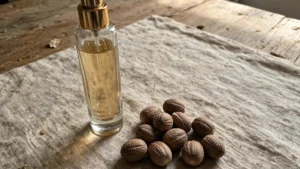
A walnut farm retreat is a stay inside a working orchard where the crop hangs in green husks through the summer, splits open in the autumn, and drops to the grass to be gathered by hand. The trees are tall and old, the ground is littered with husks and shells, the drying loft smells of fresh nuts, and the kitchen presses the morning’s crop into oil while the bread is still warm. You arrive expecting a quiet orchard walk and you leave knowing why the walnut has the longest year of any orchard crop, flowering in spring, swelling all summer, and only giving up its nuts when the husks crack open in October.
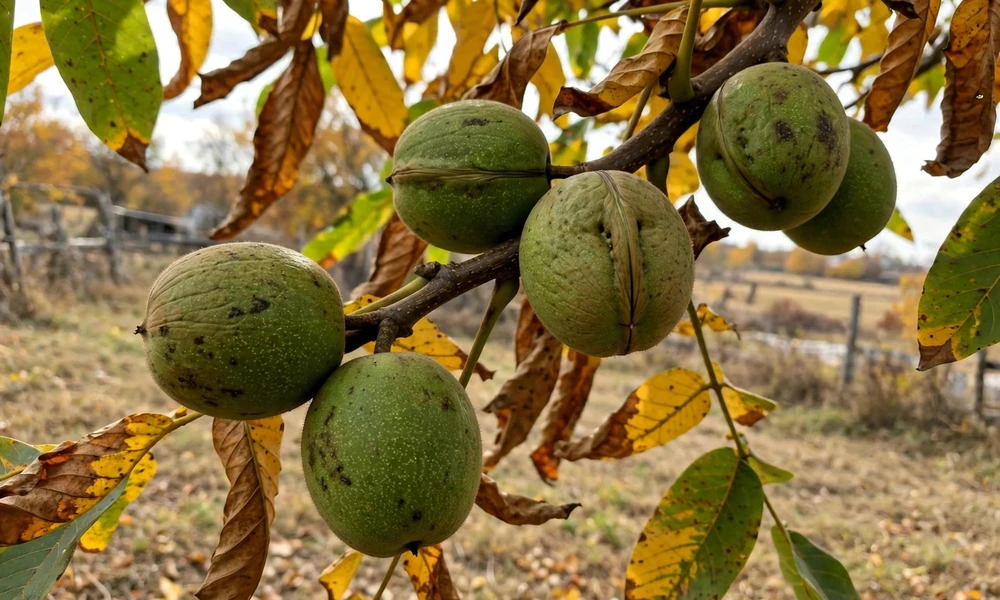
Walnuts do not behave like other fruit. They flower in April and May, when the bare branches carry dangling catkins and small upright flowers, and the nuts ripen five months later, in September and October, when the green husks split, the shells darken, and the nuts fall to the orchard floor to be gathered before the rain gets to them.
Below are nine walnut farm regions worth considering in 2027, from the Grenoble hills of France to the Sorrento coast, the Pelion villages of Greece, the valleys of Chile and China, and the old walnut country of Iran, Turkey, Moldova, and Ukraine.
Key takeaways
- A walnut farm retreat is a stay on or beside a working orchard, with orchard walks, a harvest gathered from the ground, walnut oil pressed on the farm, and meals built around the nut, from green walnut liqueur to walnut cake.
- The walnut year has one peak, the autumn harvest in September and October, when the green husks split and the nuts fall, so plan around those weeks, since the dates shift a little with the weather every year.
- China grows most of the world’s walnuts, while France’s Grenoble grows the most prized, the Noix de Grenoble, and the best farms grow named varieties rather than mixed nuts.
- Stay on the farm or a short drive away, because orchard lanes are slow and the harvest starts early, when the air is cool and the grass is still wet.
- Walnuts are tree nuts, so anyone with a nut allergy should check with the farm before booking, and the green husks stain hands and clothes, so the orchards are not for everyone.
What a walnut farm retreat actually is
A walnut farm retreat keeps the walnut at the heart of the stay. The farm grows named varieties for eating, pressing, and grinding into paste, and part of its land has become guest rooms, a small lodge, or a restored farmhouse. The orchard sets the rhythm of each day, and the meals, walks, and tastings follow the work in the trees.
The tree surprises most visitors. A walnut grows as a tall, spreading tree with a broad canopy, so the orchard is a park of wide shade and fallen husks, and in autumn the same trees drop nuts that must be gathered quickly, before the rain darkens the shells and the squirrels carry them off.
How we chose these retreats and what to look for
We chose regions rather than hotels, because what makes a walnut farm stay good is the farming, and the rooms come second. Every region below grows walnuts on a serious scale, opens its working orchards to visitors, and puts a bed minutes from the trees.
Start with the varieties. One commercial variety can still make a farm worth visiting, but several, such as a thin-shelled Chandler, a sweet Franquette, a large Hartley, and a small local landrace, make for a far better tasting. The best luxury almond farm retreats run on the same idea, that a farm stay is only worth the trip when the farm itself is worth watching.
Then comes the practical side. Orchard floors are wet in autumn, the slopes can be steep, and the harvest starts early, before the rain builds. A good retreat gives you boots, gloves, a basket, and a guide who sets the pace.
The 9 best luxury walnut farm retreats of 2027
Grenoble and the Noix de Grenoble, France
What we like: Grenoble, in the hills of south-eastern France, grows the Noix de Grenoble, the first walnut in France to carry its own protected name, with orchards along the Isère valley where the Franquette and Parisienne varieties are gathered in October and pressed into oil the same week. What to consider: The harvest is in October, the farms are small and family-run, and the best stays book out early for the harvest weeks. Best For: Travellers who want the most famous walnut in France, with walnut oil mills, mountain walks, and the city of Grenoble a short drive away. Style: Farm guesthouses and small auberges among the walnut trees. Price Range: About $175 to $365 a night. Standout Feature: Tasting Noix de Grenoble walnuts beside the oil mills of the Isère valley, with the Alps rising behind the orchards.
Sorrento and the Amalfi Walnuts, Italy
What we like: Sorrento, on the cliffs above the Bay of Naples, grows walnuts in terraced groves between the lemon trees, and the green nuts are picked in June for nocino, the dark walnut liqueur the region has made for centuries. What to consider: The terraces are steep, the best farms are small and Italian-speaking, and the nocino season comes months before the autumn harvest. Best For: Travellers who want Italian walnut country, with nocino makers, lemon groves, and the Amalfi Coast close by. Style: Farm guesthouses and small agriturismi on the Sorrento hills. Price Range: About $190 to $385 a night. Standout Feature: Green walnuts steeping for nocino in a Sorrento farmhouse, with the Bay of Naples in view below.
Pelion and the Walnut Villages, Greece
What we like: Pelion, the mountain peninsula of Thessaly, grows walnuts in the villages of its wooded slopes, where the nuts are gathered in October and turned into spoon sweets, walnut cake, and the syrupy preserves the region is known for. What to consider: The mountain roads are slow, the villages are small, and the harvest is short. Best For: Travellers who want Greek walnut country, with mountain villages, Aegean beaches, and old stone mansions around them. Style: Restored stone guesthouses in the mountain villages. Price Range: About $205 to $425 a night. Standout Feature: Walnut spoon sweets served in a Pelion village square, with the Aegean in the distance.
The Cachapoal Valley, Chile
What we like: The Cachapoal Valley, in central Chile, grows walnuts in wide irrigated orchards below the Andes, and the harvest runs in March and April, when the southern hemisphere is in autumn and the northern hemisphere is still in winter. What to consider: The season is in the southern autumn, the farms are large and working orchards first, and the valley needs planning to reach. Best For: Travellers who want walnuts in March, with Andean views, wine country, and the Pacific coast nearby. Style: Small lodges and farm stays beside the orchards. Price Range: About $225 to $435 a night. Standout Feature: A harvest morning in March, in the warmth of the Chilean autumn, while the northern hemisphere is mid-winter.
The Fen River Valley, Shanxi, China
What we like: The Fen River valley, in the hills of Shanxi, grows walnuts in terraced orchards that have fed northern China for centuries, and the harvest in September fills the farmyards with nuts drying in the sun. What to consider: The region is rural and far from the big cities, the best farms are small and Chinese-speaking, and the harvest is in September. Best For: Travellers who want Chinese walnut country, with old villages, temple towns, and the Yellow River close by. Style: Farm guesthouses and small courtyard stays in the valley villages. Price Range: About $145 to $360 a night. Standout Feature: Walnuts drying in the sun on a Shanxi farmyard, with the terraced hills rising behind.
Tuyserkan, Hamadan, Iran
What we like: Tuyserkan, in the mountains of Hamadan province, is the walnut heart of Iran, with orchards watered by mountain springs and a harvest in September that fills the town’s markets with fresh nuts. What to consider: The region is quiet and rural, the best farms are small and Persian-speaking, and the harvest is in late summer. Best For: Travellers who want Persian walnut country, with mountain springs, old bazaars, and the history of Hamadan nearby. Style: Farm guesthouses and small family stays in the mountain villages. Price Range: About $165 to $350 a night. Standout Feature: Fresh walnuts at a Tuyserkan market, eaten with mountain spring water and the Zagros peaks behind.
Kahramanmaraş, Turkey
What we like: Kahramanmaraş, in the hills of south-eastern Turkey, grows walnuts in orchards between the Taurus mountains and the plains, and the harvest in October is gathered by hand from the ground, with the nuts dried on the farm roof. What to consider: September and October are harvest time, the farms are small and family-run, and the best rooms go early in harvest week. Best For: Travellers who want Turkish walnut country, with mountain villages, old bazaars, and the ice cream of Maraş a short drive away. Style: Small hotels and farm guesthouses in the hill towns. Price Range: About $135 to $305 a night. Standout Feature: Walnuts drying on a farm roof in Kahramanmaraş, with the Taurus mountains in the distance.
The Codru Hills, Moldova
What we like: The Codru Hills, in the centre of Moldova, grow walnuts in rolling orchards that make the country one of Europe’s biggest walnut exporters, with the harvest in October and the nuts sold in the markets of Chișinău. What to consider: The region is quiet and rural, the best farms are small and Romanian-speaking, and the harvest is in October. Best For: Travellers who want Moldovan walnut country, with wine cellars, village feasts, and the capital a short drive away. Style: Farm guesthouses and small rural hotels in the hill villages. Price Range: About $215 to $455 a night. Standout Feature: A walnut tasting in a Codru farmhouse, with Moldovan wine and the rolling hills outside the door.
Vinnytsia and the Walnut Orchards, Ukraine
What we like: Vinnytsia, in the rolling country of central Ukraine, grows walnuts in farm orchards along the Southern Bug river, and the harvest in October fills the farmyards with nuts that are cracked, dried, and pressed into oil. What to consider: The harvest is in October, the farms are small and family-run, and the region needs planning to reach. Best For: Travellers who want Ukrainian walnut country, with river towns, old estates, and the markets of Vinnytsia close by. Style: Small cottages and farm stays at the orchard edge. Price Range: About $185 to $355 a night. Standout Feature: Walnut oil pressed in a Vinnytsia farmyard, with the Southern Bug river running past the orchard.
Matching a walnut region to the trip you want
If the kitchen matters most, pick a region where walnuts appear at breakfast, lunch, and supper, not just in the orchard.
The best luxury kiwi farm retreats make the same point in a different orchard, that the farm should sit at the centre of the trip and everything else should be a short drive.
The caveats that matter
Treat a walnut farm as a workplace before anything else, and the warnings stay practical rather than dramatic.
| Detail | What is known |
|---|---|
| Best time to go | June for green walnuts and nocino, September to October for harvest in the north and March to April in Chile, with the harvest lasting two to three weeks |
| How long to stay | Two or three nights, with one full morning among the trees and a day to see the area |
| What to wear | Sturdy boots with grip, gloves for the husks, a waterproof jacket, long sleeves, and clothes you do not mind staining |
| Who should take care | Anyone carrying a tree nut allergy should speak to the farm first, since walnut is one of the most common nut allergies |
| What not to bring | Leave nuts and cuttings from other orchards at home, because pests and disease ride on plant material |
| Money and booking | Small farms usually take bookings direct with a deposit, so confirm meals and tours in writing first |
| Getting there | A car is the usual way in, and the farm lanes twist and narrow, so allow more time than the map suggests |
| What it does not offer | This is a working farm, not a hotel with a spa, so expect dawn starts, plain rooms, and supper from the farm kitchen |
Squirrels deserve a paragraph of their own. Walnut orchards attract squirrels, because the nuts are exactly what a squirrel wants, and a working farm can lose a share of its crop to them.
Checklist: choosing a walnut farm retreat honestly
Go through these checks before you book, and again the week before you travel.
- Varieties first: ask the farm to name its walnuts, because a farm that grows Chandler, Franquette, or Hartley by name will feed you far better than one that grows mixed nuts.
- Dates first: pin down the green walnut weeks or the harvest weeks in writing, since both shift with the weather and neither lasts long.
- Sleep close: book a room on the farm or a few minutes away, because the lanes are slow and the crews are out before sunrise.
- Included extras: ask whether meals, the orchard tour, and the oil pressing sessions come with the room, and get the answer before you pay.
- Weather: hope for a dry spell and still pack for mud, since a walnut harvest can turn wet in an afternoon.
- Allergy check: warn the farm about any nut allergy when you book, ask what the kitchen cooks with, and keep your medication in your bag.
Frequently asked questions
Which countries grow the most walnuts?
China grows most of the world’s walnuts, about half of the crop, almost all of it in the northern hills around Shanxi and Hebei. The United States is second, with California’s orchards, and Iran, Turkey, and Chile follow, each with its own walnut character.
Do Franquette and Chandler walnuts taste different?
A Franquette is long, sweet, and thin-shelled, with a soft, buttery bite, and it is the walnut behind the oil mills of Grenoble. A Chandler is large and round, with a firm bite, and it is the walnut most of the world eats fresh and in baking.
When do the green husks start to split?
Walnut husks start to split in September and October in the north and March and April in Chile. The nuts fall from their husks when they are ripe, then they dry in the sun for a few days before the farm cracks and grades them.
May visitors help with the walnut gathering?
Most farms let you gather a basket of nuts from the orchard floor, and some let you help with the drying and cracking, but the machines do the real work, because a whole orchard cannot be gathered by hand. Ask first, because the nuts on the ground are the farm’s income. The best luxury banana farm retreats keep the same rule for their own fruit, since a farm’s harvest is its income.
Do squirrels really eat that much of the walnut crop?
Squirrels love walnuts, because the nuts are rich, easy to carry, and simple to bury, so an orchard in autumn is a squirrel’s pantry. Farms lose a share of every crop to them, and some farms net the trees or keep dogs in the orchard, which is why the guide may point out the squirrel damage as you walk.
Should I mention a nut allergy when I book?
Walnut is one of the most common tree nut allergies, so anyone with a nut allergy should mention it at booking, check what the kitchen cooks with, and talk to their clinician first if they are unsure. The green husks also stain skin and clothes, so gloves are worth wearing in the orchard.
The bottom line
The honest pick for 2027 is the farm where the trees are tended by hand, the varieties have names you can learn, and the host can tell you which row ripens first.
Spend two or three nights, walk the rows at first light, taste every variety the farm grows, and bring a sack home with the host’s drying tips. That is how a walnut farm retreat is meant to be enjoyed.