Planning a Sichuan pepper farm escape starts with the tingle. One husk on the tongue, and your lips buzz while the citrus flavour blooms behind it, a sensation no other spice gives. The trip is built around that moment: a few nights on a working prickly ash farm, in the weeks when the husks turn red and the yards smell of citrus and warm spice.
The escape is not a hotel break with a farm theme. You sleep in a farmhouse room, eat at one shared table, walk thorned rows at first light, and watch the harvest picked and dried for the evening meal. The farm sets the pace, and the weather sets the harvest.
These nine steps take you from the first question to the sealed tin of husks you carry home, with the kitchen, the calendar and the deposit settled in order.
Key takeaways
- Fix the harvest fortnight before the flights: the farm names a window, not a date, and the window moves with the rain.
- Learn the tingle first: Sichuan pepper numbs and buzzes rather than burns, and a farm that explains that plainly is usually honest about the rest.
- Ask the kitchen about wheat before you pay the deposit, since the pepper carries no gluten but the noodles and dumplings beside it usually do.
- Pack for thorns and sudden rain, not for a resort: closed shoes, a hat and clothes you can wash in a basin matter more than anything smart.
- Keep one spare day in the plan, because a harvest that slips by a few days should still leave a good trip.
What a Sichuan pepper farm escape involves
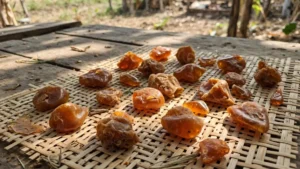
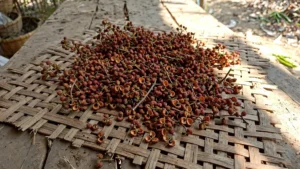
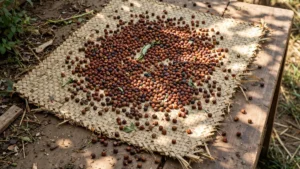
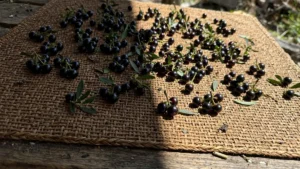
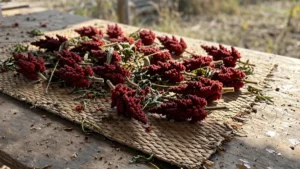
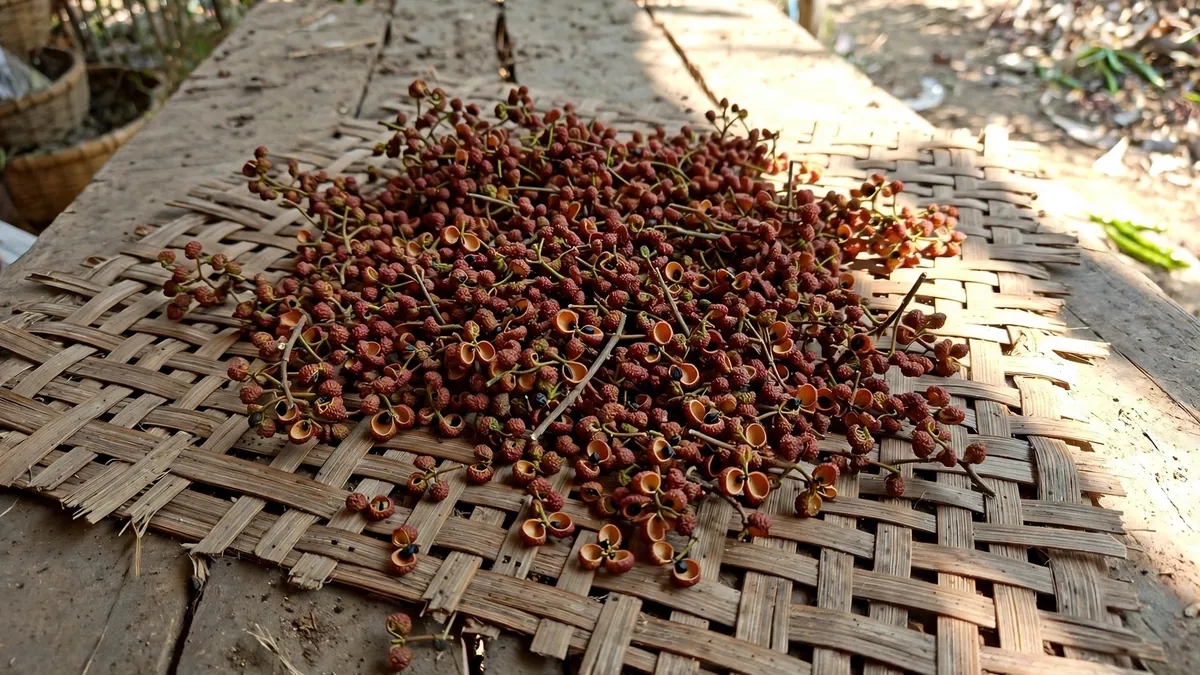
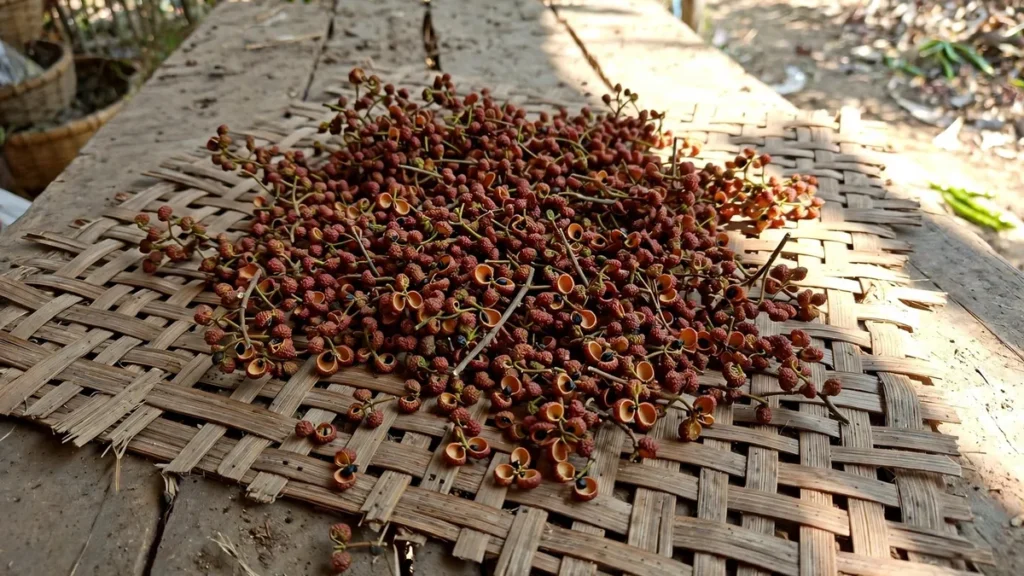
A Sichuan pepper farm escape is three to five nights on a working prickly ash farm, timed to the harvest weeks when the husks are red and full. You stay in a farmhouse room or a converted courtyard house, eat the farm kitchen’s food from its own pepper, and spend the days among the rows, watching red husks picked by hand, seeds shaken out over cloth, and husks spread on trays to dry until they turn reddish-brown.
The work is gentle but real. Mornings begin early, before the valley sun grows fierce, and the picking runs in short bursts, branch by branch, because husks on one branch ripen at different times. Afternoons are for the drying yard and the kitchen, and evenings belong to the shared table, where mapo tofu and hot pot show what the day’s pepper can do. For a stay built around the pepper that shares Sichuan’s kitchen, our guide to the black pepper farm escape covers climbing vines in the wet tropics, with green spikes picked by hand and dried until they blacken.
Nothing here runs on a hotel clock. The farm names the harvest week, the rain decides the picking day, and the best trips leave room for both.
How to plan it, and what to ask first
Begin with the farm’s inbox, not the airline’s booking page. Write to two or three farms in the region you fancy, ask for the harvest window, and ask what the nightly rate covers: dinner, the lift in from the nearest town and the walks among the prickly rows should be counted in the price, not charged on arrival.
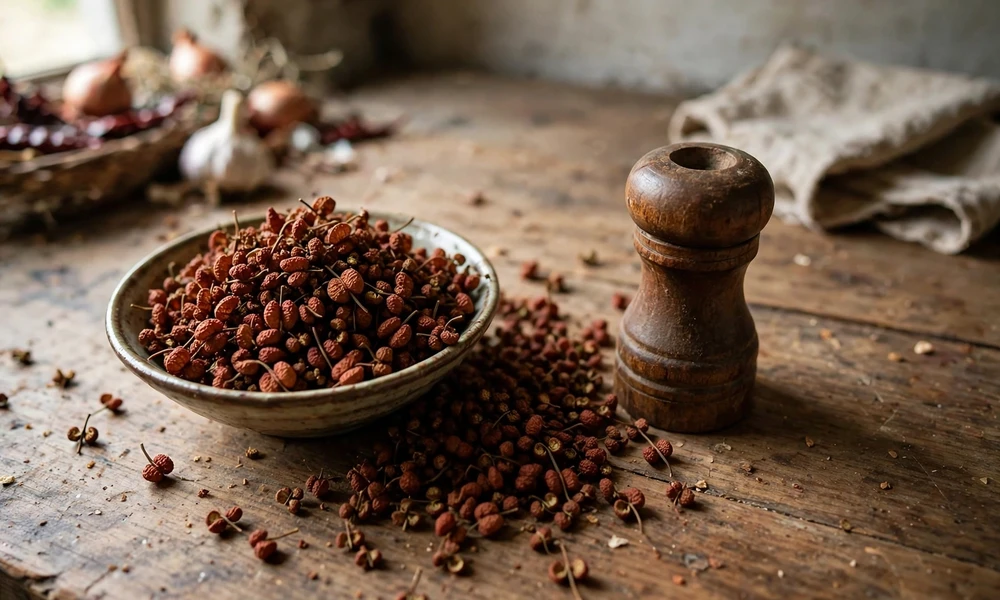
Ask about the kitchen in the same email. The pepper carries no gluten, but the noodles and dumplings beside it usually do, and a farm that answers honestly is worth trusting with the rest of the trip. If a farm will not name its harvest window, or will not say what the rate covers, move on.
The 9 steps to plan a Sichuan pepper farm escape
Buy the spice first, book the farm second
What to do: Buy a small bag of red Sichuan pepper and taste one husk on its own. Notice the citrus first, then the buzzing numbness a beat later, fading in a minute or two. That is the point of the trip, and knowing it in advance stops the first meal from surprising you.
What to avoid: Do not judge the spice by black pepper or chilli, and do not expect heat. A farm promising a burning hot pepper has never tasted its own harvest or is selling a different spice.
Best for: First-timers who have never tasted Sichuan pepper. Time needed: One evening at home. Standout tip: Chew one husk, wait for the buzz, then decide whether the trip is for you.
Do not fly until the harvest window is fixed
What to do: Write to the farm and ask for the harvest window, with a start and an end, and ask what happens if the husks are still unripe when you arrive. A farm that gives a fortnight and a backup plan knows its trees.
What to avoid: Do not book flights around a single date, and do not trust a farm promising one exact picking day months ahead. The rain moves the harvest, and a fixed date is a guess.
Best for: Travellers who can shift dates by a few days. Time needed: One week of emails. Standout tip: Get the window in writing before you spend anything on travel.
A photo of the drying yard beats a brochure
What to do: Ask the farm for a recent photograph of the drying yard, and look at the husks: red and full, spread thin on trays, with seeds shaken out and set aside. Ask how many prickly ash trees the farm grows, and whether the picking and drying happen on the farm.
What to avoid: Do not be swayed by green rows and pretty farmhouse photographs, and do not pay a deposit to a farm that buys its husks in. The leaf tells you nothing; the husk tells all.
Best for: Travellers who want a working farm, not a show farm. Time needed: Half an hour of emails. Standout tip: A photograph of the drying yard is worth more than a page of promises.
Make mapo tofu your first farm dinner
What to do: Eat the farm kitchen’s mapo tofu the night you arrive, and taste how the pepper is used: a pinch in the dish, citrus first, tingle following, heat from chillies kept separate. Ask the cook which dishes carry the pepper and which do not, so you can plan the week.
What to avoid: Do not ask the kitchen to hold the pepper from every dish, and do not fill up on the first plate. The kitchen cooks with its own harvest, and the first meal maps the week.
Best for: Travellers who eat with curiosity. Time needed: One dinner. Standout tip: The first night’s mapo tofu tells you how seriously the farm takes its pepper.
Mornings are for picking, afternoons are for shade
What to do: Rise early and walk the rows before the valley sun grows fierce, gloves on and shoes laced. Watch the pickers work branch by branch, and try a little picking yourself, learning which husks are red and full.
What to avoid: Do not walk the rows at noon, and do not reach into the branches bare-handed. The thorns are sharp, the sun is strong, and the best picking happens before the heat.
Best for: Early risers who like real work. Time needed: Two hours each morning. Standout tip: Gloves and long sleeves turn a painful morning into a pleasant one.
Ask the farm what it cooks without wheat
What to do: Tell the farm about any gluten-free need before you pay, and ask what the kitchen can cook without wheat: rice, pickles, grilled meats and peppered fish are usually safe; noodles and dumplings usually not. Ask which nights the kitchen bakes bread.
What to avoid: Do not assume the pepper makes the whole meal safe, and do not leave the question until you arrive. The pepper carries no gluten, but the table beside it is usually wheat, and a late question leaves no time.
Best for: Gluten-free travellers and anyone with a wheat sensitivity. Time needed: One email before paying. Standout tip: A farm that answers honestly about wheat is usually honest about everything else.
Long sleeves beat scratches
What to do: Pack closed walking shoes, a broad sun hat, a rain layer, and clothes you can wash in a basin. Add gloves for the picking and a tight-lidded tin for the harvest.
What to avoid: Do not pack smart clothes or open sandals, and do not bring a suitcase you cannot carry up a farm path. The rows are thorny, the paths muddy, and the rain comes without warning.
Best for: Practical packers who travel light. Time needed: One evening of packing. Standout tip: Gloves and a rain layer matter more than anything smart in the case.
Wander into town when the farm rests
What to do: Leave one day unplanned, and spend it in the nearest market town: taste the local pepper oil, buy dried husks from a stall, and eat lunch where the farmers eat. A free day turns a shifted harvest week into a good trip.
What to avoid: Do not fill every day with farm work, and do not plan the free day for the morning after arrival. The harvest may slip, the rain may come, and the spare day absorbs both.
Best for: Travellers who like a slow day. Time needed: One full day. Standout tip: The market town is where the region’s pepper story continues past the farm gate.
Keep the husks dry on the way home
What to do: Buy dried husks from the farm shop on your last day, and pack them in a sealed tin away from damp and strong smells. Label the tin with the farm and the year, and keep it in a cool cupboard at home, where the husks hold their citrus and tingle for months.
What to avoid: Do not carry fresh green husks home, and do not pack dried husks in a paper bag. Green husks spoil on the journey, and paper lets the scent escape.
Best for: Cooks who want the farm in their kitchen. Time needed: A short while on the last morning. Standout tip: A sealed tin keeps the tingle; a paper bag loses it.
Picking the right season and region
Harvest weeks run from late summer into early autumn, with the fortnight shifting by region and rain. Sichuan’s river valleys pick first, Yunnan’s plateau follows, and the Himalayan foothills pick last, so August suits the Chengdu Plain and Hanyuan, while September suits Dali, Enshi and Kaski.
First-timers should start on the Chengdu Plain, where farms are used to guests and the mapo tofu shows what the crop does best. Travellers who want the story as well as the plate should try Hanyuan, where China’s most famous red husks are picked along the Dadu River, or Kaski, where timur grows below the Annapurna range. For an escape built around another spice altogether, our guide to the cubeb pepper farm escape covers tailed berries on climbing vines in Java, with camphor and allspice instead of citrus and tingle, and the long pepper farm escape follows catkin spikes from Indian vines, with lingering heat instead of a numbing buzz.
Whatever region you choose, book the farm first and the flights second. The harvest window is the trip, and the travel dates should follow it.
The caveats that matter
The weather rules Sichuan pepper farming: a farm offers its best guess, never a promise, and a trip pinned to a single harvest day gambles on rain. The real warning is the tree itself, easy to miss when the stay is dressed as gentle countryside.
| Detail | What is known |
|---|---|
| Best time to visit | During the harvest weeks, once the husks have turned red and full, with timing that shifts by region |
| What the work involves | Strolling the thorned rows, watching red husks gathered by hand, and seeing them laid out in the sun to dry reddish-brown |
| How long a stay runs | Three to five nights, planned around the harvest weeks |
| Who should take care | Guests who react strongly to pepper, and anyone unready for fierce sun, heavy rain or thorny paths |
| What the kitchen serves | Mapo tofu and hot pot, peppered meat and fish, pickles with rice, plus bread and farm butter alongside |
| Gluten note | The pepper itself has no gluten, yet the noodles and dumplings beside it are usually wheat, so ask the kitchen what it can cook safely |
| What to pack | Sturdy closed shoes, a wide sun hat, a light rain layer, and clothes you can rinse out by hand |
| What it does not do | No fixed harvest day, no set menu, and no hotel-style service on a working farm |
Anyone with a strict gluten-free diet should ring the farm before booking. One straight answer about the kitchen can spare you a miserable stay, and a farm that gives it without hedging is usually worth the visit.
Checklist: before you book a Sichuan pepper farm escape
Work through this list before you pay, and go over it again in the week before you travel.
- Ask for the harvest window in writing, and find out what happens if the husks are still green when you arrive.
- Check that the nightly rate includes dinner, the lift from the nearest town and the walks among the prickly rows.
- Find out whether the picking and drying take place on the farm, and whether the kitchen can cook a meal without Sichuan pepper.
- Before you pay, see the room with your own eyes: turn on the taps, test the bed and try the heater, since farm rooms are basic.
- Pack for thorns and rain: sturdy shoes, gloves, a hat, a rain layer, and clothes you can wash in a basin.
- Leave a day open for the nearest market town, so a harvest week that slips still leaves a good trip.
Frequently asked questions
What sets Sichuan pepper apart from black pepper?
Sichuan pepper is the dried husk of a prickly ash tree; black pepper is the dried berry of a climbing vine. Sichuan pepper tingles and numbs with a citrus flavour, while black pepper is hot and sharp, and the two are not a straight swap.
Which weeks do Sichuan pepper farms harvest?
Sichuan pepper is harvested when the husks on a branch are full and red, with the exact fortnight moving with rain and warmth, so ask the farm for its harvest window rather than one date, and wait to book flights until it is set.
Does Sichuan pepper grow on a tree?
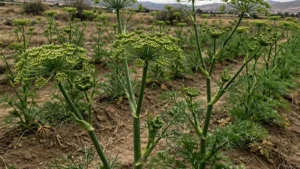
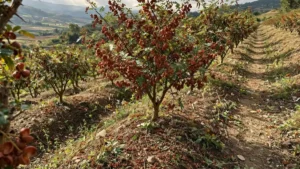
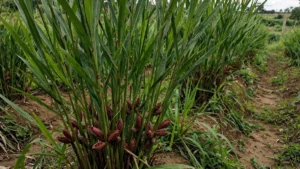
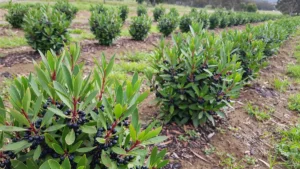
Yes, it grows on a prickly ash tree rather than a vine or a bush. Sharp thorns run along the branches, and the tree can reach several metres high, so picking is done by hand in gloves, branch by branch, while husks on one branch ripen at different times.
Can visitors take part in the picking?
Most farms welcome guests to walk the rows, try a little picking and eat at the kitchen table, and some let you shake out seeds and lay husks out to dry. Picking is slow work among thorns, so check with the farm what guests may do before you book, and expect a few scratches either way.
Which Sichuan region is best for a first trip?
The Chengdu Plain is the simplest first trip: the prickly ash rows are widest there, the farms welcome guests often, and the mapo tofu shows what the crop does best. If you want the story as well as the plate, Hanyuan is the valley where China’s most famous red husks are picked.
Is a Sichuan pepper farm stay workable without wheat?
Mostly. The fields, the picking and the harvest are worth the trip on their own, and the pepper carries no gluten, yet the noodles and dumplings beside it are usually wheat. Ask the farm what it can cook without wheat for a gluten-free guest, and fix the harvest week before the kitchen makes dumplings.
The bottom line
A Sichuan pepper farm escape suits travellers who would rather eat red husks from a farm kitchen than sit in a hotel. The husks arrive fresh and bright, the dried corns go into mapo tofu and hot pot, and the best stays feed you from land they worked.
Set the harvest week first, then the flights, and leave a spare day at the end. If the pepper is ready on time you will eat husks dried that very week, and if it is not, the valleys and old towns will still carry the trip.