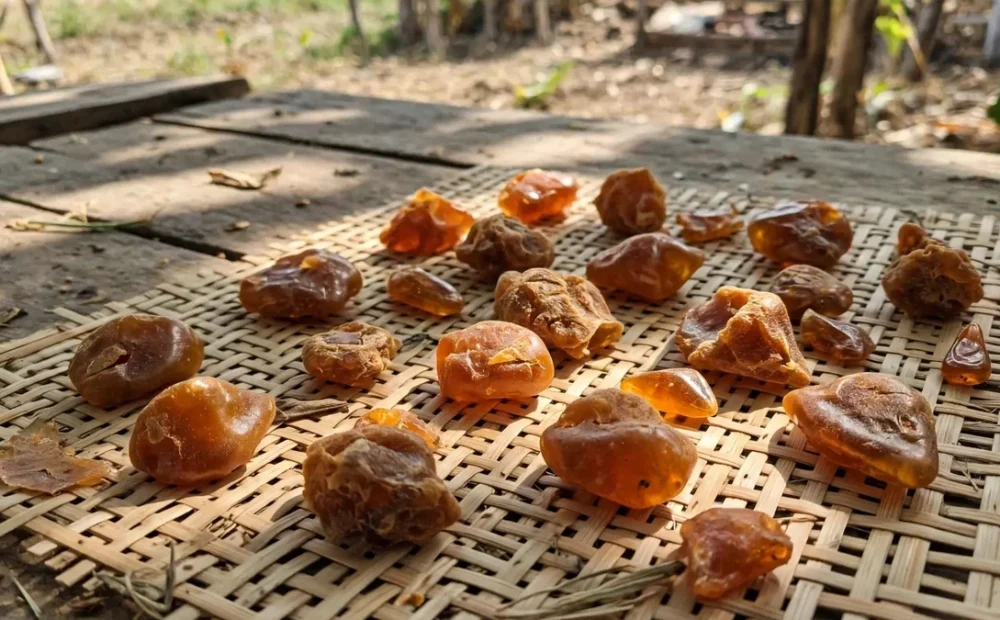
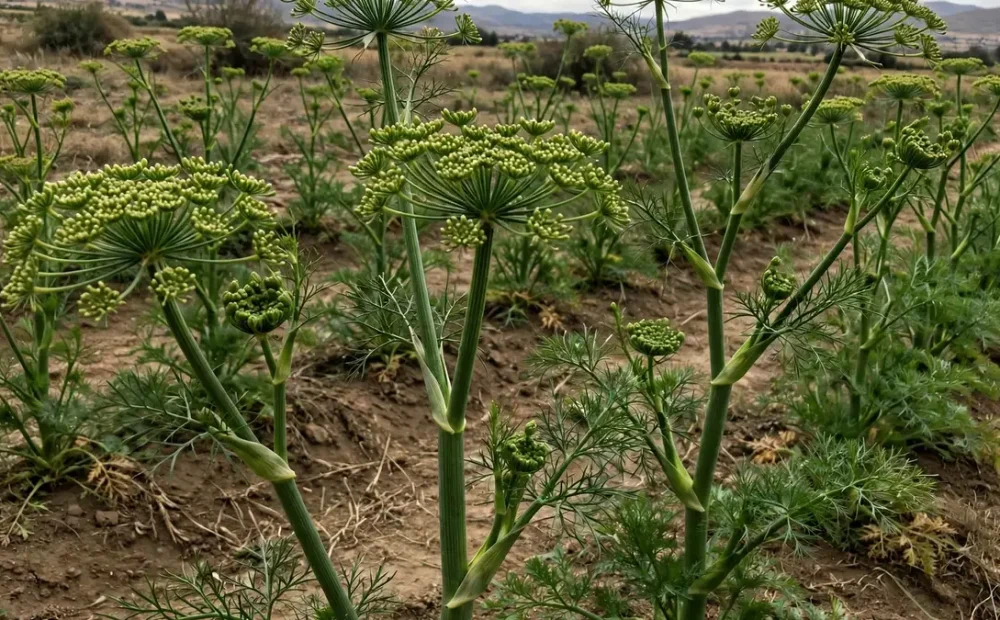
Asafoetida is the spice that smells like a warning and cooks like a promise. Raw, the resin is so pungent that one tear can scent a whole room, which is why old traders called it devil’s dung. Heated in a spoonful of ghee, it turns into something else entirely: a deep, savoury, leek-like flavour that stands in for onion and garlic in kitchens where neither is eaten. Almost nobody who cooks with it has seen where it comes from.
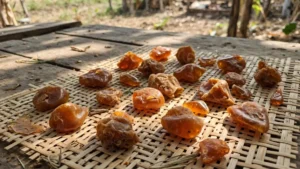
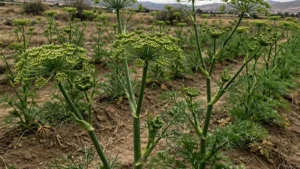
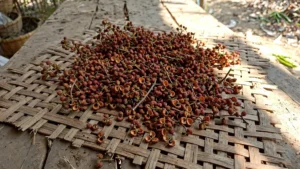
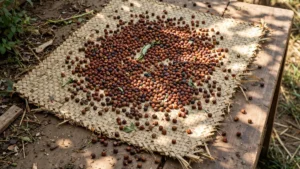
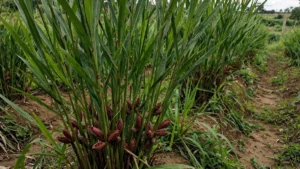
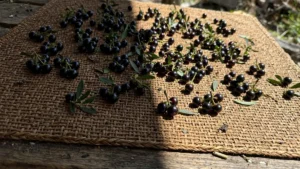
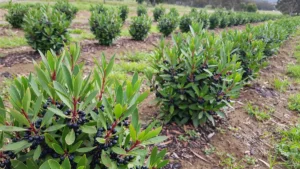
The resin comes from the taproot of Ferula assa-foetida, a giant fennel-like plant that spends four or five years growing before it is ever cut. The tapper slices the top of the root, and a milky sap oozes out, dries, and hardens into amber-brown tears. The work is slow, patient, and done by hand, and the farms that welcome guests are small places in the dry hills of Iran and Afghanistan, where the plant has grown for centuries.
Below are nine asafoetida farm stays worth considering in 2027, from the resin valleys of Khorasan to the high meadows of the Hindu Kush. Each stay below is weighed by what it does well, what it does not, and who it suits most.
Key takeaways
- Asafoetida is a resin, not a seed: the tapper cuts the taproot of a four- or five-year-old plant, and the milky sap dries into tears.
- Raw resin smells sharply of sulphur and garlic, but a pinch fried in hot ghee turns mellow, savoury, and leek-like.
- The plant flowers once and then dies, so a farm always keeps young plants in rotation behind the ones being tapped.
- Pick a stay by whether you want to watch the tapping, the drying, or the cooking, because the three happen on different days.
- Pure resin is naturally gluten-free, but much shop-bought asafoetida powder is bulked with wheat flour, so ask the farm what is in its powder before you buy.
What an asafoetida farm retreat actually is
An asafoetida farm retreat is a stay on a working resin farm in tapping season, usually three to five nights, with a room on the farm and meals from its kitchen. The days follow the root: out to the terraces in the early morning to watch the tapper make the day’s cuts, back to the yard to see the tears gathered and spread to dry, and an evening meal where a pinch of resin goes into the dal, the rice, and the vegetables. Nothing is arranged for show. The farm is growing asafoetida for the spice trade, and you are there while the work happens.
The best stays keep the group small, often no more than eight guests, because a tapping crew cannot work around a crowd, and the resin is strong enough that a large party in the drying yard is a mistake. You sleep on the farm itself, and supper is served at the family’s long table, with the farm’s own resin in almost everything.
How we picked these stays, and what to ask first
We started with farms that grow asafoetida as a real crop, sold to spice buyers and merchants, rather than a few plants beside the door for show. Each stay on the list taps its own roots, dries its own tears, and cooks with the harvest. We then checked that the farm welcomes guests in tapping season, that the rooms are on the farm, and that the kitchen can feed a table of strangers well. Any farm that missed on one of those three did not make the list, however fine its terraces look in a photograph.
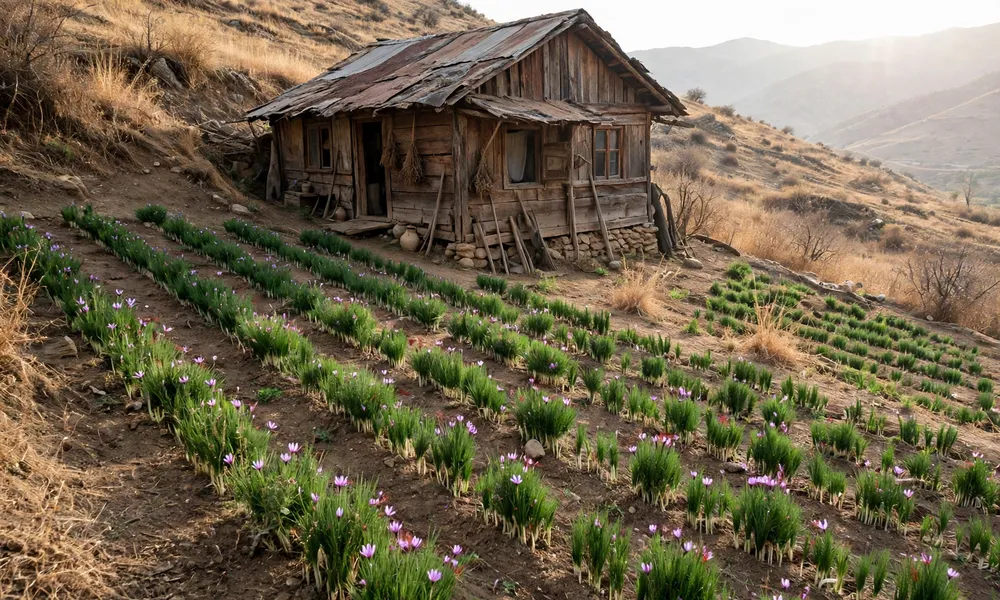
Before you book, ask three questions. First, which fortnight the farm taps the roots, because a Ferula plant is ready only in its fourth or fifth year and the tapping lasts weeks, not months. Second, whether the kitchen fries its own resin in ghee, or buys ground spice in, because a farm that cooks with its own tears will show you more. Third, how the farm deals with flour in its powder, if you eat gluten-free, because much commercial asafoetida powder is cut with wheat flour and the farm should be able to say plainly what is in its own. Our guide to the cumin farm retreats follows the same three questions, and they work just as well here.
The 9 best luxury asafoetida farm retreats of 2027
Tapping asafoetida in Khorasan, Iran
What we like: Asafoetida in Khorasan grows on the dry hills of the north-east, where the farms tap roots for the spice merchants of Mashhad and the kitchen serves lentil dal, aubergine stew, and flatbread with the farm’s own yoghurt. The tapper works the same terraces his father worked, and the tears come in large and amber.
What to consider: The hills are hot at tapping time, and the farm is a long drive from the nearest airport.
Style: North-eastern Iranian hillside farm stay. Best for: Travellers who want asafoetida where it has grown for centuries. Price range: $65–$95 per night. Standout feature: Tears tapped on the old hills and sold to the Mashhad spice trade.
Tapping asafoetida in Balkh, Afghanistan
What we like: Asafoetida around Balkh grows on the flat northern plains, where the fields lie beside the old caravan roads and the farm dries its tears for the bazaars of Mazar-i-Sharif. The kitchen serves qabili pilau, bean stew, and flatbread with the farm’s own ghee.
What to consider: The farm is small and fills fast, so check the latest travel guidance before you commit.
Style: Northern Afghan plains farm stay. Best for: Travellers who want asafoetida on the old trade routes. Price range: $100–$130 per night. Standout feature: Tears dried on the plains for the Mazar-i-Sharif bazaars.
Tapping asafoetida in Herat, Afghanistan
What we like: Asafoetida in Herat grows on the dry frontier land of the west, where the fields are watered by old canals and the farm sells its resin to the spice merchants of the old city. The kitchen serves lentil soup, pumpkin stew, and flatbread with the farm’s yoghurt.
What to consider: The farm sits far from the main roads, so sort the lift ahead of time and check the latest travel guidance before you commit.
Style: Western Afghan frontier resin farm stay. Best for: Travellers who want asafoetida from the old spice roads. Price range: $135–$165 per night. Standout feature: Resin sold to the spice merchants of the old city.
Tapping asafoetida in Badakhshan, Afghanistan
What we like: Asafoetida in Badakhshan grows in the high valleys of the Hindu Kush, where the soil is thin, the nights are cold, and the farm cuts its roots for the spice traders of Faizabad. The kitchen serves barley soup, dried apricots, and flatbread with the farm’s own butter.
What to consider: The mountain road is rough at tapping time, and the farm is remote, so book the tapping fortnight as soon as the farm names it.
Style: High Hindu Kush valley farm stay. Best for: Travellers who want asafoetida from the highest valleys. Price range: $170–$200 per night. Standout feature: Roots cut in the high valleys for the Faizabad spice trade.
Tapping asafoetida in Kashmir, India
What we like: Asafoetida in Kashmir grows in the dry meadows above the valley, where the farms tap roots for the spice shops of Srinagar and the kitchen serves rajma, lotus-root curry, and rice with the farm’s own ghee. The valley’s cooks prize the resin, and use it in almost every vegetarian dish.
What to consider: The meadows are a steep climb from the road, and the farm’s English is limited, so learn a few Kashmiri words first.
Style: Kashmiri high-meadow farm stay. Best for: Travellers who want asafoetida where it flavours the valley’s cooking. Price range: $205–$235 per night. Standout feature: Resin tapped above the valley for the Srinagar spice shops.
Tapping asafoetida in the Kopet Dag, Turkmenistan
What we like: Asafoetida in the Kopet Dag grows on the rocky slopes of the border range, where the days are hot, the nights are cool, and the farm sells its tears to the spice merchants of Ashgabat. The kitchen serves plov, bean soup, and flatbread with the farm’s own pickles.
What to consider: The farm is far from the nearest city, and the mountain wind carries dust at tapping time, so pack a scarf and glasses.
Style: Turkmen border-range farm stay. Best for: Travellers who want asafoetida from wild rocky slopes. Price range: $240–$270 per night. Standout feature: Tears gathered on the border range for the Ashgabat spice trade.
Tapping asafoetida in Surxondaryo, Uzbekistan
What we like: Asafoetida in Surxondaryo grows in the warm southern valleys, where the farm waters its fields by canal and the resin comes in large and soft. The kitchen serves plov, shurpa, and flatbread with the farm’s own cheese.
What to consider: The season is brief, and the farm is far from any town, so travel early in the day and carry water on every walk.
Style: Uzbek southern-valley farm stay. Best for: Travellers who want asafoetida from warm river valleys. Price range: $275–$305 per night. Standout feature: Large soft tears grown on canal water in the south.
Tapping asafoetida in Khatlon, Tajikistan
What we like: Asafoetida in Khatlon grows on the wide southern plain, where the farm cuts its roots for the spice shops of Dushanbe. The kitchen serves qurutob, bean stew, and flatbread with the farm’s own yoghurt.
What to consider: The plain wind is strong at tapping time, and the farm sits far from the railway, so arrange the lift in advance.
Style: Tajik southern-plain farm stay. Best for: Travellers who want asafoetida on the road to Dushanbe. Price range: $310–$340 per night. Standout feature: Roots cut on the plain for the Dushanbe spice shops.
Tapping asafoetida in Himachal Pradesh, India
What we like: Asafoetida in Himachal Pradesh grows on steep terraced hillsides high above the river valleys, and the resin comes in dark and strong. The kitchen serves lentil soup, red kidney beans, and rice with the farm’s own ghee.
What to consider: The terraces are steep and the sun is strong, so bring a hat and check the current travel guidance before you book.
Style: Himalayan terraced-hillside farm stay. Best for: Travellers who want asafoetida with a view over the valleys. Price range: $345–$380 per night. Standout feature: Dark, strong resin grown on terraces above the rivers.
Which asafoetida region fits your trip
If you want the resin at its most traditional, go to Khorasan or Balkh, where asafoetida goes straight to the merchants of the old cities. If you want the wildest setting, choose Badakhshan, where the roots grow high in the Hindu Kush. If you want the biggest flavours, Kashmir is the farm to pick, where the resin ends up in the vegetarian dishes of the valley.
For a first trip, Khorasan is the simplest choice: the farm is used to guests, the tapping fortnight is generous, and the kitchen cooks with asafoetida at every meal. Our guide to the fenugreek farm retreats makes the same point for first-timers: choose the farm that cooks with its crop daily, and the rest falls into place.
The caveats that matter
Asafoetida answers to the weather more than most crops, because the tapper cuts the root in the heat and the sap needs sun to dry into tears. Rain in the tapping fortnight can wash the sap away before it hardens, and a cold snap can slow the flow. One storm can cost a farm its tapping fortnight, and a dry spring can push the season back. A good farm will call you the moment the dates move. Book a stay that lets you shift the fortnight without losing your deposit, and trust the farm’s own reading of the sky over the national forecast.
| Detail | What is known |
|---|---|
| Asafoetida resin | The dried sap from the taproot of Ferula assa-foetida, amber-brown and tear-shaped |
| The plant’s life | A perennial that grows four or five years, is tapped, then flowers once and dies |
| Best tapping time | Late spring into summer, when the root is full and the sun is strong |
| Raw versus cooked | Raw resin smells sharply of sulphur; fried in ghee it turns mellow and leek-like |
| Resin grades | Tears are the purest form, then mass, then powder, which is often bulked with flour |
| Who should check first | Anyone with a celery-family allergy, and anyone who eats gluten-free |
| What to avoid | Booking after the tapping fortnight, when the terraces are already quiet |
| How it travels | Whole dried tears in a sealed glass jar, never loose powder, which loses its scent fast |
Asafoetida is also easy to mix up with its cousins in the Ferula family, and with the cheap powders sold in the markets, which are often mostly wheat flour. In a jar they look much the same, yet pure tears are hard, amber, and smell sharply of sulphur until they hit hot ghee, while a flour-cut powder is pale, soft, and smells faintly of nothing at all. A farm that grows asafoetida will show you the difference at the drying tray, because the two cook in very different ways. Our guide to the coriander farm retreats carries the same warning about lookalike crops: the farmer’s eye beats the photograph.
Checklist: booking an asafoetida farm stay honestly
Run through these checks before you pay, and once more in the week before you travel.
- Check the fortnight: ask the farm which fortnight it taps the roots, and which fortnight it dries the tears.
- Check the drying: ask whether the tears dry in the sun on the farm, or go straight to a shed.
- Check the pan: ask whether the kitchen fries its own resin in ghee, or buys ground spice in.
- Check the flour: ask how the farm keeps wheat flour out of its powder, if you eat gluten-free.
- Check the bed: make sure you sleep on the farm itself, not in a guesthouse an hour’s drive away.
- Check the move: make sure the fortnight can shift without losing your deposit if the season runs late.
Frequently asked questions
Why does asafoetida smell so strong raw?
The resin is rich in sulphur compounds, which is what gives it that sharp garlic-onion smell. The smell softens the moment the resin hits hot ghee, because the heat breaks the harshest compounds down and leaves a savoury, leek-like flavour. That is why the resin is always fried first, never eaten raw.
When do the farms tap their asafoetida?
Most farms tap the roots in late spring or early summer, once the plant is four or five years old and the root is full of sap. The dates can shift with wet or hot weather. Drying follows after the sap hardens into tears, usually a few days later.
Is asafoetida the same plant as fennel?
No. The two plants are cousins in the same family, and both grow tall with feathery leaves, but asafoetida is Ferula assa-foetida, a much bigger plant tapped for resin, while fennel is grown for its seed and bulb. The two cook very differently.
May guests watch the tapping in the terraces themselves?
Yes, on most of these farms, as long as you ask the evening before. The work is delicate, cutting the root and collecting the sap, and the tapper sets the pace, so guests watch close by and gather the tears. Wear gloves if your skin reacts easily, and touch only the roots the tapper shows you.
Where is the simplest asafoetida farm for a first trip?
Khorasan, for the easiest journey and the most generous tapping fortnight. The farm fries with asafoetida daily, and the kitchen is used to guests.
Can you eat well gluten-free on an asafoetida farm?
Yes, if you tell the farm when you book. Pure asafoetida resin is naturally gluten-free, and the rice and lentils are usually safe. The danger is the flatbread baked each morning, and any powder the farm buys in, so ask how the farm keeps flour away from your plate.
The bottom line
An asafoetida farm retreat suits travellers who like their food to come from the root beside them, and who are happy to let the farm set the day. The resin is plain, the season is brief, and the best stays are the ones that tap it, dry it, and cook with it without any fuss.
Pick the region by whether you want the old spice roads, the high valleys, or the valley kitchens, and take whole tears home, not ground spice. The tears you bring home will keep the trip alive longer than any photograph.