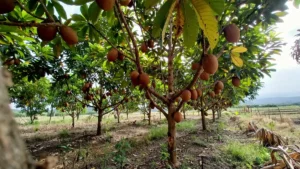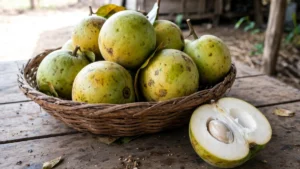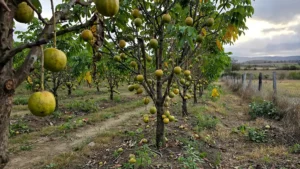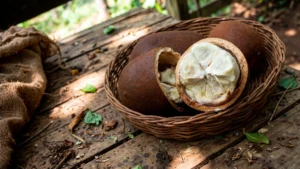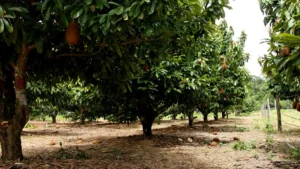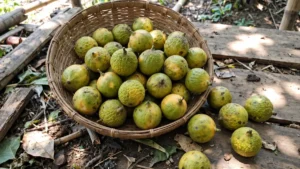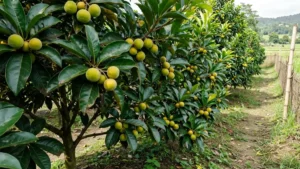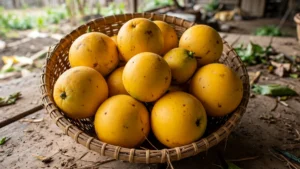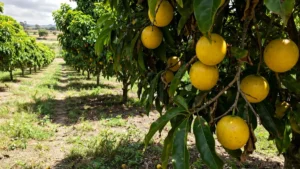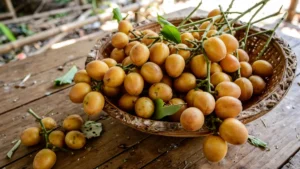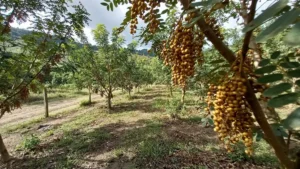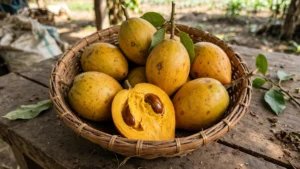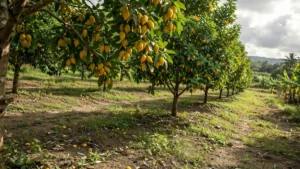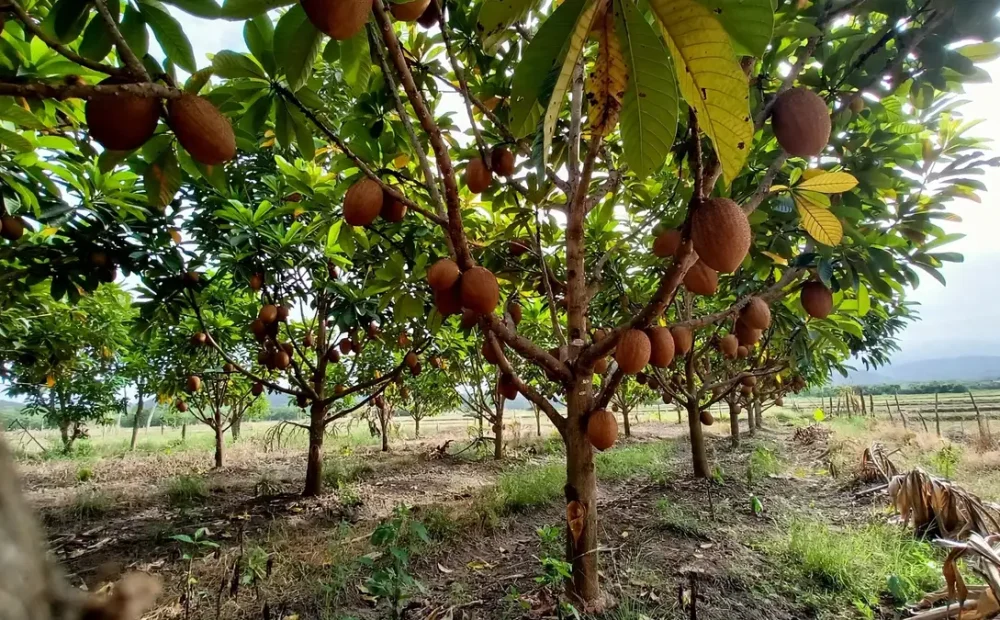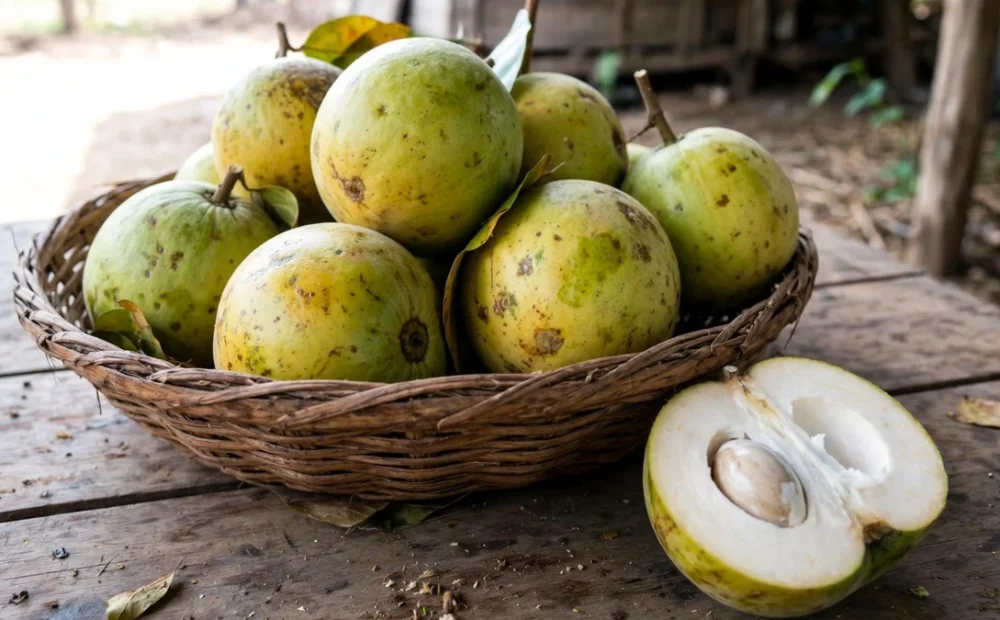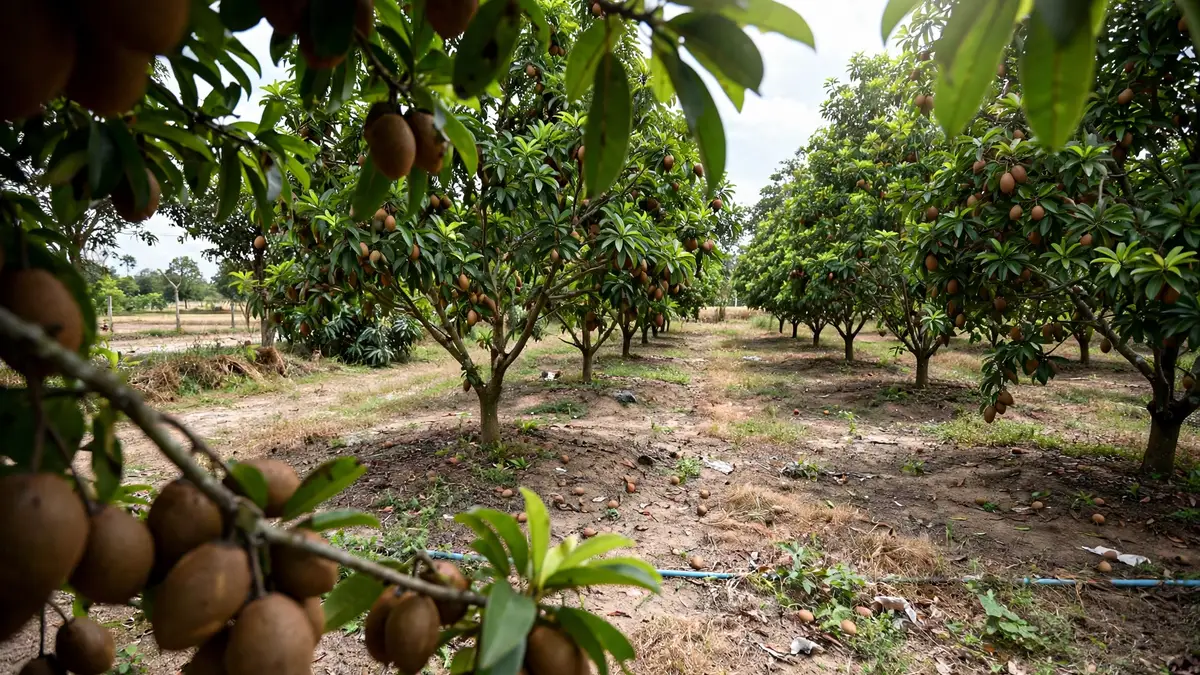
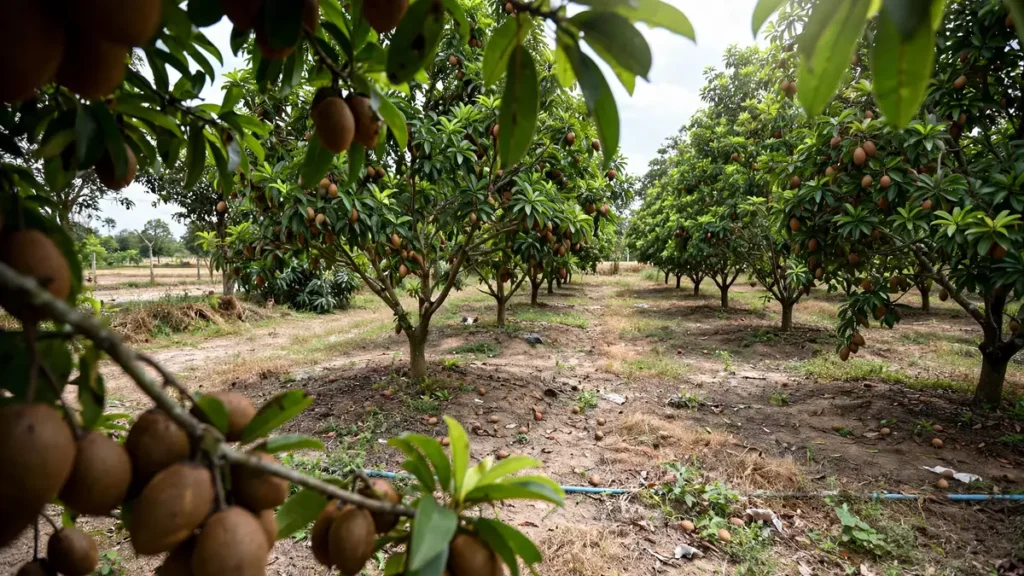
The sapodilla does not announce itself. Its skin is rough and brown, its shape is plain, and nothing about the outside hints at the flesh within: soft, sweet, and the colour of toffee, with a flavour like brown sugar folded into a ripe pear. The trees grow tall across the tropics, and the best mornings begin before the heat, with a basket in hand.
Eaten fresh, the fruit is spooned straight from the skin. Blended, it turns into smoothies and ice cream richer than the pale flesh promises. A stay on a sapodilla farm is organised around those trees: the grove supplies the view, the picking supplies the morning, and the kitchen turns whatever ripened overnight into the day’s pudding.
Here are nine sapodilla farm stays for 2027, from old Yucatán groves to a small holding on the Queensland coast. Each one is weighed for its strengths, its shortfalls, and who it suits best.
Key takeaways
- Sapodillas grow on tall evergreen trees in warm countries, and the strongest stays are working farms where the fruit is the main crop.
- Ripe fruit yields a little when pressed and smells sweet at the stem; hard, scentless fruit is not ready, and unripe fruit is full of sticky latex sap.
- The fruit softens quickly once picked and bruises at a touch, so the region you choose decides how much of the season you actually catch.
- A grove walk and a tasting usually come with the room, while meals, transfers, and cooking sessions are frequently charged on top.
- Travellers with a wheat allergy need to ask about the kitchen before booking, since farm kitchens bake bread every morning and flour gets everywhere.
What a sapodilla farm retreat actually is
A sapodilla farm retreat means sleeping on, or beside, a working sapodilla grove. The trees rise tall and broad, the fruit hangs in clusters that ripen a few at a time, and the picking carries on for as long as the season lasts. The fruit is gathered by hand, basket by basket, and the farm eats most of what it grows.
The single crop is what marks such a stay out from an ordinary farm holiday. The fruit decides the rhythm, from the smoothie at breakfast to the ice cream after dinner and the jam spread on toast. Rooms tend to be plain, the host tends to work the grove, and the day follows the ripening rather than a timetable.
Before you commit to a stay, ask what the nightly rate actually covers. Some of these places are farms first, with simple rooms and a host who walks the trees each dawn. Others are comfortable guesthouses inside a fruit grove, with more ease and less farm work in view. Both can be lovely, yet they are different holidays, and the rate generally shows which kind you are buying. Our guide to luxury persimmon farm retreats makes the same point: get the inclusions down in writing before the photos persuade you.
How we picked these stays, and what to ask first
We searched for stays where the sapodilla trees are genuine and central, not planted for show. A strong sapodilla retreat grows its own crop, includes a grove walk or a tasting in the stay, and is frank about the months when nothing is fruiting.
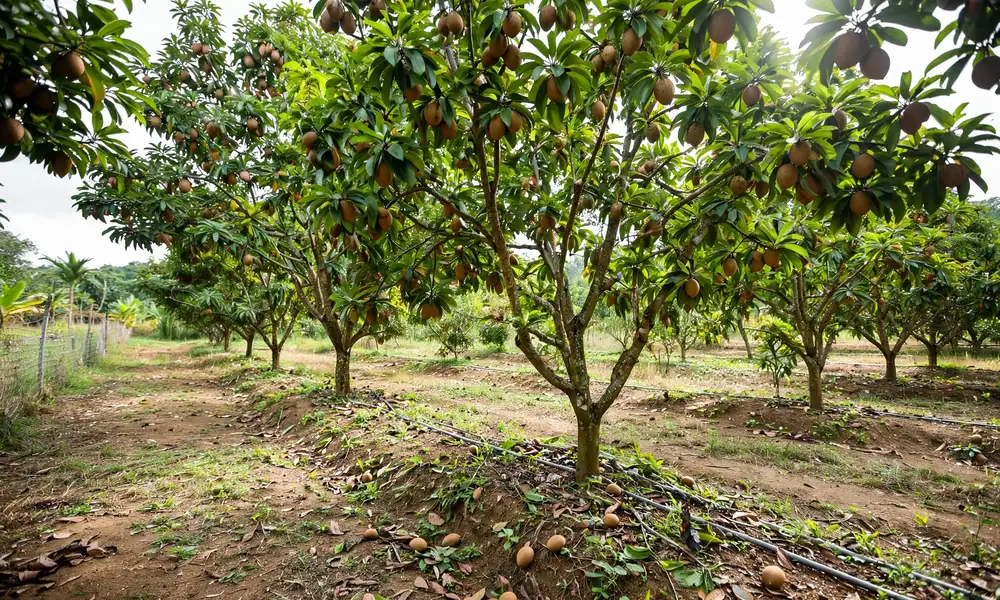
Start with the season. Sapodillas fruit in flushes across the warm months, and the peak shifts from country to country. Mexico and Central America gather through the long dry season into the rains, Florida gathers in late spring and early summer, and Queensland gathers while the northern farms are quiet.
Then ask what the price includes. A grove walk, a tasting, and a cooking session are three different things, and some stays charge for each one separately. Find out if breakfast comes with the room, whether the garden is shared, and whether the host speaks a language you can manage in. A farm that lists every charge plainly before you book is generally run with care. The luxury quince farm retreats we covered before work the same way: modest stays where the booking detail matters more than any star rating.
The 9 best luxury sapodilla farm retreats of 2027
Yucatán, Mexico — Sapodillas among the Maya Groves
What we like: Yucatán is where sapodillas come from, and the fruit here grows on old trees that were planted long before the road arrived — brown, heavy, and sweet in the hand. The stay is a low stone house at the edge of the grove, and the host leads guests between the trees with a basket ahead of breakfast.
What to consider: Midday heat is fierce, and a wet week can knock the fruit down before it is gathered. The farm lies a drive from the closest town, so arrange a lift ahead of arrival. Best for: Travellers who want sapodillas in the land where the fruit began. Style: Low stone house at the grove edge. Price range: $65–$95 per night, with breakfast in the rate. Standout feature: The host’s morning picking walks.
Belize — Sapodillas in the Cayo Foothills
What we like: A small holding in the green foothills where sapodillas grow alongside cacao, and the fruit arrives at the table with lime at every meal. The house is a timber cottage with a shaded veranda, and the host blends the fruit into smoothies for breakfast.
What to consider: The track in turns rough after rain, and the farm fills up during the fruiting months. Evenings stay warm enough to want a fan, and the closest town sits half an hour away. Best for: Travellers who want fruit and a quiet jungle corner in a single trip. Style: Timber cottage with a shaded veranda. Price range: $95–$125 a night, breakfast from the farm included. Standout feature: Smoothies made from the morning’s gathering.
Guatemala — Sapodillas on the Petén Lowlands
What we like: A holding on the flat lowlands where sapodillas grow in deep soil beneath wide skies, and the fruit arrives heavy and sweet. The stay is a comfortable farmhouse, the garden is broad, and the host runs picking mornings for guests who fancy working.
What to consider: Heat arrives early and the farm lies an hour from the closest city. Paths turn to mud after a wet day, so bring footwear that can cope. Best for: Fruit lovers hunting a big, generous harvest. Style: Comfortable farmhouse on the lowlands. Price range: $125–$160 per night, with breakfast and dinner in the rate. Standout feature: Mornings when guests join the picking.
Florida, USA — Sapodillas in the Homestead Groves
What we like: A farm south of Miami where sapodillas grow in sandy ground beneath the palms, and the fruit is dark, sweet, and slow to ripen. Rooms look across the grove, the host runs a small kitchen, and the ice cream is churned on the farm each afternoon.
What to consider: The lane in is narrow and the farm has few rooms, so reserve early. Fruit runs firm early in the season, and the afternoon storms come fast. Best for: Travellers who want tropical fruit without leaving the United States. Style: Farmhouse among the palms. Price range: $160–$195 a night, with the evening meal in the rate. Standout feature: Ice cream churned on the farm.
Hawaii, USA — Sapodillas on the Big Island Slopes
What we like: A farm on the damp slopes of the Big Island where sapodillas grow beside coffee, and the kitchen folds the fruit into tarts each afternoon. The house is old and low, the air stays soft even in June, and the host knows the trees row by row.
What to consider: Rain arrives often and the farm is a long drive from the airport. Fruit runs sharp early in the season, and the wind rises off the sea by afternoon. Best for: Travellers who want a quiet, green corner of the Pacific. Style: Old farmhouse on the island slopes. Price range: $195–$230 a night, with all meals covered. Standout feature: Sapodilla tarts baked every afternoon.
Kerala, India — Sapodillas in the Malabar Gardens
What we like: A farm in the warm south of India where sapodillas ripen early, in long rows beneath a wide sky, and the fruit is gathered into baskets for the farm gate stall. The house stands among the trees, and the kitchen uses the fruit in milkshakes as well as jam.
What to consider: Heat arrives early and the farm lies an hour from the closest city. Paths turn dusty after a dry spell, so bring footwear that can cope. Best for: Travellers who want fruit and southern warmth in a single trip. Style: Farmhouse among the trees. Price range: $230–$265 per night, breakfast and dinner both in the rate. Standout feature: Sapodilla milkshakes from the farm kitchen.
Queensland, Australia — Sapodillas on the Sunshine Coast
What we like: A coastal farm in the east where sapodillas grow on red soil above the sea, and the season runs while the northern farms are quiet. The house is a weatherboard cottage, and the host serves the fruit with cream from a nearby dairy.
What to consider: Wind is strong off the water and the farm is a drive from the closest city. The season runs short, so the dates matter more than the rate. Best for: Travellers who want sapodillas beside the sea. Style: Weatherboard cottage by the shore. Price range: $265–$300 per night, meals and tastings in the rate. Standout feature: Fruit served with cream from the neighbouring dairy.
Malaysia — Sapodillas in the Pahang Hills
What we like: A farm in the green hills of Pahang where sapodillas grow in warm, damp air, and the fruit is gathered into baskets for the farm gate stall. The host is a second-generation grower, the fruiting season runs long, and the kitchen makes a sapodilla sauce that guests carry home in jars.
What to consider: The road is long and winding, and the farm books solid in the picking months. Rain arrives often, so gather early and rest in the shade when the sun breaks through. Best for: Travellers who fancy a long season and green hills. Style: Hillside farmhouse next to the farm gate stall. Price range: $300–$340 per night, full board throughout. Standout feature: Sapodilla sauce made on the farm.
Dominican Republic — Sapodillas on a Small Caribbean Farm
What we like: A small farm on the island’s north coast where sapodillas grow in tidy rows behind an old shed, and the stay is a smart cottage with a valley view. The fruit is the sweet kind, the farm runs a weekly tasting, and the kitchen folds the fruit into morning pancakes.
What to consider: The rate is the steepest here, and the farm is a drive from the city. The season runs short, so fix the dates before you book. Best for: Travellers who want sapodillas within reach of the Caribbean. Style: Hills cottage above the valley. Price range: $345–$380 a night, the full stay covered. Standout feature: Tastings held weekly above the valley.
Which sapodilla region fits your trip
For the most traditional fruit, head to Yucatán or Guatemala, where the trees are a working crop and the basket reaches the table at every meal. For the wildest setting, pick Belize, where the farm sits in green foothills next to cacao. For the richest flavours, choose Kerala, where the sun is strong and the harvest is heavy.
For a first trip, Yucatán is the easiest pick: the farm is used to guests, the season runs long, and the kitchen cooks with the fruit daily. Our guide to the luxury carambola farm retreats makes the same point: choose the farm that cooks with its crop every day, and the trip mostly looks after itself.
The caveats that matter
Sapodilla farm retreats are lovely, yet they suit some travellers better than others. The fruit follows the calendar, the farms sit far from town, and the honest stays tell you plainly what is ripening and what is not.
| Detail | What is known |
|---|---|
| Best time to visit | The warm months, while the trees are bearing; the window shifts by country |
| The two main kinds | Seedling trees give fruit that varies from tree to tree; grafted trees give fruit that ripens evenly and tastes the same each year |
| How ripe fruit looks | Brown skin throughout, soft beneath a gentle press, and sweet-smelling at the stem, without hard patches |
| What is usually included | Room and breakfast plus a grove walk or tasting; cooking sessions and transfers are frequently charged extra |
| Who should go | Slow travellers, food lovers, and families with older children |
| Who should think twice | Anyone wanting nightlife, quick service, or a full daily programme |
| Transfers | Generally an hour or more from the nearest airport; arrange the lift before you arrive |
| What is not guaranteed | Fruit on your dates; the crop depends on weather, season, and the tree’s own rhythm |
Sapodillas carry no gluten in themselves, yet the farm kitchen bakes bread every morning, so ask how it keeps flour away from your plate. The fruit is soft and bruises quickly, so eat it on the day it is gathered and carry jam home instead of fresh fruit. Before booking, think about the practical side if you have a health condition, are expecting, or travel with small children: where the closest clinic is, when the farm last sprayed, and whether the paths suit little feet.
Checklist: booking a sapodilla farm stay honestly
Work through these checks before you pay, then again in the week before you travel.
- Check the fruiting: ask if the trees will be bearing on your dates, not simply whether the farm is open.
- Check the inclusions: grove walk, tasting, meals, and transfers, and which of them carry an extra charge.
- Check the distance: the length of the airport drive, and whether the farm sends a car?
- Check the bedroom: does the window face the grove or the garden, and is there shade, a fan, or air conditioning?
- Check the growing: ask how large the grove is, whether it is organic, and when it was last sprayed.
- Check recent reviews: find guests who travelled in the same season you are planning.
Frequently asked questions
When is sapodilla season?
That depends on the country. In Mexico and Central America, the trees bear through the long dry season into the rains. In Florida the window is late spring into early summer, and in Queensland the fruit arrives while the northern farms are quiet.
What does a sapodilla taste like?
Sweet and soft together, with a caramel flesh that melts on the tongue. Ripe fruit is brown, fragrant, and yielding; unripe fruit is hard, astringent, and sticky with latex. The finest are eaten fresh, on the morning they were gathered.
May guests pick sapodillas from the trees?
Most farms welcome guests on the picking walk, but only beside a guide and only once you have asked. A few leave the picking to the crew, because the trees are tall and the fruit bruises at a touch. Mention it when you book, and wear old clothes, because the sap stains.
Is it safe for everyone to eat sapodillas?
Mostly. Ripe fruit suits most people, but the latex in unripe fruit can upset a sensitive stomach, and anyone with a latex allergy should tell the farm before booking. Eat only fruit the host says is ripe, and keep portions small if your stomach is delicate.
Where should a first-timer begin with sapodilla farms?
Yucatán, for the easiest journey and the longest season. The farm is used to guests, the fruit arrives for much of the year, and the kitchen serves it at every meal.
What should a gluten-free traveller ask on a sapodilla farm?
Flag it when you book. The fruit carries no gluten by itself, and the rice dishes are generally safe. The risk is the bread baked each morning, so ask the farm what it does to keep flour off your plate.
The bottom line
A sapodilla farm retreat suits travellers who like their food to come from the tree beside them, and who are content to let the ripening set the day. The fruit is sweet, the season is generous, and the strongest stays are the ones that gather it, serve it fresh, and turn the rest into ice cream without any fuss.
Choose the region by what matters most to you: the old groves of Yucatán, the warm fields of Kerala, or the green hills of Pahang — and carry the jam home sealed, not the fruit itself. A jar of it will outlast any photograph.