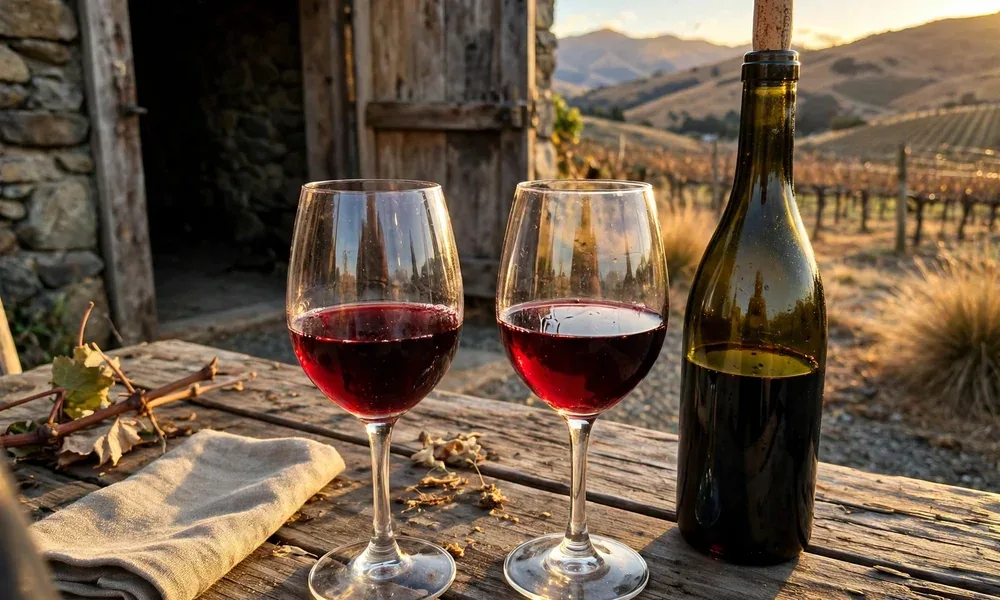
The Best Luxury Central Otago Brands turn a remote corner of New Zealand’s South Island into one of the most exciting wine addresses on earth. Tucked between the jagged Remarkables, the Kawarau Gorge and the deep blue of Lake Dunstan, Central Otago is the world’s southernmost wine region, and its short, intense summers and cold, dry winters force Pinot Noir vines to work hard for every grape. That struggle is exactly what makes the wines so compelling: small berries, thick skins, and a concentration of flavour that bigger, easier regions rarely achieve.
What sets the region apart is not just the climate but the people who chose to plant here. The growers who ignored that advice built wineries on schist slopes and old gold-mining terraces, and within two decades Central Otago Pinot Noir was winning trophies against Burgundy itself. Today the region’s best bottles command prices to match, and its cellar doors rank among the most beautiful tasting rooms in the Southern Hemisphere.
This guide brings together the ten names that define luxury wine in Central Otago, from pioneering estates with decades of vintages behind them to small, fiercely precise producers whose entire annual output could fit in a single shipping container. Each brand below earns its place through consistent quality, a clear sense of place, and wines that reward both immediate drinking and patient cellaring. If you are new to the region, start with our guide to the best Pinot Noir picks to understand the grape that built Central Otago’s reputation, then use this list to plan a tasting route, a cellar, or a very good dinner.
Key takeaways
- Central Otago is the world’s southernmost wine region, and its cool continental climate gives Pinot Noir intense colour, silk texture and long ageing potential.
- Felton Road, Amisfield and Mt Difficulty lead the region on consistency, while Burn Cottage and Rippon define its biodynamic and single-vineyard extremes.
- Expect to pay a premium for the best bottles, with flagship Pinot Noirs typically sitting well above the price of comparable Marlborough wines.
- Bannockburn and Gibbston Valley produce the region’s most structured, age-worthy reds, while Cromwell and the Pisa Range offer earlier-drinking styles.
- Most estates welcome visitors, but the smallest producers require bookings, so plan cellar-door visits in advance during the summer season.
Central Otago Luxury Wine Brands at a Glance
The table below compares the ten brands in this guide on the details that matter most to buyers and visitors: where each estate sits, what it is best known for, and how its flagship wines are positioned. Use it to shortlist estates for a tasting trip or to decide which labels deserve space in your cellar.
| Brand | Sub-region | Signature wine | Style | Cellar door |
|---|---|---|---|---|
| Felton Road | Bannockburn | Block 5 Pinot Noir | Biodynamic, precise, age-worthy | By appointment |
| Amisfield | Lake Hayes | Pinot Noir | Elegant, aromatic, polished | Yes, with restaurant |
| Gibbston Valley | Gibbston Valley | China Terrace Pinot Noir | Classic, structured, pioneering | Yes, with wine cave |
| Mt Difficulty | Bannockburn | Target Gully Pinot Noir | Rich, dark-fruited, confident | Yes, with restaurant |
| Akarua | Bannockburn | Rua Pinot Noir | Modern, fruit-forward, generous | Yes |
| Quartz Reef | Bendigo | Bendigo Estate Pinot Noir | Biodynamic, mineral, refined | By appointment |
| Burn Cottage | Bannockburn | Burn Cottage Vineyard Pinot Noir | Biodynamic, savoury, complex | By appointment |
| Rippon | Wanaka | Rippon Pinot Noir | Biodynamic, ethereal, site-driven | Yes, seasonal |
| Valli | Gibbston Valley | Gibbston Vineyard Pinot Noir | Single-vineyard, expressive | By appointment |
| Two Paddocks | Alexandra and Gibbston | The Last Chance Pinot Noir | Artisanal, charming, small-batch | Yes |
The 10 Best Luxury Central Otago Brands
1. Felton Road
Felton Road is the benchmark against which every other Central Otago producer is measured, and its Bannockburn estate has set the region’s standard since the early 1990s. The winery farms its vineyards biodynamically, works with tiny yields, and bottles its Pinot Noir in single-block expressions that show how dramatically one slope can differ from the next.
The wines are defined by purity rather than power: bright red cherry and raspberry fruit, fine silky tannins, and a savoury mineral line that comes from the schist soils beneath the vines. They are also among the most age-worthy wines in New Zealand, with the best vintages drinking beautifully after a decade or more in the cellar. Tasting here is by appointment only, which keeps the experience unhurried and personal, and the small team knows every row of every block. For anyone building a serious Central Otago collection, Felton Road is the first name on the list.
2. Amisfield
Amisfield sits on the shore of Lake Hayes, one of the most photographed settings in the region, and its wines match the polish of the location. The estate’s Pinot Noir is consistently among the most elegant in Central Otago, with fragrant red fruit, fine tannins and a gentle spice that makes it approachable young while still rewarding cellaring. The winery also produces a highly regarded aromatic white range, including Pinot Gris and Riesling, which thrive in the cool lakeside site.
What makes Amisfield a luxury destination rather than simply a good winery is the complete experience. Its restaurant is one of the finest in the Queenstown-Lakes district, serving a seasonal menu built around local produce, and the cellar door pairs tastings with sweeping views across the lake to the mountains beyond.
3. Gibbston Valley
Gibbston Valley is where Central Otago wine began. Founded in 1981 by Alan Brady, it was the region’s first commercial winery, planted in a valley that many considered far too cold for grapes. The gamble paid off spectacularly: the first wines won medals immediately, and Gibbston Valley proved that the region’s cool nights and long autumn days could ripen Pinot Noir with remarkable finesse. The estate remains one of the most visited wineries in New Zealand.
The wines today stay true to that pioneering character. The China Terrace Pinot Noir is the flagship, a structured, dark-fruited wine with the depth to age for many years, while the broader range covers everything from sparkling wine to Pinot Gris. Gibbston Valley is essential drinking for anyone who wants to understand where Central Otago began.
4. Mt Difficulty
Mt Difficulty takes its name from the rugged Bannockburn terrain it calls home, and its wines carry the same bold, sun-baked character as the landscape. The estate is one of the largest in Central Otago, with vineyards spread across several sites, and its Target Gully Pinot Noir is a flagship that delivers dark cherry, plum and spice in a generous, confident frame. The wines are made for pleasure as much as for prestige, and they rarely disappoint.
The cellar door and restaurant sit high above the Kawarau River, with views that stretch across the gorge to the Pisa Range, and the kitchen serves the kind of hearty, local food that pairs naturally with the estate’s richer reds. For buyers who like their Pinot Noir with presence and warmth, this is one of the most satisfying labels in the region.
5. Akarua
Akarua is a family-owned Bannockburn estate that has quietly built one of the strongest track records in Central Otago, winning awards across its range while keeping its prices more approachable than many of its neighbours. The flagship Rua Pinot Noir is a modern, fruit-forward wine with ripe cherry and plum, soft tannins and a clean, generous finish, while the single-vineyard Akarua Pinot Noir adds structure and spice for those who want more depth.
The estate also makes one of the region’s best sparkling wines, a traditional-method Blanc de Blancs that shows how well Central Otago’s cool climate suits fine bubbles. Akarua is the brand to choose when you want genuine luxury quality without the formality or the highest price tags.
6. Quartz Reef
Quartz Reef, based in the Bendigo sub-region, is one of Central Otago’s most distinctive producers, and its commitment to biodynamic farming shapes everything in the bottle. Winemaker Rudi Bauer has spent decades refining a style that prizes minerality and texture over sheer fruit weight, and the Bendigo Estate Pinot Noir is the clearest expression of that philosophy: dark, savoury, finely structured, with a stony freshness that sets it apart from the richer Bannockburn wines.
The estate is equally celebrated for its sparkling wines, including a vintage Méthode Traditionnelle that ranks among New Zealand’s finest. Tastings are by appointment, which suits the small, focused nature of the operation. For drinkers who value precision and a strong sense of place, Quartz Reef is unmissable.
7. Burn Cottage
Burn Cottage is a small, biodynamic Bannockburn estate with an outsized reputation, founded by an American couple who fell in love with Central Otago and committed to farming it without compromise. The vineyard is planted on a north-facing slope with thin schist soils, and the single-vineyard Pinot Noir that carries the estate’s name is one of the most complex wines in the region: dark cherry and plum layered with savoury herbs, earth and spice, wrapped in fine, firm tannins.
Production is tiny, which means the wines are allocated rather than widely available, and the best vintages sell out quickly. Tasting is by appointment only, and the experience is intimate and detailed, with the team walking visitors through the biodynamic practices that define the vineyard. Burn Cottage is the connoisseur’s choice in Central Otago.
8. Rippon
Rippon occupies one of the most beautiful vineyard sites in the world, a schist peninsula reaching into Lake Wanaka with the Southern Alps rising behind it. The estate has farmed biodynamically since the late 1980s, long before the practice was fashionable, and its wines are among the most ethereal and site-expressive in New Zealand. The Rippon Pinot Noir is a wine of fragrance and finesse, with red cherry, rose petal and spice over a delicate, mineral structure that seems to float rather than press.
The setting alone justifies a visit, and the cellar door is open seasonally, offering tastings with a view that no other winery in the region can match. Because production is small and the estate’s reputation is global, the wines can be hard to find outside New Zealand, which only adds to their appeal for collectors. Rippon is Central Otago at its most romantic.
9. Valli
Valli is the personal project of winemaker Grant Taylor, one of Central Otago’s most respected winemakers, and it is built around a simple idea: that each sub-region deserves its own wine. The estate bottles separate Pinot Noirs from Gibbston Valley, Bannockburn, Bendigo and Wanaka, and tasting them side by side is the best education in Central Otago terroir that money can buy. The Gibbston wine is fragrant and silky, the Bannockburn richer and darker, the Bendigo more mineral and structured.
Because Valli owns no large estate of its own, the focus stays entirely on the vineyards and the winemaking, and the quality is remarkably consistent across vintages. The wines are made in small quantities and are highly sought after by restaurants and collectors, so they reward buyers who seek them out.
10. Two Paddocks
Two Paddocks is the wine venture of actor Sam Neill, and it has grown from a passion project into one of Central Otago’s most charming and consistent producers. The estate farms vineyards in Alexandra and Gibbston Valley, and its Pinot Noirs are made with a light touch that lets the fruit and the site speak. The Last Chance Pinot Noir, from the Alexandra vineyard, is a fragrant, red-fruited wine with a gentle savoury edge, while the Gibbston fruit adds a darker, spicier dimension.
The brand’s personality is part of its appeal: the labels feature the estate’s farm animals, the winemaking is artisanal and small-scale, and the cellar door in Cromwell is relaxed and friendly. For buyers who want a luxury wine with character and a story, and a price that stays within reach, Two Paddocks is an easy recommendation.
Central Otago vs Marlborough: How the Two Regions Differ
New Zealand has two great wine regions, and they could hardly be more different. Marlborough, at the top of the South Island, is the country’s largest wine region and the home of its famous Sauvignon Blanc. Its climate is maritime, with warm days, cool nights and reliable sunshine, and its flat, fertile plains allow large-scale production.
Central Otago is the opposite in almost every way. It is a small, inland, continental region with hot summers, freezing winters, low rainfall and dramatic daily temperature swings. The result is a region built around a single grape: Pinot Noir accounts for the great majority of plantings, and the wines are structured, complex and age-worthy in a way that Marlborough Pinot Noir rarely attempts.
The difference shows in the glass. A Marlborough Pinot Noir tends to be lighter, brighter and more immediately approachable, with red cherry and soft tannins. A Central Otago Pinot Noir is typically darker, denser and more savoury, with firm tannins, spice and a mineral edge that needs time to open. Marlborough excels at freshness and value, while Central Otago excels at depth and longevity. For a broader sense of how New Zealand’s white wines compare, our Pinot Grigio guide covers the aromatic styles that both regions produce well, but for red wine, Central Otago is New Zealand’s clear luxury leader.
Price is the other obvious divide. Marlborough’s scale keeps its wines affordable, while Central Otago’s small production and high costs push flagship bottles into premium territory. The smart approach is to enjoy both, drinking Marlborough for everyday pleasure and saving Central Otago for the occasions that deserve something special.
Checklist: Buying and Enjoying Central Otago Wine
- Choose your sub-region first: Bannockburn for structure and power, Gibbston Valley for elegance, Bendigo for minerality, and Wanaka for fragrance and finesse.
- Check the vintage before buying, since Central Otago’s continental climate makes vintage variation more pronounced than in Marlborough.
- Decant flagship Pinot Noirs for at least an hour before serving, and serve them slightly cool, around 16 to 18 degrees, to keep the aromatics fresh.
- Book cellar-door tastings in advance, especially at Felton Road, Burn Cottage, Quartz Reef and Valli, where visits are by appointment only.
- Cellar the best bottles for five to ten years, storing them cool, dark and still, and keep a few ready to drink for comparison.
- Pair Central Otago Pinot Noir with roast lamb, venison, duck or mushroom dishes, where the wine’s savoury spice and fine tannins shine.
Frequently Asked Questions
What makes Central Otago Pinot Noir so special?
Central Otago’s continental climate, with hot days, cold nights and low rainfall, produces small, thick-skinned grapes with intense colour and concentrated flavour. The schist soils add a mineral edge, and the long, dry autumns allow slow, even ripening.
Which Central Otago wine brand is the best?
Felton Road is the most consistent benchmark in the region, and its single-block Pinot Noirs are the reference point for collectors. Amisfield, Mt Difficulty and Gibbston Valley offer the most reliable quality across vintages, while Burn Cottage and Rippon appeal to drinkers who value biodynamic farming and a strong sense of place. The best choice depends on whether you value structure, elegance or rarity most.
How much should I expect to pay for a luxury Central Otago wine?
Flagship Pinot Noirs from the leading estates typically cost significantly more than comparable Marlborough wines, reflecting small production and high vineyard costs. Entry-level wines from the same producers offer much of the character at a lower price, and second labels are often excellent value. If your budget is tighter, our guide to the best inexpensive wines shows how to find quality bottles without paying luxury prices.
Can I visit Central Otago wineries?
Yes, and the region is one of New Zealand’s best wine-touring destinations, centred on Queenstown, Cromwell and Wanaka. Most larger estates have cellar doors and restaurants, while the smallest producers require advance bookings.
How long does Central Otago Pinot Noir age?
The best wines age gracefully for ten to fifteen years, and some of the most structured vintages from Felton Road, Quartz Reef and Burn Cottage can go longer. The wines typically need three to five years to soften and open, and they develop savoury, earthy complexity with time.
Is Central Otago better than Marlborough for red wine?
For Pinot Noir, yes: Central Otago’s climate and soils produce more structured, complex and age-worthy reds than Marlborough, which is built around Sauvignon Blanc. Marlborough still makes good Pinot Noir, and its wines are often more affordable and approachable young. The two regions complement each other, but for luxury red wine, Central Otago is New Zealand’s leading region.
The Bottom Line
Central Otago proves that great wine can come from the edge of the possible. Its ten leading brands, from the pioneering cellars of Gibbston Valley to the biodynamic slopes of Bannockburn and the lakeside vineyards of Wanaka, turn a harsh, beautiful landscape into Pinot Noir of genuine world class. Choose Felton Road or Burn Cottage for the cellar, Amisfield or Mt Difficulty for the table, and Rippon or Valli for the sheer pleasure of tasting a place in a glass. Whichever label you start with, Central Otago rewards the effort, and once you have tasted its best, no other New Zealand red tastes quite the same.