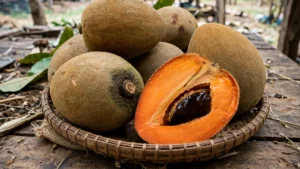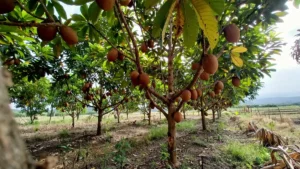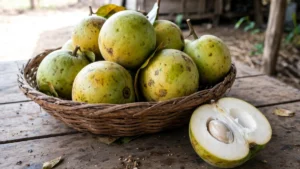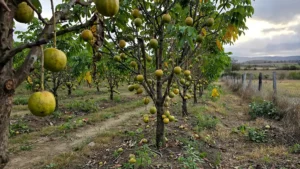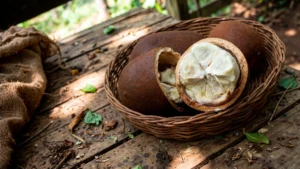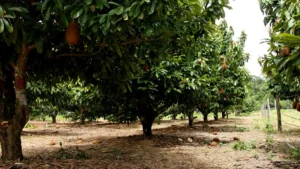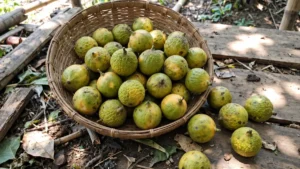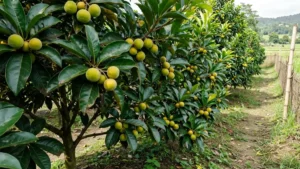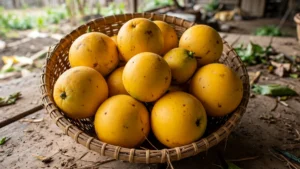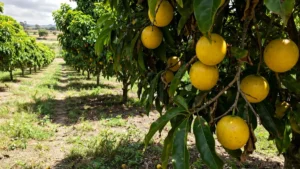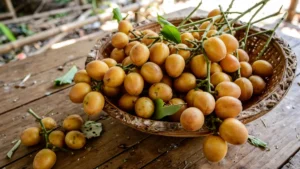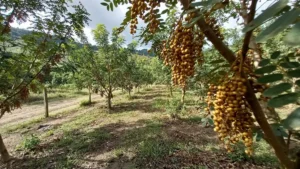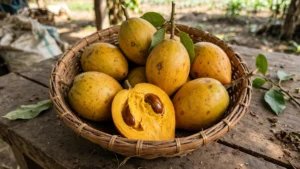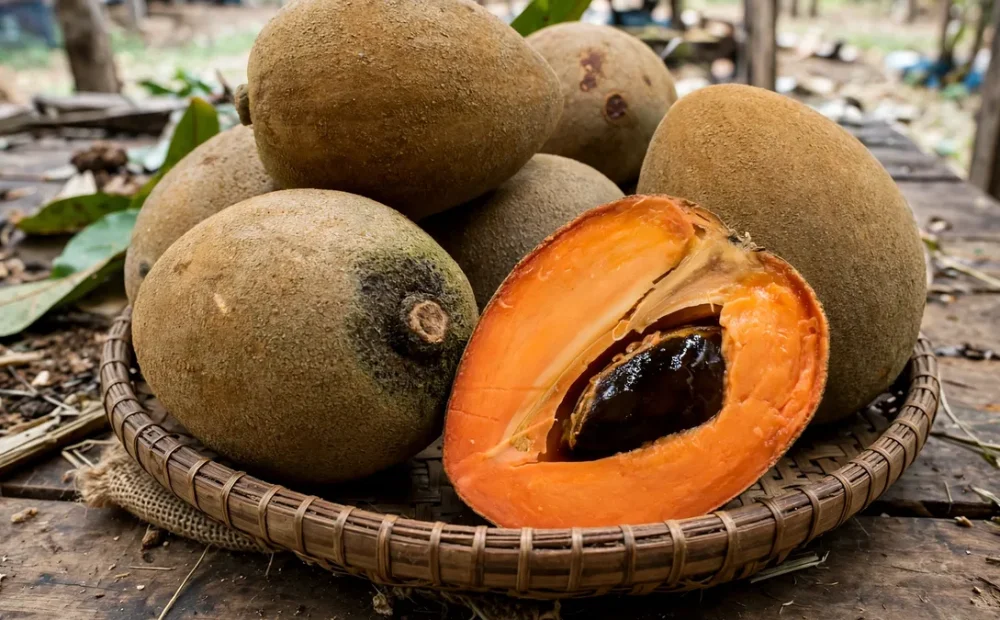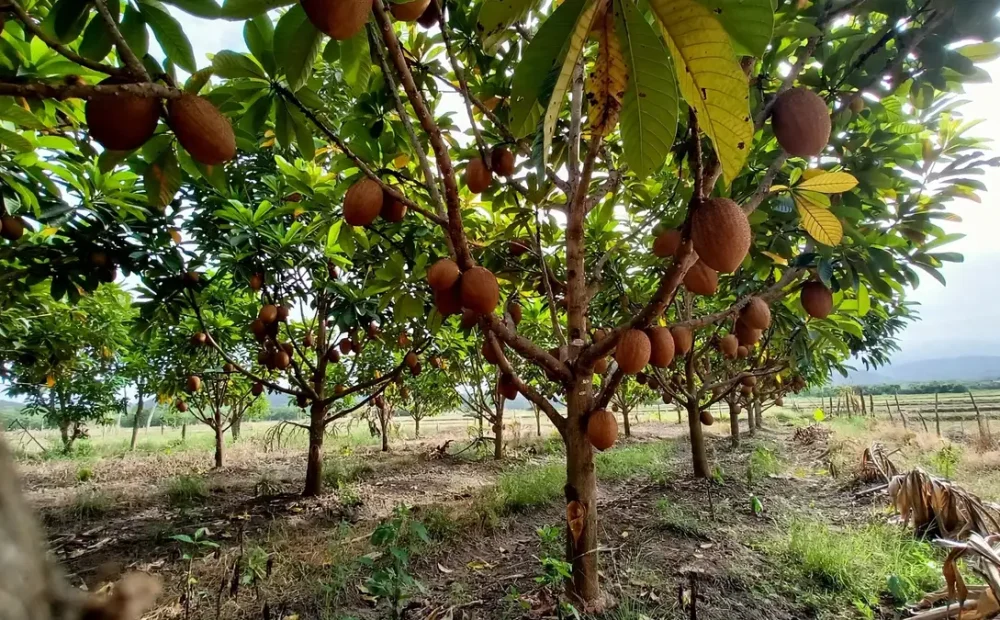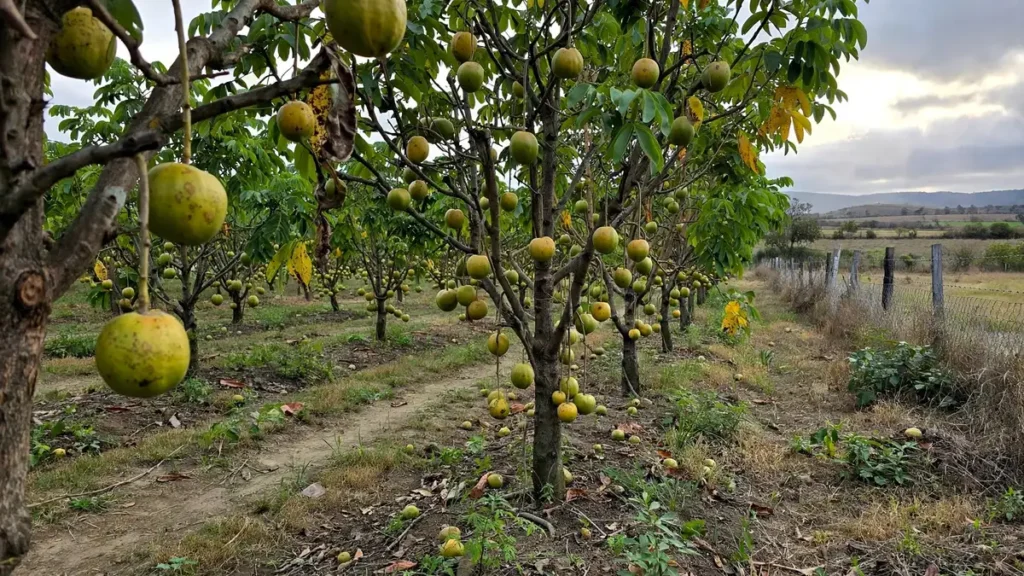
White sapote is the quiet fruit of the Mexican highlands. It hangs round and green-yellow from broad, leafy trees, and when ripe it gives under a gentle press and opens to flesh the colour of fresh cream, soft as custard, tasting of pear, banana and vanilla. Few travellers have heard of it, which is why a stay built around it feels like a discovery.
A white sapote farm retreat is a small stay on or beside an orchard where the fruit sets the rhythm of the day. You walk the rows in the cool morning, taste fruit picked an hour earlier, and eat it scooped from the skin or folded into ice cream. The farms are modest and the hosts work the trees themselves.
Below are nine retreats worth considering in 2027, from highland farms in Michoacán and Jalisco to coastal groves in California and an upcountry orchard on Maui. Every entry sets out its strengths, its limits, and the traveller it suits.
Key takeaways
- White sapote is Casimiroa edulis, a round green-yellow fruit from Mexico with creamy white flesh, and a different species from black sapote.
- Ripe fruit is pale gold, soft to a gentle press, and sweet-smelling at the stem; hard, green fruit is not ready.
- The season runs through the warm months, and the exact weeks move by region, so ask the farm for its dates.
- The best stays are small, with a host who works the orchard; book the farm first and let the travel follow.
- The fruit contains no gluten, but farm kitchens bake and fry in shared spaces, so ask how food is prepared before arriving.
What a white sapote farm retreat actually is
A white sapote farm retreat is a holiday arranged around a single fruit, with the orchard first and the room second. You rise early, walk the rows while the air is cool, press a fruit softly, and eat it while it is warm from the sun. The days are slow: a long breakfast, a walk under the trees, and an evening meal cooked from what the farm grew.
The fruit itself is what makes the stay different from any other farm holiday. A ripe white sapote is plain to look at but lovely to eat: cool, creamy and faintly sweet, with a texture like soft custard. Our guide to the best luxury black sapote farm retreats covers the dark, chocolate-fleshed fruit of the same family name, and the contrast is the point: black sapote opens to dark brown flesh, while white sapote opens to pale cream.
The stays in this guide are all small. None of them has more than a handful of rooms, and most are run by the family that owns the orchard. That matters, because the host knows which tree is ripening and which fruit is ready today. A hotel can buy the fruit at a market; only a farm host can walk you to its tree.
How we picked these stays, and what to ask first
We looked for stays where the orchard is the centre, not a backdrop. Every retreat below grows white sapote on its own land, lets guests walk the rows with the host, and serves the fruit at the table. We left out stays that keep guests at a distance from the trees, however comfortable the rooms are.

Before you book, ask three questions. First, which weeks will the fruit be ripe on your dates? Second, how many rooms it has and whether the host eats with guests. Third, how far it is from the nearest airport and whether the host can arrange a lift. A farm that answers plainly is a farm that knows its trees.
Price is a poor guide on its own. Some of the loveliest stays here cost less than a city hotel room, and the dearest are dear because the land is rare. What matters is whether the orchard is real, the host is present, and the fruit is on the table every day. Our best luxury persimmon farm retreats show how a single fruit can shape a holiday the same way.
The 9 best luxury white sapote farm retreats of 2027
Michoacán, Mexico — White Sapote among the Avocado Groves
What we like: Michoacán grows white sapote in the cool highlands between avocado groves and pine forest, and the fruit here is the old kind: large, pale gold, and soft enough to eat with a spoon. Each morning the host opens one on the spot, under the tree it grew on.
What to consider: The highlands are cool at dawn, so pack a layer for the morning walk. The farm sits up a rough track, so arrange a lift in advance. Best for: Travellers who want white sapote where Mexico has grown it longest. Style: Stone farmhouse with a shaded terrace above the orchard. Price range: $70–$105 a night, breakfast served on the terrace. Standout feature: Tasting the first fruit of the day beneath the tree it grew on.
Jalisco, Mexico — White Sapote above Lake Chapala
What we like: The orchard stands on a hillside above Lake Chapala, where warm days and cool nights sweeten the fruit gently. The host is a third-generation grower who keeps a small grove of old trees beside the newer rows, and guests can compare the two.
What to consider: The hillside path is steep, so ask for a room near the terrace if steps are a problem. The lake breeze drops the temperature after sunset. Best for: Travellers who like a slow morning and a long view over water. Style: Whitewashed hillside house with a lake-facing veranda. Price range: $85–$130 a night, breakfast on the veranda. Standout feature: Comparing fruit from the old grove and the new rows side by side.
Puebla, Mexico — White Sapote on the High Plain
What we like: Puebla’s high plain grows white sapote in rich volcanic soil, and the fruit here is known for its size and mild sweetness. Breakfast includes honey from the orchard hives, spread on warm bread beside the fruit.
What to consider: The plain is high and the sun is strong, so bring a hat and water. The farm is a drive from the city, so plan the journey in daylight. Best for: Travellers who enjoy food that comes straight from the land around them. Style: Adobe farmhouse with a walled garden and beehives. Price range: $60–$95 a night, breakfast in the garden. Standout feature: Orchard honey served beside the morning fruit.
Morelos, Mexico — White Sapote in the Warm Valleys
What we like: Morelos is warm all year, and its white sapote ripens early, which suits travellers who cannot wait for the highland season. The farm is built around a courtyard shaded by old trees, where the host serves the fruit as a chilled cream with lime at lunch.
What to consider: The valleys are hot by midday, so walk in the morning and rest in the afternoon. Mosquitoes appear after rain, so pack repellent. Best for: Travellers who want an early-season trip and a warm climate. Style: Courtyard farmhouse shaded by old sapote trees. Price range: $65–$100 a night, lunch in the courtyard. Standout feature: Chilled white sapote cream with lime at midday.
Colima, Mexico — White Sapote in the Coastal Lowlands
What we like: Colima’s lowlands sit close to the Pacific, and the sea breeze keeps the orchard cool in the warm months. The host dries the surplus into chewy slices and folds the rest into jam, so guests taste the fruit three ways in a day: fresh at breakfast, dried at tea, and as jam at supper.
What to consider: The lowlands are humid, so pack light clothes and a change for the evening. The coast road is slow, so allow extra time for the journey. Best for: Travellers who want to taste one fruit prepared in several ways. Style: Low white farmhouse with a drying shed and jam kitchen. Price range: $55–$90 a night, supper in the garden. Standout feature: Fresh, dried and jammed white sapote in a single day.
Nayarit, Mexico — White Sapote in the Sierra Foothills
What we like: The farm sits where the Sierra foothills meet the coastal plain, with an orchard planted on terraces that catch the morning sun. The host is a keen cook who makes a white sapote flan for the evening meal.
What to consider: The terraces mean steps, so ask about the gentlest route to the lower rows. The evenings are quiet, with no town nearby, so bring a book. Best for: Travellers who like cooking and want to learn from the host. Style: Terraced farmhouse with an open kitchen and a view to the sea. Price range: $75–$115 a night, dinner cooked with guests. Standout feature: White sapote flan made in the farm kitchen each evening.
San Diego, California — White Sapote in the Backcountry Groves
What we like: San Diego’s backcountry grows white sapote in small, well-tended groves behind the coastal hills, and the fruit ripens late in the year, suiting travellers who miss the Mexican season. The host is a retired grower who keeps notes on each tree, and guests who ask hear the story of every row.
What to consider: The groves are inland and the days are hot and dry, so carry water. The farm is a drive from the city, so a car is useful. Best for: Travellers who like detail and want to hear the story of each tree. Style: Ranch house with a shaded porch and a notebook for every tree. Price range: $120–$180 a night, breakfast on the porch. Standout feature: A host who can tell you the story of every tree in the grove.
Santa Barbara, California — White Sapote above the Ocean Terraces
What we like: Santa Barbara’s coastal hills hold a small grove planted by a family that has grown white sapote for two generations. The fruit is served at breakfast with yoghurt and toasted seeds, and the host keeps a table of the season’s best fruit for guests to compare. The ocean is visible from the upper rows.
What to consider: The hills catch the afternoon wind, so bring a layer for the evening. The grove is small, so book early in the season. Best for: Travellers who want a polished stay with an ocean view. Style: Hillside house with a tasting table and an ocean view. Price range: $150–$220 a night, breakfast with the tasting table. Standout feature: A tasting table of the season’s best fruit each morning.
Maui, Hawaii — White Sapote in the Upcountry Orchards
What we like: Maui’s upcountry orchards sit high above the coast, where cool nights and warm days give the fruit a gentle, floral sweetness. The farm grows the fruit alongside citrus and avocado, and the host serves a breakfast of all three.
What to consider: Upcountry is cool at dawn, so pack a warm layer. The farm is a winding drive from the coast, so allow time. Best for: Travellers who want a quiet, high-altitude orchard with a sea view. Style: Timber farmhouse with a broad terrace above the orchard. Price range: $140–$200 a night, breakfast on the terrace. Standout feature: A breakfast plate of sapote, citrus and avocado from the same orchard.
Which white sapote region fits your trip
If you want the deepest flavour and the oldest trees, start in Mexico. Michoacán and Jalisco offer the most traditional stays, with hosts who have grown the fruit for generations and orchards that have been in the same family for decades. The fruit is at its best in the warm months, and the stays are the least expensive here, which leaves room for a longer trip.
If you want warmth early in the year, look to Morelos and Colima, where the lowlands ripen first and the climate stays warm when the highlands are still cool. For a later season, San Diego and Santa Barbara fruit into the autumn, and Maui’s upcountry orchards offer a quiet alternative with a sea view. A sapodilla orchard stay follows a similar pattern, and our best luxury sapodilla farm retreats are a useful comparison.
First-timers do well to pick one region and stay put, because the fruit changes day by day and a host who sees you for three mornings shows you more than one who sees you for one.
The caveats that matter
White sapote is a gentle fruit, but a farm stay still needs honest planning. The seeds are not for eating, and unripe fruit is astringent and unpleasant, so eat it ripe. A few people feel drowsy after a large serving, so taste a modest portion first. If you take regular medicine, ask your clinician before eating large amounts of a fruit you have not tried.
| Detail | What is known |
|---|---|
| Best time to visit | The warm months; the exact weeks move by region and altitude |
| The two main kinds | Casimiroa edulis, a pale creamy fruit; black sapote is a different species with dark chocolate flesh |
| How ripe fruit looks | Pale gold all over, yielding to a soft press, and sweet-smelling at the stem, with no hard patches |
| What the flesh is like | Creamy white and custard-soft, with a flavour of pear, banana and vanilla |
| What not to eat | The large seeds inside the fruit are not for eating, and unripe fruit is astringent |
| Who should ask first | Anyone on regular medicine, or new to the fruit, should ask a clinician or the host first |
| Getting there | Most farms sit an hour or more from the nearest airport, so arrange a lift |
| What it does not do | It does not keep once ripe, so eat it on the farm and carry jam or dried slices home |
Gluten is not in the fruit, but it is in many farm kitchens, where bread, cakes and fried food share space with the fruit. Tell the farm before you arrive, ask how food is prepared, and bring safe snacks for the journey. Most hosts are glad to adapt once they know.
Checklist: booking a white sapote farm stay honestly
Use these checks before you book.
- Ask the farm which weeks the fruit will be ripe on your dates.
- Check how many rooms the farm has, and whether the host eats with guests.
- Ask how far the farm is from the airport, and whether the host can arrange a lift.
- Learn the soft-press test: pale gold, yielding gently, sweet at the stem.
- Tell the farm about food needs, including gluten-free, before you arrive.
- Pack a layer for cool mornings, a hat for strong sun, and shoes for orchard ground.
Frequently asked questions
When is white sapote season?
Through the warm months, with the exact weeks depending on region and altitude. Morelos and Colima ripen first, Michoacán and Jalisco follow, and California groves fruit later. Ask the farm for its own dates.
What does white sapote taste like?
Cool, creamy and mild, tasting of pear and banana with a hint of vanilla, with a texture like soft custard. It is much gentler than black sapote, which tastes of chocolate pudding.
Can guests pick white sapote from the trees?
Usually yes, with the host. The fruit bruises easily, so the host shows you how to cut it from the branch and test it with a soft press. Pick only what the host points to.
Is white sapote safe for everyone to eat?
For most people, yes, when ripe and eaten in a normal portion. Do not eat the seeds or hard, unripe fruit, and taste a small portion first, because a few people feel drowsy after a large serving.
Where should a first-timer begin with white sapote farms?
Michoacán or Jalisco, where the stays are small and the hosts are experienced. Book three nights in one place, because the fruit changes day by day.
What should a gluten-free traveller ask on a white sapote farm?
Ask how the kitchen prepares food, whether bread and fried dishes share surfaces with the fruit, and whether the host can keep a separate board and knife for your meals. Tell the farm before you arrive, not at the table.
The bottom line
The best white sapote farm retreat in 2027 is not the dearest. It is the one where the orchard is real, the host is present, and the fruit is on the table every morning.
Book the farm first, ask for the ripening weeks, and let the flights follow. A fruit picked at the right hour, eaten under the tree it grew on, is a small pleasure a hurried trip will never give you.