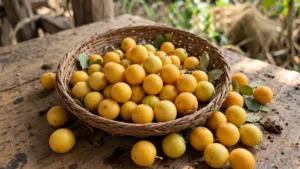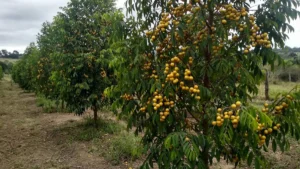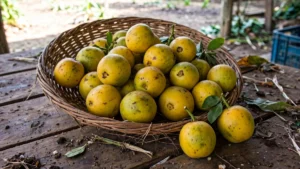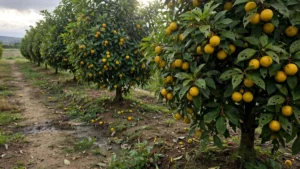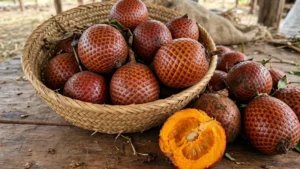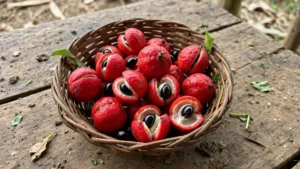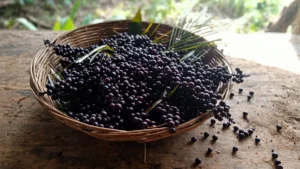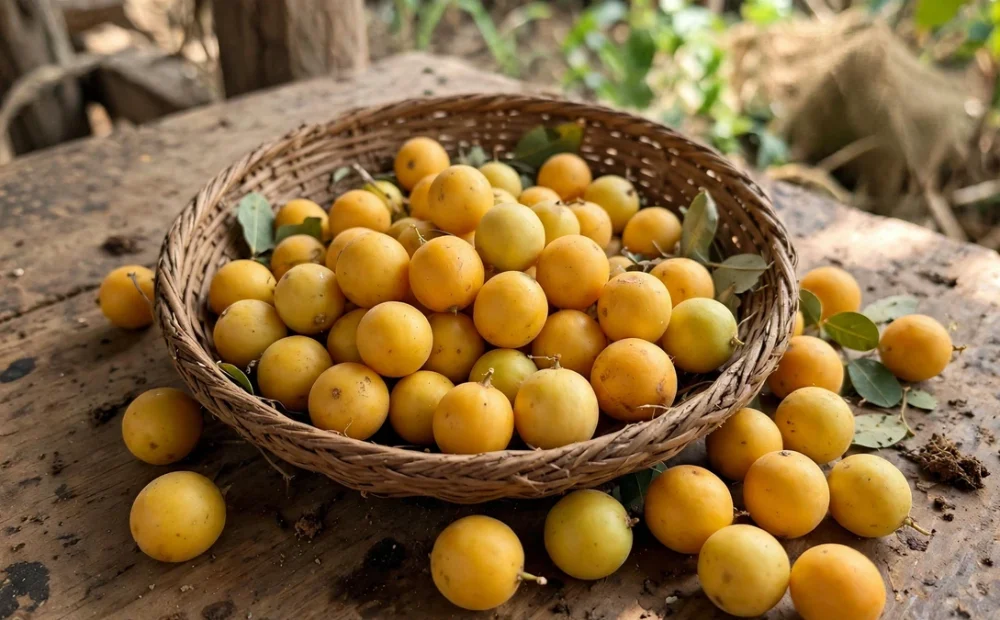
There is a berry in the Peruvian Amazon that carries more vitamin C than almost any fruit on earth, and almost nobody eats it raw. Camu camu grows on low bushes along the riverbanks of Loreto, and the small red-purple berries are so sharp that one bite puckers the whole mouth. The farms that grow them turn the berries into juice, pulp, and powder, and a stay on one of those farms is built around the river, the boat, and the morning harvest.
A camu camu farm stay runs on the river’s calendar. The bushes fruit while the rivers are high and the picking happens as the water falls, roughly from December into May, when boats can reach the plots and the berries come in by the basket. The farms are small and family-run, the rooms plain, and the kitchen builds the day around the berry.
Nine stays follow, from riverbank plots outside Iquitos to a grove across the border in Colombia. Each one is weighed on its strengths, its weaknesses, and who will enjoy it most.
Key takeaways
- Camu camu, Myrciaria dubia, is a small red-purple Amazon berry, famously rich in vitamin C, too sour to eat fresh and best taken as juice, pulp, or powder.
- The picking season follows the falling rivers, roughly December to May, so your dates matter more than your destination.
- A nightly rate usually covers the bed, breakfast, and a boat trip to the plots. Meals, lifts, and juice-making sessions are often charged on top.
- Camu camu is not acerola and not cranberry. It is its own species, grown on flooded riverbanks, with a sourness neither of the others matches.
- Name wheat in your first message to the farm. Breakfast is baked on the farm each morning, and flour dusts the kitchen from the first hour.
What a camu camu farm retreat actually is
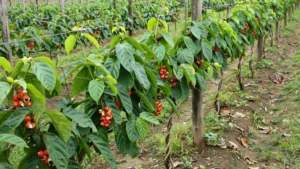
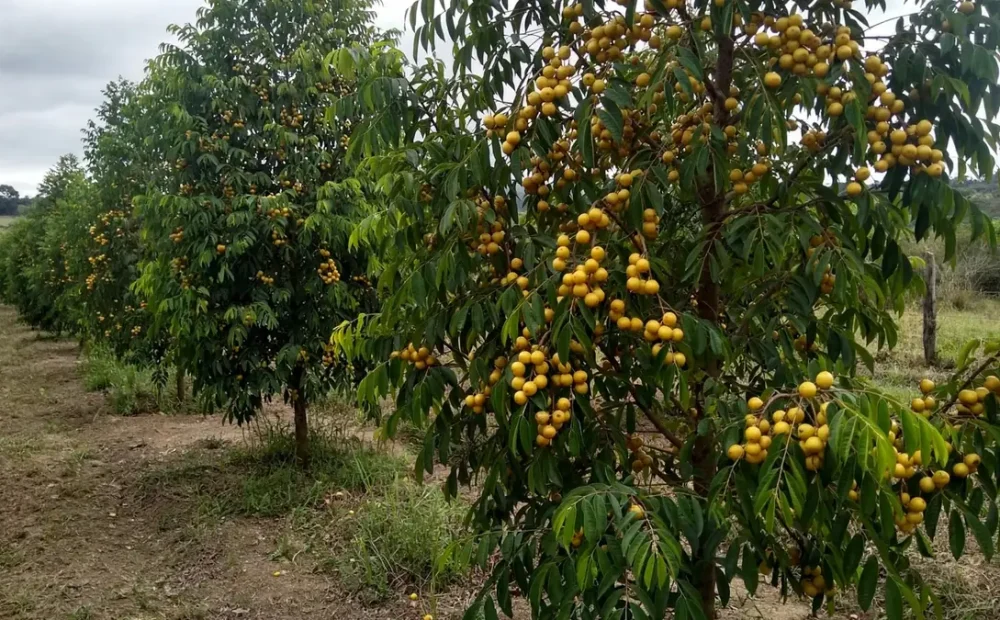
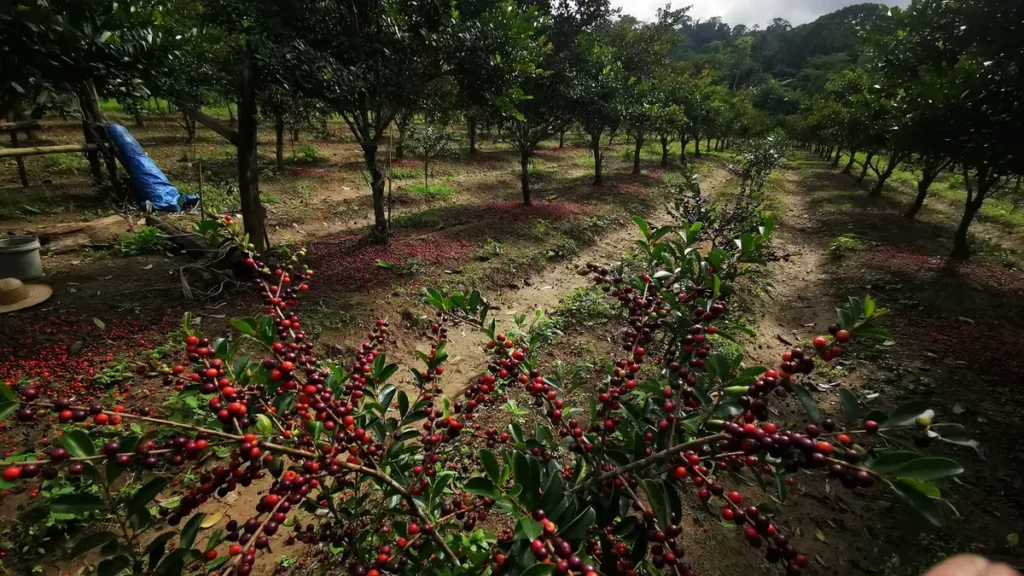
A camu camu farm retreat means a night, or several, on a working plot beside an Amazon river. The bushes stand in rows on ground that floods for part of the year, the berries hang in small clusters, and a few ripen each day. The picking is done by hand, and most of the crop ends up in the farm kitchen.
What sets this kind of stay apart is that a single berry runs the whole day. Juice lands on the table at breakfast and powder goes into the afternoon drink. The bedrooms are simple, the host is out on the river by sunrise, and the water level, not a printed timetable, fixes the hours.
Ask what the nightly rate covers before you hand over any money. One kind of place leads with the farm: plain rooms, a host who mends nets at dawn. Another kind is a comfortable guesthouse tucked beside the plots, with more comfort and less farm work in sight. Both can be good holidays, but they are not the same holiday, and the nightly rate usually gives the game away. Our guide to luxury longan farm retreats argues the same point from a different fruit: find out what the rate covers before the pictures win you over.
How we picked these stays, and what to ask first
We looked for stays where camu camu bushes sit at the heart of the visit. A strong choice grows its own berries, folds a boat trip or a tasting into the stay, and says plainly which months carry no fruit.

Start with the season. Camu camu ripens as the rivers fall, and the peak slides from river to river with the water. The plots near Iquitos pick first; the upper rivers follow later and finish sooner.
Then pin down what the rate covers. A boat trip, a tasting, and a juice session can each be billed on their own at some stays. Before you book, ask what breakfast covers, whether the garden is shared, and which languages the host speaks. A stay that lists every charge in plain words is usually run with care. If lychee tempts you instead, the luxury lychee farm retreats we covered earlier follow the same small-stay pattern.
The 9 best luxury camu camu farm retreats of 2027
Iquitos — Riverbank Plots within Reach of the City
What we like: Outside Iquitos, camu camu grows on low ground beside the river, the bushes in flooded rows under a broad sky, the berries deep red-purple, sharp, and quick to soften. The juice is pressed on the porch each morning.
What to consider: The river roads are busy at weekends, and rooms go fast while the berries are coming in. Rain drifts in most afternoons, and the nearest town sits half an hour away by boat. Best for: Guests who want a short hop from Iquitos with river air. Style: A wooden farmhouse on stilts above the flood line. Price range: $70–$100 a night with the farm breakfast included. Standout feature: Juice pressed from berries picked that morning.
Nauta — A River Town below Iquitos
What we like: Downriver from Iquitos, Nauta sits where two rivers join, and camu camu grows thick on the banks. The berries come large and deeply coloured, and the host leads guests to the plots by boat.
What to consider: The midday heat is fierce, the nights stay warm, and a dry spell can keep the berries firm longer than you hoped. The farm lies a boat ride from the nearest town, so arrange a lift before you travel. Best for: Travellers who want the river junction and the biggest berries. Style: Low wooden lodge at the edge of the plots. Price range: Nightly rate $100–$130, breakfast folded in. Standout feature: Boat trips to the plots at first light.
Tamshiyacu — Camu Camu Country on the Amazon
What we like: Tamshiyacu is the village most Peruvians name when camu camu comes up, and the plots here run for miles along the river. The stay is a solid timber house with a broad veranda.
What to consider: The track down to the river is steep, and the farm lies a long boat ride from the nearest city. Mud coats the paths after a wet week, so wear shoes that can take it. Best for: Travellers chasing the biggest harvest of the season. Style: A comfortable timber house set close to the rows. Price range: $130–$165 a night, with dinner and breakfast both included. Standout feature: Picking mornings with the host in the canoe.
Jenaro Herrera — Quiet Plots on the Ucayali
What we like: On warm banks above the Ucayali, camu camu grows beside plantain and papaya, and the kitchen serves the juice at breakfast every morning. The house is old and low, and the host can name every plot on the river.
What to consider: The river level catches first-time visitors, and the farm holds few rooms, so book early. Early-season berries stay firm, and the path turns slick after a storm. Best for: Travellers after a quiet, green corner on the Ucayali. Style: Old farmhouse on the warm riverbank. Price range: $165–$200 a night, dinner covered. Standout feature: Juice served at every breakfast.
Pucallpa — Warm River Plots beside the City
What we like: Near Pucallpa a farm grows camu camu on ground that floods each year, and the season carries on while the Loreto plots rest. Guests sleep in a stone cottage, and at breakfast the host sets out fresh juice with bread from a neighbouring bakery.
What to consider: Heat rolls in off the river, and the farm is a drive from the nearest city. The picking window is short, so the dates count more than the price. Best for: Travellers who want camu camu within reach of the Ucayali city. Style: Stone cottage above the flood line. Price range: A night costs $200–$235, and both breakfast and dinner come with the room. Standout feature: Powder ground on the farm for the journey home.
Requena — Deep River Berries in the Northern Lowlands
What we like: In the northern lowlands a farm ripens camu camu early and sells the berries by the basket at the gate. The house sits in the middle of the plots, and the kitchen turns the berries into juice and powder.
What to consider: Rain gathers early in the day, and the farm sits an hour from the nearest city. Hot days turn the paths to dust, so bring shoes that can take it. Best for: Guests who want river days with lowland air. Style: Farmhouse set among the plots. Price range: Rooms run $235–$270 a night, every meal included. Standout feature: Berries sold by the basket at the gate.
Yurimaguas — Highland River Valleys for Slow Travellers
What we like: The earth here is dark and rich, and a stall by the gate sells berries by the basketful. The family running the farm has tended these bushes for two generations, the season runs long, and the kitchen dries the pulp into powder that guests carry home in jars.
What to consider: The road winds a long way, and rooms go quickly in the picking months. Showers pass through often, so pick at first light and take shelter when the sun returns. Best for: Travellers who want a long season over river soil. Style: A hillside farmhouse beside its own farm stall. Price range: $270–$305 a night, all-in: boat trip, juice session, lifts, every meal. Standout feature: Camu camu powder made on the farm.
Caballococha — Far River Plots near the Border
What we like: On the flat far-eastern plain a small farm grows camu camu behind an old barn, and the stay is a polished cottage above the plots. The berries come sharp, the farm holds a weekly tasting, and the kitchen blends the pulp into drinks.
What to consider: The price is the highest here, and the farm is a boat ride out of the city. The picking window is short, so settle the dates before you book. Best for: Travellers who want camu camu at the far end of the river. Style: A timber cottage on the plain, with plots below. Price range: $310–$345 a night, every meal in the price. Standout feature: A weekly tasting on the veranda over the plots.
Leticia, Colombia — Camu Camu across the Border
What we like: In the warm south of Colombia a grove grows camu camu beside the Amazon, served as juice at every meal. Guests rest in a low timber house with a shaded garden, and on Sundays the host turns pulp into sorbet.
What to consider: The farm lies a long boat ride from the city, and afternoon rain softens the berries by midday. Evenings turn cool, so pack a layer. Best for: Guests who want river days in a celebrated food region. Style: A low timber house around a shaded garden. Price range: $350–$390 a night, all-in. Standout feature: Fresh camu camu sorbet at Sunday lunch.
Which camu camu region fits your trip
Iquitos and Nauta grow the most traditional berries: working plots where the crop lands on the table at every meal. Tamshiyacu gives you the wildest setting, a farm on the riverbank where the berries run for miles. Yurimaguas brings the deepest flavour, with fierce sun and a heavy harvest.
Jenaro Herrera is the easiest first trip: the hosts remember their guests, and the kitchen cooks with the berries every day. Our guide to the luxury mangosteen farm retreats makes the same point: pick the farm that cooks with its crop daily.
The caveats that matter
Camu camu farm retreats are lovely, but they fit some travellers better than others. The harvest fixes the dates, the farms lie a long way from town, and the honest ones say plainly what is ripening and what is not.
| Detail | What is known |
|---|---|
| When to travel | The falling-river season, roughly December to May, while the bushes carry berries; the window shifts with the water |
| Camu camu against its cousins | Camu camu is the Amazon’s sour red-purple berry, richest in vitamin C; acerola is its sweeter Caribbean cousin, a separate species |
| Spotting ripe berries | Deep red-purple all over, a little give under a gentle press, tart scent at the stem, no hard green patches |
| What the rate covers | Bed and breakfast, plus a boat trip or tasting; juice sessions and lifts are usually billed separately |
| Suits best | Unhurried travellers, keen eaters, and families whose children are old enough to walk the plots |
| Think twice if | You are after nightlife, fast service, or a programme that fills every hour |
| Getting there | Usually an hour or more from the nearest airport, so arrange the lift before you travel |
| No guarantees | Ripe berries on your dates; the harvest answers to weather, season, and the river’s own rhythm |
The berries themselves carry no gluten, but breakfast is baked in the farm oven each morning, so ask how the kitchen keeps flour off your plate. Take it as juice and carry powder home rather than fresh berries. The seeds are small and should not be chewed in quantity, so eat around them. Being pregnant, managing a health condition, or travelling with small children all change what the trip needs. Before you book, find out how far the nearest clinic lies, when the plots were last sprayed, and how muddy the paths get.
Checklist: booking a camu camu farm stay honestly
Run through these checks before you pay, then run through them again in the week before you travel.
- Ask about the fruiting window: whether the bushes will carry berries on your dates, not only whether the farm is open.
- Ask about the price line by line: the boat trip, the tasting, the meals, the lifts, and the charge for each one.
- Pin down the journey: the length of the airport drive and the boat ride, and whether the farm runs a pickup.
- Pin down the bedroom: whether the window looks onto the river or the garden, and whether shade, a fan, or cooling is provided.
- Ask how the plots are tended: how many bushes they hold, whether the farm is organic, and when they were last sprayed.
- Read the reviews: seek out guests who travelled in the same months you plan to travel.
Frequently asked questions
When does camu camu ripen in Peru?
It depends on the river. The plots near Iquitos bear early in the falling-water season, with a peak around February. The upper rivers open later and close sooner, and in Colombia the berries come in while the Peruvian plots rest.
What does camu camu taste like?
Sharp and sour, with a tartness that puckers the mouth and a faint floral note underneath. A ripe berry is deep red-purple and fragrant; an unripe one is hard, green, and fiercely sour. Take the best as juice, sweetened a little, the morning they were picked.
May guests pick camu camu from the bushes?
Most farms say yes, provided you walk the plots with a guide and ask first. Some hand guests a basket for a few berries; others keep the picking to the crew, because the berries bruise fast and the banks are muddy. Bring it up when you book, and wear long sleeves.
Is it safe for everyone to eat camu camu?
For most people, yes. The pulp suits most eaters, but the small seeds should not be chewed in quantity, and anyone with a fruit allergy should tell the farm before booking. Wash the berries first, and keep portions small if your stomach is sensitive.
Where should a first-timer begin with camu camu farms?
Jenaro Herrera, for the easiest journey and the longest season. The hosts remember their guests, the berries run through much of the picking season, and the kitchen puts them on the table at every meal.
What should a gluten-free traveller ask on a camu camu farm?
Raise it when you book. Camu camu on its own carries no gluten, and the rice dishes are usually safe. The risk is the morning bake: bread and cakes come out of the oven daily, so ask how the farm keeps flour off your plate.
The bottom line
A camu camu farm retreat suits travellers who like their food to arrive from the bush beside them, and who are happy to let the river run the day. The berries are sharp, the season is kind, and the best stays pick them, press them into juice, and dry the rest into powder.
Choose by what matters: the riverbank plots of Iquitos, the warm banks of the Ucayali, or the far river reaches of Caballococha. Take the powder home in a sealed jar, not the fresh berries. The jar will outlast every photograph you take.