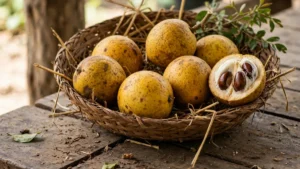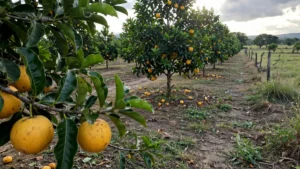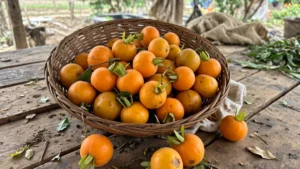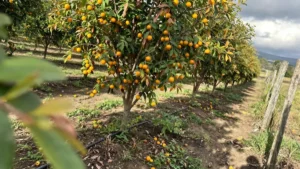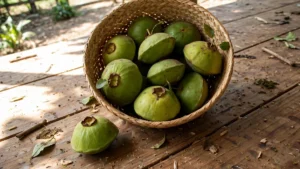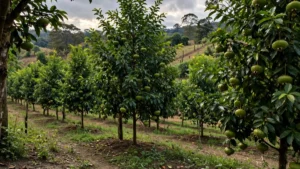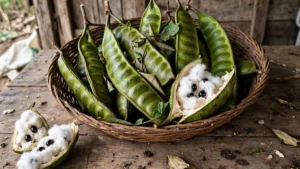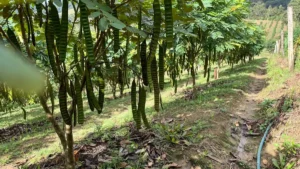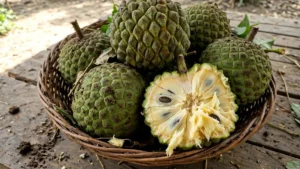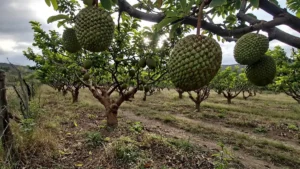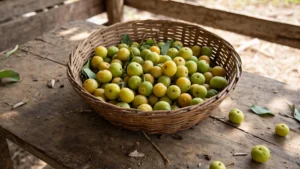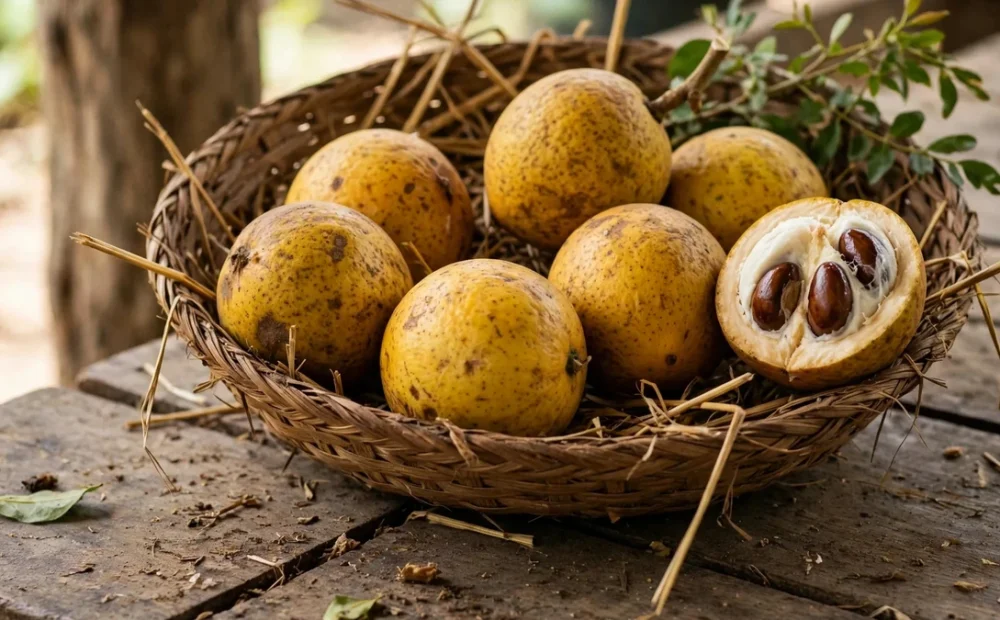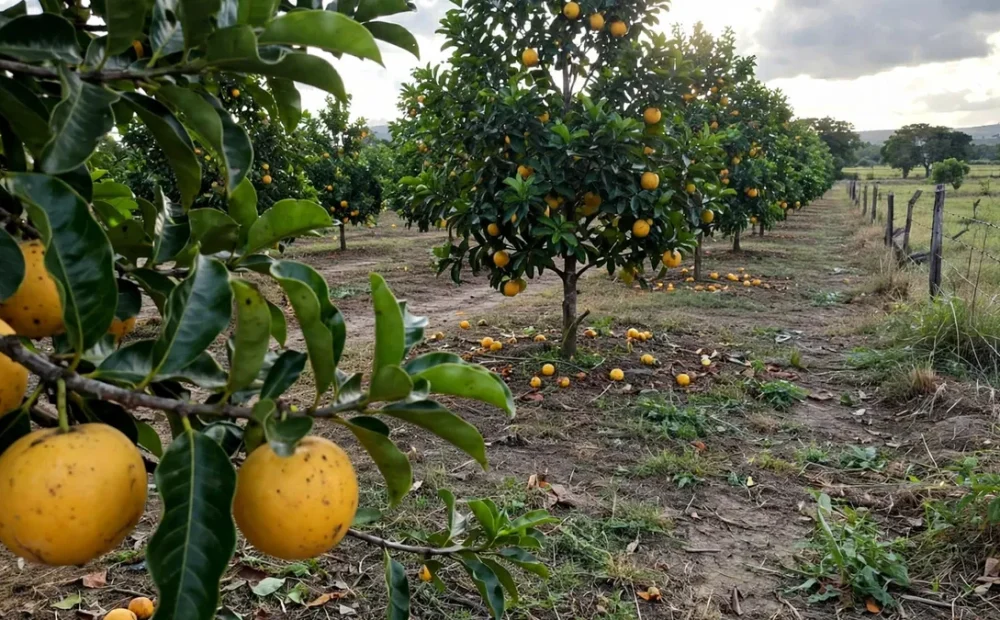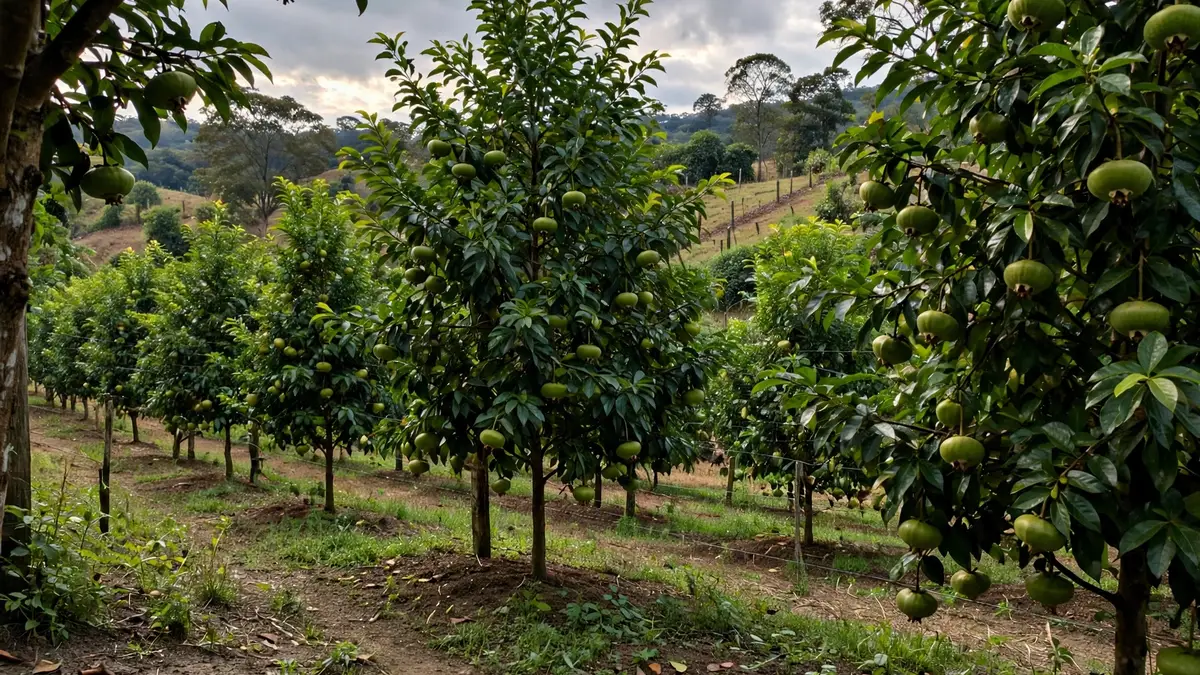
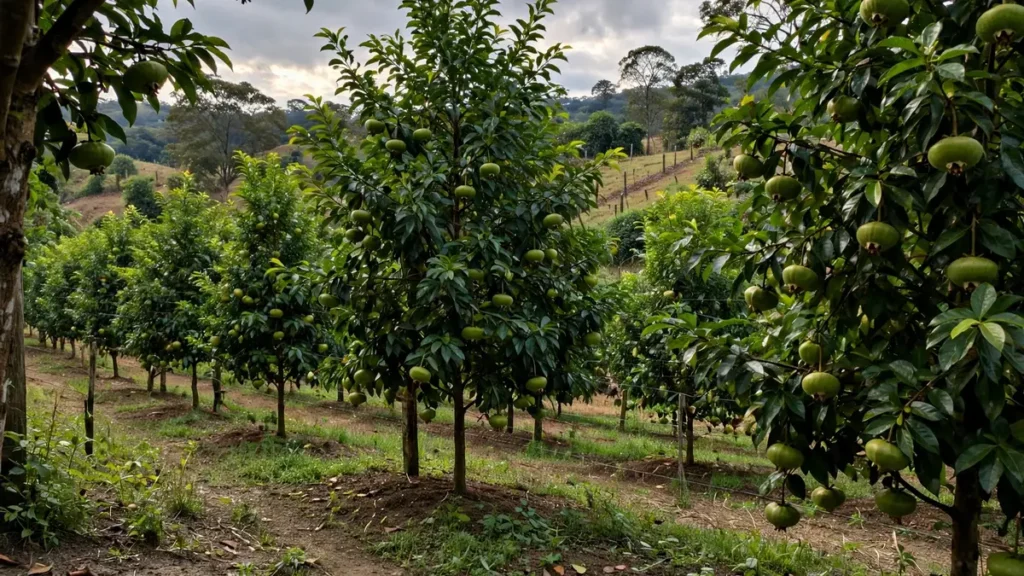
Cambuci is a small green fruit that most people outside São Paulo state have never tasted. Campomanesia phaea grows in the Atlantic Forest around São Paulo, and its round, ribbed fruit is sharply tart, intensely aromatic, and almost never eaten out of hand. Farms turn it into juice, jelly, ice cream and caipirinhas, and the best way to meet it is at the farm where it grows.
A cambuci farm retreat is not a resort holiday with a fruit theme pasted on top. The farms are small, family-run places with a handful of rooms, home cooking, muddy paths and early mornings. The fruit decides the rhythm of the day. When the harvest is on, guests pick, taste, press and cook alongside the family. When it is not, the kitchen works from frozen pulp, and the stay becomes more about the forest and the quiet than about the fruit.
The nine retreats below run from Parelheiros, on the green southern edge of São Paulo city, to the old colonial streets of Paraty on the coast. Each one has working cambuci trees, rooms on the farm, and a tasting built into the stay. Prices are per night for two people, including breakfast.
Key takeaways
- Cambuci is Campomanesia phaea, a green tart fruit from São Paulo’s Atlantic Forest, served as juice, jelly and ice cream.
- Harvest runs roughly from February to April. Outside those months, farms serve frozen pulp and preserves rather than fresh fruit.
- Most cambuci retreats are small family farms, not resorts, so book direct and expect simple comfort and home cooking.
- Ask about the season, the tasting and the full price before you pay.
- Tell the farm about wheat and gluten before you book, since small farm kitchens cook everything in one space, and taste cambuci a little at a time, because the fruit is very tart.
What a cambuci farm retreat actually is
A cambuci farm retreat is a working farm that opens a few rooms to guests during and around the fruit season. Cambuci grows slowly, fruits for a short window, and does not travel well, which is why it stayed a regional secret for so long. A stay usually includes a walk among the trees, a tasting, a meal cooked with the fruit, and time in the forest. Some farms add cooking classes and guided walks.
Cambuci looks like a small green pumpkin, ribbed and firm, with pale flesh and a scent that is floral, citrusy and hard to place. Eaten raw it is sour enough to make most people wince, which is why farms rarely serve it plain. Pressed into juice with a little sugar, or cooked down into jelly, the same tartness becomes bright and refreshing. It differs from jabuticaba, which grows on the trunk of its tree and tastes sweet and grape-like, while cambuci hangs from the branches and tastes sharp and green. Our guide to jabuticaba farm retreats covers that cousin in full, and the contrast is worth knowing before you arrive, because the two fruits are often grown on the same farms.
The season shapes everything. In February, March and April the trees carry fruit, the kitchens are busy, and the farms run their full programme. In other months the trees are quiet, the programme shrinks to walks and cooking with stored pulp, and some farms close their guest rooms altogether. That is the honest rhythm of a fruit that cannot be forced, and farms that tell you the season plainly are worth trusting.
How we chose these retreats and what to look for
We looked for farms that grow cambuci themselves, not places that buy the fruit in. Every retreat below has its own trees, a tasting included in the stay, rooms on the farm, and a price given in full before booking. We also favoured farms that are clear about the season, answer messages directly, and keep groups small enough that the tasting is a conversation rather than a queue.
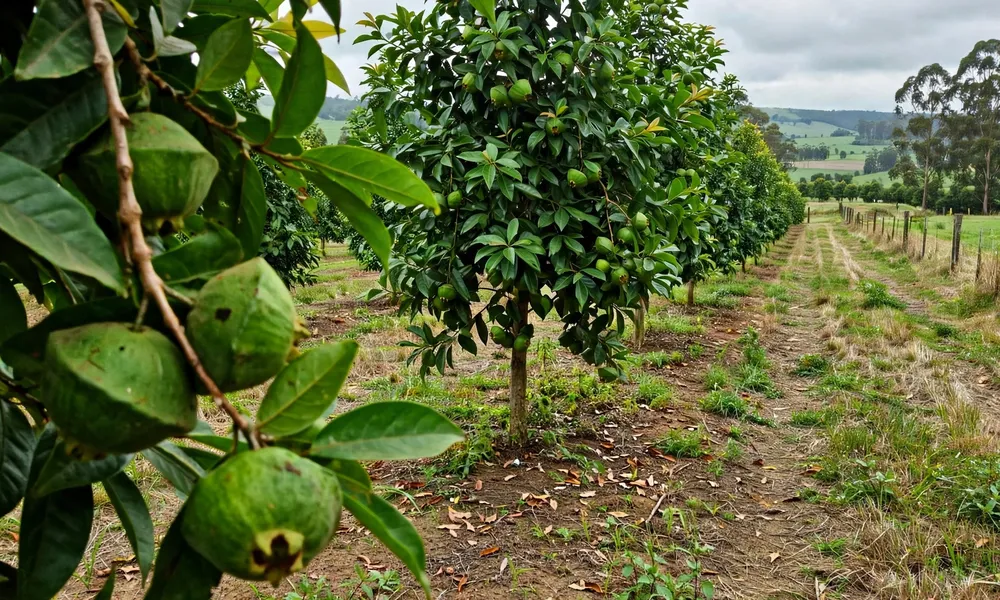
When you compare farms, ask four questions. Does the farm grow its own cambuci, and how many trees does it have. Is the tasting included in the room price, or charged separately. What does the kitchen serve with the fruit, and can it handle wheat and gluten safely. And what happens if you visit outside the harvest, so you know whether you are booking a fruit trip or a forest stay. A farm that answers all four plainly runs its guest rooms with the same care as its orchard.
Price is a weak guide on its own. The most expensive room on this list is not the best farm, and the cheapest is not the worst. What matters is the trees, the tasting, the food and the honesty about the season. A simple farmhouse with a good cook and a full harvest programme beats a polished lodge that treats the fruit as decoration.
The 9 best luxury cambuci farm retreats of 2027
Cambuci Grove Stay, Parelheiros, São Paulo
What we like: A working orchard on São Paulo’s green southern edge, a short drive from the centre, a proper harvest walk, and a kitchen that turns cambuci into jelly, juice and caipirinha. What to consider: Rooms are simple and weekend traffic can slow the drive in. Best for: First-time cambuci tasters who want the fruit without a long journey. Style: Family farmhouse, forest edge. Price range: $145–$195 per night for two. Standout feature: A guided harvest walk that ends with juice pressed from fruit picked minutes earlier.
Parelheiros is where São Paulo’s sprawl gives way to Atlantic Forest, and the farm has kept its trees through decades of city growth.
Santos Hills Cambuci Farmhouse
What we like: A hillside farm above Santos with sea air, forest walks and a tasting table that pairs cambuci juice with local fish. What to consider: The road up is steep and narrow, and the farm asks guests not to drive it after dark. Best for: Couples who want coast and forest in the same trip. Style: Hillside farmhouse, sea views. Price range: $160–$210 per night for two. Standout feature: A sunset tasting on the terrace, with cambuci jelly served alongside cheese and bread.
Santos is known for its port and beaches, but the hills behind the city hold small farms that have grown cambuci for generations.
Campinas Cambuci Orchard Lodge
What we like: A tidy orchard lodge near Campinas with a strong cooking programme and a host who explains the fruit’s history with real affection. What to consider: The lodge books up fast in March, and the nearest town is twenty minutes away. Best for: Food lovers who want to cook with cambuci, not just taste it. Style: Orchard lodge, cooking school. Price range: $135–$185 per night for two. Standout feature: A hands-on jelly-making morning, from picking the fruit to sealing the jars.
Campinas sits in the interior, where the Atlantic Forest meets farmland, and guests pick in the morning and cook before lunch.
Sorocaba Cambuci Hills Retreat
What we like: A quiet hills retreat outside Sorocaba with wide views, a slow pace, and a farm dog that escorts every orchard walk. What to consider: There is little to do beyond the farm, so it suits guests who want rest more than activity. Best for: Travellers who want silence, walks and a good book. Style: Hills retreat, slow pace. Price range: $120–$170 per night for two. Standout feature: A dawn walk through the orchard, when the fruit is at its most fragrant.
Sorocaba is an easy drive from São Paulo, and with only four rooms the orchard never feels crowded.
Ribeirão Preto Cambuci Country House
What we like: A country house near Ribeirão Preto with a large orchard, a swimming pool shaded by trees, and a kitchen that serves cambuci ice cream every evening in season. What to consider: The interior heat is real in summer, and the farm is a drive from the city. Best for: Families who want space, a pool and a fruit programme for children. Style: Country house, family friendly. Price range: $150–$200 per night for two. Standout feature: Evening ice cream made from the day’s picking, served under the trees.
Ribeirão Preto is sugarcane country, and this farm is a green exception, with cambuci trees planted by the owner’s grandfather.
São José dos Campos Cambuci Valley Farm
What we like: A valley farm near São José dos Campos with a stream, a forest trail and a tasting that moves from juice to jelly to dessert. What to consider: Mobile signal is patchy in the valley, which the farm treats as a feature. Best for: Guests who want to switch off and walk. Style: Valley farm, forest trails. Price range: $130–$180 per night for two. Standout feature: A forest trail that ends at a stream, with a picnic of bread, cheese and cambuci jelly.
The valley sits between São Paulo and the coast, with mountain air and a slower climate than the city.
Taubaté Cambuci Farm Inn
What we like: A small inn outside Taubaté with comfortable rooms, a generous breakfast and a host who grows cambuci, pitanga and guava side by side. What to consider: The inn has only three rooms, so it sells out early in harvest season. Best for: Couples who want a comfortable base and a short drive to the coast. Style: Farm inn, comfortable rooms. Price range: $140–$190 per night for two. Standout feature: A breakfast table with three home-made fruit jellies, including cambuci, served every morning.
Taubaté sits in the Paraíba Valley, an old coffee region, and the inn suits guests who want a farm stay with a comfortable bed.
Ubatuba Cambuci Beach Farm
What we like: A beach farm near Ubatuba where the Atlantic Forest meets the sea, with a morning orchard walk and an afternoon on the sand. What to consider: Rain is common in Ubatuba, and the farm’s paths turn muddy quickly. Best for: Beach lovers who want a fruit farm in the same trip. Style: Beach farm, forest and sea. Price range: $170–$230 per night for two. Standout feature: A beach picnic with cambuci juice, grilled fish and fruit from the farm.
Ubatuba is one of the greenest stretches of the São Paulo coast, where the forest runs down to the beach.
Paraty Cambuci Forest Lodge
What we like: A forest lodge near Paraty with colonial-town charm, a waterfall walk and a dinner menu that uses cambuci in three courses. What to consider: The lodge is a drive from Paraty town on a dirt road, and the town is busy in high season. Best for: Travellers who want history, forest and food in one stay. Style: Forest lodge, colonial town nearby. Price range: $165–$220 per night for two. Standout feature: A three-course cambuci dinner, from a tart starter to a jelly dessert.
Paraty is one of Brazil’s most beautiful colonial towns, and the lodge gives guests the town and the forest together.
Which cambuci farm retreat is right for you
If this is your first cambuci trip, start close to São Paulo. Parelheiros gives you the fruit, the forest and a short journey, and if the tartness surprises you, the city is close. Campinas and Sorocaba suit a first trip too, with cooking programmes that teach you what the fruit is for.
If you want the coast as well as the farm, choose Ubatuba or Paraty. Both pair a morning in the orchard with the sea and the town, and both are best when the harvest is on. Santos works the same way on a smaller scale, with sea views from the hills.
If you want quiet above all, pick Sorocaba, Taubaté or São José dos Campos. These are the slow farms, with few rooms, long walks and early nights. Families with children will do best at Ribeirão Preto, where the pool and the picking baskets keep younger guests busy. For a wider view, compare with our pitanga farm retreats, which cover a sweeter fruit grown across the same region.
The caveats that matter
Cambuci is seasonal, tart and little-known, and a good trip respects all three facts. The harvest is short, the fruit is sour enough to surprise, and most farms are small family businesses. None of that is a problem if you book with your eyes open.
| Detail | What is known |
|---|---|
| Best season | February to April for fresh fruit; frozen pulp and preserves the rest of the year |
| How the fruit is served | Juice, jelly, ice cream and caipirinhas; rarely eaten raw, it is very tart |
| Who should taste carefully | Children and sensitive stomachs should start with a small taste |
| Wheat and gluten | Small kitchens cook in one space, so tell the farm before you book |
| Language | Portuguese is the farm language; some hosts speak basic English |
| Getting there | A car is usually needed; farm roads can be steep or muddy after rain |
| Payment | Many farms ask for a deposit by bank transfer and take cards on site |
| What it does not include | Transport, travel insurance and meals beyond those stated in the booking |
If you are pregnant, have a medical condition, or take medication that affects what you can eat, check with your clinician before a trip built around a tart, acidic fruit. A farm that hears your needs before you arrive will take better care of you.
Checklist: planning a cambuci farm retreat honestly
Use these checks before you book, and again before you travel.
- Check the season: ask whether fresh fruit will be on the trees on your dates, or whether the kitchen will use pulp.
- Check the tasting: confirm it is included, and what it covers.
- Check the food: tell the farm about wheat, gluten and any other allergy in your first message.
- Check the journey: confirm the road, the nearest town and whether the farm can arrange a lift.
- Check the price: get the full cost in writing, including the tasting, meals and any deposit.
- Check the fruit: if you want to compare cambuci with its sweeter cousins, read our grumixama farm retreats before you choose, since the two fruits grow in the same forests.
Frequently asked questions
When is cambuci in season?
Fresh cambuci is usually on the trees from February to April, though the exact weeks shift with the rain and the farm’s altitude. Outside those months, farms serve juice, jelly and ice cream made from frozen pulp.
Can I eat cambuci fresh from the tree?
You can, but most people do not enjoy it plain. The fruit is very tart and astringent when raw. Farms serve it as juice, jelly or ice cream, where the tartness turns bright, and a small raw taste is enough to understand it.
Can I visit a cambuci farm if I only speak English?
Yes, with a little preparation. Portuguese is the farm language, and some hosts speak basic English. Learn a few food and allergy phrases, write your wheat and gluten note in Portuguese, and confirm the details by message before you travel.
How tart is cambuci, really?
Very tart, closer to a green plum or an unripe passion fruit than to a sweet berry. The aroma is floral and citrusy, and the flavour opens up with a little sugar. Children often prefer the ice cream, where the tartness is softened by cream.
Is a cambuci farm retreat good for children?
Yes, if the farm welcomes them and the season is right. Picking baskets, a jelly-making morning and a pool suit children well, and the tartness is easier as juice or ice cream. Check the farm’s age policy and its paths before you book.
What should I pack for a cambuci farm stay?
Light clothes, a rain jacket, closed shoes for mud, sun protection and insect repellent. Mornings in the orchard are cool and the paths are uneven, so a small day bag for water and a camera beats a suitcase of smart clothes.
The bottom line
The best cambuci farm retreat in 2027 is not the most polished lodge or the one nearest the beach. It is the farm with its own trees, a tasting in the price, a kitchen that knows the fruit, and an honest answer about the season. Parelheiros is the easiest first step, Ubatuba and Paraty add the coast, and the quiet farms around Sorocaba and Taubaté are the slowest.
Book in harvest season if the fruit is the point of your trip, tell the farm about wheat and gluten before you pay, and go ready for a tart, fragrant fruit that most of Brazil has never tasted. That is the honest way to meet cambuci.