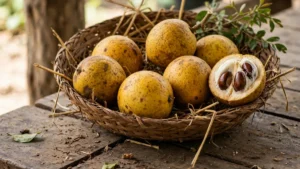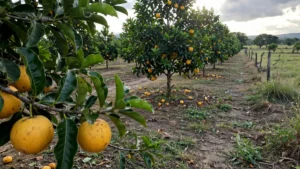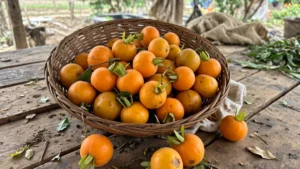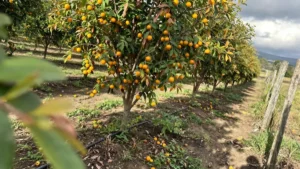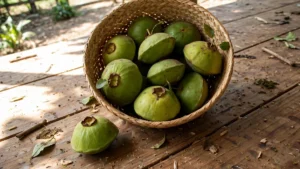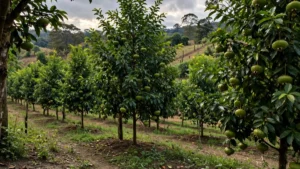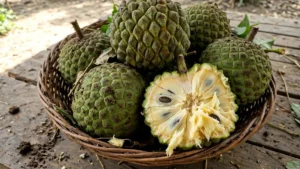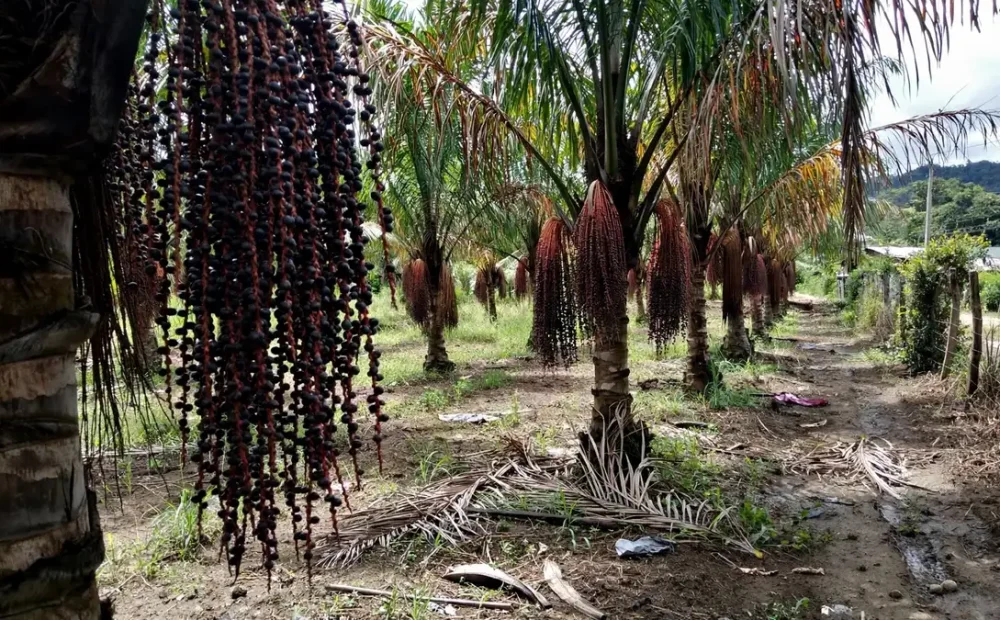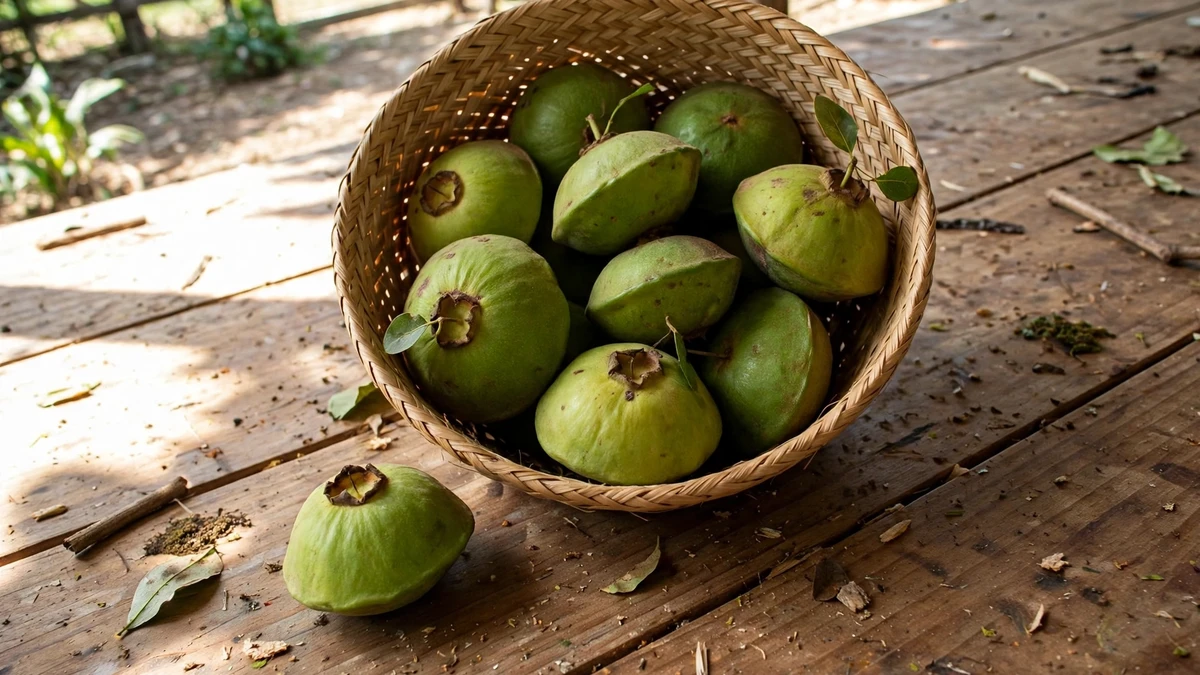

A cambuci farm escape is a short trip built around a fruit most travellers have never heard of, in a part of Brazil most visitors pass through without stopping. Campomanesia phaea grows in the Atlantic Forest of São Paulo state, and its small green fruit is tart, fragrant and almost impossible to buy in a shop. The farms that grow it are small and family-run, and a good escape is planned around the harvest.
Planning matters more here than on a normal countryside break, because the fruit decides what the trip can be. In harvest season, from roughly February to April, the trees carry fruit, the kitchens run their full programme, and the tasting is the centre. Outside those months the farm is quieter, the fruit comes from frozen pulp, and the trip becomes a forest stay with cambuci on the menu. Both are worth doing, but they are different trips, and the disappointment comes from booking one while expecting the other.
This guide walks through the nine steps that make a cambuci escape work, from the harvest calendar to the first morning tasting, with the practical details small farms expect you to sort yourself: the road, the deposit, the food note and the season.
Key takeaways
- Cambuci, or Campomanesia phaea, is a tart green fruit of São Paulo’s Atlantic Forest, best as juice, jelly and ice cream.
- Plan around the harvest, roughly February to April, and confirm what will be fresh on your dates.
- Most cambuci farms are small family businesses, so book direct, by message, and expect a deposit.
- Sort the journey from the nearest town before you travel, because farm roads can be steep or muddy after rain.
- Mention wheat and gluten in your very first note to the farm, since small kitchens cook everything in one space, and taste the fruit a little at a time, because it is very tart.
What a cambuci farm escape actually involves
A cambuci farm escape is usually two to four nights at a working farm, with the orchard, the kitchen and the forest as the main activities. Days start early, with a walk among the trees while the fruit is cool, then a tasting, then a long lunch cooked with the fruit. Afternoons are for forest walks, a swim where the farm has one, or a nearby town. Evenings are quiet, with dinner at a shared table.
The fruit shapes the day because it is perishable and seasonal. Ripe cambuci softens quickly and does not travel, so the farm picks in the morning and uses the fruit the same day. Guests who arrive expecting a fruit buffet at any hour will be disappointed. Guests who join the morning picking will taste cambuci at its best, pressed into juice within minutes.
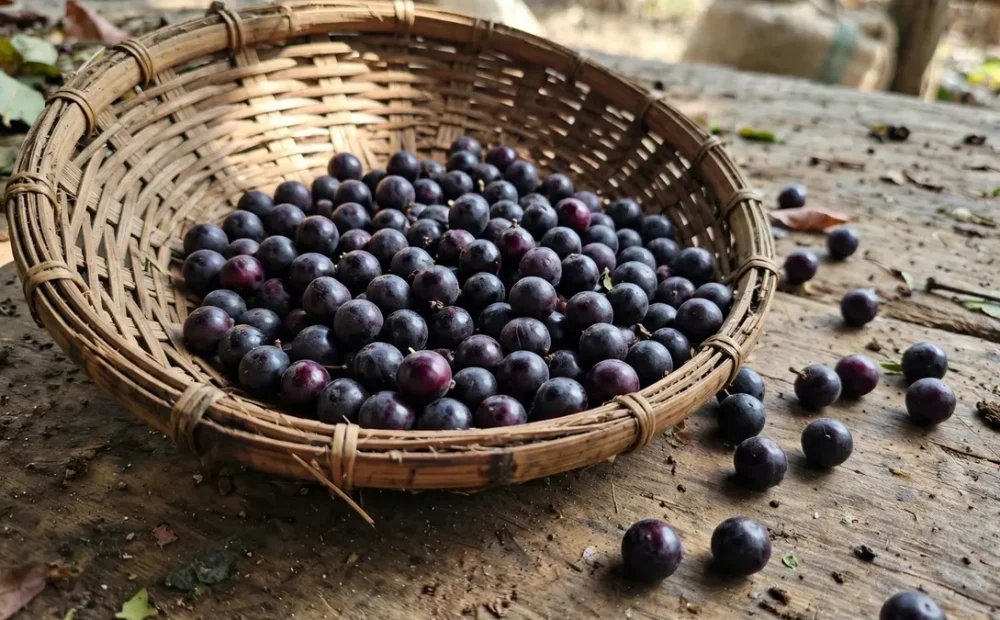
The stay is also a lesson in a fruit that is different from its better-known neighbours. Jabuticaba grows on the trunk of its tree and tastes sweet, like a grape, while cambuci hangs from the branches and tastes sharp and green. The two fruits are often grown on the same farms, and the contrast is part of the education. Our guide to planning a jabuticaba farm escape shows how the sweeter cousin’s trip is planned, and will help you choose which fruit and pace suit you.
How to plan it well and what to look for
Good planning for a cambuci escape starts with the farm, not with the flight. Find a farm with its own trees, a tasting included in the price, rooms on the farm, and a host who answers messages directly. Then build the rest of the trip around the farm’s dates: the harvest and the tasting days. Flights and car hire come last, not first.
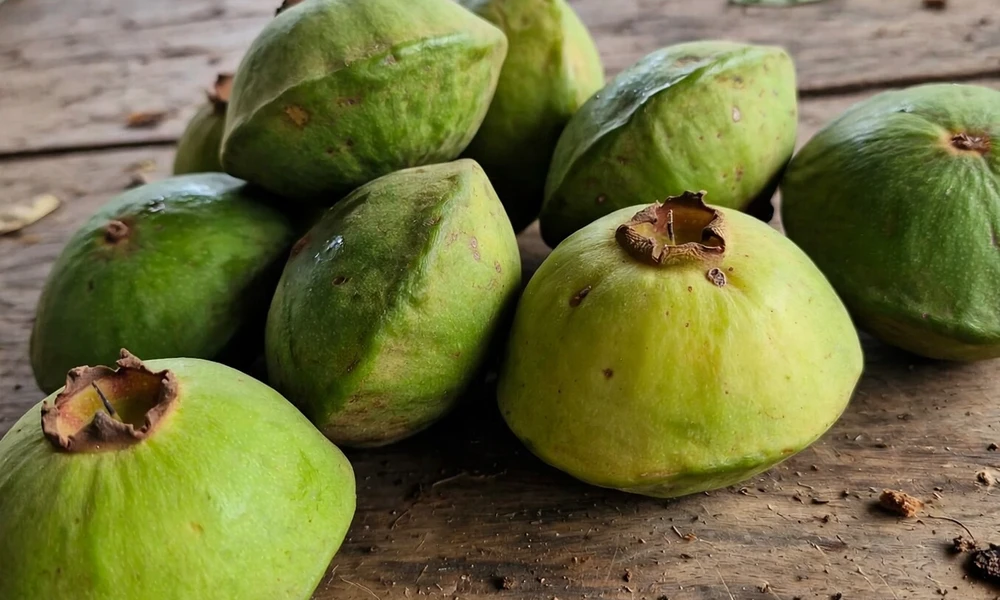
When you compare farms, look for the same four signs: own trees, an included tasting, clear pricing, and honest season notes. A farm that tells you the harvest is over and the kitchen is using pulp is more trustworthy than one that promises fresh fruit all year. A farm that answers your food note in detail is more trustworthy than one that replies with a single line.
Keep the plan simple. One farm, two to four nights, and a single base will give you a better cambuci trip than a tour of three farms in four days. The fruit rewards slow attention, and the farms are not set up for guests who arrive late and leave early.
The 9 steps to planning a cambuci farm escape
Check the fruit calendar before you check flight prices
What to do: Ask the farm when its cambuci ripens, and build your dates around the answer. What to avoid: Booking flights first, then finding the harvest ended two weeks earlier. Best for: Anyone whose trip is about the fruit. Time needed: A week of messages before you commit. Standout tip: Mid-March is the safest bet for fresh fruit, but confirm it with the farm.
The harvest calendar is the one thing you cannot change later. Cambuci ripens roughly from February to April, but a wet summer or a high farm can move the season by weeks.
Match the region to the pace you want
What to do: Choose the coast for beach and forest together, the interior for cooking and quiet, and the city edge for a short first trip. What to avoid: Picking a region for the town, then resenting the drive to the farm. Best for: Travellers who know whether they want rest, food or the sea. Time needed: An evening of reading and one honest talk with yourself. Standout tip: Parelheiros suits a first trip, Ubatuba suits a beach trip, and Sorocaba suits a slow one.
Cambuci grows across São Paulo state, from the coast to the interior, and each region gives a different trip. The coast adds beaches and rain, the interior adds cooking.
Ask how the fruit is served before you book
What to do: Ask what the tasting includes, whether it is juice, jelly, ice cream or a meal, and whether it costs extra. What to avoid: Assuming the tasting is included, or that fresh fruit will be at every meal. Best for: Food lovers and anyone travelling with children. Time needed: A single message sent before you pay anything. Standout tip: A farm that lists its tasting in writing takes it seriously.
Cambuci is rarely served raw, because it is too tart for most people. Farms press it into juice, cook it into jelly, churn it into ice cream and mix it into caipirinhas. Ask how your farm serves it.
Mention wheat and gluten in your very first note
What to do: Write your wheat and gluten needs in your first message, in Portuguese if you can, and ask how the kitchen handles them. What to avoid: Mentioning it on arrival, when the kitchen has already cooked the day’s menu. Best for: Anyone with coeliac disease, a wheat allergy or a gluten sensitivity. Time needed: Five minutes when you first write to the farm. Standout tip: A short written note in Portuguese, kept on your phone, works better than a spoken explanation.
Farm kitchens are small and cook everything in one space, so cross-contact is a real question. A farm that answers in detail can look after you. A farm that brushes the question aside is telling you something.
Agree the full price in writing before you pay
What to do: Get the room, the tasting, the meals and the deposit in one written message, and keep it. What to avoid: Paying a deposit on a verbal price, or assuming dinner is included. Best for: Every guest, and especially first-time visitors to Brazil. Time needed: One exchange of messages before the deposit. Standout tip: Ask what is not included, because transport and extra meals are the usual surprises.
Small farms price simply, but simply does not always mean completely. The room may include breakfast but not dinner, the tasting may be included but the cooking class may not, and the deposit may be non-refundable. All of it should be in writing before money moves.
Book the room and the tasting as one plan
What to do: Book the room and the tasting together, on the same dates, with the farm’s confirmation for both. What to avoid: Booking a room and assuming the tasting runs every day. Best for: Harvest-season travellers, when tastings fill up. Time needed: A single booking conversation, done properly. Standout tip: Ask which days the tasting runs, because some farms only run it on certain mornings.
The tasting is the heart of a cambuci escape, and it does not always run daily. Some farms taste on set mornings, some only when the fruit is ripe, and some only for guests who booked ahead. Book the room and the tasting as one plan, with written confirmation for both.
Sort the journey from the nearest town in advance
What to do: Confirm the road, the nearest town, and whether the farm can arrange a lift or a taxi. What to avoid: Arriving at a bus station at dusk with no lift arranged. Best for: Guests without a hire car. Time needed: One message and a saved map pin before you travel. Standout tip: Save the farm’s location offline, because mobile signal is patchy in the valleys.
Cambuci farms sit at the end of dirt roads, up steep hills or down forest valleys, and public transport rarely reaches the gate. A hire car is the simplest answer, but if you do not drive, the farm can usually arrange a lift. Arrange it before you travel, not on arrival.
Pack for muddy paths, rain and early mornings
What to do: Pack closed shoes that can handle mud, a rain jacket, sun protection and insect repellent. What to avoid: Smart shoes, white clothes and a suitcase you cannot carry down a farm track. Best for: Anyone who wants to join the morning picking. Time needed: An evening of packing. Standout tip: A small day bag for water, a hat and a camera will serve you better than a large bag.
The orchard is worked in the cool of the morning, when the ground is damp and the paths are uneven. The right clothes are light, washable and closed at the feet, with a jacket for the rain that Ubatuba and Paraty are known for.
Taste the fruit on your first morning
What to do: Join the first morning picking and tasting, while the fruit is fresh and the farm is at its most generous. What to avoid: Sleeping through the morning and expecting the same tasting at dinner. Best for: Every guest, and especially first-timers. Time needed: One early morning, willingly given. Standout tip: Taste a little raw fruit first, then the juice, then the jelly, and follow how the tartness changes.
The first morning is when the fruit is cool, the picking is fresh and the host has time to talk. Later in the day the kitchen is busy and the tasting becomes shorter. An early start is the cheapest way to get the best of the farm.
Choosing where to go
Choose by pace first and by place second. If you want a short first trip, Parelheiros puts you in the forest within an hour of São Paulo city, and the farm there is used to guests who have never tasted cambuci. If you want the coast, Ubatuba and Paraty pair the orchard with the sea. If you want quiet, Sorocaba and Taubaté give you few rooms, long walks and early nights.
Consider the season alongside the region. The coast is wetter and greener, and its fruit ripens a little differently from the interior, so a farm in Ubatuba may be in full harvest while one near Campinas is starting. Ask each farm about its own dates, and be ready to shift your trip by a week if the fruit will be better then.
For a wider view, compare with our guide to planning a pitanga farm escape, which covers a sweeter fruit grown on many of the same farms. The comparison will help you decide whether cambuci’s tartness or pitanga’s sweetness is the trip you want.
The caveats that matter
A cambuci escape is a small-farm trip, and its caveats are the caveats of small farms: short seasons, simple rooms, dirt roads and kitchens that cook everything in one space. None of these is a reason not to go. All of them are reasons to plan properly.
| Detail | What is known |
|---|---|
| Best season | February to April for fresh fruit; pulp and preserves the rest of the year |
| How long to stay | Two to four nights is enough to pick, taste, cook and walk |
| Booking | Direct, by message, with a deposit; get the full price in writing |
| Wheat and gluten | Tell the farm in your first message; small kitchens cook in one space |
| Getting there | A car is usual; otherwise arrange a lift from the nearest town |
| Language | Portuguese is the farm language; bring food phrases written down |
| What to pack | Closed shoes for mud, a rain jacket, sun protection, insect repellent |
| What it does not include | Transport, travel insurance and meals beyond the booking |
If you are pregnant, have a medical condition, or take medication that affects what you can eat, check with your clinician before a trip built around a tart, acidic fruit. A farm that knows your needs in advance will look after you better.
Checklist: planning a cambuci farm escape honestly
Use these checks before you book, and again before you travel.
- Check the harvest: confirm fresh fruit will be on the trees on your dates, or what the kitchen will serve.
- Check the tasting: confirm it is included, which days it runs, and what it covers.
- Check the food: mention wheat, gluten and any other allergy in your first message to the farm.
- Check the price: get the room, the tasting, the meals and the deposit in one written message.
- Check the journey: confirm the road, the nearest town and the lift, and save the location offline.
- Check the comparison: if you are torn between cambuci and its sweeter cousins, read our grumixama farm escape guide before you choose, since the two fruits grow in the same forests.
Frequently asked questions
How long should I stay at a cambuci farm?
Two to four nights is enough for most guests. Two nights gives you a full picking morning, a tasting and a cooking session. Four nights lets you walk the forest, visit a nearby town and eat at the farm.
Can I book a cambuci farm stay without speaking Portuguese?
Yes, with preparation. Message the farm in advance, use a translation app for the important details, and bring your food and allergy notes written in Portuguese. Some hosts speak basic English, but the booking is easier with the key facts in writing.
Is cambuci juice safe for children?
Yes, in small amounts, and most children prefer it as juice or ice cream rather than raw. The fruit is very tart, so start with a small glass. Ask the farm what it serves children, since many make a milder juice for younger guests.
What happens if I visit outside harvest season?
The farm serves juice, jelly and ice cream made from frozen pulp, and the stay becomes more about the forest, the walks and the cooking. Some farms close their guest rooms outside the season, so check before you book.
Do cambuci farms take cards, or is it cash only?
Most farms take cards on site, but many ask for the deposit by bank transfer, which can be awkward for visitors without a Brazilian account. Ask about payment when you book, and bring enough cash for the deposit.
Can I buy cambuci jelly to take home?
Often yes. Many farms sell jars of jelly, and some sell frozen pulp, at the farm shop or the kitchen table. Jelly travels well and keeps for months, while fresh fruit does not. Ask the farm what it has in stock before your last morning.
The bottom line
A good cambuci farm escape is planned around the harvest, booked direct with the farm, and built on a few plain questions asked early: when does the fruit ripen, what does the tasting include, what is the full price, and how does the kitchen handle wheat and gluten.
Choose the region that matches your pace, pack for mud and early mornings, and taste the fruit on your first morning, while it is fresh and the farm has time to talk. That is the honest way to plan a cambuci escape.