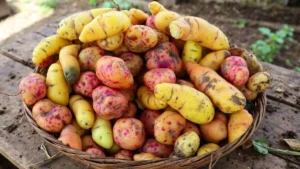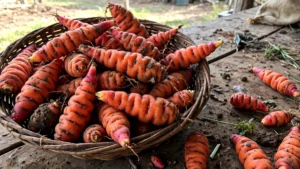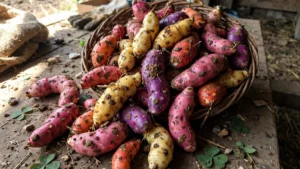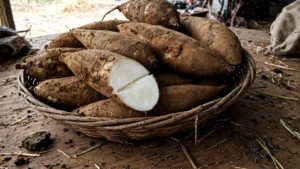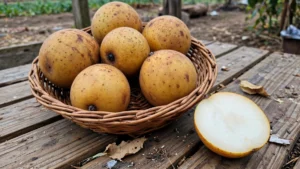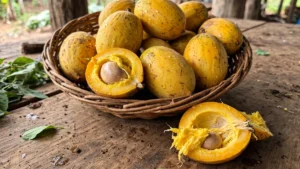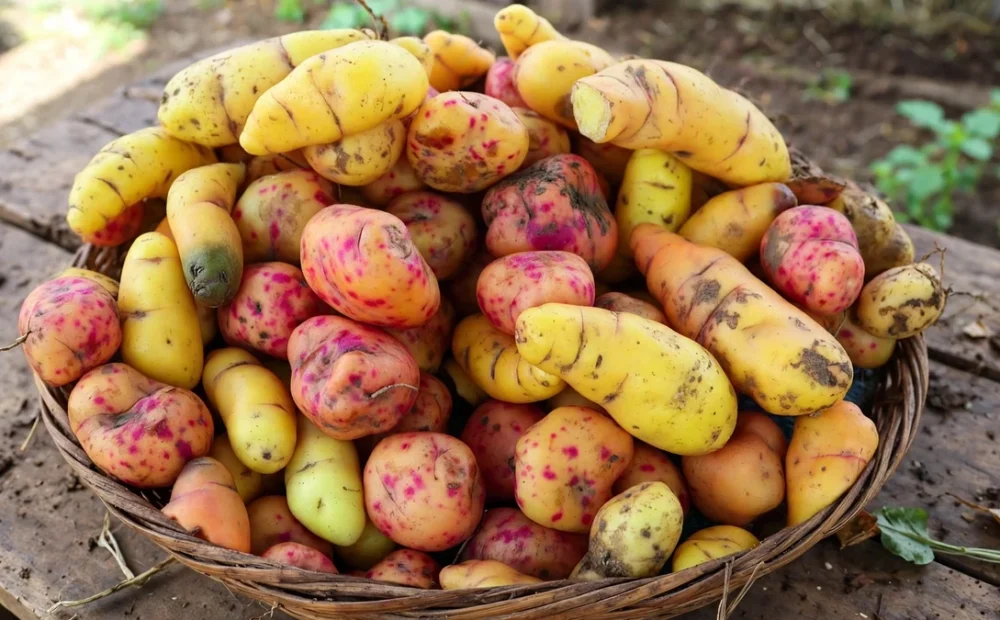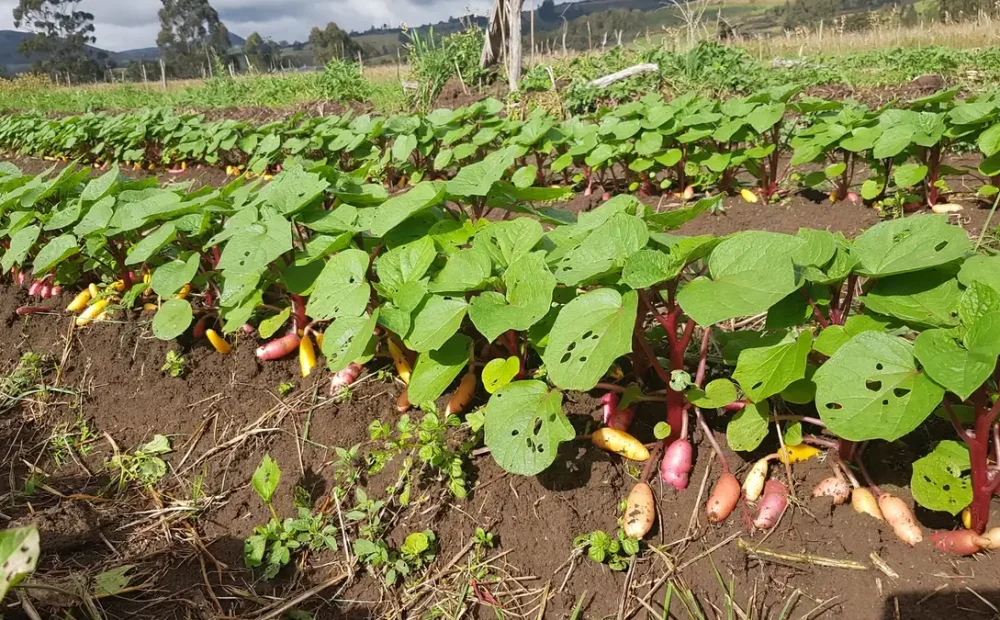

Yacon is the Andean root almost nobody outside the high valleys has tasted raw, and that is exactly why a yacon farm retreat feels like a discovery. The plant grows as Smallanthus sonchifolius, a tall leafy perennial of the Andes, and hides its treasure underground: crisp, sweet tubers that eat like a cross between a pear and a water chestnut. Dug up, left in the sun for a few days to sweeten, and sliced open, a yacon tuber is juicy, pale and honeyed, with none of the starchiness people expect from a root. Pressed into juice or boiled down into syrup, it turns into the valley’s quiet sweetener, dark, floral and far less sharp than cane sugar.
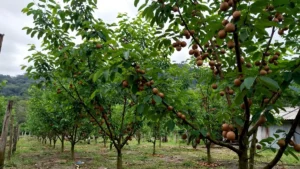
A yacon farm stay is not a resort with a root theme pasted on top. The farms in this guide are working places where the terraces climb the hillsides, where breakfast is served with boiled tubers and fresh cheese, and where the day is shaped by the altitude, the sun and the digging. Some stays are simple family rooms above a courtyard; others are full lodges with guides, hot springs and mule trips. What they share is real yacon in the ground and a pace that lets you taste a tuber within the hour it was dug.
Below are nine yacon farm retreats worth booking in 2027, spread across the Andes from Cusco to Quito. Each one is covered by what it offers, what to watch for, and who will enjoy it most.
Key takeaways
- Yacon, from the plant Smallanthus sonchifolius, is an Andean tuber that is sweet, crisp and juicy, eaten raw, pressed into juice or boiled into syrup.
- The tubers sweeten in the sun after digging, so the best visits line up with the harvest weeks when the leaves have died back.
- The flavour is mild and pear-like, with a honeyed sweetness that surprises anyone expecting a starchy root.
- Stays range from simple family rooms to full lodges with guides and hot springs, and the price should state what meals, walks and tastings it covers.
- Farm kitchens use wheat flour daily, so guests who cannot eat gluten should sort their meals out before booking.
What a yacon farm retreat actually is
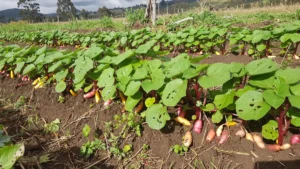
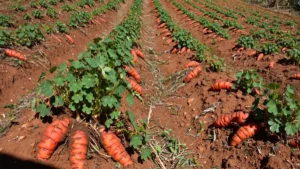
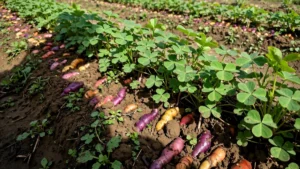
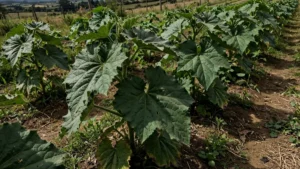
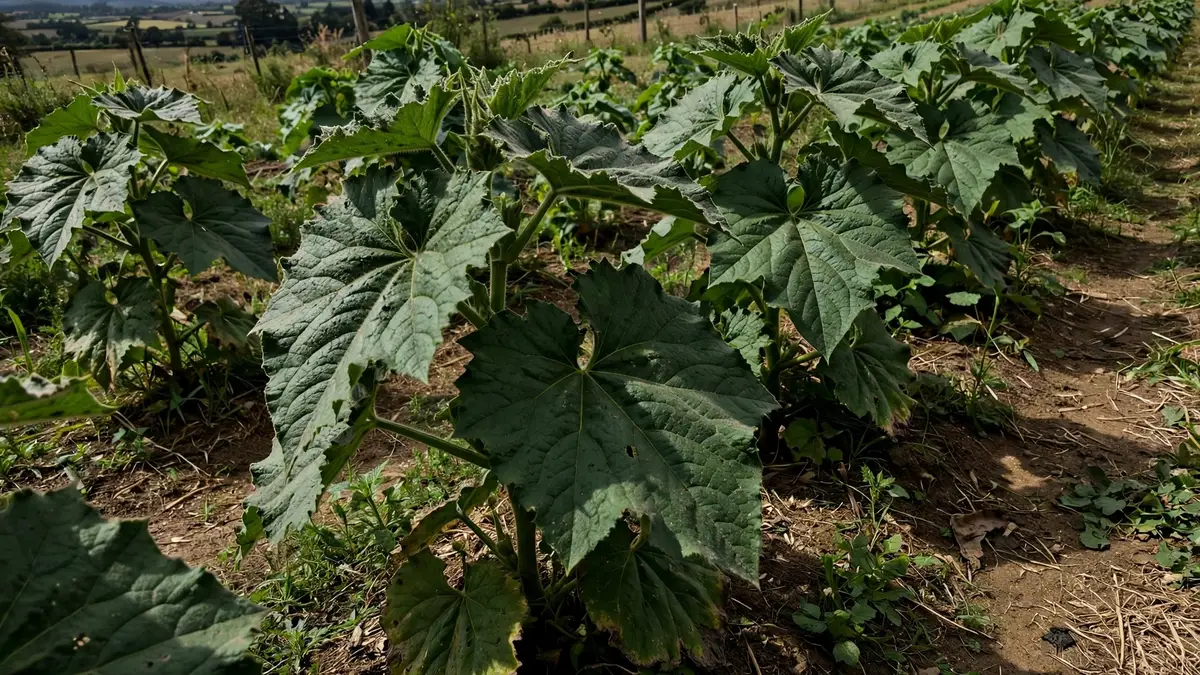
A yacon farm is a working terraced hillside built around a root that most of the world barely knows. Smallanthus sonchifolius grows tall and leafy, with sunflower-like heads that most visitors never notice, because the crop is what lies under the soil. When the leaves die back the tubers are ready, and the harvest is a morning of digging, brushing off the earth, and laying the roots in the sun to sweeten. The flesh inside is crisp, pale and juicy, and a slice eaten in the field tastes like a cold pear.
The plant has a second life the farms like to tell. Its leaves are brewed into tea in the valleys, and its syrup has been the local sweetener for generations, made by boiling the juice down slowly over a wood fire. A stay on one of these farms is a walk through that history, with the terraces doing the talking.
What a retreat adds is comfort and entry. The farms below offer rooms, meals, digging days, valley walks and tastings, and the better ones employ a guide who can tell a yacon from a jicama at a glance. You need sturdy shoes, layers for the mountain air, and an appetite for sweet roots, and a willingness to let the altitude set the schedule.
How we picked these stays, and what to ask first
We looked for farms where yacon grows on the land itself, not bought in for the weekend. A retreat earns its place here when guests can walk from their room to a terrace, watch a tuber come out of the ground, and taste it within the hour. We also weighed the rooms, the food, the guides and the honesty of the pricing.
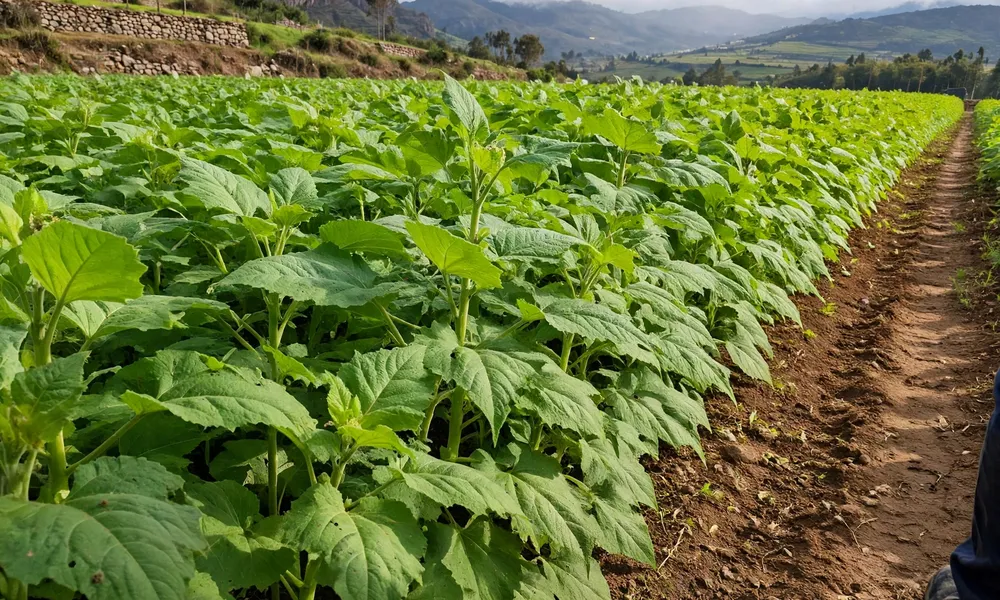
Three questions settle the booking before any money moves. First, which weeks the harvest falls in, because a yacon trip outside that window is a farm stay without the root that gives it its point. Second, whether guests may join the digging themselves. Third, what the price covers: the room, the meals, the walks, the mules, and whether tastings are charged separately. A farm worth booking answers all three in a single reply.
If you have eaten at a camu camu farm before, the shape of the trip will feel familiar, and our guide to the best luxury camu camu farm retreats shows how a sister crop is handled on the river. Yacon is a different plant from a different altitude, but the questions to ask before booking are much the same.
The 9 best luxury yacon farm retreats of 2027
Cusco, Peru — Yacon beneath the old Inca capital
What we like: The shortest journey of any stay on this list, with yacon terraces an hour from the city, mountain views from the rooms, and breakfast built around boiled tubers and fresh cheese. What to consider: The altitude is serious at over 3,000 metres, and the city edge means traffic at the start of the trip. Best For: First-time visitors who want yacon without a long journey. Style: Terrace lodge with stone walls and wide views. Price Range: $115–$185 per night. Standout Feature: Morning digging walks that end at the farm table.
Cusco asks so little of the traveller.
Arequipa, Peru — Yacon in the white city foothills
What we like: Dry sunny air, a proper lodge with guides on staff, and terraces that pair yacon digging with views of the volcanoes. What to consider: The sun is fierce at altitude, and the journey takes a full day from the coast. Best For: Travellers who want the mountains themselves, not just the root. Style: Volcano-view farmhouse with shaded courtyards. Price Range: $180–$275 per night. Standout Feature: Guided dawn walks through old yacon terraces.
Arequipa is the most complete yacon experience on the list, and the most demanding.
Huancayo, Peru — Yacon in the heart of the high valley
What we like: A rare setting in the Mantaro valley, with yacon terraces on the slopes and a famous Sunday market a short walk away. What to consider: The town is busy on market days, and the best rooms book out early. Best For: Couples who want roots, markets and mountains in one trip. Style: Valley farmhouse with wide verandas. Price Range: $120–$195 per night. Standout Feature: Yacon syrup poured at breakfast over warm bread.
Huancayo gives you two landscapes for the price of one.
Cajamarca, Peru — Yacon in the northern highlands
What we like: A small, quiet farm near the old Inca baths, with generous terraces, patient hosts, and some of the sweetest yacon on this list. What to consider: Flights are few and the town is low-key, so plan the journey with care. Best For: Unhurried travellers who want the farm mostly to themselves. Style: Family-run farm with plain, comfortable rooms. Price Range: $105–$170 per night. Standout Feature: Hot-spring evenings after a day of digging.
Cajamarca is the quiet choice, and the root repays the patience. The terraces sit on green slopes near the baths, and the hosts have time to talk.
Ayacucho, Peru — Yacon under wide southern skies
What we like: Open mountain light, a working farm with animals and terraces side by side, and yacon that ripens in the drier air. What to consider: The south is far from everywhere, and the dry season brings dust and cold nights. Best For: Travellers who enjoy open country and far horizons. Style: Ranch-style farm with cool shaded courtyards. Price Range: $85–$140 per night. Standout Feature: Yacon tasting under the open mountain sky.
Ayacucho feels different from the valley farms, because the land is open and the sky does the work. The yacon grows alongside pasture, and the harvest comes in a little later.
Puno, Peru — Yacon where the lake meets the sky
What we like: A large farm near Lake Titicaca, with boat access, strong guides, and yacon terraces that stretch a long way back from the shore. What to consider: The altitude is the highest on this list, so the approach is practical rather than pretty. Best For: Groups and families who want space and lake trips. Style: Lakeside farm with boat trips and a big shared table. Price Range: $130–$210 per night. Standout Feature: Boat journeys to terraces you cannot reach by road.
Puno suits travellers who like their roots with a lake journey attached.
La Paz, Bolivia — Yacon on the high plateau
What we like: A frontier farm with deep valleys behind it, Aymara farming history in the family, and yacon terraces that feel genuinely old. What to consider: The journey is long, the roads are rough, and the farm sits far out. Best For: Adventurous travellers who want the far edge of the Andes. Style: Highland lodge with valley trails. Price Range: $150–$240 per night. Standout Feature: Valley trails where yacon grows among quinoa fields.
La Paz is the wild card. The farm sits where the plateau breaks into valleys, the hosts are the children of Aymara farmers, and the yacon grows half-wild among older crops.
Cochabamba, Bolivia — Yacon in the valley of eternal spring
What we like: A young city with clean roads and easy flights, a farm in the hills behind it, and yacon terraces with views over the valley. What to consider: The terraces are younger than the Peruvian farms, so the roots are lighter in some years. Best For: Short stays and travellers who want the journey kept simple. Style: Hillside farm with modern rooms. Price Range: $110–$180 per night. Standout Feature: Breakfasts on the hilltop above the valley mist.
Cochabamba is the practical choice. The farm is close to the city, the rooms are comfortable, and the terraces are easy to walk.
Quito, Ecuador — Yacon on the equator’s slopes
What we like: A big working farm where orchards, terraces and cloud forest meet, with generous hosts and yacon that ripens in the open sun. What to consider: The farm is a working place first, so the pace is set by the animals and the seasons. Best For: Travellers who want a working farm, not a staged one. Style: Working farm with long verandas and home-style cooking. Price Range: $90–$155 per night. Standout Feature: Home-cooked meals with yacon in the dessert.
Quito closes the list with honesty. This is a farm that happens to have yacon, not a yacon attraction with a farm attached.
Which yacon region fits your trip
The valley towns suit first visits. Cusco and Huancayo give you yacon within easy reach of an airport, a market and a proper bed, and the harvest is reliable in season. If you only have a long weekend, begin there.
The deep highlands suit a longer stay. Arequipa and La Paz ask for a week and repay it with old terraces, valley journeys and guides who know the plants by name. Cajamarca sits between the two, quiet and generous, and Puno suits groups, because the farm is big and the boats are ready.
The warmer edge suits a different kind of trip. Cochabamba, Ayacucho and Quito sit where the mountains open into gentler country, and the yacon there ripens in a different light. These are the stays for travellers who have already seen the valley farms. If the Amazon berries are your reference point, our guide to the best luxury acai farm retreats is a useful companion, because acai grows at the other end of the altitude scale.
The caveats that matter
Yacon is a gentle root, but a farm trip still needs honest expectations. The tubers sweeten when they sweeten, and no farm can guarantee a heavy harvest on a chosen date. The altitude is real at every stop on this list, and the mountain roads can be slow, so allow a full day for travel and a day to acclimatise before any hard walking.
| Detail | What is known |
|---|---|
| Botanical name | Smallanthus sonchifolius, a tall leafy perennial of the Andes |
| The tuber | Crisp, sweet and juicy, with pale flesh that eats like a cold pear |
| How it is eaten | Raw from the field, pressed into juice, or boiled down into syrup |
| Harvest pattern | Tubers are dug once the leaves die back, then laid in the sun to sweeten |
| Sweetness | Comes from fructooligosaccharides, which sweeten without the sharpness of cane sugar |
| Who should ask first | Anyone managing blood sugar, or with a sensitive stomach, should check with their clinician before eating a lot of it |
| Getting there | Mountain roads and high passes serve most farms, so allow a full day for travel |
| What it does not do | It does not keep for long once cut, so eat it fresh or as juice and syrup on the farm |
The other caveat is the one every farm guest forgets until dinner. Kitchens on these farms cook with wheat flour daily, in bread, in soups and in the sauces that thicken a meal, so a gluten-free guest who stays quiet will be served wheat at the table. Say so in your first message, plainly, and ask what the kitchen can manage. The best luxury guarana farm retreats guide covers the same question for a sister crop: tell the farm early, and the farm will look after you.
Checklist: booking a yacon farm stay honestly
Use these checks before you book, and again the week before you travel.
- Ask which weeks the harvest falls in, and book inside that window rather than beside it.
- Ask whether guests may join the digging, or whether the harvest is for staff only.
- Ask for the price in writing, with room, meals, walks, mule trips and tastings spelled out.
- Ask about the mountain road or pass, and allow a full day for travel to the farm.
- If wheat is a problem for you, say so in your very first message to the farm.
- Pack sturdy shoes, warm layers, sun protection and a bag for syrup to take home.
Frequently asked questions
When is yacon dug up in the Andes?
The tubers are dug once the leaves have died back, and the exact weeks move with the valley and the farm. Ask the farm which weeks the harvest falls in before you book, because a stay outside that window is pleasant but not a yacon trip.
What does a yacon tuber taste like?
Crisp, sweet and juicy, with pale flesh that eats like a cold pear. It is not starchy or floury, which surprises people who expect another heavy root. As juice it is light and honeyed, and as syrup it is dark and floral.
Can visitors dig yacon on the farm?
On most farms, yes, for the morning digging. Some farms keep the digging to their own workers, and a few hold guests to the marked paths. The rule varies, so ask before you set off.
Is yacon safe for people watching their blood sugar?
Yacon sweetness comes from fructooligosaccharides, which the body handles differently from ordinary sugar, but it is still a sweet food and portions matter. Anyone managing blood sugar should check with their clinician before eating a lot of it, and tell the farm as well.
Which yacon farm suits a first visit?
Cusco or Huancayo, because both are easy to reach, the terraces are close to the stay, and the harvest is reliable in season. Save Arequipa or La Paz for a second trip, when you have a week for the high valleys.
How can guests who avoid gluten sort out safe meals on the farm?
Write to the farm before booking and ask whether the kitchen can leave wheat out of your meals, and what those meals will be. Farm kitchens use wheat flour daily, so only a clear, early conversation gives you certainty.
The bottom line
The best yacon farm retreat in 2027 is the one that puts you on a real terrace at the right week, with a host who knows the root and a kitchen that knows your needs. Cusco and Huancayo are the easy first visits, Arequipa and La Paz are the highland rewards, and the warmer farms show the root in a different light. Pick the region that fits your time and let the harvest set the pace.
Go for the digging, not the photograph. A yacon morning starts with what comes out of the ground, tastes best within the hour, and ends with syrup at breakfast and a story at dinner. That is the trip in full, and it is enough.