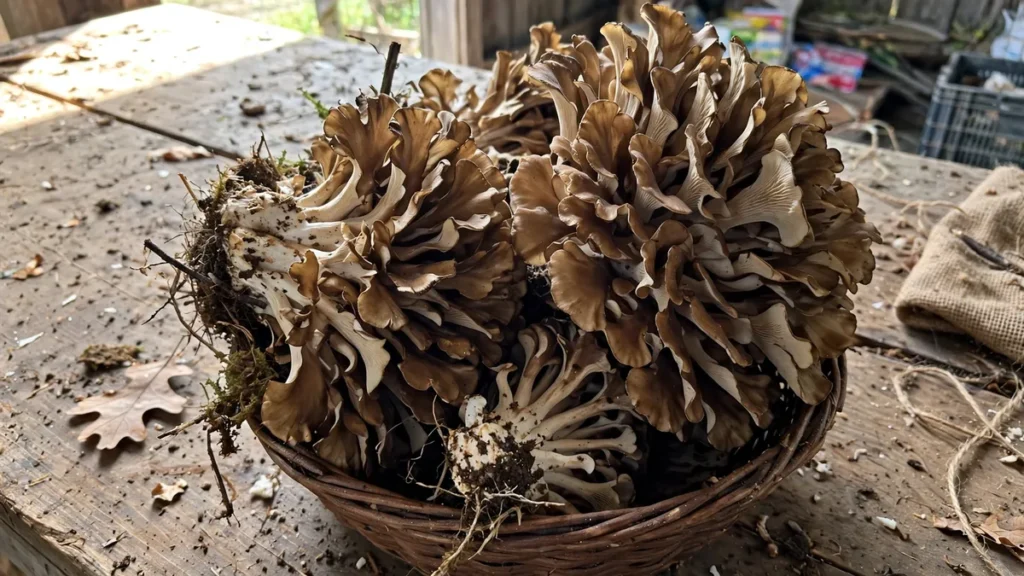
A maitake farm escape is a short break built around a mushroom. You sleep on or near a farm that grows maitake on oak logs, you walk the shaded rows in the morning, and you eat what was cut that day for lunch. It is not a tour with a packed schedule. It is a quiet couple of days with a clear rhythm: early light, cool air, a basket, a knife, and a table.
The appeal is the freshness. Maitake keeps its texture and its nutty aroma best within a day of being cut, and a farm kitchen knows how to cook it simply, usually grilled, roasted or simmered in soup. A mushroom bought in a shop may be days old, and it will not taste the same. On the farm you also learn how the mushroom grows, which makes it easier to buy and cook well when you get home.
This guide walks through the nine steps that turn a vague idea into a booked trip: choosing the season, choosing the farm, getting the harvest week in writing, sorting the journey, and packing for mud and rain. Follow them in order and the farm will do the rest.
Key takeaways
- A maitake farm escape is a short stay built around morning harvests and a cooked lunch the same day, not a sightseeing tour.
- Autumn is the main season for outdoor log-grown maitake, while farms with indoor growing rooms run through most of the year.
- Get the harvest week, the picking session and the cooking session confirmed in writing before you pay.
- Tell the farm about allergies and a gluten-free diet with the booking, not on arrival, so the kitchen can plan ahead.
- Maitake itself contains no gluten, but farm kitchens often use soy sauce and shared grills, so ask what the kitchen can cook without wheat-based sauces before you book.
What a maitake farm escape is
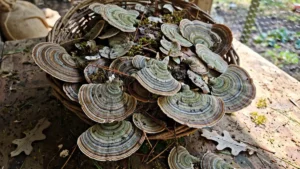
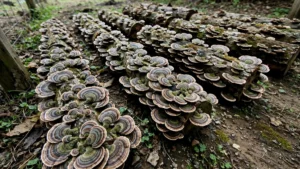
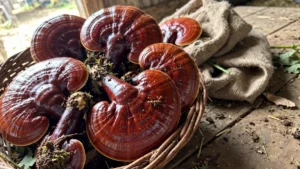
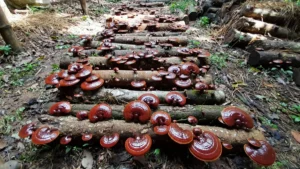
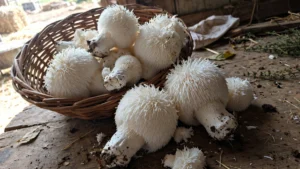
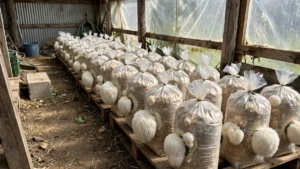
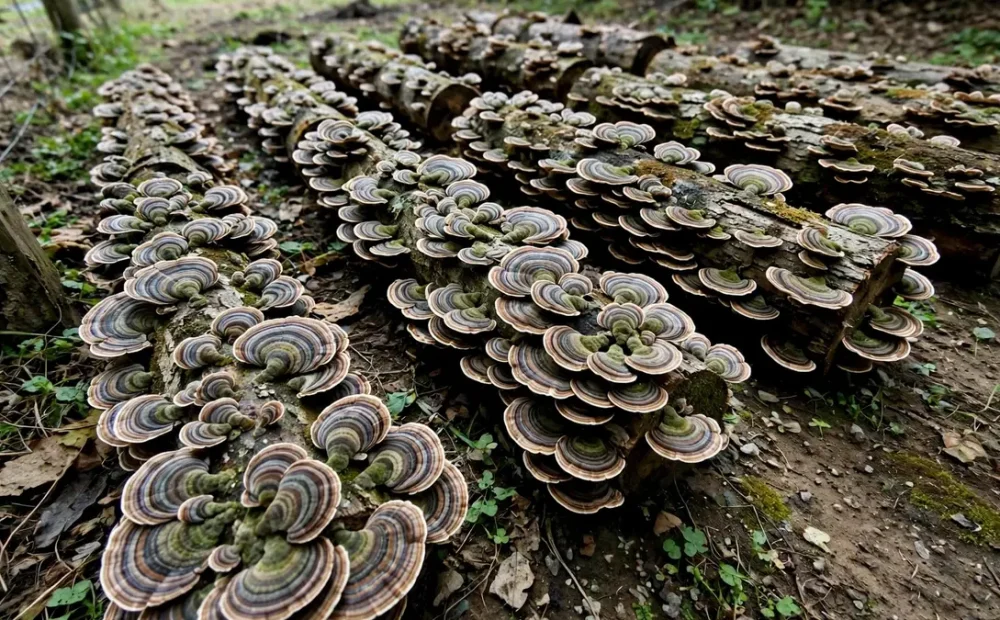
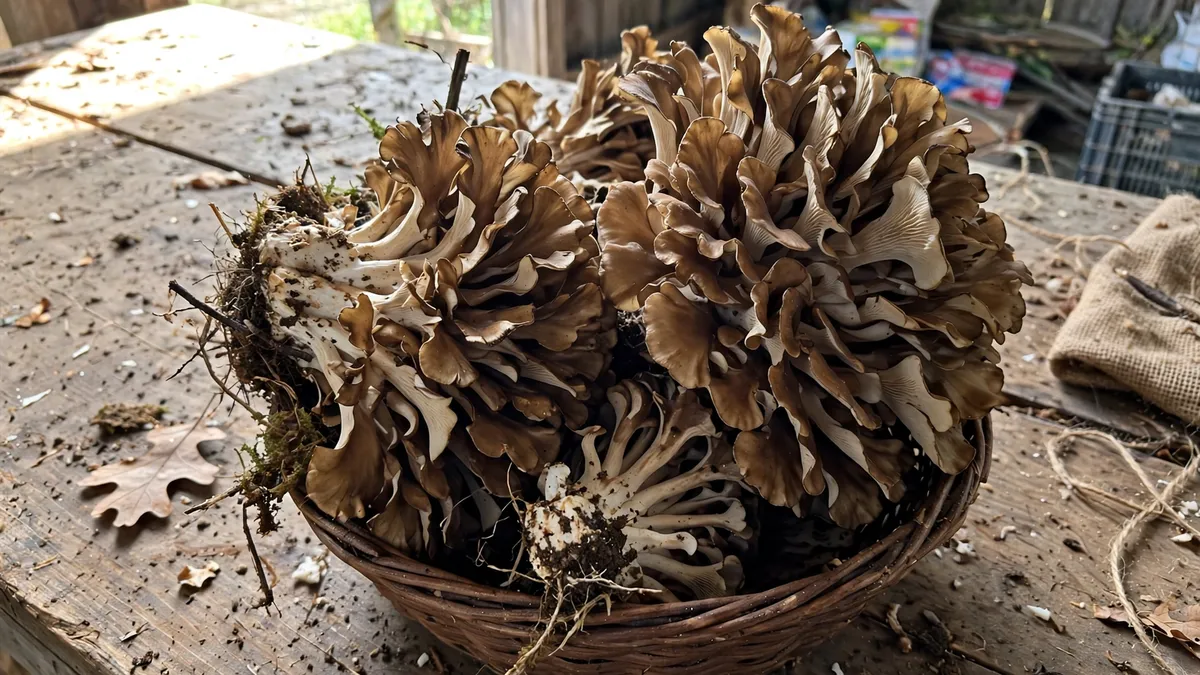
A maitake farm escape is two or three nights at a farm that grows Grifola frondosa, the frilly brown mushroom also called hen of the woods. The farm grows it on oak logs stacked in shaded rows, or on sawdust blocks in a cool growing room, and guests join the morning harvest, watch the clusters being cut at the base, and eat them for lunch the same day.
The stay is usually simple. Rooms are plain and warm, meals come from the farm kitchen, and the days are shaped by the mushroom rather than by a timetable of attractions. Some farms add a cooking class, a market morning or a walk through the oak woods, but the core of the trip is the same everywhere: walk the rows, cut the clusters, cook them, eat them.
It suits travellers who like food with a story behind it, and who are happy to trade a hotel lobby for a barn and a muddy path. If you want a slow morning and a good lunch, a maitake farm is a fine way to spend a few days.
How to plan a maitake farm escape
Start with the season, then the farm, then the journey. Autumn is the main season for outdoor log-grown maitake, so farms that grow outdoors fill first in September and October. Farms with indoor growing rooms are easier to book in other months, and they are a good fallback if the autumn dates are gone. Once you know the season, shortlist two or three farms and compare what is actually included: the room, the picking session, the cooking session, the meals and the transfers.
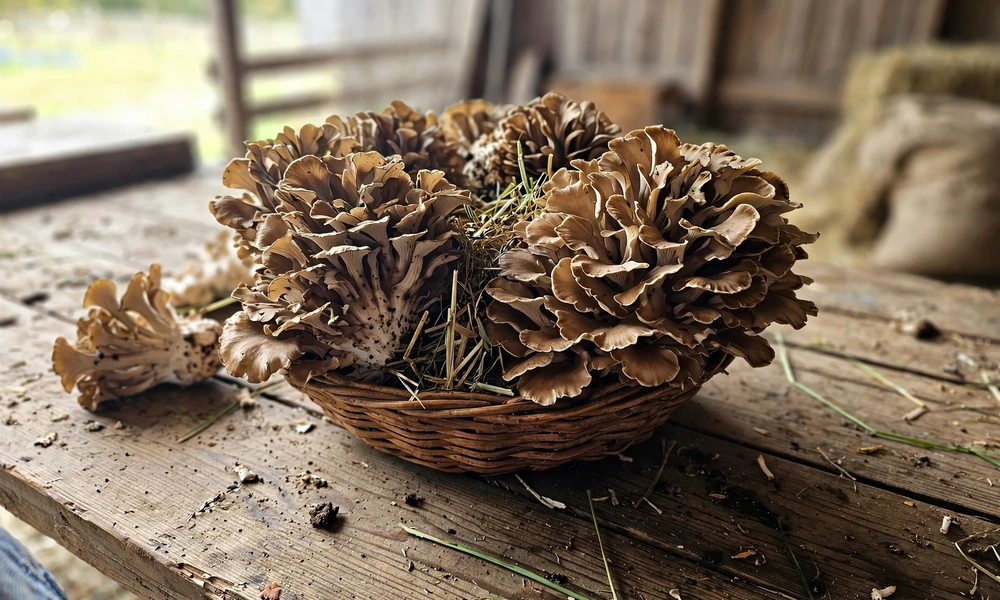
Then write to the farm before you pay. Ask for the harvest week in writing, ask who runs the picking session, and ask what the kitchen can cook for your diet. A farm that answers clearly and quickly is usually a farm that runs its days well. Our guide to planning a morel farm escape follows the same order of steps, and it is worth a read if you are new to mushroom farm stays.
The 9 steps to planning your escape
Pick the season before the farm
What to do: Choose autumn for outdoor log-grown maitake, or any month for a farm with indoor growing rooms, and check the farm’s own calendar before you fix your dates.
What to avoid: Booking a farm in high summer and expecting a full outdoor harvest, when the logs are quiet. Best For: Travellers who can be flexible on dates. Time Needed: One evening reading farm calendars. Standout Tip: Autumn after a cool, damp spell is when the log rows fruit best, so watch the weather as well as the calendar.
The season decides everything else. An autumn trip gives you the full log-yard experience, while a winter trip leans on the growing rooms and the kitchen. Neither is wrong, but they are different trips, so pick the season first and let it shape the farm you choose.
Choose a log yard or a growing room
What to do: Decide whether you want to walk outdoor oak-log rows or see indoor sawdust blocks, and pick a farm that does one of them well.
What to avoid: Choosing a farm for its photos alone, without checking whether the growing area is open to guests. Best For: First-time visitors who want to see the mushroom growing. Time Needed: A single message to the farm. Standout Tip: A log yard smells of damp wood and leaf mould, and that smell is half the experience, so ask whether guests can walk the rows.
Ask for the harvest week in writing
What to do: Ask the farm to confirm the harvest week, the picking day and the cooking session in the same message, and keep the reply.
What to avoid: Paying for a stay on a promise of “mushrooms most weeks” without a date. Best For: Anyone travelling a long way for the harvest. Time Needed: One message, usually answered within a day. Standout Tip: A farm that names the week and the session in writing is a farm that plans its harvests properly.
Harvest weeks move with the weather, so a verbal promise is not enough. A written confirmation protects you if the week slips, and it gives you something to point to if you need to move your dates. Keep the message until you are home.
Work out the journey before you book the flights
What to do: Work out the train, bus or car journey from the nearest station to the farm, and check the last departure time before you book anything else.
What to avoid: Landing late in the evening and finding no bus to the farm until morning. Best For: Travellers arriving by public transport. Time Needed: An evening with the timetables. Standout Tip: Ask the farm whether it collects guests from the station, and what time the last collection runs.
Let the farm know about allergies and diet at booking
What to do: Tell the farm about a mushroom allergy, a gluten-free diet or any other need in the booking message, and ask what the kitchen can cook.
What to avoid: Waiting until you sit down at the table to mention a diet the kitchen cannot cover. Best For: Anyone with an allergy or a restricted diet. Time Needed: Ten minutes writing the booking message. Standout Tip: Ask specifically about soy sauce and shared grills, since both can add gluten to an otherwise gluten-free dish.
Farm kitchens cook in small batches and plan their menus days ahead. A note sent with the booking gives them time to prepare a separate dish or a different sauce, while a note given on arrival leaves them improvising. Our guide to planning an oyster mushroom farm escape makes the same point, because small farm kitchens work the same way everywhere.
Dress for mud and cold mornings in the log yard
What to do: Pack closed boots, a waterproof coat, a warm layer for cold mornings, and clothes you can wash by hand.
What to avoid: Packing light shoes and a thin jacket for a morning in a damp log yard. Best For: Anyone joining the morning harvest. Time Needed: One evening packing the night before you leave. Standout Tip: A spare pair of socks in the car is worth more than a second coat, since wet feet end a field walk faster than cold air.
Taste the roast before you fill your plate
What to do: Watch the kitchen cook the first batch, taste a small piece, and then decide how much you want.
What to avoid: Loading your plate before you know whether you like the mushroom’s flavour. Best For: First-time maitake eaters. Time Needed: Ten minutes at the kitchen counter. Standout Tip: Roasted maitake with salt and a squeeze of citrus shows the flavour best, so ask for a taste of that first.
Maitake has a strong, nutty flavour that some people love at once and others need a little time to warm to. A small taste before the main meal lets you enjoy the lunch without guessing, and the farm kitchen will happily plate a second helping if you want one.
Wander the nearest market one morning
What to do: Leave one morning unscheduled, walk the nearest market, and look at what the region grows alongside its mushrooms.
What to avoid: Filling every hour with farm sessions and never leaving the farm gate. Best For: Travellers who like to see the area as well as the farm. Time Needed: A morning out from the farm. Standout Tip: The market shows what the region grows and what it only sells, and the farm will point out which is which.
Pack a jar of dried maitake for the journey home
What to do: Buy dried maitake from the farm shop, label the jar with the farm name and the date, and keep it somewhere dry.
What to avoid: Carrying fresh maitake home in a suitcase, where it will bruise and spoil. Best For: Cooks who want to use maitake again at home. Time Needed: Ten minutes in the farm shop before you leave. Standout Tip: Dried maitake keeps for months, and the soaking liquid makes a good stock, so a small jar goes a long way.
Dried maitake is the practical souvenir. It travels well, it keeps, and it lets you cook the mushroom again at home without worrying about freshness. A shiitake farm escape ends the same way, with a jar of dried mushrooms in the bag, and the two keep well side by side on the shelf.
When to go, and how long to stay
Autumn is the best time for an outdoor maitake farm, when the log rows fruit after cool, damp weather and the farm kitchen is at its busiest. September and October are the main months, and the farms fill early, so book several weeks ahead. Winter suits farms with indoor growing rooms, which fruit through the colder months and give you a warm, humid growing room to visit when the fields are bare.
Two nights is the right length for most people. One night gives you a single harvest and one lunch, while two nights let you join a second session, try the cooking class and visit the market. Three nights suits a slow traveller who wants to explore the area as well, or a family that wants a gentler pace with rest days built in.
Arrive by mid-afternoon on the first day, so you can settle in and walk the log rows once before dinner. Leave after breakfast on the last day, with the farm shop visit done the evening before.
The caveats that matter
Maitake is a safe and widely eaten mushroom, but a farm escape still needs a little care. The mushroom must always be cooked, never eaten raw, and anyone with a mushroom allergy should tell the farm before booking. Wild mushrooms should never be picked or eaten without an expert beside you, even near a farm, because a lookalike can grow a few steps away from the log rows.
| Detail | What is known |
|---|---|
| Best season outdoors | Autumn, when log-grown clusters fruit after cool, damp weather |
| How long to stay | Two nights suits most people; one night is a taster, three is slow |
| Book ahead | Several weeks ahead in autumn; indoor farms are easier in winter |
| Always cook it | Maitake should be cooked before eating, never eaten raw |
| Allergy note | Send allergy and diet notes with the booking, not on arrival |
| Gluten note | Maitake has no gluten, but soy sauce and shared grills can add it |
| Wild picking | Never eat a wild mushroom without an expert beside you |
| What to bring home | Dried maitake travels well; fresh maitake bruises in a suitcase |
Money deserves a second look too. Ask for the full price before you pay, including the room, the picking session, the cooking class, the meals and any transfers, and get it in writing. A farm that lists its extras clearly is a farm that runs its days well, and a written quote protects you if a price changes between booking and arrival.
Checklist: planning a maitake farm escape honestly
Use these checks before you book, and again before you travel.
- Check the season: autumn for outdoor logs, any month for indoor growing rooms.
- Check the harvest week, the picking session and the cooking session are confirmed in writing.
- Check the journey: last bus, station pickup, and arrival by mid-afternoon.
- Check the kitchen can cook for your diet, including gluten-free dishes that skip soy sauce.
- Check the room: heating, hot water, and the cancellation terms before you pay.
- Check the packing list: closed boots, a waterproof coat, a warm layer, and a spare pair of socks.
Frequently asked questions
How far ahead should I book a maitake farm stay?
Book several weeks ahead for autumn, when the outdoor log rows fruit and the best farms fill first. Winter stays at farms with indoor growing rooms are easier to book, often with a week or two of notice, but it is still worth writing early to confirm the harvest week.
Do I need any experience to join the harvest?
No. The farm hands show you how to cut a cluster at the base without damaging the log, and the picking is done in the farm’s own rows, not in the wild. You need to be comfortable walking on uneven, muddy ground, and that is the only real requirement.
Can I eat maitake if I have never tried it?
Yes, and a farm is a good place to try it for the first time. Taste a small piece of the roasted mushroom first, then decide how much you want. Tell the farm if you have a mushroom allergy before you book, and never eat a mushroom you are unsure about.
Are maitake farms safe for children?
Most are, as long as children can walk the rows and stay clear of the machinery and the wet log stacks. The picking session is short and hands-on, and the kitchen is used to cooking for mixed ages. Ask the farm about age limits before you book, since a few farms set a minimum age for the harvest.
What should I do if a maitake makes me feel unwell?
Stop eating, drink water, and tell the farm staff straight away. Most reactions are mild stomach upset from eating too much of a new food, but a farm will know what was served and can help quickly. If symptoms are strong or do not settle, seek medical help and keep a note of what you ate.
Can I take maitake home on a flight?
Dried maitake travels well and is the best thing to bring home. Fresh maitake bruises easily in a suitcase and spoils quickly, so buy it dried from the farm shop instead. Check your destination’s rules on bringing dried food plants home, since the rules differ by country.
The bottom line
A maitake farm escape is a short, slow trip with a clear shape: pick the season, get the harvest week in writing, arrive by mid-afternoon, and let the farm set the pace. Two nights in autumn is the sweet spot, with a morning in the log rows, a lunch of what you cut, and a jar of dried maitake in your bag on the way home.
Tell the farm about allergies and a gluten-free diet with the booking, pack for mud and rain, and keep one morning free for the local market. Maitake is a modest mushroom that rewards an unhurried morning, and a farm stay is the best way to meet it at its freshest.