A university bag works harder than almost any other bag you will ever own. It carries a laptop, notebooks, a water bottle, a charger, a library book or two, and whatever you bought on the way to lectures, five days a week, in all weathers, up and down stairs and across campus. A designer tote bag for university has to do all of that without looking tired by November, and that is a much harder brief than most handbags ever face.
The problem is that many beautiful totes are designed for a light day, not a university day. A soft, unstructured tote sags under a laptop. A pale lining shows every pen mark. A bag with no zip leaves your laptop exposed on a crowded bus, and thin handles dig into your shoulder by the second lecture. Price is a poor guide on its own. Some of the most practical designer totes are mid-priced, and some of the most expensive are the least suited to carrying a full day of study.
Below are nine designer tote bags worth considering for university in 2027, from a classic leather workhorse to lighter canvas and nylon options for students who walk further and carry more. Each one is described by what it is good at, what to watch for, and who it suits best, so you can choose with your timetable in mind, not just a wishlist.
Key takeaways
- A good university tote needs a laptop sleeve or a flat, padded base, a secure zip or magnetic top, and handles that sit comfortably on the shoulder.
- Full-grain and pebbled leather age best under daily use, while canvas and nylon are lighter and easier to clean after rain.
- Check the internal layout before you buy: a laptop compartment, a zipped pocket for valuables, and a water bottle pocket matter more than an extra logo.
- Dark colours and textured finishes hide scuffs and pen marks far better than pale, smooth leather.
- No tote is indestructible, and even the best designer bag will sag, scuff or stain if it is overloaded every day and never rested.
What a designer tote actually needs to do at university
A university tote is a piece of equipment first and a fashion choice second. It needs to hold a 13 or 14 inch laptop flat against your back, not wedged diagonally, and it needs a base that stays flat when you set it down on a library floor. Weight matters too. A heavy leather tote plus a laptop plus books is a lot to carry across campus, so a bag that is light before you fill it is worth more than one that looks impressive empty.
Security matters more at university than in most places. You will leave your bag on a chair while you queue for coffee, and you will carry it through crowded corridors and buses. A zip top, or at least a strong magnetic snap, keeps a laptop and wallet out of easy reach. An internal zipped pocket for a phone, keys and student card means you are not digging through the main compartment at the door of a lecture hall.
Finally, a university tote needs to survive rain, coffee, and being shoved under desks. That means a material that wipes clean, hardware that does not tarnish after a term of use, and stitching that holds at the handles, which is where most totes fail first.
How we chose these totes and what to look for
Look first at size and structure. A tote that fits a 14 inch laptop, an A4 notebook and a water bottle, without bulging, is the right size for most students. A structured base, a reinforced bottom, and handles long enough to sit on your shoulder over a coat are the practical details that separate a good university tote from a pretty one.

Look next at the material and the lining. Leather is the most durable and the most forgiving over time, but it is also the heaviest, so a smaller leather tote often works better than a large one. Canvas is light and easy to clean, and nylon is the lightest of all and the best in rain. A dark or patterned lining hides marks, and a light lining makes it easier to find small items, so there is a trade-off worth thinking about. Our guide to the handbag trends shaping 2027 explains why structured, practical totes have come back into fashion, which is good news for students who need a bag that works as hard as it looks.
Finally, look at the handles and the hardware. Handles should be wide enough not to cut into your shoulder, stitched through the body of the bag rather than just glued, and long enough for a winter coat. Zips should run smoothly when the bag is full, and metal feet on the base protect the bottom from wet floors.
The 9 best designer tote bags for university of 2027
The Classic Pebbled Leather Tote
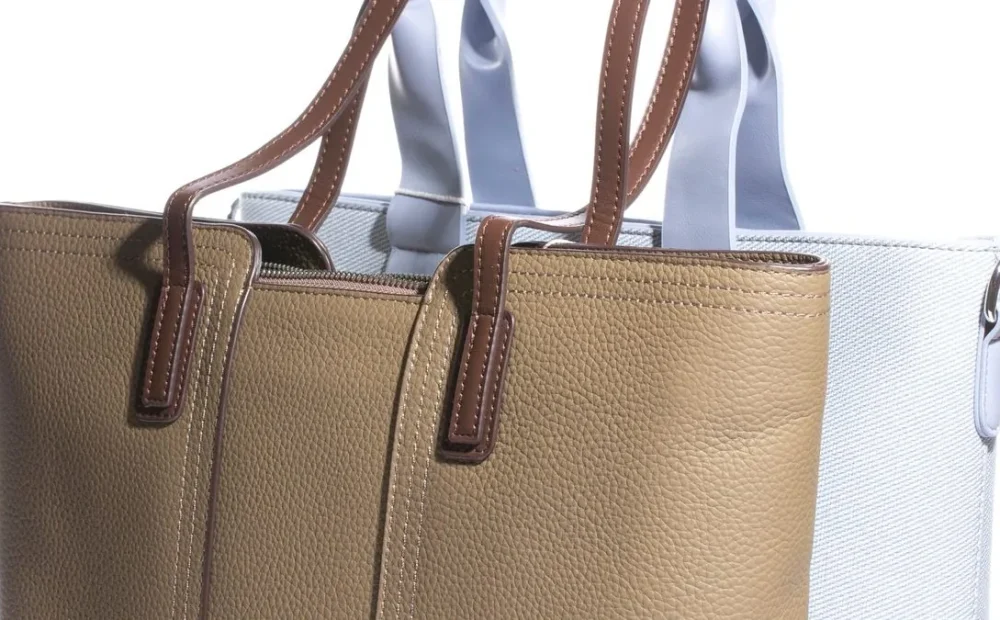
What we like: A structured, full-grain pebbled leather tote with a zipped top, a padded laptop sleeve and a reinforced base, in a deep, practical colour. What to consider: It is the heaviest option here, so it suits students who drive or take short walks rather than long treks across campus. Best for: Everyday lectures and library days. Fabric: Full-grain pebbled leather. Price range: Mid to high designer range. Standout feature: The reinforced base keeps the bag upright on any floor.
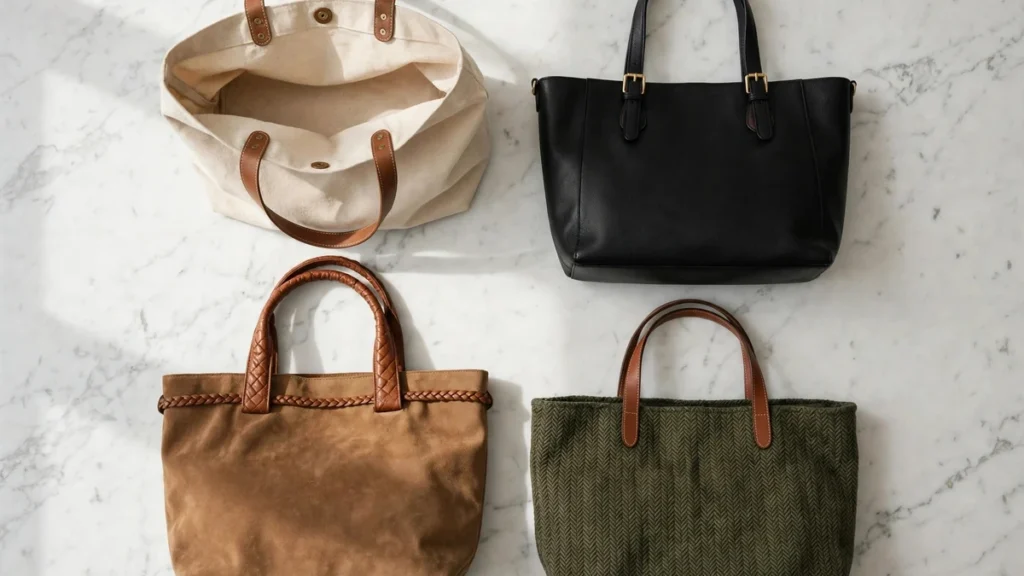
This is the tote other totes are measured against. For a student who wants one bag that looks smart in a seminar and survives a full academic year, it remains a strong first choice.
The Canvas Tote with Leather Trim
What we like: A sturdy waxed canvas body with leather handles and trim, a zip top, and a laptop compartment, in a weight that is easy to carry all day. What to consider: Canvas shows water marks if it gets soaked, so treat it before the first rainy week. Best for: Students who walk or cycle to campus. Fabric: Waxed canvas with leather trim. Price range: Mid designer range. Standout feature: The lightest structured tote in this guide.
A practical, everyday option for people who want a designer name without designer weight, and the whole bag feels made for a working day rather than a display shelf.
The Structured Saffiano Tote
What we like: A crosshatch saffiano leather tote with a rigid shape, a full zip, and three internal compartments that keep a laptop, notebooks and chargers separate. What to consider: The rigid shape means it does not squash into a locker or a crowded bag hook easily. Best for: Organised students who like everything in its place. Fabric: Saffiano leather. Price range: High designer range. Standout feature: Three compartments that stop the bag becoming one deep jumble.
The compartments do the organising for you, and the saffiano finish resists scratches far better than smooth leather.
The Lightweight Nylon Tote
What we like: A water-resistant nylon tote with padded handles, a laptop sleeve, and an external water bottle pocket, in a design that folds flat when empty. What to consider: Nylon looks less formal than leather, so it is better for lectures than for interviews or presentations. Best for: Rainy campuses and heavy loads. Fabric: Water-resistant nylon. Price range: Entry to mid designer range. Standout feature: The external bottle pocket keeps spills away from a laptop.
It is the lightest option here, it shrugs off rain, and it holds more than it looks like it should.
The Quilted Tote
What we like: A soft quilted tote with a magnetic top, a roomy main compartment, and a zipped internal pocket, in a design that works from lectures to evenings out. What to consider: The soft shape sags when it is full, so it needs a laptop sleeve or an organiser insert to hold its shape. Best for: Students who want one bag for day and evening. Fabric: Quilted nylon or leather. Price range: Mid to high designer range. Standout feature: The most versatile shape in this guide.
It looks smarter than a plain canvas tote and carries more than a small shoulder bag, which is a useful combination on a long day.
The Zip-Top Laptop Tote
What we like: A tote built around a padded, suspended laptop compartment, with a full zip, a charger pocket, and a trolley strap for travel days. What to consider: The laptop compartment takes up a third of the bag, so there is less room for books than in a simpler tote. Best for: Students who carry a laptop every day. Fabric: Ballistic nylon with leather trim. Price range: Mid designer range. Standout feature: The suspended laptop sleeve protects a laptop from knocks.
The suspended sleeve keeps it off the floor of the bag, which is where most knocks happen.
The Suede Tote
What we like: A soft suede tote with leather handles, a magnetic top, and a generous main compartment, in warm, muted colours that suit autumn and winter. What to consider: Suede stains easily and hates rain, so it needs a protective spray and dry days. Best for: Fair-weather terms and lighter loads. Fabric: Suede with leather handles. Price range: Mid to high designer range. Standout feature: The softest, most tactile material in this guide.
It is beautiful and comfortable to carry, but it is not the bag for a rainy Monday with a full timetable.
The Convertible Backpack Tote
What we like: A tote with hidden backpack straps, a padded laptop sleeve, and a zip top, that switches from shoulder bag to backpack in seconds. What to consider: The straps add weight, and the bag is heavier than a simple tote even before you fill it. Best for: Long walks, cycling, and heavy days. Fabric: Leather or coated canvas. Price range: Mid designer range. Standout feature: Two ways to carry, which saves your shoulder on heavy days.
Carrying a heavy load on two shoulders instead of one makes a real difference by the end of the week.
The Oversized Shopper Tote
What we like: A large, open-top shopper with a reinforced base, a zipped internal pocket, and room for a laptop, books, gym kit and lunch, all in one bag. What to consider: It is easy to overload, and a full oversized tote is heavy and hard on the shoulder. Best for: Students who carry everything in one bag. Fabric: Grained leather or heavy canvas. Price range: Mid to high designer range. Standout feature: The largest capacity in this guide.
It holds a whole day, but it demands discipline: if you fill it every morning, your shoulder will notice by Friday.
Which designer tote is right for you
Students who walk or cycle should start with the lightest options: the nylon tote, the canvas tote, or the convertible backpack tote. Weight is the factor that matters most on a long commute, and a bag that is light empty stays manageable when it is full.
Students who carry a laptop every day should put the laptop sleeve first. A padded, suspended sleeve or a flat compartment that holds the laptop against the back of the bag protects it far better than a loose pocket, and it stops the laptop digging into your side. A guide to investment bags is a useful frame here, because a well-made tote that lasts four years costs less per year than two cheaper bags that fall apart.
Students who want one bag for everything should look at the quilted tote or the oversized shopper, which move from lectures to evenings without looking out of place. The trade-off is structure: soft bags need an organiser insert to stay tidy, and oversized bags need discipline to avoid overloading.
The caveats that matter
A designer tote is not automatically a durable tote. Some designer bags are made for light, occasional use, and their handles, zips and linings are not built for a daily load. A bag that is carried five days a week needs to be built for it.
| Detail | What is known |
|---|---|
| Best size for most students | Large enough for a 14 inch laptop, an A4 notebook and a water bottle, without bulging |
| Most durable material | Full-grain or pebbled leather, followed by waxed canvas and ballistic nylon |
| Lightest options | Nylon and canvas totes, which are much easier to carry across campus all day |
| Security essentials | A zip top or strong magnetic snap, plus an internal zipped pocket for valuables |
| What usually fails first | Handles, where stitching gives way, and zips, which jam when a bag is overfilled |
| Colours that hide wear | Dark, textured finishes hide scuffs and pen marks better than pale, smooth leather |
| What to avoid | Very soft, unstructured totes for heavy loads, and pale suede in rainy weather |
| What it does not do | No tote protects a laptop on its own; a sleeve or padded compartment is still needed |
Counterfeits are a real problem with designer bags, and a fake tote bought cheaply online will not have the stitching, hardware or leather of the real thing. Buy from the brand, a department store, or a reputable reseller, and keep the receipt.
Checklist: choosing a designer tote for university honestly
Use these checks before you buy, and again after your first week of carrying it.
- Check the fit: your laptop lies flat, an A4 notebook fits without bending, and a water bottle stands upright.
- Check the handles: wide enough for your shoulder, long enough for a winter coat, and stitched through the body of the bag.
- Check the closure: a zip top or strong magnetic snap that closes easily when the bag is full.
- Check the weight: pick the bag up with your laptop inside before you buy, not just empty.
- Check the lining: dark or patterned linings hide marks, and an internal zipped pocket keeps valuables safe.
- Check the base: a flat, reinforced bottom with metal feet stops the bag tipping over and protects it from wet floors.
Frequently asked questions
How big should a university tote be?
Large enough for a 14 inch laptop, an A4 notebook and a water bottle, without bulging.
Is leather or canvas better for university?
Leather is more durable and looks smarter, but it is heavier and needs more care. Canvas is lighter, easier to clean, and better in rain. If you walk a long way, canvas or nylon is usually the more comfortable choice.
Do I need a laptop sleeve inside a tote?
Yes, unless the tote has a built-in padded laptop compartment. A separate sleeve protects the laptop from knocks and from anything else in the bag, and it stops the laptop digging into your side when you carry it.
Can a designer tote survive four years of university?
A well-made one can, if it is the right material and it is not overloaded every day. Leather and heavy canvas age best, while thin nylon and pale suede show wear sooner. Resting the bag between terms and cleaning it regularly helps a lot.
Is a designer tote worth it for a student?
It can be, if you buy for durability rather than a logo. A well-made tote that lasts four years costs less per year than replacing a cheap bag every term, and it looks better doing it. Our guide to the most versatile bags of 2027 can help you judge whether one bag can genuinely do the work of two.
What should I avoid in a university tote?
Avoid open tops with no closure, very thin handles, pale suede for rainy campuses, and bags so large that you are tempted to fill them with everything you own. A tote that is too big is just as impractical as one that is too small.
The bottom line
The best designer tote bag for university in 2027 is not the most expensive or the most fashionable. It is the one that fits your laptop, closes securely, sits comfortably on your shoulder, and still looks good after a full term of daily use. For most students, that means a structured leather or canvas tote with a zip top, a laptop sleeve, and handles built to last.
Choose one tote, pack it the way you will actually use it, and carry it for a week before deciding whether it works. A bag that feels right on a Monday morning and still feels right on a Friday afternoon is the one worth keeping for four years.