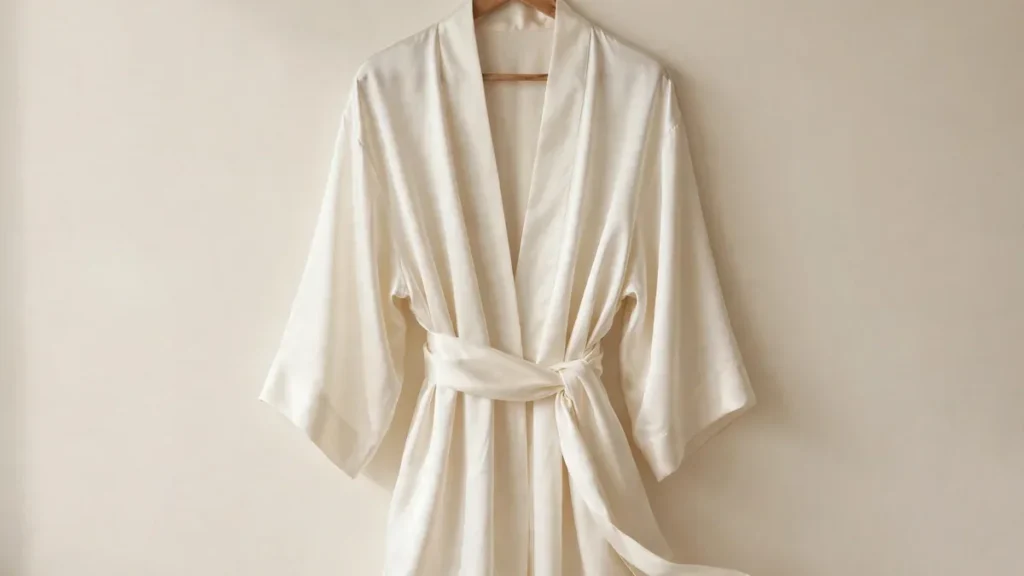
Best Luxury Robe Brands 2027: 8 Labels Worth the Splurge
The best luxury robe brands understand something cheaper labels miss: a robe is not a towel with sleeves. It is the first thing you put on in the morning and the last thing you take off at night, which means it spends more time against your skin than almost anything else you own. A great one feels soft without shedding, drapes without dragging, and still looks good after dozens of washes. A bad one pills, thins at the elbows, and ends up folded at the back of a drawer.
That gap is why the brand matters more here than with most wardrobe purchases. Luxury robe makers tend to control their fabrics from fibre to finish, whether that means long-staple Turkish cotton, mulberry silk, or organic cotton woven in small batches. They also cut generously, finish seams properly, and offer lengths and fits that flatter rather than swamp. The result is a garment that earns its price every single day, not just on the morning you unwrap it.
This guide rounds up eight luxury robe brands that consistently deliver on fabric, construction, and design, from Italian hotel classics to modern washable silk. Each profile explains what the brand does best, what to watch out for, and who it suits, so you can match the robe to your routine rather than buying a name. If you are building a slower, better wardrobe, our guide to building a luxury wardrobe one piece at a time pairs well with the thinking here.
Key takeaways
- Fabric decides everything: Turkish cotton absorbs best, silk drapes best, and waffle weave dries fastest.
- The strongest luxury robe brands control their own mills or weaving, which is why their robes survive years of washing.
- Fit matters as much as fabric — check sleeve length, belt placement, and whether the robe is cut unisex or shaped.
- Expect to pay roughly $100 to $600 for a genuinely well-made luxury robe, with silk at the top of that range.
- No single brand wins for everyone: a thick terry robe that feels wonderful in winter can feel stifling in a warm climate.
What this guide covers
This guide covers eight luxury robe brands spanning the main robe styles: plush terry, lightweight waffle, smooth silk, and soft cotton jersey. Every brand here sells directly or through established department stores, with a track record of consistent quality rather than a single viral season. We have focused on brands whose robes are made to be worn daily, not just admired in a hotel suite.
You will find Italian heritage houses alongside newer direct-to-consumer labels, and prices from around $100 to around $600. That spread is deliberate. A robe is a personal purchase, and the right choice depends on whether you run hot or cold, whether you want something to wear over sleepwear or straight out of the shower, and whether you prefer a robe that feels like a blanket or one that barely feels there at all.
We have also kept the focus on robes that are easy to care for in real life: a silk robe that demands constant dry cleaning may suit a special occasion, but it will not survive a busy household. Where a robe needs delicate handling, we say so in its profile. For the wider world of slow mornings at home, our roundup of luxury pajamas and loungewear worth the splurge covers the pieces that pair naturally with a good robe.
How we chose
We started with fabric. A luxury robe earns its label through fibre quality first: long-staple cotton that resists pilling, silk with a tight, even weave, and dyes that hold their colour through repeated washing. Brands that publish fibre content, fabric weight, and country of manufacture scored higher than brands hiding behind vague words like premium or deluxe.
Next came construction. We looked for reinforced belt loops, bound or neatly finished seams, deep pockets that sit flat, and shawl or kimono collars that hold their shape. A robe is a simple garment, so shortcuts show immediately: a belt that frays, a loop that tears, or a hem that curls after one wash tells you everything.

We also weighed range and fit. The best brands offer more than one length and fabric, and size honestly, with clear measurements rather than a single one-size-fits-all cut. Finally, we considered value in context: a $500 silk robe is not overpriced if the silk is genuine mulberry and the cut is flawless, but a $300 cotton robe with thin fabric and a skimpy belt is poor value at any price.
What to look for
Before the profiles, it helps to know the four decisions that shape every robe purchase. First, fabric: terry cotton absorbs water and feels warm, waffle weave is light and quick-drying, and silk is cool and fluid. Second, weight: a robe around 400 to 500 grams per square metre feels substantial without being heavy, while anything above 600 feels like a hotel bathrobe. Third, length: knee-length suits warmer rooms and shorter frames, while ankle-length suits cold mornings and taller wearers. Fourth, closure: a belted wrap is classic and adjustable, while a shawl collar adds warmth around the neck.
1. Frette
Frette has dressed Italian hotels since 1860, and its robes carry that heritage in every stitch. The house is best known for long-staple Turkish cotton terry robes with a dense, plush pile that absorbs water quickly and feels substantial without turning stiff. Its shawl-collar styles echo the robe hanging in a five-star hotel bathroom, and the finishing — bound seams, sturdy belt loops, generous pockets — is consistently careful.
What We Like: Exceptional cotton quality, a genuinely plush hand feel, and a classic cut that suits most body types. The robes wash well and keep their loft for years when laundered gently.
What to Consider: Prices typically start around $300 and climb past $500, and the plush terry styles are warm, so they suit cooler mornings better than summer. Sizing runs generous, so check the size guide before ordering.
2. Olivia von Halle
Olivia von Halle built its name on silk, and its robes are the most glamorous in this guide. Cut from mulberry silk with a fluid drape, they are designed to be worn as much as admired — over sleepwear or as the outer layer of a slow morning. The prints are original, the colours rich without being loud, and the wide sash belt gives the silhouette a deliberate, finished shape.
What We Like: Genuine silk with a beautiful drape, distinctive prints, and a cut that flatters rather than swamps. These are robes that look intentional, not improvised.
What to Consider: Silk robes typically cost around $400 to $600 and need gentle care, usually hand washing or dry cleaning. They offer little warmth, so they are a warm-weather or heated-home choice rather than a winter robe.
3. Derek Rose
Derek Rose has made fine nightwear in Britain since 1926, and its robes reflect that discipline. The range leans toward refined cotton and silk blends in quiet colours, with kimono and shawl collars cut cleanly and finished by hand — robes for people who want understatement: no logos, no fuss, just good fabric and a precise fit.
What We Like: Impeccable tailoring, restrained design, and fabrics that feel considered rather than flashy. The cotton robes are particularly good value within the luxury tier.
What to Consider: Prices typically run around $200 to $400, and the aesthetic is deliberately classic, so anyone wanting bold colour or pattern should look elsewhere. Some styles sell out in popular sizes.
4. Tekla
Tekla, the Copenhagen label, brings Scandinavian restraint to the robe. Its organic cotton robes come in waffle and percale weaves with a crisp, architectural feel, and the palette runs to soft neutrals. The brand is transparent about its materials and manufacturing, which appeals to buyers who want to know where their clothes come from.
What We Like: Organic cotton, clean modern design, and a lightweight feel that works year-round. The waffle weave dries quickly and packs well for travel.
What to Consider: Prices typically sit around $130 to $200, but the cut is relaxed and unisex, which can feel oversized on petite frames. The lighter fabrics offer less warmth than terry.
5. Lunya
Lunya set out to modernise sleepwear, and its washable silk robe is the brand’s best-known piece. The silk is designed to go in the washing machine, which removes the main objection to owning a silk robe, and the cut is contemporary: a clean kimono shape with a wide belt, hitting just below the knee. It is the robe for people who love silk but live in the real world.
What We Like: Machine-washable silk, a modern cut, and a genuinely practical approach to a delicate fabric. The robe drapes beautifully and travels well.
What to Consider: Prices typically run around $250 to $300, and washable silk still benefits from a gentle cycle and air drying. The fabric is lighter than traditional silk robes, so it feels less opulent to some.
6. Parachute
Parachute made its name with bedding, and its robes carry the same philosophy: good materials, honest prices, and no unnecessary decoration. The Cloud Cotton robe is the standout, a soft, lightly textured Turkish cotton robe that feels broken-in from the first wear. The waffle robe is lighter and quicker to dry, making it the better warm-weather pick.
What We Like: Soft, well-made cotton at a fair price, typically around $100 to $150, with a relaxed fit that suits most people. The brand’s bedding expertise shows in the fabric quality.
What to Consider: The designs are simple and the colour range is narrow, so this is a comfort-first choice rather than a fashion statement. The Cloud Cotton style is medium weight, not the thickest robe here.
7. Coyuchi
Coyuchi has championed organic cotton since 1991, and its Cloud Loom robe is a quiet favourite among people who care about how things are made. The organic Turkish cotton is looped rather than cut, giving the robe a soft, cloud-like texture that holds up in the wash. The brand’s environmental credentials are independently certified, and its take-back programme recycles old robes.
What We Like: Certified organic cotton, a genuinely soft and absorbent pile, and a brand that takes sustainability seriously rather than treating it as a slogan.
What to Consider: Prices typically run around $150 to $250, and the robe is generously cut, so smaller wearers may want to size down. Colours are mostly natural and muted.
8. Brooklinen
Brooklinen brings its direct-to-consumer bedding model to robes, and the Super-Plush robe is the one to know. Made from Turkish cotton with a thick, thirsty pile, it is the closest thing here to a spa robe at home, with a shawl collar and deep pockets adding to the cocooning feel — at a price that undercuts most heritage brands by a wide margin.
What We Like: Thick, plush Turkish cotton at a typically accessible price of around $100 to $150, with a warm, enveloping fit that suits cold mornings.
What to Consider: The robe is heavy and slow to dry, so it needs good ventilation between wears and a full drying cycle after washing. The fit is roomy and unisex.
Background
The luxury robe has a longer history than most people realise. In the nineteenth century, the dressing gown was a formal garment in its own right, worn by gentlemen receiving visitors at home and cut from silk brocade or fine wool. Hotels later adopted the robe as a signature of hospitality, and the thick white terry robe became shorthand for five-star comfort. That hotel association still shapes what we expect: weight, softness, and a sense of occasion.
Today the market splits into two traditions. European heritage houses such as Frette and Derek Rose treat the robe as tailored clothing, with attention to cut, collar, and finishing. Newer labels such as Tekla, Lunya, and Parachute treat it as part of a considered home wardrobe, with organic materials, modern fits, and prices that reflect direct selling rather than department-store markups. Both produce excellent robes; the difference is attitude rather than quality.
Fabric innovation has widened the choice further: washable silk, long-staple organic cotton, and lightweight waffle weaves mean a robe no longer has to be either heavy or high-maintenance. The best brands now offer a robe for every climate and routine, from a feather-light silk layer for summer to a thick terry wrap for winter mornings.
The caveats that matter
Luxury robes are not all equal, and the differences that matter are easy to miss in a product photo. The table below sets out the issues worth checking before you buy.
| Caveat | What to check |
|---|---|
| Fabric weight | Check grams per square metre; above 600 feels very heavy and dries slowly. |
| Silk care | Most silk robes need hand washing or dry cleaning; only washable silk goes in the machine. |
| Unisex sizing | Many luxury robes are unisex and run large; compare your measurements to the size guide. |
| Belt loops | Weak or single-stitched loops tear first; look for reinforced stitching. |
| Colour fastness | Deep dyes can bleed in early washes; wash dark robes separately the first few times. |
| Length | Ankle-length robes can drag on stairs and floors; knee-length suits shorter frames. |
| Warmth | Terry warms, silk cools, and waffle sits in between; match the fabric to your climate. |
| Price vs fabric | A high price should mean genuine silk or long-staple cotton, not just a famous label. |
Checklist
- Choose the fabric for your climate first: terry for cold mornings, waffle for warm rooms, silk for a light layer.
- Measure sleeve length and overall length against the size guide, especially with unisex cuts.
- Check the care label before buying; if you will not hand wash, choose washable silk or cotton.
- Look for reinforced belt loops, bound seams, and pockets that sit flat when the robe is belted.
- Pick a colour you will still like in two years; neutrals age better than seasonal shades.
- Budget for the robe you will wear daily, not the cheapest option that looks similar.
Frequently asked questions
What is the best luxury robe brand overall?
There is no single winner: the best robe depends on how you will use it. Frette leads for plush hotel-style terry, Olivia von Halle leads for silk, and Parachute and Brooklinen lead for well-made cotton at a fairer price. Choose by fabric and fit first, brand second.
How much should a luxury robe cost?
Expect roughly $100 to $150 for a good cotton robe, $150 to $300 for organic cotton or washable silk, and $300 to $600 for heritage terry or pure mulberry silk — below $100, the fabric is rarely long-staple cotton or genuine silk.
Is silk or cotton better for a robe?
Cotton absorbs water and feels warm, so it suits post-shower wear and cold mornings. Silk drapes beautifully and feels cool, so it suits lounging and warm weather. Many people own one of each and reach for whichever fits the season.
How do I wash a luxury robe?
Wash cotton robes on a gentle cycle with mild detergent and tumble dry on low or line dry. Hand wash silk in cool water unless the label says machine washable, and never wring it. Avoid fabric softener on terry, as it coats the fibres and reduces absorbency.
Are luxury robes worth the price?
A well-made robe is worn daily, making it one of the lowest cost-per-wear purchases in a wardrobe: a $200 robe worn 300 times costs less than $1 per wear, and it will outlast several cheaper robes that pill and thin within a year.
What length robe should I buy?
Knee-length robes suit warmer rooms, shorter frames, and anyone who moves around the house a lot. Ankle-length robes suit cold mornings and taller wearers who want full coverage. If you are between lengths, the shorter option is usually the more practical daily choice.
The bottom line
The best luxury robe brands share a simple formula: honest fabric, careful construction, and a cut that respects the wearer. Frette and Derek Rose represent the heritage end, Olivia von Halle and Lunya represent silk at its most wearable, and Tekla, Parachute, Coyuchi, and Brooklinen prove a modern robe can be both beautiful and practical. Let fabric and fit lead the decision and the label follow.
A robe is a small daily luxury, and that is why it deserves care in choosing. Buy the one that matches your mornings — the weight, the warmth, and the way it makes you feel when you tie the belt — and it will repay you every day for years. A beautiful robe also makes a thoughtful present, and our roundup of designer gifts under $500 has more ideas in the same spirit.
Meet Our Experts
Our fashion and lifestyle editors cover luxury fashion, textiles, and home dressing, drawing on brand histories, fabric knowledge, and reader feedback.
Why Trust BrassSmile
BrassSmile covers beauty, fashion, and lifestyle with an independent editorial eye, focusing on quality, fit, and real-world wearability, and we update our guides as brands change their ranges.
Sources
Frette, Olivia von Halle, Derek Rose, Tekla, Lunya, Parachute, Coyuchi, Brooklinen; Vogue, Elle, Harper’s Bazaar, Marie Claire.