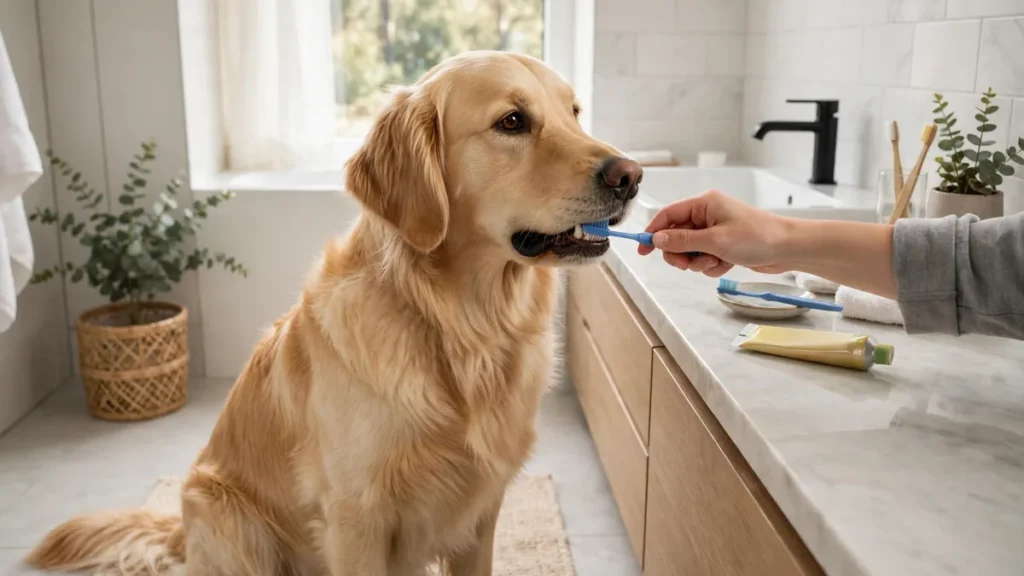
The best dog toothpaste in 2027 is the one your dog will actually let you use, day after day, without a struggle. The best dog toothpaste for most dogs is an enzymatic, dog-safe paste in a flavour they like, used with a soft brush or a finger brush two or three times a week.
Flavours range from poultry to peanut butter, textures run from thick pastes to light gels, and some formulas suit puppies, seniors or dogs with sore gums. This guide compares ten types, and our guide to the best dog breeds in 2027 shows how breed and size shape the choice.
Key takeaways
- Choose a dog-safe paste, never a human one, with an enzymatic formula.
- Pick a flavour your dog enjoys, because a liked paste makes brushing far easier.
- Brush two or three times a week with a soft brush or a finger brush.
- Match the texture to your dog: gels for sore gums, pastes for daily cleaning.
- Start slowly, keep sessions short, and praise your dog after each brush.
How to Choose the Best Dog Toothpaste
Start with safety, the one rule that never changes. Dog toothpaste is made to be swallowed, while human toothpaste is not, and some human pastes contain xylitol, which is toxic to dogs. Check the label, and choose a paste made for dogs only.
Then think about flavour, because it decides whether brushing becomes a habit or a weekly wrestling match. Poultry and peanut butter win over most dogs, while mint suits dogs that accept stronger tastes. Buy a small tube first, and let your dog lick a little from your finger.
Texture matters almost as much as taste. A thick paste stays on the brush while you work along the gum line, while a light gel spreads easily and suits dogs with tender mouths. Finger brushes give you control with nervous dogs, and long-handled brushes reach the back teeth of larger breeds.
Finally, match the paste to your dog’s age and mouth. Puppies need a gentle formula, seniors often need a softer gel, and dogs with red or sore gums need something mild. If your dog has loose teeth, bleeding gums or bad breath that will not shift, see a vet first.
The 10 Best Dog Toothpaste Picks in 2027
Each pick below covers a different need, from fussy eaters to sensitive gums. Read the best-for line first, and you will find your match quickly.
Enzymatic Poultry Paste
Best for: most dogs, and daily brushing routines.
This is the workhorse of dog toothpaste, and it earns the top spot because dogs love the taste. Enzymes help break down the film that forms on teeth, so brushing does more than move dirt around. It suits almost every healthy adult dog.
Use a pea-sized amount on a soft brush, and work in small circles along the outer teeth. Most dogs will lick the brush clean, which is half the battle won.
Peanut Butter Paste
Best for: fussy dogs that refuse other flavours.
Peanut butter flavour turns brushing into a treat, and that matters more than any fancy ingredient. Dogs that run from mint or poultry often sit still for this one. The paste is thick, so it clings to the brush well.
Offer a taste from your finger first, then move to the brush once your dog is keen.
Mint Dental Gel
Best for: fresh breath and dogs that accept strong flavours.
Mint gel feels clean and light, and it leaves breath noticeably fresher after a brush. The gel spreads easily, which helps when you are short on time.
Apply a thin line along the brush, and focus on the back teeth where tartar builds fastest. Mint gels pair well with a finger brush, since the gel coats the teeth as you rub.
Vanilla Malt Paste
Best for: gentle dogs and owners who dislike strong smells.
Vanilla malt is mild, sweet and inoffensive, which makes it a quiet favourite in many homes. Dogs that turn away from meaty flavours often accept this one without fuss. The paste is smooth, and it spreads evenly.
It works well for evening brushing, when you want a calm routine rather than a lively one.
Finger-Brush Starter Paste
Best for: puppies and dogs new to brushing.
This paste is made for the early days, when a full brush feels like too much. It comes with a soft silicone finger brush that slips over your fingertip. Puppies accept it far more readily than a long-handled brush.
Start with ten seconds on the front teeth, then build up over a week or two. Once your dog is relaxed, you can move on to a regular brush.
Sensitive Gum Gel
Best for: dogs with red, tender or sore gums.
Sore gums need a light touch, and this gel is made for exactly that. It is smooth and mild, so it cleans without stinging.
Use your fingertip or a very soft brush, and keep the pressure light. Watch for bleeding, and stop if your dog shows pain.
Tartar Control Paste
Best for: dogs prone to tartar and older dogs.
Tartar builds up fast on some dogs, especially small breeds with crowded teeth. This paste is thicker and slightly gritty, which helps lift the film before it hardens. Use it as part of a regular routine, not as a one-off fix.
Brush the outer surfaces well, since that is where tartar shows first. Heavy tartar may need professional cleaning.
Puppy Training Paste
Best for: puppies learning to accept brushing.
Puppy paste is gentle, mild and made for small mouths. The flavour is usually soft, and the texture is smooth enough for a tiny brush. It turns the first brushes into a game, which sets up good habits for life.
Brush for a few seconds at a time, and always follow with praise or a small play session. Puppies have short attention spans, so keep it light. Our guide to the best dog toys in 2027 can help you reward a puppy after brushing.
Senior Dog Paste
Best for: older dogs with worn teeth and delicate mouths.
Older dogs often have worn teeth, receding gums and a lower tolerance for fuss. This paste is soft, mild and easy to spread, so brushing stays comfortable. It suits lifelong brushers and dogs starting late.
Keep sessions short and gentle, and check the mouth as you go. Look for loose teeth, lumps or sores, and mention anything new to your vet.
Breath Freshening Gel
Best for: dogs with stubborn breath and sociable owners.
Some dogs have breath that clears a room, even when their teeth look fine. This gel targets odour, and it leaves the mouth fresher for longer than a standard paste. Use it alongside regular brushing, not instead of it.
Use it after meals or before visitors arrive, and brush the tongue side of the teeth too. If the smell stays strong despite brushing, ask your vet to check for gum disease.
Brushing Without the Battle
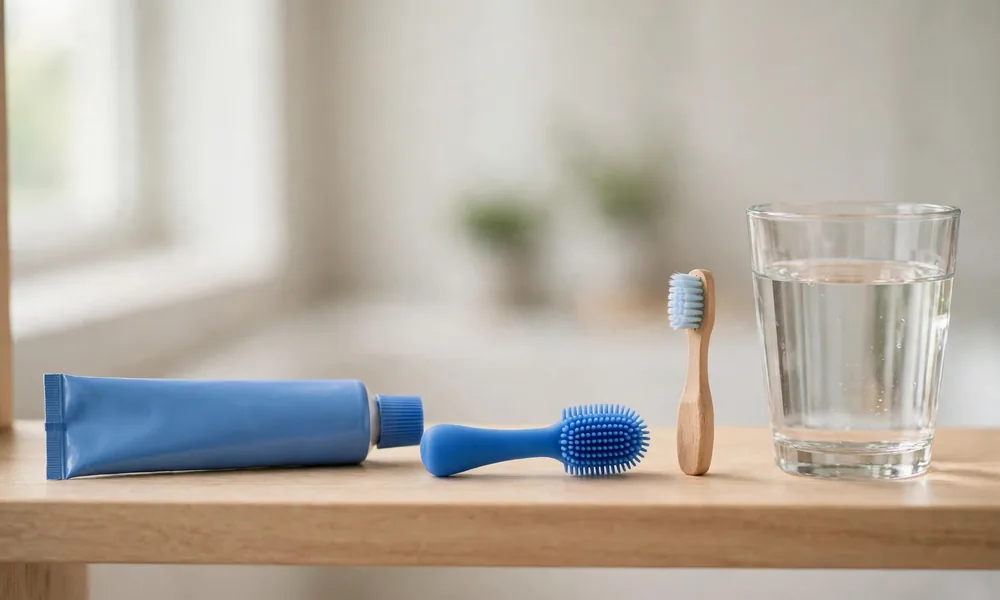
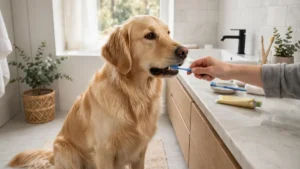
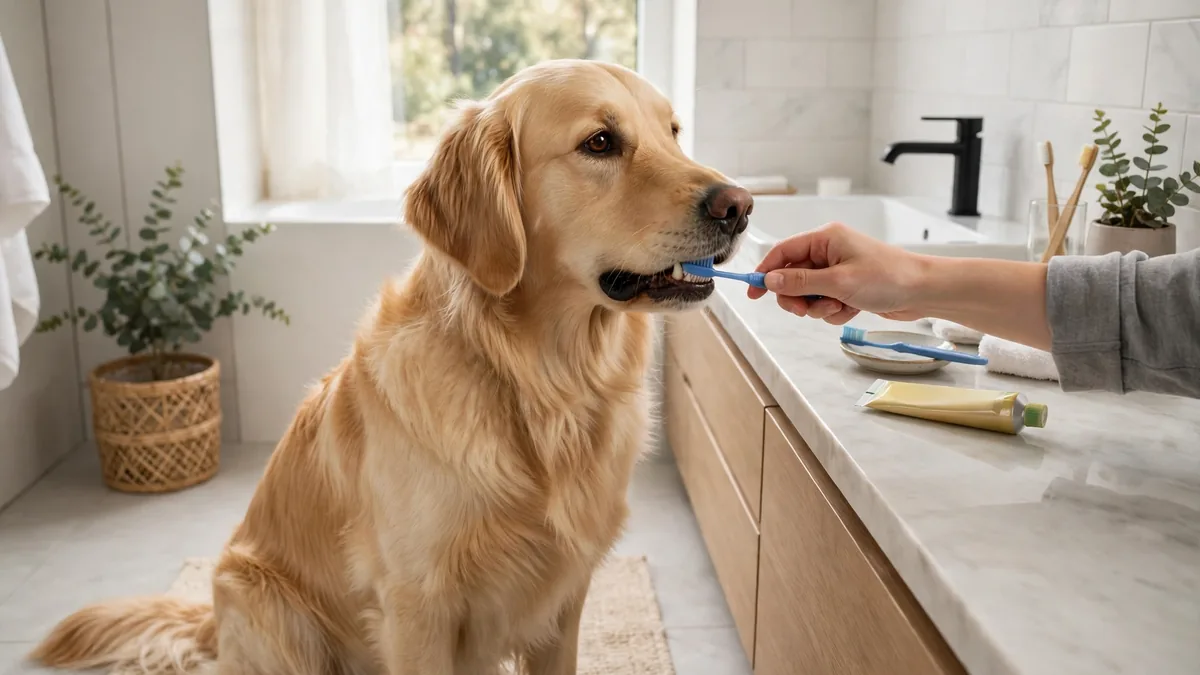
Brushing a dog’s teeth sounds harder than it is, once you find the right rhythm. Most dogs settle after a few sessions, especially when the paste tastes good and the routine stays calm. Go slowly, and let the dog set the pace.
Pick a quiet moment, when your dog is relaxed rather than wired. Sit beside your dog, not over it, and lift the lip gently with one hand. A few small circles on the outer teeth are enough. Our guide to the best dog shampoo in 2027 covers the rest of a calm grooming routine.
Dog Toothpaste Compared
| Paste | Best for | Texture | Key feature |
|---|---|---|---|
| Enzymatic poultry paste | Most dogs | Thick paste | Enzymes break down plaque film |
| Peanut butter paste | Fussy dogs | Thick paste | Flavour dogs love |
| Mint dental gel | Fresh breath | Light gel | Spreads easily, cools breath |
| Vanilla malt paste | Gentle dogs | Smooth paste | Mild, sweet flavour |
| Finger-brush starter paste | Puppies | Soft paste | Pairs with a finger brush |
| Sensitive gum gel | Sore gums | Light gel | Mild and non-stinging |
| Tartar control paste | Tartar-prone dogs | Thick paste | Helps lift film early |
| Puppy training paste | Young puppies | Smooth paste | Gentle flavour for small mouths |
| Senior dog paste | Older dogs | Soft paste | Kind to worn teeth |
| Breath freshening gel | Stubborn breath | Light gel | Targets odour directly |
What to Check Before You Buy
Read the label before you buy, and look for three things: made for dogs, free of xylitol, and suited to your dog’s age. If the label is vague about any of these, choose another tube.
Think about your dog’s mouth, not just the marketing. Small breeds crowd their teeth together, so they need a small brush and a paste that reaches tight spots. Large breeds need a longer brush and a paste that stays put.
Diet plays a part too, since sticky food and sweet treats feed the bacteria that cause bad breath. Our guide to the best dog food brands in 2027 can help you choose food that supports healthy teeth. Brushing, food and vet checks work together.
Your Dog Toothpaste Checklist
- Choose a paste made for dogs, never a human toothpaste.
- Check the label is free of xylitol and other dog-unsafe ingredients.
- Pick a flavour your dog enjoys, and test it from your finger first.
- Match the brush to your dog: a finger brush for puppies and nervous dogs.
- Brush two or three times a week, in short, calm sessions.
- Focus on the outer teeth and the gum line, where plaque builds first.
- Replace the brush when bristles splay, and store the tube sealed.
- See a vet for bleeding gums, loose teeth or lasting bad breath.
Frequently Asked Questions
How often should I brush my dog’s teeth?
Two or three times a week is enough for most dogs, and daily brushing is ideal if your dog accepts it. Short, regular sessions beat occasional long ones, because plaque forms every day.
Can I use human toothpaste on my dog?
No, never use human toothpaste on a dog. Human pastes are made to be spat out, not swallowed, and many contain xylitol, which is toxic to dogs. Use a paste made for dogs only.
What flavour of dog toothpaste do dogs like best?
Poultry and peanut butter are the most popular flavours with dogs, and most dogs accept them quickly. Mint suits some dogs, while vanilla malt suits dogs that prefer mild tastes.
My dog will not let me brush its teeth, what should I do?
Start slowly, and build up over days rather than forcing it. Let your dog lick the paste from your finger, then touch the teeth briefly, then try a finger brush. Keep sessions short, and stop before it becomes a struggle.
Do dental chews replace brushing?
No, dental chews help, but they do not replace brushing. Chews can rub away some surface film, yet they cannot clean the gum line as well as a brush.
The Bottom Line
The best dog toothpaste in 2027 is the one your dog enjoys, that suits its age and mouth, and that you will use two or three times a week. Start with an enzymatic poultry or peanut butter paste, and keep sessions short. Small, steady brushing adds up to healthier teeth and fresher breath.
Once brushing is part of the routine, the rest of pet care falls into place. Clean teeth, a calm grooming routine and a tidy home all go together, and our guide to the best cordless vacuum for pet hair in 2027 helps with the shedding that comes with a happy dog. Choose a paste, and start tonight.
Safety note: Never use human toothpaste on a dog, since xylitol and other human-paste ingredients can be toxic, and dogs swallow toothpaste rather than spitting it out. If your dog has bleeding gums, loose teeth or swelling, check with a vet before brushing again.