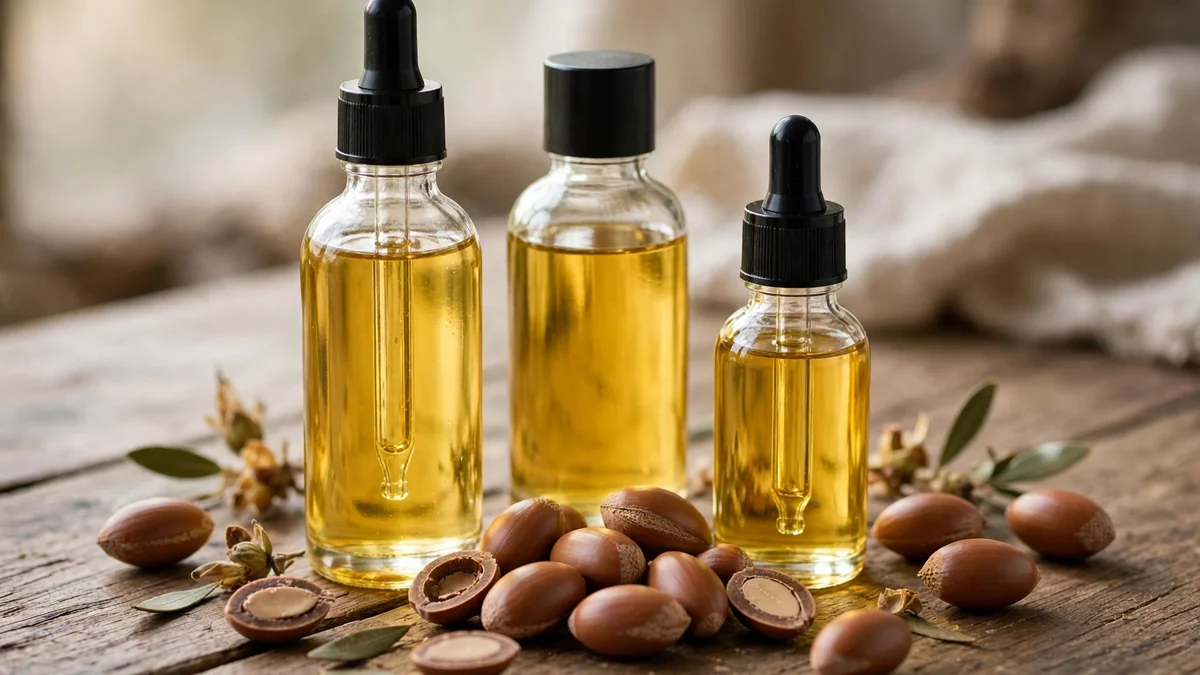

Dry hair is rarely a mystery, even if it feels like one. It happens when the hair shaft loses moisture faster than it can hold on to it, and the usual causes are familiar: frequent heat styling, colour and chemical treatments, hard water, cold air, too much washing, and hair that is naturally fine, curly or coarse. The result is the same whatever the cause: hair that feels rough, looks dull, tangles easily, and frizzes the moment humidity rises.
A good hair oil is one of the simplest ways to fix that, and it works differently from conditioner. Conditioner rinses away and mostly works on the surface; a leave-in oil stays on the hair, smooths the cuticle, seals in the moisture that is already there, and adds shine that dry hair cannot produce on its own. The difference between a good oil and a bad one is real: the best ones absorb, soften and protect without leaving hair limp, stringy or greasy.
Below are nine hair oils worth considering in 2027, from a classic argan oil to a lightweight option for fine hair, each described by what it is good at, what to watch for, and who it suits best.
Key takeaways
- A good hair oil seals in moisture, smooths the cuticle and adds shine, but it cannot add water to hair on its own.
- Light oils such as camellia and squalane suit fine hair, while rich oils such as argan and marula suit thick, coarse or curly hair.
- Apply oil to damp hair after washing for moisture, and a drop or two to dry ends between washes for shine and frizz control.
- Argan, jojoba, squalane and camellia oils are reliable ingredients, and heavy silicones and drying alcohols are the most common drawbacks.
- No hair oil repairs split ends or reverses heat damage, and too much oil will weigh hair down, so start with a small amount and add more only if needed.
What a hair oil actually does for dry hair
Hair oil works in three ways at once. It coats the hair shaft and smooths the cuticle, the overlapping scales on the outside of each strand, so hair reflects light better and feels softer to the touch. It slows down water loss from inside the strand, which is what keeps hair flexible rather than brittle. And it reduces friction between strands, which means less tangling, less breakage when you brush, and less frizz when the air is humid.
Dry hair needs this help because its cuticle is often raised or damaged. Heat styling, bleach, colour and even vigorous towel-drying all lift the cuticle, and once it is lifted, moisture escapes more easily and the surface catches the light unevenly. A small amount of oil lays that cuticle down again, temporarily, and the effect is visible immediately.
It is worth knowing what oil cannot do. It cannot put water into hair, so it works best on damp hair, where it locks in the moisture from washing. It cannot repair split ends, which are physically split and can only be cut off. And it cannot undo heat damage, though it can protect against further damage. Used honestly, it is a finishing and protecting step, not a cure.
How we chose these hair oils and what to look for
Look first at the weight of the oil and how it fits your hair type. A rich oil is ideal for thick, coarse or curly hair that drinks up moisture, but the same oil on fine hair will flatten it and make roots look greasy within hours. A light oil, such as camellia or squalane, is the one fine-haired people will actually use daily, and that matters more than how nourishing a formula claims to be. If your hair is fine, start with one drop, warm it between your palms, and apply only from the mid-lengths down.

Look next at the ingredients. Argan, jojoba, squalane and camellia oils are reliable for dry hair, and a formula built around one or two of them is usually a safer bet than a long list of exotic oils. Silicones such as dimethicone are not inherently bad: they give instant smoothness and heat protection, and they suit hair that is heavily styled, but they can build up over time and need a clarifying wash now and then. If you prefer to avoid them, look for a silicone-free formula. Our guide to the best face oils covers similar ingredient principles for skin, and the same logic applies here: a short, honest ingredient list usually beats a long, fashionable one.
Finally, look at the scent and the bottle. Hair oil stays close to your face all day, so a fragrance you dislike will irritate you fast, and a pump or dropper matters, since a bottle with no control makes it easy to pour out far too much.
The 9 best hair oils for dry hair of 2027
Moroccanoil Treatment Original
What we like: A classic argan oil blend that absorbs quickly, adds real shine, tames frizz and smells warm and distinctive, with a pump that makes dosing easy.
What to consider: It is a mid-weight oil, so very fine hair needs only one pump or less, and it is a mid-price oil rather than a budget one. Key ingredients: Argan oil, linseed extract. Hair type: Dry, coarse, curly, colour-treated. Size: 25 ml / 50 ml / 100 ml. Cruelty-free: Yes.
The hair oil other hair oils are measured against: dependable, pleasant, and one most people finish and repurchase.
Kérastase Elixir Ultime L’Huile Originale
What we like: A light, versatile oil with camellia and argan that leaves hair glossy without weight, works as a pre-shampoo treatment or a finishing oil, and has a refined, floral scent.
What to consider: Premium price, and the glass bottle is less practical for travel. Key ingredients: Camellia oil, argan oil, marula oil. Hair type: Dry, dull, all hair types. Size: 100 ml. Cruelty-free: No.
A polished, luxurious option for hair that needs to look glossy and finished, whether for a special occasion or an ordinary day.
Olaplex No.7 Bonding Oil
What we like: A highly concentrated, lightweight oil that adds shine, reduces frizz and flyaways, offers heat protection up to 230°C, and works well on damaged, colour-treated hair.
What to consider: A little goes a long way, and too much can make hair look oily, so start with a few drops. Key ingredients: Bis-aminopropyl diglycol dimaleate, grape seed oil, fermented green tea seed oil. Hair type: Damaged, colour-treated, dry. Size: 30 ml. Cruelty-free: Yes.
For hair that has been bleached, coloured or heat-styled often, this is a strong choice. It is light, effective and easy to use, and the heat protection is a genuine bonus.
Gisou Honey Infused Hair Oil
What we like: A honey and oil blend that softens dry ends, adds shine, tames flyaways, and has a gentle, sweet scent that is never overpowering.
What to consider: It is best on the ends and mid-lengths, and very fine hair should use a single drop to avoid heaviness. Key ingredients: Mirsalehi honey, argan oil, coconut oil. Hair type: Dry, frizzy, wavy. Size: 20 ml / 50 ml / 100 ml. Cruelty-free: Yes.
This is the oil for hair that feels dry mainly at the ends. It is a good everyday option, and the honey gives it a softness that straight oils sometimes lack.
Amika Glass Action Universal Elixir
What we like: A lightweight oil that gives a glass-like shine, smooths frizz, protects against heat up to 230°C, and never feels heavy, even on finer hair.
What to consider: The shine effect is strongest on straight or blow-dried hair, and curly hair may prefer a richer oil. Key ingredients: Sea buckthorn, squalane, jojoba oil. Hair type: Dry, fine to medium, straight or wavy. Size: 50 ml. Cruelty-free: Yes.
A good choice for anyone who wants shine without weight. It is light enough for daily use, and the heat protection makes it a useful styling step as well as a treatment.
Verb Ghost Oil
What we like: A very light, weightless oil that smooths frizz, adds shine, detangles, and vanishes into fine hair without leaving it flat or greasy.
What to consider: It is light by design, so very thick or coarse hair may need a richer oil as well. Key ingredients: Moringa oil, soybean oil, bamboo extract. Hair type: Fine, dry, frizz-prone. Size: 60 ml. Cruelty-free: Yes.
For fine hair, this is one of the best options available. It does what a hair oil should do, softens, smooths and shines, without the weight that makes fine hair give up on oil entirely.
Bumble and bumble Hairdresser’s Invisible Oil
What we like: A blend of six oils that softens dry hair, controls frizz, protects against heat and UV, and works well on curly and wavy hair that needs moisture without crunch.
What to consider: It is a mid-weight oil, so fine hair should use a small amount on the ends only. Key ingredients: Sweet almond oil, argan oil, macadamia oil, coconut oil, grapeseed oil, safflower oil. Hair type: Dry, curly, wavy, frizz-prone. Size: 100 ml. Cruelty-free: No.
A versatile, salon-favourite oil, particularly good for curly and wavy hair, where it adds softness and definition without stiffness.
K18 Molecular Repair Hair Oil
What we like: A light oil with a patented peptide that helps strengthen damaged hair from within, reduces frizz for up to 24 hours, and adds shine without heaviness.
What to consider: Premium price for a small bottle, and the benefits are most noticeable on damaged hair rather than simply dry hair. Key ingredients: K18Peptide, squalane, sunflower seed oil, hemisqualane. Hair type: Damaged, bleached, dry. Size: 30 ml. Cruelty-free: Yes.
For hair that is damaged as well as dry, this is a strong, modern choice. It is light, effective and easy to use, and it pairs well with other repair treatments.
L’Oréal Elvive Extraordinary Oil
What we like: An affordable, widely available oil with a blend of flower oils that softens dry hair, adds shine, tames frizz, and works well as a pre-shampoo or finishing oil.
What to consider: It is a light-to-medium oil, so very coarse hair may want a richer option, and the scent is floral and noticeable. Key ingredients: Camellia oil, sunflower seed oil, lotus flower extract. Hair type: Dry, normal, all hair types. Size: 100 ml. Cruelty-free: No.
The best budget option in this guide, and one of the easiest to find. For everyday dry hair, it does the job well at a fraction of the price of the luxury oils, and it is a good first oil for anyone new to hair oil.
Which hair oil is right for your hair
Fine hair needs a light oil, used sparingly. Camellia, squalane and moringa oils are good choices, and one drop warmed between your palms and smoothed over the ends is usually enough. Applying oil to the roots will flatten fine hair and make it look greasy, so keep it on the mid-lengths and ends. Our guide to squalane products explains why squalane is so lightweight, and that same quality makes it a useful ingredient in hair oil for fine hair too.
Thick, coarse or curly hair can handle a richer oil, and usually needs one. Argan, marula and coconut-based oils give the moisture and weight that coarse hair absorbs easily, and they help define curls and control the frizz that comes with dryness. Apply to damp hair after washing, and add a little more to dry ends between washes when they start to feel rough.
Colour-treated or damaged hair benefits most from an oil with added protection, such as heat protection or a bond-building ingredient. Use the oil as a finishing step after styling, and try a pre-shampoo oiling once a week: apply oil to dry hair, leave it for thirty minutes, then wash as normal.
The caveats that matter
Hair oil is helpful, but it is not a cure for everything. Split ends cannot be sealed back together, heat damage cannot be reversed, and hair that is breaking because of bleaching, tight styles or illness needs more than a bottle of oil. If hair is shedding heavily, thinning at the crown, or breaking off in large amounts, see a dermatologist or trichologist rather than buying a more expensive oil.
| Detail | What is known |
|---|---|
| Best oil for most dry hair | A mid-weight oil built around argan, camellia or squalane, applied to damp hair |
| When to apply | To damp hair after washing for moisture, and a drop to dry ends between washes |
| How much to use | One to three drops for fine hair, a pump or two for thick or coarse hair |
| Who should choose a light oil | Fine, thin or easily weighed-down hair |
| Who should choose a rich oil | Thick, coarse, curly or very dry hair |
| What to avoid | Applying oil to the roots, using too much, and expecting it to repair split ends |
| Silicones | Give instant smoothness and heat protection, but can build up and need a clarifying wash |
| When to see a clinician | Heavy shedding, thinning, scalp pain, or breakage that does not improve in a few weeks |
If your scalp is oily or prone to breakouts, keep oil off the scalp and use it only on the lengths and ends, since oil there can clog pores and make some scalp conditions worse.
Checklist: choosing a hair oil honestly
Use these checks before you buy, and again after two weeks of use.
- Check your hair type: light oil for fine hair, rich oil for thick, coarse or curly hair.
- Check the ingredients: argan, jojoba, squalane or camellia oil for dryness, and heat protection if you style often.
- Check the weight: start with one drop and add more only if your ends still feel dry.
- Apply to damp hair: oil seals in moisture, so it works best after washing, not on bone-dry hair.
- Keep it off the roots: apply from the mid-lengths down, so hair stays lifted and fresh.
- Give it two weeks: use it consistently before deciding whether it suits your hair.
Frequently asked questions
How often should I use hair oil?
Most people can use it every time they wash their hair, on damp hair, and add a drop to dry ends between washes when needed. Fine hair may prefer every other wash, while thick or curly hair often benefits from daily use on the ends.
Can hair oil make my hair greasy?
Yes, if you use too much or apply it to the roots. Start with one drop, warm it between your palms, and apply only to the mid-lengths and ends. If hair still looks greasy, use a lighter oil or use it less often.
Should I apply hair oil to wet or dry hair?
Both, for different reasons. On damp hair, oil seals in moisture from washing. On dry hair, a drop smooths frizz, adds shine and tames flyaways. The damp-hair application is the more important one for dryness, and a moisturiser for dry skin works on a similar principle: it locks in the moisture that is already there rather than creating it.
Can hair oil repair split ends?
No. Split ends are physically split and cannot be sealed back together permanently, whatever a product claims. Oil can make them look smoother temporarily, but the only real fix is a trim.
Is hair oil good for curly hair?
Yes, often very good. Curly hair is usually drier than straight hair because natural oils travel less easily down a curl, so it benefits from a rich oil applied to damp hair. It helps define curls, reduce frizz and keep ends soft between washes.
What should I avoid in a hair oil?
Drying alcohols, which can make dryness worse, and heavy mineral oil, which coats hair without nourishing it. If your hair is fine, avoid very rich oils and anything that leaves a heavy residue. And be wary of any oil that promises to repair damage or make hair grow faster, because no oil does either.
The bottom line
The best hair oil in 2027 is not the most expensive or the most luxurious. It is the one that suits your hair type, that you will use after every wash, and that leaves your hair soft and shiny without weighing it down. For fine hair, use a light oil sparingly; for thick, coarse or curly hair, a richer oil will do more good.
Choose one oil, start with a single drop on damp hair, keep it off the roots, and use it consistently for two weeks. That is the honest way to get softer, healthier-looking hair, without spending more than you need to.
Note: This guide is general haircare information, not medical advice. Patch-test new products, and speak to a dermatologist or trichologist if you have heavy shedding, thinning, scalp pain or irritation, or if your hair does not improve with regular care.