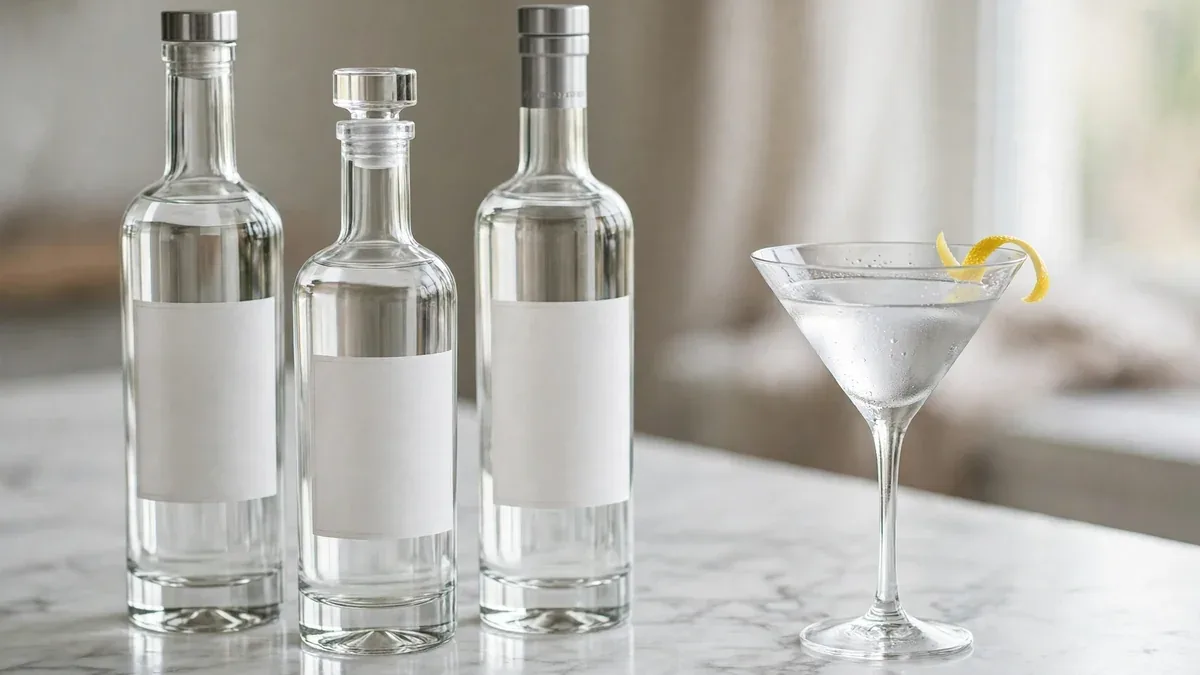

Choosing among the best luxury vodka brands is less about finding the strongest bottle on the shelf and more about finding the cleanest, smoothest one. A great luxury vodka should taste of almost nothing at all: no burn, no harsh edge, no chemical aftertaste, just a soft, rounded spirit that can be sipped neat or disappear gracefully into a cocktail. That is the standard the bottles in this guide are judged against, and it is a harder standard than it sounds, because vodka has nowhere to hide.
The difference between a good vodka and a great one usually comes down to three things: the base ingredient, the number of distillations, and the filtration. Polish rye vodkas tend to be spicy and full-bodied. French wheat vodkas are often softer and rounder. Potato vodkas can be creamy and rich. None is automatically better, but knowing your preferred style is the fastest way to stop buying bottles you do not enjoy.
Below are ten luxury vodka brands worth considering in 2027, from established icons to quieter bottles that punch above their price. Each is described by what it does well, what to watch for, and who it suits best, so you can choose with your palate in mind, not just a famous label.
Key takeaways
- The best luxury vodka brands are judged on smoothness, purity and balance, not strength or price alone.
- Base ingredient shapes flavour: rye is spicy, wheat is soft and round, potato is creamy, and grape is delicate and floral.
- Multiple distillations and careful filtration matter more than marketing, and a bottle that lists its process is a good sign.
- Most luxury vodkas are best served ice-cold, neat or in a simple martini, where there is nothing to hide behind.
- No vodka is a health product, and price does not guarantee you will prefer it; taste before committing to a large bottle.

What to look for in a luxury vodka
Start with the base. A vodka made from rye, wheat or potato will taste different even at the same strength, because the raw ingredient leaves a trace of character behind. Rye gives a peppery, slightly sweet warmth. Wheat gives a soft, clean, almost creamy neutrality. Potato gives weight and a rich mouthfeel. Grape, used by a few French producers, gives a delicate, floral lightness. If you have only ever tried one style, tasting two side by side is the quickest education in vodka there is.
Next, look at how many times the spirit has been distilled and filtered. Distillation removes impurities, and filtration through charcoal or other materials polishes what remains. More is not always better, and over-filtering can strip a vodka of all character, but a bottle that is open about its process is usually a bottle made with care. Check the label for the base ingredient, the origin, and the number of distillations, and be wary of bottles that hide behind a fancy shape and say nothing at all.
Finally, think about how you will drink it. A soft, neutral vodka is ideal for a martini or a vodka tonic. A fuller, spicier vodka holds up better in a flavoured cocktail or a long drink. A genuinely smooth vodka can be sipped neat from a chilled glass. If a vodka needs a mixer to be enjoyable, it is not a luxury vodka, whatever the price.
Belvedere
What we like: A Polish rye vodka with a gentle spice and a creamy finish, distilled four times from Dankowskie rye, with a long heritage and a consistently smooth profile that works neat or in a martini.
What to consider: The rye character is noticeable, so if you prefer a completely neutral vodka, a wheat-based bottle may suit you better. Base: Polish rye. Origin: Poland. ABV: 40%. Distillation: Four times.
Belvedere is the classic choice for people who want a vodka with a little personality. The spice is warm rather than harsh, the finish is long and clean, and it is one of the few luxury vodkas that is just as good sipped neat as it is in a cocktail.
Grey Goose
What we like: A French wheat vodka from the Cognac region, famously soft and round, with a subtle sweetness and a clean finish that has made it the default luxury vodka in bars around the world.
What to consider: It is widely available, so it lacks the rarity of smaller brands, and its softness can read as plain next to a spicier rye vodka. Base: French winter wheat. Origin: France. ABV: 40%. Distillation: Single distillation, five-step filtration.
Grey Goose is the safe, reliable luxury choice. It is smooth, consistent and easy to drink, which is exactly why it remains the reference point for the category.
Ketel One
What we like: A Dutch wheat vodka with a crisp, slightly citrus character and a soft, silky mouthfeel, distilled in copper pot stills in a family-owned distillery that has been making spirits for more than three centuries.
What to consider: It is a little more characterful than the softest wheat vodkas, so purists who want total neutrality may prefer a lighter bottle. Base: European wheat. Origin: Netherlands. ABV: 40%. Distillation: Copper pot stills, with charcoal filtration.
Ketel One is a bartender favourite for good reason. It makes an excellent martini, it holds up in a vodka tonic, and it has enough flavour to be interesting without ever being harsh.
Absolut Elyx
What we like: The luxury expression of Absolut, made from single-estate winter wheat in southern Sweden and distilled in a copper still built in 1921, with a rich, silky texture and a gentle grain sweetness.
What to consider: It is richer than standard Absolut, so it is best enjoyed cold and neat or in a simple serve rather than buried under strong mixers. Base: Single-estate winter wheat. Origin: Sweden. ABV: 40%. Distillation: Copper still, hand-operated.
Elyx is the bottle to choose if you like Absolut but want something smoother and more substantial. The copper still gives it a soft, rounded character that is easy to appreciate neat.
Beluga Noble
What we like: A Russian malt-spirit vodka rested for 30 days before bottling, with a clean, slightly sweet profile, a soft finish, and a presentation that makes it a natural choice for gifting and special occasions.
What to consider: It is a premium-priced bottle, and the resting process gives it a gentleness that some drinkers may find too subtle. Base: Malt spirit and artesian water. Origin: Russia. ABV: 40%. Distillation: Multiple distillations, rested 30 days.
Beluga Noble is a quiet, polished vodka, and that is the point. Served ice-cold in a small glass, it is smooth, slightly sweet and very easy to sip.
Chopin
What we like: A Polish potato vodka with a creamy, full-bodied texture and a soft, earthy warmth, made from potatoes grown on a family estate and distilled four times in small batches.
What to consider: Potato vodka is heavier than wheat or rye, so if you want a light, crisp vodka, this is not the bottle for you. Base: Potato. Origin: Poland. ABV: 40%. Distillation: Four times, small batch.
Chopin is the best-known potato vodka in the luxury category, and the one to try if you think all vodka tastes the same. Its creamy texture is unmistakable, and it makes a remarkably smooth martini.
Cîroc
What we like: A French grape vodka, distilled five times from fine French grapes, with a delicate, slightly floral character and a soft, clean finish that sets it apart from grain-based vodkas.
What to consider: The grape base gives it a lighter, fruitier note that not every vodka drinker wants, and it is best in simple serves where that character can show. Base: French grapes. Origin: France. ABV: 40%. Distillation: Five times.
Cîroc is the most distinctive vodka on this list. If you find grain vodkas dull, the grape base is a genuine change of pace, and it works beautifully over ice with a twist of lemon.
Reyka
What we like: An Icelandic vodka made from wheat and barley, distilled in a small copper still and filtered through lava rock, with a crisp, clean taste and a gentle mineral edge.
What to consider: It is less widely stocked than the big names, so you may need to look for it, and its clean profile is subtle rather than showy. Base: Wheat and barley. Origin: Iceland. ABV: 40%. Distillation: Copper still, lava-rock filtration.
Reyka is the connoisseur’s pick in this roundup. It is crisp, pure and quietly elegant, and it is often the bottle that surprises people who think they have tried every good vodka.
Stolichnaya Elit
What we like: The premium expression of Stolichnaya, freeze-filtered at low temperatures for extra smoothness, with a clean, slightly sweet profile and a long, gentle finish.
What to consider: It is a step up in price from standard Stolichnaya, and the difference is smoothness rather than flavour, so it rewards neat sipping more than mixing. Base: Wheat and rye. Origin: Latvia. ABV: 40%. Distillation: Multiple distillations, freeze filtration.
Elit is for drinkers who already like Stolichnaya and want the smoothest version of it. The freeze filtration is not a gimmick: the result is noticeably softer and cleaner than the standard bottle.
Crystal Head
What we like: A Canadian corn vodka quadruple-distilled and filtered seven times through Herkimer diamonds, with a clean, slightly sweet taste and one of the most recognisable bottles in the spirits world.
What to consider: The skull bottle is a talking point, but it is also a matter of taste, and the vodka itself is deliberately neutral rather than characterful. Base: Corn. Origin: Canada. ABV: 40%. Distillation: Four times, seven filtrations.
Crystal Head is smooth, clean and unmistakably a showpiece: a good choice for a home bar where the bottle matters as much as the spirit, and the vodka inside is genuinely well made.
How luxury vodka is made
All vodka starts the same way: a fermented base, usually grain, potato or fruit, is distilled to a high strength, then diluted with water to bottling strength. What separates a luxury vodka is what happens in between. The base is chosen carefully, often from a single estate or region, and distillation is done slowly, sometimes in copper pot stills that add a soft, rounded character. The water matters too: the best producers use naturally soft water, often from artesian wells or glacial sources, because hard water can leave a harsh edge.
Filtration is the final polish. Charcoal is the most common filter, and it removes the compounds that cause roughness and off-flavours. Some producers filter through quartz, lava rock or even precious stones, though the material matters less than the care taken. A luxury vodka should taste clean, with no burn, no chemical note, and no lingering harshness after you swallow.
Ageing is rare in vodka, and most luxury vodkas are not aged at all. A few, such as Beluga Noble, are rested briefly to let the spirit settle and soften. That resting period is short, usually measured in weeks, and it is not the same as the years a whisky spends in oak. If you are used to whisky, that is worth knowing: our guide to the best Japanese whiskey shows how much ageing shapes that spirit, while vodka is shaped almost entirely by its ingredients and its distillation.
The best ways to enjoy luxury vodka
The simplest test is also the best serve: chill the bottle in the freezer, pour a small measure into a chilled glass, and sip it slowly. A good luxury vodka will feel soft and slightly oily on the tongue, with no burn and a clean finish. If you taste harshness, it is not the temperature or the glass; it is the vodka.
The classic martini is the next test, and it is where a luxury vodka earns its price. Two parts vodka to one part dry vermouth, stirred with ice and strained into a chilled glass, with a lemon twist or an olive, leaves nowhere for a rough vodka to hide. Made with a smooth bottle, a vodka martini is silky and clean, and it best shows the difference between a mid-priced vodka and a luxury one. Our best espresso martini recipe is a richer, coffee-led alternative if you prefer your vodka with more flavour, and it is a good way to use a softer wheat vodka.
Long drinks suit vodka well too, because a clean vodka lets the other ingredients speak. A vodka tonic with a good tonic and a lime wedge is a simple, refreshing serve, and the Moscow mule, with ginger beer and lime, is the classic that made vodka popular in the first place. Our recipe for mule drinks covers the variations, from the classic copper-mug serve to lighter, fruit-led versions that suit a delicate grape vodka such as Cîroc.
Luxury vodka at a glance
| Detail | What is known |
|---|---|
| Best base for a soft, round vodka | Wheat, especially French or Swedish winter wheat |
| Best base for a spicy, full vodka | Rye, especially Polish rye |
| Best base for a creamy vodka | Potato, distilled in small batches |
| Best serve for judging quality | Neat, ice-cold, in a small chilled glass |
| Best cocktail for testing smoothness | A classic vodka martini, with dry vermouth and a lemon twist |
| What to check on the label | Base ingredient, origin, and number of distillations |
| What to avoid | Bottles that hide their base and process behind packaging alone |
| What price does not guarantee | That you will prefer it; taste before buying a large bottle |
Price is the least reliable guide in this category. Some of the smoothest vodkas on this list cost less than some of the roughest bottles in a fancy package. The label tells you where a vodka comes from and what it is made of; your palate tells you whether it is worth the money.
Checklist: choosing a luxury vodka honestly
Use these checks before you buy, and again after your first tasting.
- Check the base: rye for spice, wheat for softness, potato for creaminess, grape for delicacy.
- Check the label: it should name the base ingredient, the origin, and the distillation process.
- Check the price against the bottle: a luxury price should buy smoothness, not just packaging.
- Taste it neat and ice-cold first, before mixing it into anything.
- Try two styles side by side: a rye and a wheat vodka will teach you your preference in one evening.
- Buy the smaller bottle first if you are trying a new brand, and only size up once you know you like it.
Frequently asked questions
What makes a vodka a luxury vodka?
Careful sourcing, slow distillation, thorough filtration and soft water, all of which produce a smoother, cleaner spirit. A luxury vodka should be enjoyable neat, with no burn and no harsh aftertaste, and it should be open about its base ingredient and its process.
Is expensive vodka actually smoother?
Price usually reflects the base ingredient, the distillation method and the packaging, and a well-made expensive vodka is generally smoother than a cheap one. But some mid-priced vodkas beat some luxury bottles, so taste is the only reliable test.
Should luxury vodka be stored in the freezer?
Yes. Vodka does not freeze at normal freezer temperatures, and serving it ice-cold softens any remaining edge and makes it more refreshing. Keep the bottle upright, and pour into a chilled glass for the best result.
What is the best vodka for a martini?
A soft, clean wheat vodka such as Grey Goose or Ketel One is a classic choice, because it lets the vermouth and the garnish do the talking. A rye vodka such as Belvedere makes a spicier, more assertive martini, which some drinkers prefer.
Does the number of distillations matter?
Yes, up to a point. More distillations generally mean a purer, smoother spirit, because each pass removes more impurities. But over-distilling can strip away character, which is why the best luxury vodkas balance distillation with a base ingredient that still leaves a trace of flavour.
Is vodka gluten-free?
Most vodka is considered gluten-free, because distillation removes gluten proteins, even when the base is wheat, rye or barley. If you have coeliac disease or a serious gluten sensitivity, choose a potato, corn or grape vodka, and check the producer’s own statement to be sure.
The bottom line
The best luxury vodka brands in 2027 are not the ones with the most elaborate bottles or the highest prices. They are the ones that are smooth enough to sip neat, clean enough to disappear into a martini, and honest enough to tell you what they are made from and how they were made. Belvedere and Chopin lead for character, Grey Goose and Ketel One for all-round reliability, and Reyka and Cîroc for drinkers who want something different.
Start with your preferred style, taste two bottles side by side, and buy the smaller size first. The right luxury vodka is the one you reach for again, not the one with the most impressive label. Choose that one, serve it ice-cold, and enjoy it slowly.
Please drink responsibly. Luxury vodka is best enjoyed in moderation, and never drink and drive.