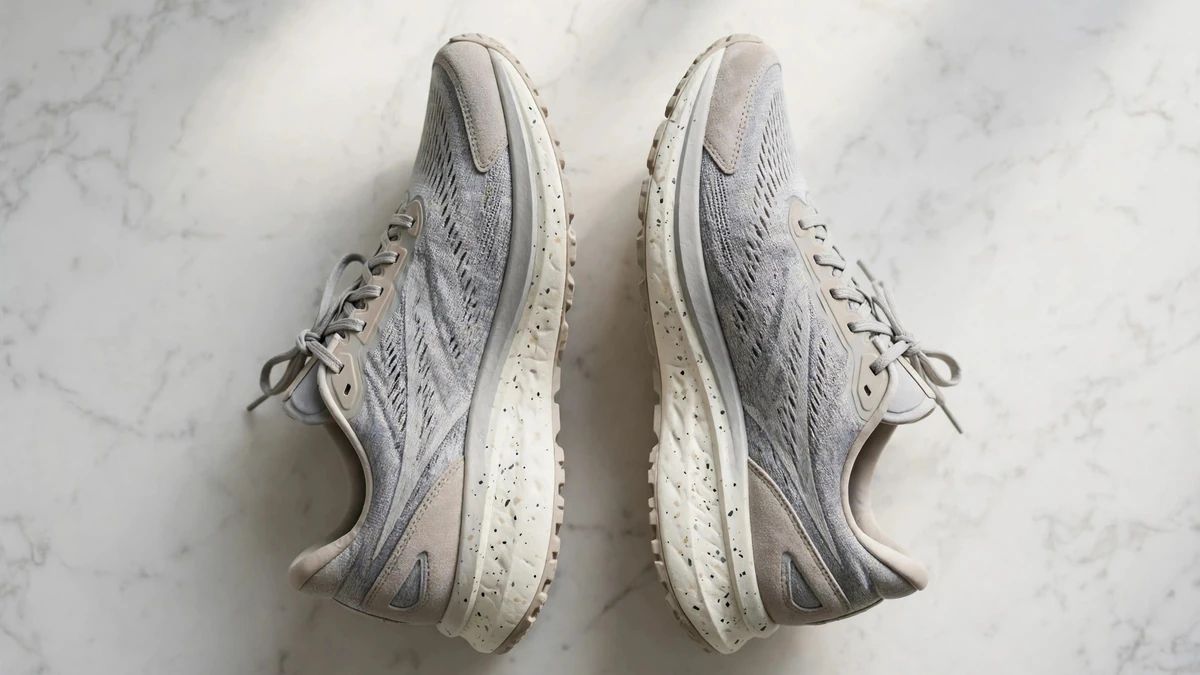

A premium running shoe is one of the few purchases where the difference between good and great is something you feel in your knees, your ankles, and your energy at the end of a run. The right pair absorbs impact, guides your stride, and disappears on your foot. The wrong pair leaves you with blisters, sore joints, or a run that ends earlier than planned. That difference has very little to do with the logo on the side.
This guide is organised around how you actually run, not just how fast. A cushioned shoe suits long, slow miles. A light, responsive shoe suits tempo days and races. A stable shoe suits anyone whose feet roll inward. The best shoe for you is the one that matches your stride, your distance, and the ground you run on, and that is a personal answer, not a universal one.
Below are nine premium running shoes worth considering in 2027, from a plush daily trainer to a carbon-plated racer and a rugged trail shoe. Each one is described by what it does well, what to watch for, and who it suits best.
Key takeaways
- A premium running shoe should feel comfortable from the first run, with no break-in period and no hot spots.
- Cushioning, weight, and stability matter more than brand: match the shoe to your stride, distance, and running surface.
- Neutral shoes suit most runners, while stability shoes help feet that roll inward, and trail shoes are built for uneven ground.
- Buy running shoes in the afternoon, leave a thumb’s width at the toe, and replace them after roughly 500 to 800 kilometres.
- No shoe prevents injury on its own, and a beautiful shoe that does not fit your foot is a poor buy at any price.
What a premium running shoe actually offers in 2027
A premium running shoe is not simply a more expensive version of a basic trainer. The difference shows up in the foam, the fit, and the construction: a midsole foam that returns energy instead of flattening, an upper that holds the foot without squeezing, a heel counter that keeps the foot stable, and an outsole that grips in the wet. These are quiet qualities, noticed most when they are missing, in a shoe that feels dead after a month or rubs a blister on mile three.
The midsole foam is the heart of a modern running shoe. Soft, nitrogen-infused foams feel plush and forgiving on long runs, while firmer, responsive foams feel faster on tempo days. A carbon plate, found in racing shoes, adds stiffness and propulsion, which can make a fast run feel easier, but it is not necessary for everyday training and can feel harsh at slow paces. The right foam is the one that suits your pace and your distance.
Fit is the other quiet problem with running shoes. Feet swell during a run, so a shoe that fits in the morning can feel tight by mile eight. A toe box that is too narrow will bruise toenails, while a heel that slips will rub a blister within a few kilometres. That is why buying shoes in the afternoon, with a thumb’s width at the toe, matters more than any review.
How we chose these shoes and what to look for
Look first at your stride and your distance. If you run long and slow, choose a cushioned daily trainer. If you run fast and short, choose a lighter, more responsive shoe. If your feet roll inward, a stability shoe will help. If you run on trails, choose a shoe with lugs and a rock plate, because a road shoe will slip on mud and loose ground.
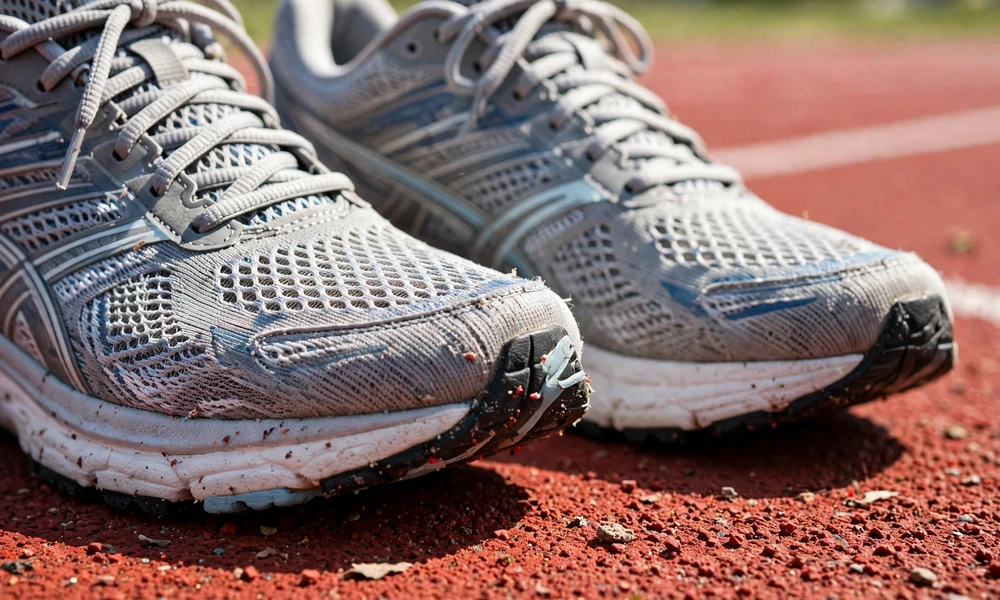
Look next at the weight and the drop. A lighter shoe feels faster, but it usually has less cushioning, so it suits shorter runs and races better than long training days. The drop, the height difference between heel and forefoot, changes how your foot lands: a high drop suits heel strikers, while a low drop suits midfoot strikers. Most premium trainers sit between 8 and 10 mm.
Finally, look at the upper and the outsole. A breathable engineered mesh keeps feet cool in summer, while a more structured upper holds the foot better on uneven ground, and an outsole with good rubber coverage lasts longer and grips better in the wet. Our guide to the best sneakers covers similar ground for everyday wear, and a look at the best white sneakers for women is worth reading too, because the fit and comfort checks are the same. For a premium purchase, the best luxury sneaker investment brands can help you judge whether a high price is matched by lasting quality.
The 9 best premium running shoes of 2027
Nike Pegasus 41 Premium
What we like: A reliable daily trainer with a responsive Air Zoom unit, a comfortable engineered mesh upper, and a fit that suits a wide range of runners. It is the workhorse of this list, and it does almost everything well.
What to consider: It is not the lightest shoe here, and it is not the most cushioned, so very long runs may call for a plusher option. Best for: Daily training, easy runs, and runners who want one pair that does it all. Fabric: Engineered mesh with a foam midsole. Price range: Premium mid-range. Standout feature: The balanced ride and the dependable fit.
For consistent, comfortable miles, it remains a strong first choice.
ASICS Gel-Nimbus 27
What we like: A plush, well-cushioned trainer with a soft FF Blast foam, a comfortable upper, and a smooth, forgiving ride that suits long, slow miles. It is one of the most comfortable shoes here.
What to consider: It is heavier than a tempo shoe, so it is not the best choice for speed work or racing. Best for: Long runs, recovery days, and runners who prioritise comfort. Fabric: Engineered mesh with a foam midsole. Price range: Premium mid-range. Standout feature: The plush cushioning and the smooth, easy ride.
A practical choice for anyone who runs long and wants a shoe that protects the legs.
Brooks Ghost 17
What we like: A neutral daily trainer with a soft DNA Loft foam, a secure fit, and a smooth transition from heel to toe. It is a favourite among runners who want a simple, reliable shoe.
What to consider: The design is understated, and it is not the lightest shoe in this list. Best for: Daily training, road running, and neutral runners. Fabric: Engineered mesh with a foam midsole. Price range: Premium mid-range. Standout feature: The smooth ride and the secure, comfortable fit.
A good starting point if you are new to running or returning after a break.
New Balance Fresh Foam X 1080v14
What we like: A soft, cushioned trainer with a Fresh Foam X midsole, a roomy toe box, and a fit that suits wider feet better than most. It is comfortable from the first run, with no break-in needed.
What to consider: The roomy fit may feel loose for narrow feet, and it is a heavier shoe than a racer. Best for: Long runs, wider feet, and runners who want maximum comfort. Fabric: Engineered mesh with a foam midsole. Price range: Premium mid-range. Standout feature: The roomy toe box and the plush Fresh Foam X cushioning.
The roomy fit gives toes space to spread, which matters more the longer you run.
Saucony Triumph 22
What we like: A premium cushioned trainer with a PWRRUN PB foam, a soft upper, and a lively, bouncy feel that makes long runs more enjoyable. It is one of the most fun shoes in this list.
What to consider: It is a premium price for a daily trainer, and the soft foam wears faster than a firmer midsole. Best for: Long runs, easy days, and runners who want a lively ride. Fabric: Engineered mesh with a foam midsole. Price range: High premium. Standout feature: The bouncy PWRRUN PB foam and the comfortable upper.
Wear it on days when comfort is the priority.
Hoka Clifton 10
What we like: A light, well-cushioned trainer with a thick but light midsole, a low drop, and a smooth rocker shape that encourages a natural stride. It feels light on the foot despite its cushioning.
What to consider: The thick sole takes some getting used to, and the low drop suits midfoot strikers better than heavy heel strikers. Best for: Daily training, long runs, and runners who like a light, cushioned feel. Fabric: Engineered mesh with a foam midsole. Price range: Premium mid-range. Standout feature: The light weight and the smooth rocker shape.
An easy place to start if you want maximum cushioning without a heavy shoe.
Adidas Adizero Adios Pro 4
What we like: A carbon-plated racing shoe with a Lightstrike Pro foam, energy rods, and a fast, propulsive feel. It is one of the quickest shoes here, and it rewards a fast pace.
What to consider: It is built for racing, not daily training, and the carbon plate can feel harsh at slow paces. It also wears faster than a daily trainer. Best for: Races, tempo runs, and fast training days. Fabric: Engineered mesh with a foam midsole and carbon rods. Price range: High premium. Standout feature: The carbon energy rods and the propulsive ride.
The shoe to buy if you are chasing a personal best: fast, light, and built for speed.
On Cloudmonster 2
What we like: A maximally cushioned trainer with a distinctive CloudTec midsole, a comfortable fit, and a bouncy, energetic feel. It stands out visually and feels different from a traditional trainer.
What to consider: The distinctive sole collects small stones on gravel paths, and the fit runs slightly narrow. Best for: Daily training, road running, and runners who want a distinctive ride. Fabric: Engineered mesh with a foam midsole. Price range: High premium. Standout feature: The CloudTec cushioning and the energetic feel.
A sensible, distinctive choice if you want a shoe that feels different from the usual trainer.
Salomon Sense Ride 6
What we like: A versatile trail shoe with a grippy Contagrip outsole, a protective toe cap, and a comfortable fit that works on both trails and roads. It is the most versatile shoe in this list.
What to consider: The lugs wear faster on hard roads, and it is heavier than a pure road shoe. Best for: Trail running, mixed terrain, and wet conditions. Fabric: Engineered mesh with a foam midsole and a rubber outsole. Price range: Premium mid-range. Standout feature: The grippy outsole and the trail-ready protection.
Try this pair first if your running takes you off the road: it grips where road shoes slip.
Which premium running shoe is right for you
Start with how you run. If you run long and slow, choose a cushioned daily trainer such as the ASICS Gel-Nimbus or the New Balance 1080. If you run fast and short, choose a lighter, more responsive shoe such as the Adidas Adios Pro. If your feet roll inward, a stability shoe will help, and if you run on trails, a shoe with lugs is essential.
Think next about your foot shape. A wide foot suits a roomier shoe such as the New Balance 1080, while a narrow foot usually does better in a snugger fit such as the On Cloudmonster. A high arch often prefers a well-cushioned shoe, while a flat foot may benefit from a stability feature. There is no single best shoe, only the best shoe for your feet.
Finally, think about your running week. Most runners do best with two pairs: a cushioned daily trainer for most miles, and a lighter shoe for tempo days and races. That rotation also helps shoes last longer, because the foam recovers between runs. The same logic applies to everyday shoes too: buy the versatile pair first, and the specialist pair second.
The caveats that matter
Premium running shoes are well made, but they are not a cure-all for running injuries. A shoe cannot fix a sudden jump in mileage, poor form, or a lack of strength work, and running through pain in a new shoe is never a good idea. Build mileage gradually, listen to your body, and replace shoes before the foam is worn out.
| Detail | What is known |
|---|---|
| Most versatile shoe | A cushioned daily trainer, suitable for most runs and most runners |
| Best for long runs | A plush, well-cushioned shoe with a comfortable upper |
| Best for racing | A light, carbon-plated shoe, kept for fast days and races |
| When to buy them | In the afternoon, when feet are at their largest |
| What to check in the shop | A thumb’s width at the toe, no heel slip, and a short run on a treadmill |
| When to replace them | After roughly 500 to 800 kilometres, or when the foam feels flat |
| What to avoid | A shoe that is too small, a sudden jump in mileage, or racing in an untried shoe |
| What they do not do | They do not prevent injury alone, and no shoe suits every runner |
If you have a foot condition, a history of ankle instability, or pain that persists after running, speak to a clinician or a podiatrist before buying a new pair. That is not a formality. The right shoe for you may be different from the one you wanted, and a simple check avoids weeks of discomfort.
Checklist: choosing a premium running shoe honestly
Use these checks before you buy, and again after a full week of runs.
- Check the fit in the afternoon: leave a thumb’s width at the toe, and make sure your heel does not slip.
- Check the purpose honestly: a daily trainer for most miles, a lighter shoe for speed, a trail shoe for off-road.
- Check the feel on a short run: the shoe should feel comfortable from the first run, with no break-in needed.
- Run on a treadmill in the shop if you can, and check for hot spots after ten minutes.
- Check the wear: replace shoes after roughly 500 to 800 kilometres, or when the foam feels flat and unresponsive.
- Protect the result: rotate two pairs if you run often, and let shoes dry naturally, away from direct heat.
Frequently asked questions
How often should I replace my running shoes?
Most premium running shoes last roughly 500 to 800 kilometres. Replace them when the foam feels flat, the outsole is worn smooth, or you start getting new aches.
Do I need a different shoe for racing?
Not necessarily, but a lighter, carbon-plated shoe can help on race day. Keep it for fast training and races, and do your everyday miles in a cushioned daily trainer, which lasts longer and is kinder on the legs.
Are carbon-plated shoes worth the price?
They can be, if you race and want the fastest shoe available. For everyday training, a good daily trainer is better value: more comfortable, more durable, and kinder at slow paces.
Can I run in the same shoe every day?
Yes, but rotating two pairs is better. It lets the foam recover between runs, which extends the life of both pairs, and it gives your feet a slightly different stimulus, which can help prevent overuse niggles.
How should I care for running shoes?
Let them dry naturally after a wet run, away from radiators and direct sun. Remove the insoles to help them dry, and do not machine-wash them often, because heat and agitation break down the foam faster.
Do premium running shoes suit beginners?
Yes. A cushioned daily trainer such as the Brooks Ghost or the Nike Pegasus is an excellent first running shoe, because it is comfortable, forgiving, and easy to run in. Start with a daily trainer, and add a specialist shoe later if you want one.
The bottom line
The best premium running shoe in 2027 is not the most expensive or the fastest. It is the one that fits your foot, matches your stride, and feels good from the first run. For most runners, a cushioned daily trainer is the right first buy, because it handles the majority of miles comfortably. For races and fast days, a lighter, carbon-plated shoe is worth adding once the everyday pair is sorted.
Choose one pair that does the most work in your running week, try it on properly in the afternoon, and run in it for a week before judging it. That is the honest way to get the benefit a premium running shoe is known for, without the blisters and sore joints that make so many pairs sit unworn in the cupboard.