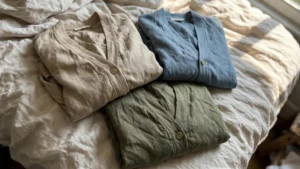
Silk has a reputation that makes it easy to admire and hard to wear. A pure silk knit looks beautiful on a hanger, then it snags, it stretches, it needs dry cleaning, and it costs enough that every wear feels like a small risk. That is exactly why silk blends have become the quiet favourite of people who love the look of silk but want a sweater they can actually live in. A little cashmere, cotton, or wool solves that, while the silk keeps the sheen and the drape.
The trick is knowing which blend you are buying. A sweater labelled silk blend can be 70 percent silk or 5 percent silk, and the two behave nothing alike. A high silk content drapes beautifully but needs gentle care. A low silk content is mostly the other fibre, with a hint of shine, and it behaves more like the fibre it is mixed with.
Below are nine silk blend sweaters worth considering in 2027, from affordable silk-cotton crews to a silk-cashmere investment piece. Each one is described by what it does well, what to watch for, and who it suits best.
Key takeaways
- Silk blends combine silk’s sheen and drape with a second fibre that adds warmth, structure, or durability, so they are easier to wear than pure silk.
- Check the fibre percentages on the label: a high silk content drapes beautifully but needs gentle care, while a low silk content behaves more like its partner fibre.
- Silk-cashmere is the warmest and most luxurious blend, silk-cotton is the most breathable and practical, and silk-wool is the most resilient for everyday wear.
- Hand-wash silk blends in cool water, dry them flat, and fold rather than hang them, because hangers stretch a silk knit out of shape.
- No blend makes silk indestructible, and a very cheap silk blend is usually very low in silk.
What a silk blend sweater is
A silk blend sweater is a knit made from silk mixed with at least one other fibre, most often cashmere, cotton, or wool. The silk is usually mulberry silk, the smooth, fine fibre produced by silkworms fed on mulberry leaves. It is strong for its weight and reflects light softly, giving the fabric a glow rather than a shine. On its own, though, silk is slippery, it stretches, and it is fussy about washing. Blending it solves most of those problems without losing the qualities people buy silk for.
The partner fibre decides the character of the sweater. Cashmere makes it warmer, softer, and more expensive, and it is the blend for when you want something that feels like a luxury piece. Cotton makes it lighter, cooler, and easier to wash, and it is the blend that works best for daytime and for warmer weather. Wool, usually merino, makes it springier and more hard-wearing, so it holds its shape better and survives being worn often.
What matters most is the proportion. A sweater that is 70 percent silk and 30 percent cashmere will feel like silk, drape like silk, and need silk-level care. A sweater that is 10 percent silk and 90 percent cotton will feel like cotton with a slightly smoother hand and a faint glow. Good brands print them clearly, and the price usually reflects them.
How we chose these sweaters and what to look for
Look first at the fibre percentages and the silk itself. The label should list every fibre and its share. A silk content of 20 percent or more is enough to change how the sweater feels and looks. Below that, the silk is mostly decorative. Mulberry silk is the standard for quality, and a blend that names it is a better sign than one that just says silk.
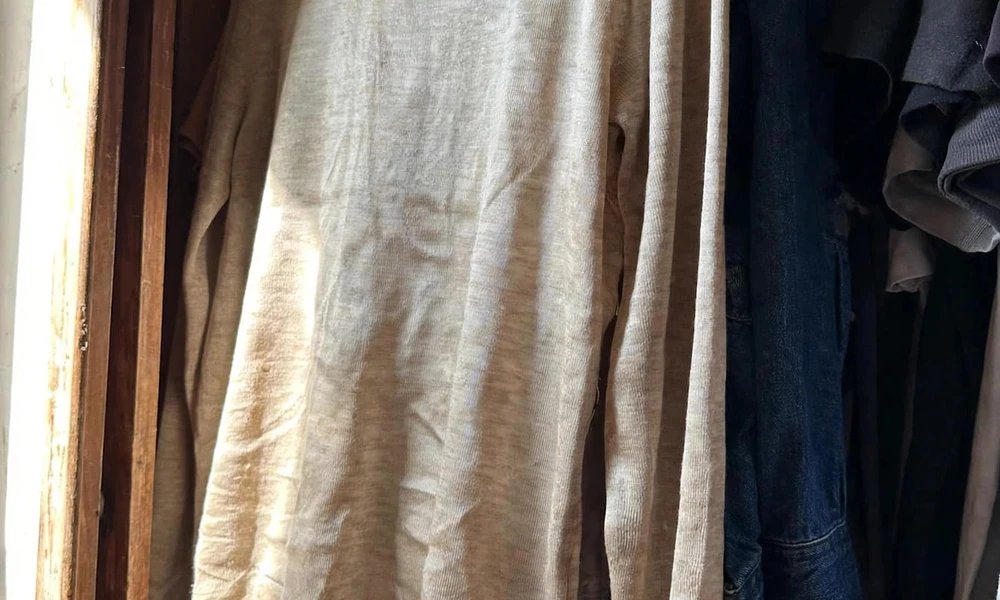
Look next at the fit and the finish. Silk drapes, so a blend sweater should fall in a clean line rather than cling or bunch. Seams should be smooth and flat, the neckline should lie neatly without gaping, and the cuffs and hem should have enough structure to hold their shape. A sweater that is cut too tight will stretch at the elbows and the waist, because silk has little natural recovery. A slightly relaxed fit is usually the safer choice, and it suits the fluid nature of the fabric. Our guide to styling a silk sweater explains why fit matters so much with this fabric, because a silk knit shows every wrinkle and every pull in a way a cotton one does not.
Finally, look at the care label before you buy. Most silk blends are hand-wash only, or machine-washable on a cold delicate cycle in a mesh bag. If the label says dry clean only, ask yourself whether you will actually take it to the dry cleaner, because a sweater that is never washed because it is too much trouble is a sweater that will not last.
The 9 best silk blend sweaters for women of 2027
COS Silk and Cotton Jumper
What we like: A clean, modern crew neck in a silk and cotton blend, with a smooth hand, a soft sheen, and a cut that drapes neatly without clinging.
What to consider: The cotton keeps it lighter than a silk-cashmere blend, so it is less warm in deep winter. Best For: Everyday wear and office outfits. Material: Silk and cotton blend. Price Range: Around $90 to $120. Standout Feature: A minimal, architectural cut that suits the fluid drape of silk.
The most wearable silk blend here: the cotton holds its shape, the silk adds a quiet glow, and the price is reasonable for a sweater you will reach for often.
Arket Silk Blend Sweater
What we like: A fine-gauge knit with a high silk content for its price, a relaxed fit, and a subtle sheen that reads as polished rather than shiny.
What to consider: The fine gauge is delicate, so it needs a mesh bag if it goes in the machine. Best For: Smart daytime outfits and layering under a blazer. Material: Silk blend with wool. Price Range: Around $100 to $140. Standout Feature: A fine, even knit that shows off the silk’s natural glow.
It looks more expensive than it is, and the silk gives it a softness a pure wool knit at this price does not have.
Massimo Dutti Silk and Cotton Sweater
What we like: A polished, slightly tailored fit, a smooth silk and cotton blend, and colours that lean warm and neutral, which suit the fabric’s sheen.
What to consider: The tailored cut means you should size up if you want a relaxed drape. Best For: Work outfits and smart evenings. Material: Silk and cotton blend. Price Range: Around $80 to $110. Standout Feature: A refined, tailored silhouette in a soft silk blend.
A good choice if you want a silk blend that reads as smart rather than soft, with tailoring that keeps the drape controlled.
& Other Stories Silk Blend Knit Sweater
What we like: A soft, slightly oversized knit in a silk blend, with a gentle drape and a colour range that includes soft pastels as well as neutrals.
What to consider: The relaxed fit can look untidy if the sweater is too long, so check the length before buying. Best For: Relaxed weekends and soft, layered outfits. Material: Silk blend with cotton. Price Range: Around $85 to $115. Standout Feature: A soft, easy drape in a wider colour range than most silk blends.
In the pastel shades the sheen catches the light and makes the colour look richer than it would in plain cotton.
J.Crew Silk-Blend Sweater
What we like: A classic crew neck in a silk blend with a touch of cashmere, a reliable fit, and a smooth, even knit that layers well under jackets.
What to consider: The cashmere content is modest, so it is softer than cotton blends but not as warm as a high-cashmere knit. Best For: Classic outfits and layering. Material: Silk, cotton, and cashmere blend. Price Range: Around $110 to $150. Standout Feature: A dependable classic cut with a silk-cashmere feel.
A steady, well-made option that works with almost everything. It is not the most dramatic piece here, but it is the one you will probably wear the most.
Banana Republic Silk-Cashmere Sweater
What we like: A warm, soft silk and cashmere blend with a smooth hand, a flattering drape, and a fit that works tucked in or left loose.
What to consider: It needs hand-washing or dry cleaning, and the soft knit can pill under a bag strap. Best For: Evenings, smart days, and cold weather. Material: Silk and cashmere blend. Price Range: Around $130 to $180. Standout Feature: The warmest blend in this roundup, with a genuinely luxurious feel.
The sweater to buy if you want silk to feel like a treat. The cashmere makes it warm and soft in a way the cotton blends cannot match, and the silk keeps it light enough to wear indoors.
Mango Silk Blend Sweater
What we like: An affordable silk blend with a modern, slightly boxy cut, a smooth texture, and a price that makes silk accessible.
What to consider: The silk content is lower than the premium options, so the sheen is subtler and the feel is closer to cotton. Best For: Trying silk blends on a budget. Material: Silk and cotton blend. Price Range: Around $50 to $80. Standout Feature: The most affordable way into a silk blend, with a modern cut.
A good first silk blend. It will not feel like a luxury piece, but it will show you whether you like the drape and the sheen before you spend more.
Quince Silk Cashmere Crew Neck Sweater
What we like: A high silk and cashmere content at a direct-to-consumer price, a soft, smooth knit, and a clean crew neck that suits most outfits.
What to consider: The knit is fine and delicate, so it needs gentle handling and should be folded, not hung. Best For: A luxury feel without a luxury price. Material: Silk and cashmere blend. Price Range: Around $60 to $90. Standout Feature: An unusually high silk and cashmere content for the price.
The value pick of the roundup: a genuinely generous fibre content, a soft, smooth knit, and a price far below a traditional luxury brand.
Vince Silk Cashmere Sweater
What we like: A refined silk and cashmere blend with a beautiful drape, a soft hand, and a minimal, elegant cut that defines the brand.
What to consider: Premium price, and the delicate knit needs careful washing and storage. Best For: Investment dressing and special occasions. Material: Silk and cashmere blend. Price Range: Around $250 to $350. Standout Feature: The most polished drape and finish in this roundup.
The investment piece. The silk and cashmere are both high quality, the cut is understated and elegant, and the sweater looks and feels like the most expensive thing in the room.
Which silk blend is right for you
Start with how you will wear it. If you want a sweater for work and everyday life, a silk and cotton blend is the most practical choice. It is breathable, it holds its shape, and it tolerates a gentle machine wash better than the other blends. The cashmere blend sweaters in our earlier roundup are warmer, but they need more care, and they cost more for the same silhouette.
If you want warmth and softness, choose silk and cashmere. It feels most like a luxury purchase and makes a simple outfit feel considered. If you want resilience and a sweater you can wear often, silk and wool is the most forgiving, because the wool gives the knit spring and shape retention that pure silk lacks.
Colour matters more with silk than with other fibres. Dark colours look richer and deeper in a silk blend, while pale colours look softer and more luminous. A pale silk blend shows every mark and needs a camisole underneath if the knit is fine. Neutral shades are the safest first purchase, because the sheen does the work and the colour does not fight it. If you already own a linen blend sweater, a silk blend in the same neutral family will layer with it well in transitional weather.
The caveats that matter
Silk blends are not hard to care for, but they are easy to ruin with one careless wash. Hot water, a harsh detergent, and a tumble dryer are the three things that do the most damage. Hot water weakens silk fibres, a strong detergent strips the natural sheen, and a dryer shrinks and felts the knit.
| Detail | What is known |
|---|---|
| Best blend for warmth | Silk and cashmere, soft and warm but delicate and premium-priced |
| Best blend for everyday wear | Silk and cotton, breathable, structured, and easiest to care for |
| Best blend for shape retention | Silk and wool, springy and resilient, holds its shape best |
| How to wash | Cool hand wash or cold delicate cycle in a mesh bag, with a mild detergent |
| How to dry | Flat on a clean towel, away from direct heat and sunlight |
| How to store | Folded, never hung, with cedar or lavender to deter moths |
| What to avoid | Hot water, harsh detergent, tumble drying, and rough bag straps |
| What it does not do | No blend makes silk indestructible, and a low silk content is mostly marketing |
Pilling is the other common complaint, and it is normal for soft blends, especially silk and cashmere. It happens where fabric rubs, under the arms, at the waistband, and where a bag strap sits. A fabric comb or a gentle de-pilling tool removes it, and it usually lessens after the first few wears as the loose fibres shed. Keep rings and bracelets smooth, and take the sweater off before handling anything rough, because a pulled thread in silk is hard to fix invisibly.
Checklist: choosing a silk blend sweater honestly
- Check the label: fibre percentages should be printed clearly, with silk at 20 percent or more if you want the silk to matter.
- Check the knit: fine, even stitches, smooth seams, and a neckline that lies flat without gaping.
- Check the drape: hold the sweater up and let it fall; it should fall in a clean line, not cling or bunch.
- Check the care label: hand-wash or cold delicate cycle should be realistic for your routine, not a chore you will avoid.
- Check the colour: dark shades look richer in silk, pale shades look softer but show marks and need a camisole underneath.
- Check the fit: a slightly relaxed fit suits silk best, because a tight knit stretches at the elbows and waist.
Frequently asked questions
Are silk blend sweaters worth the price?
Usually yes, if the silk content is real. A blend with 20 percent silk or more feels and looks noticeably different from a plain cotton or wool sweater, and it drapes better. A very cheap silk blend is often only 5 percent silk, so check the label before judging the price.
Which silk blend is best for sensitive skin?
Silk and cotton is usually the gentlest, because both fibres are smooth and breathable, and the blend is less likely to itch than a wool blend.
How do I wash a silk blend sweater?
Hand-wash it in cool water with a mild detergent, press out the water gently without wringing, and dry it flat on a clean towel.
Do silk blend sweaters pill?
Yes, especially silk and cashmere blends, because the fibres are soft and short. Pilling happens where fabric rubs, and it usually lessens after the first few wears.
Can I wear a silk blend sweater in summer?
A silk and cotton blend can work on a cool summer evening, because silk is breathable and regulates temperature.
What is the difference between silk-cashmere and silk-cotton?
Silk-cashmere is warmer, softer, and more luxurious, but it is delicate and needs hand-washing. Silk-cotton is lighter, cooler, and more structured, and it is easier to care for, which makes it the better choice for everyday wear.
The bottom line
The best silk blend sweater in 2027 is not the one with the most silk or the highest price. It is the one whose blend matches how you live. A silk and cotton crew is the honest everyday choice, a silk and cashmere sweater is for warmth and luxury, and a silk and wool blend holds its shape through the most wears.
Check the label, choose a colour that suits the sheen, wash it cool and dry it flat, and fold it rather than hang it. Do that, and a silk blend sweater will look and feel special for years.