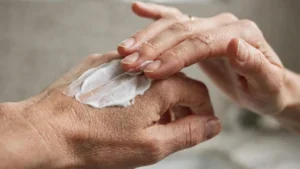
Vitamin E is the quiet workhorse of skincare. It is an antioxidant that helps protect skin from the daily wear of sun, pollution and stress, it supports the skin barrier, and it softens dry, rough patches in a way few single ingredients can. The problem is not whether vitamin E works. It is that most vitamin E oils are thick, sticky, and easy to use wrong.
That is why this guide is organised by skin type and by use, not just by price or popularity. A pure, high-strength vitamin E oil can be a useful spot treatment for a dry patch or a scar, but it is rarely the right choice as an all-over face oil for oily skin. A lighter blend, where vitamin E is paired with jojoba, squalane or rosehip oil, is often the better daily option. The best vitamin E oil is the one you will actually use, in the right amount, in the right place.
Below are nine vitamin E oils worth considering in 2027, from pure, high-strength oils to lightweight blends for the face, body and hair. Each one is described by what it is good at, what to watch for, and who it suits best.
Key takeaways
- Vitamin E is an antioxidant that helps protect skin from environmental damage and supports the skin barrier, but results take weeks of consistent use.
- Pure vitamin E oil is thick and sticky, so a few drops go a long way, and blends with lighter carrier oils are usually easier to use daily.
- Dry and mature skin benefits most from vitamin E oil, while oily and acne-prone skin should use it sparingly, or only on dry patches.
- Use vitamin E oil as the last step in your routine, after moisturiser, and always patch-test first, because it can irritate sensitive skin.
- Vitamin E does not erase scars or stretch marks on its own, and an oil that smells rancid, feels gritty, or causes a rash should be stopped and replaced.
What vitamin E actually does for skin
Vitamin E, or tocopherol, is a fat-soluble antioxidant. It helps neutralise the unstable molecules created by sun, pollution and stress, which otherwise contribute to dullness, uneven tone and fine lines. It also sits in the skin’s lipid barrier, where it helps hold moisture in and keep irritants out, which is why it feels so comforting on dry, tight skin. It is often paired with vitamin C, because the two antioxidants support each other.
What it does not do is work overnight, or on its own. Vitamin E will not erase a scar, remove a stretch mark, or reverse sun damage. What it can do, used consistently, is soften rough patches, calm the look of dryness, and make skin feel more comfortable and resilient. Scars fade slowly, over months, and no single product speeds that up dramatically.
The other quiet problem with vitamin E is its texture. Pure tocopherol is thick, almost honey-like, and it does not absorb quickly. That is why many people try it once, find it greasy, and never use it again. The trick is the amount. Two to three drops, warmed between your palms and pressed onto damp skin, is usually enough. More just sits on the surface, where it can trap heat, clog pores, and stain a pillowcase.
How we chose these oils and what to look for
Look first at the form and the strength. Pure vitamin E oils are usually listed by IU, or international units, and range from around 14,000 IU to 45,000 IU. A higher number is not automatically better. It usually means a thicker, stickier oil, and for most people a mid-strength oil, or a blend, is easier to use every day. If the label says tocopheryl acetate, that is a stable form the skin converts to active tocopherol. If it says d-alpha tocopherol, that is the natural form, generally considered the most active.

Look next at the carrier oils. Vitamin E is almost always sold dissolved in a carrier, and the carrier changes how the oil feels and who it suits. Jojoba and squalane are light and suit most skin types. Sunflower and safflower oils are also light and affordable. Rosehip adds its own brightening benefit, but it is richer. Sweet almond and olive oil are heavier, and better for the body than the face. Our guide to the skin barrier explains why that choice matters.
Finally, look at the bottle and the smell. Vitamin E oil should be stored in a dark bottle, away from heat and light, because the oil itself can go rancid. A fresh oil smells mild and slightly nutty. A rancid oil smells sharp, paint-like, or stale, and it should be thrown away. A dropper bottle is practical for the face, while a pump is easier for the body.
The 9 best vitamin E oils for skin of 2027
Jason Vitamin E Oil 45,000 IU
What we like: A high-strength, pure-feeling vitamin E oil with a long track record, affordable for its size, and versatile enough for face, body, nails and hair ends. What to consider: Very thick and sticky, so it is best as a spot treatment or mixed into moisturiser, not used neat all over the face. Key ingredients: Vitamin E 45,000 IU, sunflower seed oil, wheat germ oil. Skin type: Dry, mature, normal. Size: 118 ml. Cruelty-free: Yes.
The classic, no-frills vitamin E oil. It is strong, so use a little, warmed between your palms, pressed onto the driest areas.
NOW Solutions Vitamin E Oil 20,000 IU
What we like: A mid-strength oil that is noticeably easier to spread than the highest-strength options, with a simple ingredient list and a dropper that controls the dose. What to consider: Still thick by face-oil standards, and it can feel heavy on oily skin if you use more than a few drops. Key ingredients: Vitamin E 20,000 IU, sunflower seed oil. Skin type: Dry, normal, combination. Size: 30 ml. Cruelty-free: Yes.
A sensible middle ground, strong enough to feel like a treatment, but light enough to use on the face a few nights a week.
Sundown Naturals Vitamin E Oil
What we like: An affordable, widely available oil with a smooth texture, good for the body, cuticles and hair ends, and easy to mix into a body lotion. What to consider: The exact strength is not always listed on the label, and it is better suited to the body than to a careful face routine. Key ingredients: Vitamin E, soybean oil, sunflower oil. Skin type: Dry, normal. Size: 75 ml. Cruelty-free: No.
The everyday, budget-friendly option, for dry elbows, knees and cuticles, and for mixing into body lotion in winter.
Derma E Vitamin E Skin Oil 14,000 IU
What we like: A gentler, lower-strength oil that absorbs more easily than most pure vitamin E oils, with safflower oil as a light carrier, and a clean, simple formula. What to consider: Lower strength means slower, subtler results, and it is best for maintenance rather than intensive treatment. Key ingredients: Vitamin E 14,000 IU, safflower seed oil. Skin type: Sensitive, dry, normal. Size: 60 ml. Cruelty-free: Yes.
For sensitive skin, or anyone who found pure vitamin E too heavy, this is the easiest starting point.
Bio-Oil Skincare Oil
What we like: A lightweight, fast-absorbing blend built around vitamin E, with chamomile, lavender and rosemary oils, designed for scars, stretch marks and uneven tone. What to consider: It contains fragrance, so very sensitive skin should patch-test, and results on scars take months of twice-daily use. Key ingredients: Vitamin E, chamomile oil, lavender oil, rosemary oil. Skin type: All, except very sensitive. Size: 60 ml, 125 ml, 200 ml. Cruelty-free: No.
The most famous scar and stretch mark oil for a reason. It is light enough to use twice a day, and consistency, not strength, is what changes a scar.
Palmer’s Skin Therapy Oil
What we like: A rich, cocoa-butter-based oil with vitamin E, rosehip and sesame oils, that feels like a treat on dry skin and works well on the body, especially in winter. What to consider: Rich and scented, so it is better for the body than the face, and it can feel heavy in warm weather. Key ingredients: Vitamin E, cocoa butter, rosehip oil, sesame oil. Skin type: Dry, mature, normal. Size: 150 ml. Cruelty-free: No.
A body oil first and a face oil second. Use it after a shower, on damp skin, and it keeps dry legs and arms comfortable all day.
Neutrogena Body Oil
What we like: A very light, fast-absorbing body oil with vitamin E and sesame oil, that leaves skin soft without a greasy film, and layers well under clothes. What to consider: It is a light treatment, not an intensive one, so very dry or cracked skin may need something richer. Key ingredients: Vitamin E, sesame oil, light mineral oil. Skin type: All, including normal and dry. Size: 250 ml. Cruelty-free: No.
For people who hate the feeling of body oil, this is the one to try. It sinks in quickly and does not stain clothes.
Trilogy Certified Organic Rosehip Oil Antioxidant+
What we like: A rosehip oil naturally rich in vitamin E, with a light, dry-oil feel, certified organic, and good for brightening dull skin and softening fine lines. What to consider: Rosehip oil can stain light fabrics, and it has a natural, earthy scent that not everyone loves. Key ingredients: Rosehip oil, vitamin E, lycopene, beta-carotene. Skin type: Dry, normal, mature. Size: 30 ml. Cruelty-free: Yes.
A good choice if you want vitamin E as part of a broader antioxidant oil, rather than a single-ingredient treatment.
Kiehl’s Daily Reviving Concentrate
What we like: A lightweight morning face oil with vitamin E, sunflower and tamanu oils, that absorbs quickly, layers well under makeup, and leaves skin looking rested rather than greasy. What to consider: Premium-priced for a face oil, and the effect is subtle, more glow than transformation. Key ingredients: Vitamin E, sunflower seed oil, tamanu oil, ginger root oil. Skin type: Normal, combination, dry. Size: 30 ml. Cruelty-free: No.
If you want vitamin E in a morning face oil that behaves like a skincare step, this is the most polished option on the list.
Which vitamin E oil is right for your skin type
Dry skin usually does best with a pure or mid-strength vitamin E oil, used at night as the last step, or mixed into a rich moisturiser. The goal is comfort without tightness, so an oil that leaves skin feeling soft and calm after ten minutes is a better sign than one that feels strong on application. A moisturiser for dry skin with a few drops of vitamin E oil mixed in is often the easiest way to get the benefit without the grease.
Oily and combination skin should be more careful. Vitamin E oil is heavy, and used neat all over the face it can clog pores and trigger breakouts. If you want to try it, use it only on dry patches, or on a scar, and use a light blend rather than a pure oil. Sensitive skin needs a slower start too. Choose a lower-strength oil, patch-test for two to three days, and stop if you see redness or a rash.
Mature skin often benefits most from vitamin E, because dryness, dullness and fine lines are exactly what it helps with, but it also needs patience. A vitamin E oil without daily sunscreen is a good habit undone every afternoon.
The caveats that matter
Vitamin E is well studied, but it is not a cure-all. It will not erase a scar, remove a stretch mark, or reverse sun damage on its own. It can also cause contact dermatitis in some people, which is why patch-testing matters more with vitamin E than with most oils. If you develop redness, itching or a rash where you applied it, stop using it and simplify your routine, and try a different antioxidant, such as niacinamide or squalane.
| Detail | What is known |
|---|---|
| Best form for most skin | A mid-strength oil, 14,000 to 20,000 IU, or a light blend with jojoba or squalane |
| When to use it | At night, as the last step, on damp skin, or mixed into moisturiser |
| How much to use | Two to three drops for the face; more does not work faster, it just sits on the surface |
| Who should start gently | Sensitive or acne-prone skin; patch-test first and use only on dry patches |
| What to avoid pairing at first | Starting a strong exfoliant or retinol at the same time |
| Storage | Dark bottle, cool place, away from light and heat; discard if it smells rancid |
| When to replace it | If it smells sharp or paint-like, feels gritty, or causes a rash |
| What it does not do | It does not erase scars or stretch marks alone, reverse ageing, or replace sunscreen |
If you are pregnant, breastfeeding, or using prescription skincare, check with your clinician or dermatologist before adding a new active, especially at high strength. That is not a formality. Prescription treatments change what your skin can tolerate, and a simple check avoids weeks of irritation.
Checklist: choosing a vitamin E oil honestly
Use these checks before you buy, and again after two weeks of use.
- Check the form and strength: mid-strength, 14,000 to 20,000 IU, or a light blend if your skin is sensitive or oily.
- Check the carrier oil: jojoba and squalane are light, sunflower and safflower are affordable, rosehip adds brightness.
- Check the bottle: dark glass, airtight, and small enough to finish before the oil goes rancid.
- Patch-test first: apply to your jawline or inner arm for two to three days before full-face use.
- Start slowly: two to three drops at night, on damp skin, as the last step in your routine.
- Protect the result: use sunscreen every morning, because sun undoes the antioxidant benefit faster than any oil can build it.
Frequently asked questions
How often should I use vitamin E oil?
Once a day at night is enough for most people. For the face, two to three drops is plenty. For the body, you can use it daily after a shower, on damp skin.
Can I use vitamin E oil on my face every day?
Yes, if your skin is dry or mature and the oil suits you. If your skin is oily or acne-prone, use it only on dry patches or scars, not all over the face, and watch for breakouts.
Can I mix vitamin E oil with my moisturiser?
Yes, and for most people this is the easiest way to use it. Mix two to three drops into your usual moisturiser in your palm, then apply as normal. A hydrating serum underneath adds water-based moisture that the oil then seals in.
Does vitamin E oil remove scars?
It can help soften the look of a scar over months, especially when used consistently, but it does not remove scars. Massage, time and sun protection matter as much as the oil itself, and deep or raised scars need a dermatologist.
Is vitamin E oil safe for sensitive skin?
Often yes, at a lower strength, but vitamin E can cause contact dermatitis in a small number of people. Choose a fragrance-free, lower-strength oil, patch-test, and stop if you develop redness or itching.
Can I use vitamin E oil with retinol?
Yes, but keep it simple. Use retinol in the evening and vitamin E oil as the last step after it, or use them on alternate nights. Do not start both at full strength in the same week.
The bottom line
The best vitamin E oil in 2027 is not the strongest or the most expensive. It is the one that suits your skin type, that you will use consistently, and that stays fresh in the bottle. For dry and mature skin, a mid-strength oil used at night is a strong choice. For sensitive or oily skin, a lighter blend, used sparingly, is the smarter start, and it will still deliver softness and barrier support with time.
Choose one oil, use two to three drops a night for eight weeks, protect it with sunscreen, and judge it on how your skin looks and feels, not on how strong it feels on day one. That is the honest way to get the benefit vitamin E is known for, without the grease and irritation that make people give up on it.