Cashmere and alpaca are the two fibres people reach for when they want a coat that feels luxurious and keeps them genuinely warm. Cashmere is soft, light and famously comfortable against the skin, while alpaca is warmer, stronger and often more affordable for the same weight. Both come from animals that live in harsh climates, and both have been made into coats for centuries, but they behave differently in ways that matter every time you put one on.
The confusion comes from the price tags. A cashmere coat often costs more than an alpaca one, which makes it easy to assume cashmere is simply better. The right choice depends on how you wear a coat, how much care you are willing to give it, and what you are willing to pay for softness alone.
Below are nine comparisons that settle the choice in 2027, from warmth and softness to price and everyday practicality. Each one is described honestly, with what each fibre does well and where it falls short, so you can choose the coat that fits your climate, your wardrobe and your budget.
Key takeaways
- Alpaca is warmer than cashmere for the same weight, because its hollow fibres trap more air.
- Cashmere is softer and lighter against the skin, while alpaca can feel slightly coarser, especially in lower grades.
- Alpaca is stronger, pills less and holds its shape longer, while cashmere needs gentler handling.
- Cashmere usually costs more, but a well-made alpaca coat often gives better value over time.
- Neither is a financial investment, and a coat that is thin, poorly lined or badly cut is poor value at any price.
What cashmere and alpaca coats actually are
A cashmere coat is made from the fine undercoat of the cashmere goat, combed out in spring and spun into a yarn that is famously soft and light. The best cashmere comes in long, fine fibres, which is what makes a good coat feel smooth rather than fuzzy, and it is usually woven or knitted into a cloth that drapes beautifully.
An alpaca coat is made from the fleece of the alpaca, a camelid from the Andes that lives at high altitude in freezing nights and strong sun. Alpaca fibre is hollow, which traps air and makes it exceptionally warm, and it is naturally hypoallergenic, because it contains almost no lanolin. Alpaca coats are usually slightly heavier than cashmere ones, but they are also stronger, and they hold their shape well over years of wear.
The key point is that both are luxury fibres, not everyday workhorses. A good coat in either fibre is a significant purchase, and it deserves the same care you would give any expensive garment.
How we chose these comparisons and what to look for
We compared the two fibres on the things that actually decide whether a coat gets worn: warmth, softness, weight, durability, care, weather handling, colour, price and who each one suits.
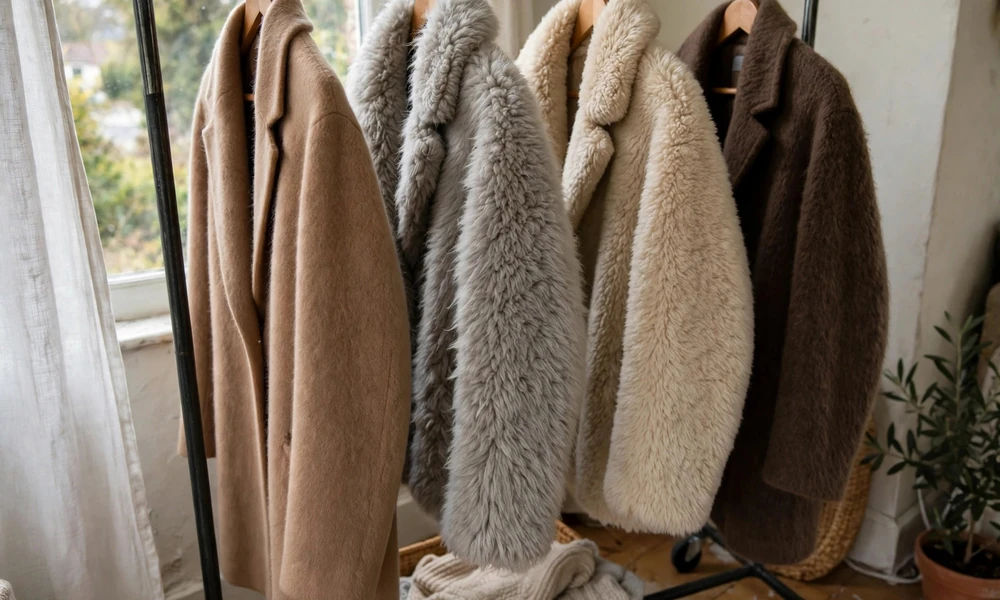
Look first at the fibre grade. Good cashmere uses long fibres, ideally 34 millimetres or more, which is what stops it pilling and shedding. Short-fibre cashmere, often found in cheaper coats, pills quickly and loses its shape. Good alpaca is graded by fineness, with baby alpaca the softest and finest, and it should feel smooth, not prickly, against your inner wrist. If the label does not name the grade, that is usually a sign to look elsewhere.
Look next at the cloth and the construction. A good coat in either fibre has a dense, even weave, a proper lining, and seams that lie flat. A thin, loosely woven cloth will not keep you warm, whatever the label says, and a badly cut coat will not drape well in any fibre. Our comparison of cashmere vs alpaca sweaters covers the same fibres at a smaller scale, and the same rules apply.
The 9 comparisons that matter in 2027
Warmth and insulation
What we like: Alpaca is the warmer fibre, and not by a small margin. Its hollow fibres trap air, which is what insulation really is, and an alpaca coat of the same weight as a cashmere one will keep you noticeably warmer on a cold day. Cashmere is warm too, especially in a dense weave, but it relies on fineness rather than structure, and it loses more heat in wind.
What to consider: Warmth depends on the cloth, not just the fibre. Best for: Alpaca for very cold weather, cashmere for cold but not bitter days. Fabric: Baby alpaca or long-fibre cashmere. Price range: £300 to £1,500. Standout feature: Alpaca’s hollow-fibre warmth.
Softness against skin
What we like: Cashmere is the softer fibre, and it is not close. Good cashmere feels smooth and almost silky against the neck and wrists, with no prickle at all, which is why it is the first choice for people with sensitive skin. Alpaca is soft too, especially baby alpaca, but it has a slightly firmer, more textured hand that some people notice at the collar.
What to consider: If you are sensitive, test the cloth against your inner wrist before buying. Best for: Cashmere for sensitive skin, alpaca for most other wearers. Fabric: Long-fibre cashmere or baby alpaca. Price range: £300 to £1,500. Standout feature: Cashmere’s unmatched softness.
Weight and drape
What we like: Cashmere is lighter and drapes more fluidly. A cashmere coat falls in clean, soft lines and feels easy to wear all day, without the heaviness that some winter coats have. Alpaca is slightly heavier, but it holds a shape well, which suits structured coats, tailored silhouettes and coats with a defined shoulder.
What to consider: The right weight depends on your climate and how long you wear a coat at a stretch. Best for: Cashmere for all-day comfort, alpaca for structured silhouettes. Fabric: Woven cashmere or woven alpaca cloth. Price range: £300 to £1,500. Standout feature: Cashmere’s light, fluid drape.
Durability and pilling
What we like: Alpaca is the stronger fibre by a clear margin. It is more resistant to pilling, holds its shape longer, and does not thin out at the elbows and cuffs as quickly as cashmere. A well-made alpaca coat can look good for many winters, while a cashmere coat needs more careful handling to last as long.
What to consider: Cashmere pills, especially under the arms and where a bag strap rubs, and it needs regular de-pilling with a comb. Best for: Alpaca for daily wear, cashmere for occasional wear. Fabric: Pure alpaca or long-fibre cashmere. Price range: £300 to £1,500. Standout feature: Alpaca’s resistance to pilling.
Care and cleaning
What we like: Alpaca is easier to live with. It needs less frequent cleaning, because the fibre resists odours and does not absorb moisture the way wool does, and it can often be aired out between wears instead of dry-cleaned. Cashmere needs gentler handling, more frequent care, and a careful hand when it is cleaned.
What to consider: Neither should be machine washed. Best for: Alpaca for low-maintenance owners, cashmere for people happy to care for it. Fabric: Alpaca or cashmere cloth. Price range: £300 to £1,500, plus cleaning. Standout feature: Alpaca’s odour resistance.
Weather resistance
What we like: Alpaca handles damp weather better. Its fibres do not absorb water readily, so an alpaca coat stays warmer in drizzle and dries faster than cashmere. Cashmere absorbs more moisture, which can leave it feeling heavy and cold in wet weather, and it takes longer to dry.
What to consider: Neither is waterproof, and a soaked coat in either fibre needs to dry slowly, away from direct heat, or it can lose its shape. Best for: Alpaca for damp climates, cashmere for dry cold. Fabric: Alpaca cloth or dense cashmere weave. Price range: £300 to £1,500. Standout feature: Alpaca’s low moisture absorption.
Colour and ageing
What we like: Alpaca comes in a remarkable range of natural colours, from white and cream through fawn, brown and black, which means undyed alpaca coats hold their colour beautifully over time. Cashmere takes dye well and gives rich, even colours, especially in dark shades, and a good cashmere coat keeps its colour for years if it is cared for.
What to consider: Alpaca holds its colour well, but a cheap dyed alpaca can fade unevenly, so natural colours are often the safer choice. Best for: Alpaca for natural colours, cashmere for rich dyed shades. Fabric: Undyed alpaca or dyed cashmere. Price range: £300 to £1,500. Standout feature: Alpaca’s natural colour range.
Price and value
What we like: Alpaca usually gives better value. A good alpaca coat often costs less than a comparable cashmere one, and because it lasts longer and needs less care, the cost per wear is lower. Cashmere commands a premium for its softness, and the best cashmere coats are among the most expensive coats you can buy.
What to consider: Very cheap versions of either fibre are a false economy. Short-fibre cashmere pills and sheds, and coarse alpaca feels prickly and looks dull. Best for: Alpaca for cost per wear, cashmere for pure softness. Fabric: Baby alpaca or long-fibre cashmere. Price range: £300 to £1,500. Standout feature: Alpaca’s lower cost per wear.
Who each one suits best
What we like: Cashmere suits people who want the softest, lightest coat and are willing to care for it, and it works beautifully for city wear, evening occasions and anyone with sensitive skin. Alpaca suits people who want maximum warmth, durability and value, and it is the better choice for cold climates, daily wear and anyone who wants a coat that lasts.
What to consider: If you want the softest coat you own and accept the upkeep, buy cashmere. If you want the best of both, look for a blend, but check the percentages, because a coat that is mostly wool with a little cashmere is not a cashmere coat. Best for: Cashmere for softness-first wearers, alpaca for warmth-first wearers. Fabric: Long-fibre cashmere or baby alpaca. Price range: £300 to £1,500. Standout feature: Each fibre’s distinct character.
Which coat is right for you
Start with your climate. If you live somewhere cold and damp, alpaca is the honest answer. It is warmer, it handles moisture better, and it will last longer in daily wear. If you live somewhere cold and dry, and you care most about how a coat feels, cashmere is the better choice, because its softness and lightness are unmatched in dry cold.
Think about how you wear a coat too. A daily coat that goes on a train, into an office and out again needs durability, which points to alpaca. A coat for evenings, occasions and city days, where softness matters more than toughness, points to cashmere. If you already own a good wool coat, either fibre adds a useful step up in warmth and luxury, but if this is your only winter coat, the fibre that matches your weather matters more than the one that feels best in the shop. Our roundup of the best wool coats for women is a useful benchmark before spending.
Finally, be honest about care. Cashmere needs regular de-pilling, careful cleaning and proper storage. Alpaca needs less, but it still needs a good brush, a proper hanger and protection from moths. If you know you will not do the cashmere routine, buy alpaca, and you will wear it far more often.
The caveats that matter
Both fibres have limits that are easy to overlook in a shop. Neither is waterproof, neither should be machine washed, and neither holds up well to constant friction from a bag strap. Buy from a seller who names the fibre grade and the blend, and be wary of very cheap versions, which are often mostly wool with a little cashmere or alpaca added for the label.
| Detail | What is known |
|---|---|
| Warmest | Alpaca, because its hollow fibres trap more air |
| Softest | Cashmere, with a smooth, silky hand and no prickle |
| Lightest | Cashmere, which drapes fluidly and feels easy all day |
| Most durable | Alpaca, which pills less and holds its shape longer |
| Best in damp weather | Alpaca, which absorbs less water and dries faster |
| Easiest to care for | Alpaca, which needs less frequent cleaning |
| Best value over time | Alpaca, because it costs less and lasts longer |
| What neither does | Neither is waterproof, and neither is a financial investment |
If you are allergic to animal fibres, neither is suitable, and a plant-based or synthetic alternative is the safer choice. If you are buying a gift, alpaca is the safer bet, because it is easier to care for and harder to damage by accident. And if you are still weighing whether a luxury coat is worth it at all, our explainer on why wool coats are worth it makes the same honest case for a more affordable fibre first.
Checklist: choosing a cashmere or alpaca coat honestly
Use these checks before you buy, and again after a month of wear.
- Check the grade: long-fibre cashmere, ideally 34 millimetres or more, or baby alpaca for the softest feel.
- Check the blend: the label should state the percentages, and a coat that is mostly wool is not a cashmere or alpaca coat.
- Check the cloth: it should be dense and even, with no thin patches or loose weave.
- Check the lining: a proper lining adds warmth and stops the cloth wearing against your clothes.
- Check the care routine: cashmere needs regular de-pilling, alpaca needs less, but both need dry cleaning and proper storage.
- Check the price honestly: under £300 usually means short fibres, a heavy blend, or a thin cloth that will not last.
Frequently asked questions
Is alpaca warmer than cashmere?
Yes, for the same weight. Alpaca fibres are hollow, which traps more air, and an alpaca coat of the same weight as a cashmere one will keep you noticeably warmer. A thick cashmere coat can still beat a thin alpaca one, so cloth weight matters too.
Is alpaca softer than cashmere?
No. Cashmere is softer, with a smooth, silky hand and no prickle. Baby alpaca is the softest alpaca grade and comes close, but cashmere is still the softer fibre, especially for sensitive skin.
Does alpaca pill less than cashmere?
Yes, usually by a clear margin. Alpaca is stronger and holds its shape better, so it pills less, especially under the arms and where a bag strap rubs. Cashmere pills more, and needs regular de-pilling with a comb.
Can I wear a cashmere or alpaca coat in the rain?
Light drizzle is fine for alpaca, which absorbs less water, but neither is waterproof. A soaked coat in either fibre needs to dry slowly, away from direct heat, or it can lose its shape. A water-resistant outer layer matters more than the fibre in heavy rain.
How do I care for a cashmere or alpaca coat?
Air it out between wears, brush it down, and dry-clean it when it needs it. De-pill cashmere regularly with a comb. Store it folded with cedar, not hung on a thin hanger, to keep moths away and hold its shape. Never machine wash either fibre.
Are cashmere and alpaca coats worth the money?
As warmth and comfort, yes, if you buy a good grade and care for it. Alpaca usually gives better value, because it costs less and lasts longer. Neither is a financial investment, so buy for how it feels and how long it will last, not for resale value.
The bottom line
Cashmere and alpaca coats are a choice between softness and strength. Cashmere is softer, lighter and more fluid, and it is the best choice for sensitive skin and dry cold. Alpaca is warmer, stronger and easier to care for, and it gives better value over time, especially in a cold, damp climate.
Choose cashmere if you want the softest coat you own and are happy to look after it, and choose alpaca if you want maximum warmth and durability for your money. Either way, check the fibre grade, check the blend, and be honest about the weather you will wear it in, because that is what decides which coat you will actually reach for.