


What makes one person look effortlessly put together in October while another shivers in a thin jacket that seemed like a good idea in August? The answer rarely involves a bigger budget or a secret stylist. It comes down to understanding how fall fashion actually functions: layering, fabric weight, color, and a handful of decisions made before the season starts. This guide walks through each of those pieces with practical detail, common mistakes to avoid, and what genuinely works when the temperature drops.
Why Fall Fashion Has Its Own Rules
Autumn is the only season that asks you to dress for two or three different climates in a single day. A morning that starts at 45 degrees Fahrenheit can end at 70 by mid-afternoon, then fall back again after sunset. That swing is the defining challenge of the season, and it explains why fall wardrobes reward planning more than summer ones do.
The fashion industry treats autumn/winter as its most important season. Collections are traditionally shown in February and March and reach stores from roughly August to September, a “see now, buy later” cycle that is a merchandising convention rather than a natural law. The September issue of a major fashion magazine has historically been the year’s largest by page count, a pattern documented in the 2009 film The September Issue. In other words, the industry itself treats fall as the main event, and that attention shows up in the depth of what’s available in stores.
For anyone planning a wardrobe, the practical takeaway is simple: fall is when the best-made, most versatile pieces appear. It is also when impulse buying is most tempting, because the marketing volume is at its peak.
The Layering System That Solves the Temperature Problem
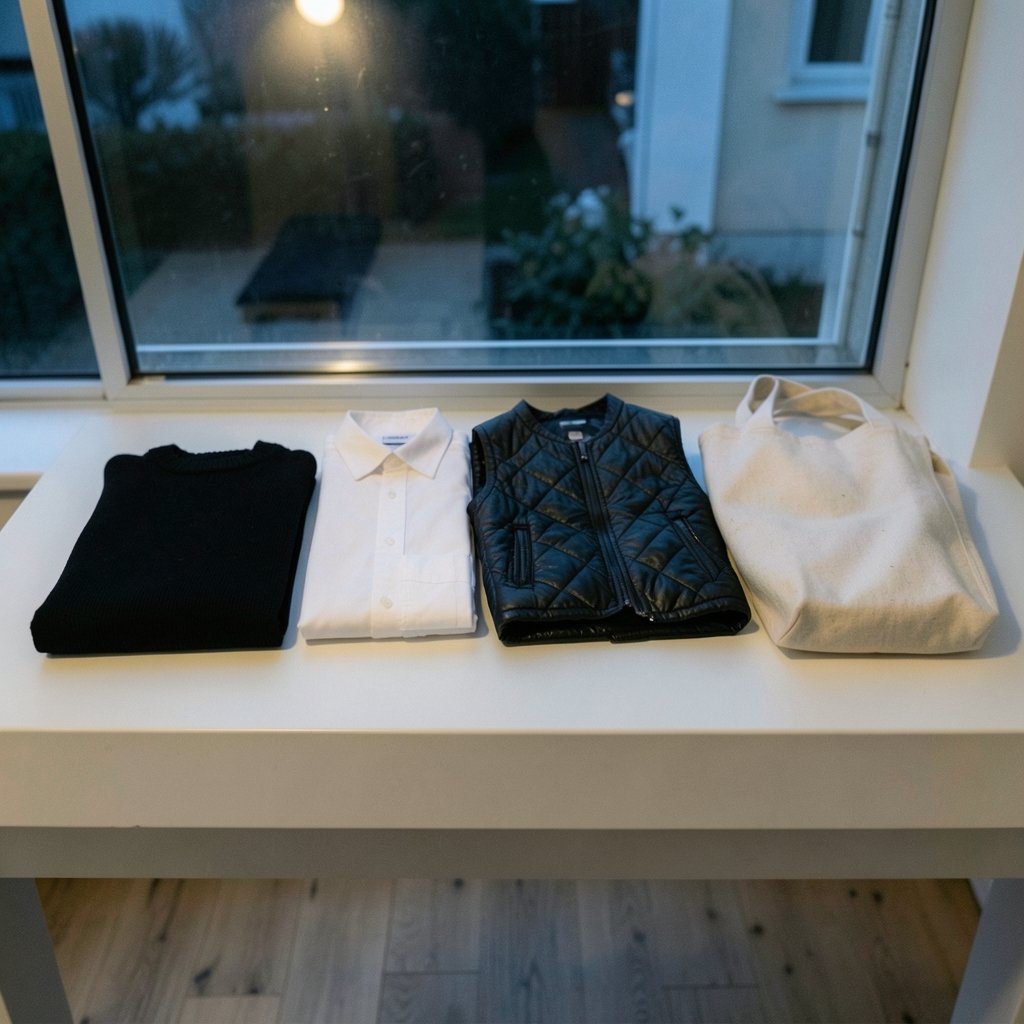
Most people layer by adding a bigger coat. That works in January. In October, it usually fails, because you end up either sweating indoors or freezing outside. What actually works is a three-tier system built around thin, removable layers.
The base layer
Choose something fitted and breathable: a fine-gauge knit, a long-sleeve cotton tee, or a lightweight merino top. Merino is worth the extra cost because it regulates temperature and resists odor, which means you can wear it more than once between washes. Avoid heavy base layers in early fall; they trap heat you cannot remove later.
The middle layer
This is the piece that does the real work: a button-down shirt, a cardigan, a lightweight sweater, or a quilted vest. The middle layer should be easy to take off and carry. A structured shirt in a mid-weight fabric is the most versatile choice because it looks intentional on its own if the day warms up.
The outer layer
The outer layer should block wind and handle light rain. A trench coat, a wool-blend overcoat, or a field jacket covers most of the season. The mistake here is buying the heaviest coat available in September. A mid-weight coat worn over a good middle layer will take you from early October to late November; a parka will leave you overheated for six weeks.
| Layer | Job | Best fabrics | Common mistake |
|---|---|---|---|
| Base | Temperature regulation | Merino, fine cotton, silk blends | Too heavy for early fall |
| Middle | Warmth and versatility | Wool blends, cashmere, flannel, quilted nylon | Hard to remove or carry |
| Outer | Wind and rain protection | Wool blends, waxed cotton, technical shells | Buying for January in September |
Fabric Weights and Why They Matter More Than Brand
A common mistake is shopping by label rather than by hand. Two sweaters at similar prices can behave completely differently depending on fiber and knit density. A loosely knit acrylic sweater pills within weeks and offers little warmth. A tightly knit wool or wool-blend sweater holds its shape for years.
Corduroy is the season’s most reliable workhorse fabric, and it has a long history in autumn dressing. Its texture adds visual interest without pattern, it wears well, and it comes in a wide range of weights. Those interested in where the fabric’s seasonal reputation comes from can trace it through the 1970s fall fashion decade that dressed autumn corduroy, which explains how the material became a fall staple in the first place.
In practice, a few fabric rules save money over time:
- Check the label before the price tag. Wool, cotton, linen, and silk blends generally outperform high-acrylic and high-polyester knits for warmth and longevity.
- Squeeze the fabric. If it springs back quickly, the knit is dense enough to hold shape.
- Look at the seams and the ribbing at cuffs and hem. Loose, thin ribbing is the first thing to stretch out.
- Hold it up to the light. If you can see through a sweater meant for cold weather, it will not keep you warm.
Color and the Seasonal Palette
Each season, color forecasting bodies release a palette that shapes what appears in stores. These forecasts are commercial tools, not rules, and they are best treated as a starting point rather than a mandate. The useful approach is to build around a small core of neutrals you already own, then add one or two seasonal colors.
For most people, a workable autumn core looks like this: camel or tan, charcoal, navy, cream, and one deep accent such as burgundy, forest green, or rust. Those five neutrals mix with almost anything, which means fewer purchases and more outfits. If a seasonal color appeals, buy it in a small dose first, like a scarf or a knit top, rather than a coat.
This is also where the broader direction of the season matters. If you want a sense of where the overall mood is heading, the fall fashion 2026 coverage is a useful reference point, and it helps to compare it against the wider fall winter 2026 fashion picture before committing to a major purchase.
Building a Fall Wardrobe Without Overspending
The fastest way to waste money on fall fashion is to buy a full new wardrobe in one weekend. The second fastest is to buy nothing and then panic in November. A middle path works better.
Start with an inventory
Pull out last year’s cold-weather clothes and sort them into three piles: keep, repair, and replace. Repairs are cheaper than most people expect. Replacing buttons, fixing a hem, or re-soleing boots often costs a fraction of buying new.
Identify the gaps, not the wants
Write down what is genuinely missing. Most people discover they own plenty of tops and almost no proper middle layers, or several coats and no decent base layers. Fixing a gap usually costs less than adding another version of something you already own.
Buy the boring pieces first
The pieces you wear most are rarely the most interesting ones. A well-fitting pair of dark trousers, a good knit, and a coat that actually fits will do more for a wardrobe than any statement piece. Statement items are the last 10 percent, not the foundation.
Consider resale
Secondhand and resale platforms have become a standard part of seasonal shopping, and autumn is a good time to use them because so much cold-weather stock circulates. Resale market-size figures come from commercial research firms and vary widely by source and year, so treat any specific number with caution. The practical benefit is straightforward: you can often find higher-quality wool and outerwear at mid-market prices.
Fit, Tailoring, and the Details People Notice
Fit is the single biggest difference between looking sharp and looking sloppy, and it costs less to fix than most people assume.
- Shoulders first. On any coat or blazer, the shoulder seam should sit at the edge of your shoulder. This is the one alteration that is expensive to change, so get it right in the fitting room.
- Sleeve length. A coat sleeve should end at the wrist bone so a cuff shows underneath. A sweater sleeve should stop at the base of the thumb.
- Hem length. Trousers that break heavily over shoes look dated and drag in wet weather. A slight break or a clean straight fall reads sharper.
- Trouser and knit alterations. Taking in a waist or shortening a hem is inexpensive and transforms how a garment hangs.
A practical tip that saves time: try coats on over the thickest sweater you plan to wear with them. Many people buy a coat that fits perfectly over a t-shirt and then discover it will not close over a knit in December.
Footwear and Weather Reality
Fall weather is unpredictable, and footwear is where unprepared wardrobes fail first. Wet leaves, early frost, and sudden rain are all normal. Leather boots with a rubber sole and a water-repellent finish handle most conditions. Suede looks good but needs protection spray and should not be a primary pair in a rainy climate.
The most common mistake is buying boots too tight, expecting leather to stretch. It stretches a little, not a full size. Try boots on late in the day when feet are at their largest, and wear the socks you actually plan to use.
What Actually Works in Practice
After the marketing noise fades, the people who dress well in autumn tend to do the same few things:
- They own fewer, better pieces and rotate them hard.
- They layer in thin tiers rather than relying on one heavy garment.
- They keep a small neutral palette so everything mixes.
- They fix fit before buying more.
- They check the weather forecast and dress for the afternoon, not the morning.
That last point matters more than it used to. Trade press has reported that unusually warm autumns in many markets delay cold-weather purchases, which means shoppers who wait for a cold snap often find picked-over stock. Buying core pieces early, while selection is good, is usually the smarter move.
Conclusion
Fall fashion rewards planning over panic. The formula is not complicated: thin layers you can remove, fabrics that hold up, a small neutral palette, and fit that has been adjusted rather than ignored. The season’s marketing machine will always push more than anyone needs, and the most stylish response is a short list of pieces that genuinely work together. Start with what you own, fix what is broken, fill the real gaps, and buy the boring foundation before the statement piece. Do that, and the temperature swings stop being a problem and start being an opportunity.
Frequently Asked Questions
When should you start shopping for fall clothes?
Start in late August or early September, when stores have full selection and sizes are still available. Waiting for the first cold snap usually means picking through depleted stock, especially in coats and boots.
How many layers do you actually need in fall?
Three is the practical number: a thin base layer, a removable middle layer, and a wind-resistant outer layer. That combination handles a wide temperature range because you can adjust throughout the day.
What is the most versatile fall fabric?
Mid-weight wool and wool blends are the most versatile, because they regulate temperature, resist wrinkles, and work across both knitwear and outerwear. Corduroy and flannel are strong second choices for texture and warmth.
Is it worth spending more on a fall coat?
Yes, generally. A coat is worn daily for months, and the difference in construction, lining, and fabric quality between budget and mid-range options shows up quickly. Fit matters more than brand, so budget for alterations if needed.
How do you dress for fall when days are warm but mornings are cold?
Dress for the afternoon and carry the morning layer. A thin base layer plus a middle layer you can remove works better than a heavy coat you are stuck with once the sun comes out.
Does resale actually save money on fall fashion?
Often, yes, particularly for wool coats, knitwear, and boots, where quality matters and resale prices are well below new. Check condition carefully, confirm measurements rather than relying on labeled sizes, and factor in any cleaning or repair costs.














