
Gold vs Silver Nose Bars 2027: 9 Comparisons That Matter
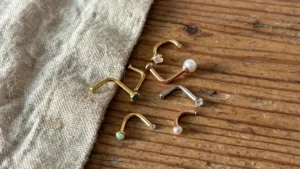
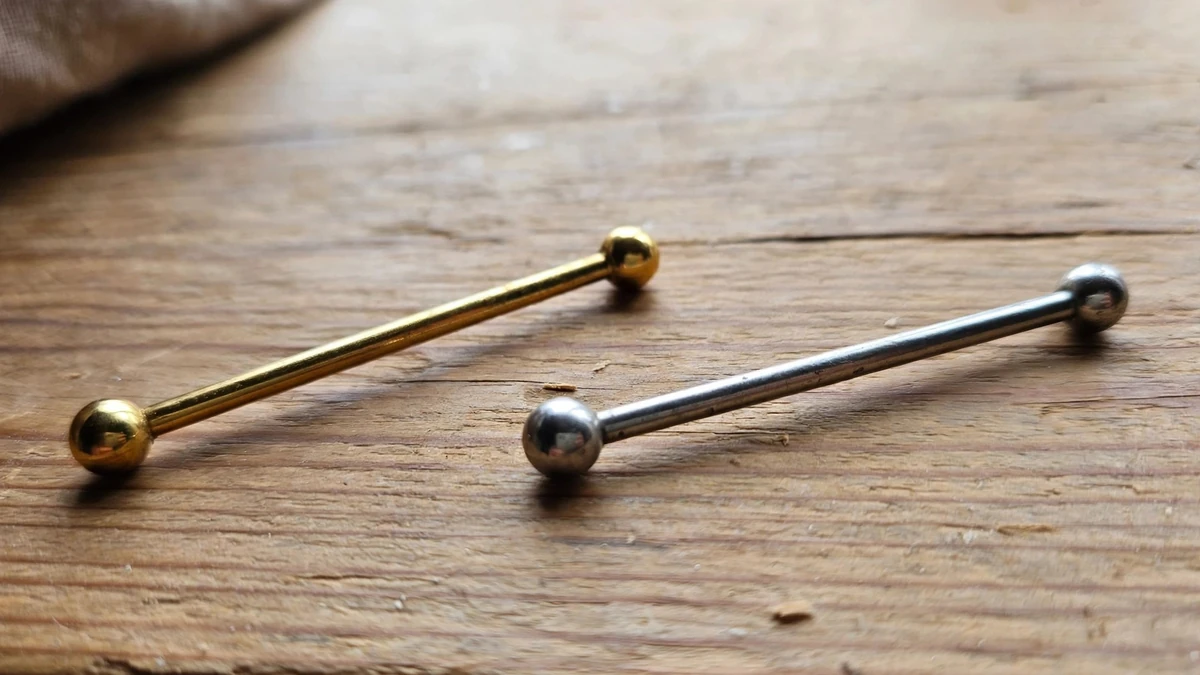
A nose bar is one of the simplest pieces of nose jewellery you can wear: a straight or gently curved bar with a small ball or gem at each end, sitting across a nostril or septum piercing. The metal you choose changes almost everything about how it looks, how it feels, and how much care it needs. Gold and silver are the two metals most people compare first, and the choice is rarely just about price.
Gold brings warmth. It flatters warm and olive skin, catches the light in a soft way, and suits both everyday wear and formal occasions. Silver brings cool clarity. It looks crisp against fair and cool skin and pairs easily with other silver jewellery.
Below are nine comparisons that matter in 2027, from how each metal looks on the face to how it wears, how it is cared for, and what it is worth afterwards. Each comparison ends with what we like, what to consider, and who each metal suits best, so you can choose with your face and your routine in mind.
Key takeaways
- Gold nose bars suit warm and olive skin tones and bring a soft, warm glow that flatters the face in daylight and evening light.
- Silver nose bars suit fair and cool skin tones and give a crisp, modern finish that pairs easily with other silver jewellery.
- Gold resists tarnish better and needs less cleaning, while silver needs regular polishing to stay bright.
- Comfort depends more on gauge, length and finish than on the metal itself, so fit matters as much as the choice of metal.
- Neither metal suits everyone: a fresh piercing, a metal sensitivity or a tight budget can rule one out, so check healing and sensitivity before buying.
What gold and silver nose bars actually are
A gold nose bar is usually made from 14-carat or 18-carat gold, or from gold-filled metal, which has a thick layer of gold bonded to a base core. Solid gold is the most durable and the least reactive of the gold options, and it keeps its colour for years. Gold-plated bars are cheaper, but the thin coating wears away with time, especially on a piece that is handled and cleaned often.
A silver nose bar is usually made from sterling silver, which is 92.5 percent silver mixed with a small amount of other metals, most often copper, for strength. Sterling silver is bright, affordable and widely available in straight and curved bars. It can tarnish when it meets air and moisture, and a small number of people react to the copper in the alloy rather than to the silver itself.
Both metals come in the same shapes: straight bars and gently curved bars, usually in 18 or 16 gauge, in lengths from about 6 to 10 millimetres, with ball ends, flat ends or small gem ends.
How we chose these comparisons and what to look for
We judged gold and silver nose bars on the things that actually change how they look and feel on the face: appearance, warmth against skin tone, everyday durability, care, comfort, cost, versatility, occasion, and what the piece is worth afterwards.

Look first at the metal itself. Check whether a gold bar is solid, gold-filled or gold-plated, and whether a silver bar is stamped 925 for sterling silver. Look next at the finish: polished metal catches the light, brushed metal is quieter, and a matte finish shows marks less. Our guide to the best gold jewellery for everyday wear explains how to tell solid gold from plated gold, which matters here more than anywhere, because a nose bar is worn close to the skin every day.
Finally, check the fit. The gauge should match your piercing, the length should leave a little room without sticking out, and the ends should screw or press on securely.
The 9 comparisons that matter in 2027
First impressions and how they look on the face
What we like: Gold looks warm and soft, and it draws the eye gently without shouting. Silver looks bright and crisp, and it gives a clean line that suits a minimal look. What to consider: Gold can look too yellow on very fair skin, and silver can look cold and flat in dim light.
Best for: Gold suits warm and olive skin; silver suits fair and cool skin. Material: 14-carat or 18-carat gold, or sterling silver. Price range: Silver bars from about £10 to £40; gold bars from about £40 to £250. Standout feature: Gold glows; silver shines.
Warmth against skin tone
What we like: Gold flatters warm, olive and deep skin tones, and it blends with the natural warmth of the skin. Silver flatters fair and cool skin, and it makes the eyes look brighter. What to consider: The wrong metal can wash the face out, so try both against your skin in daylight before deciding.
Best for: Gold for warm undertones; silver for cool undertones. Material: Yellow gold, rose gold, or sterling silver. Price range: Rose gold sits between yellow gold and silver in most shops. Standout feature: Rose gold suits almost every skin tone.
Skin tone is the simplest test of all. Hold each metal against your cheek in daylight and the right one will look like it belongs there.
Everyday wear and durability
What we like: Solid gold is hard-wearing and keeps its colour for years, even with daily wear. Sterling silver is strong enough for everyday use and easy to replace if it is lost. What to consider: Gold-plated bars wear through, and thin silver bars can bend if they catch on something.
Best for: Gold for a bar you plan to keep for years; silver for a bar you change often. Material: Solid 14-carat gold, or sterling silver. Price range: Solid gold costs more but lasts longer; silver is the cheaper everyday choice. Standout feature: Gold needs almost no upkeep to keep its colour.
Tarnish, care and upkeep
What we like: Gold barely tarnishes, and a quick wipe with a soft cloth is usually enough. Silver can be brought back to a bright shine with a silver cloth in a minute. What to consider: Silver tarnishes faster in humidity and near perfume, and gold still needs cleaning to remove skin oils and makeup.
Best for: Gold for low-maintenance wear; silver for people happy to polish now and then. Material: 18-carat gold tarnishes least; sterling silver tarnishes most. Price range: Cleaning costs are small for both, a cloth and mild soap. Standout feature: Gold stays bright with almost no effort.
Care is the hidden cost of silver. If you will not polish a bar, choose gold, because a tarnished bar looks tired no matter how good the design is.
Comfort and weight on the face
What we like: Both metals are light in the small sizes used for nose bars, and a well-fitted bar is easy to forget you are wearing. What to consider: Gold is denser than silver, so a thick gold bar can feel heavier, and a rough finish on either metal can irritate the piercing.
Best for: Silver for a feather-light feel; gold for a solid, reassuring weight. Material: Lightweight 18-gauge bars in either metal. Price range: Slim bars cost less in both metals. Standout feature: A polished finish feels smoother than a brushed one.
Comfort comes from fit and finish first. The right gauge and length matter more than the metal, so get the size right before worrying about gold or silver.
Cost for one bar and for a collection
What we like: Silver is affordable enough to build a small collection in different finishes, while one good gold bar can be the piece you wear every day. What to consider: Gold prices move with the gold market, and a cheap gold bar is often plated, not solid.
Best for: Silver for variety on a budget; gold for one lasting piece. Material: Sterling silver, or solid 14-carat gold. Price range: Silver £10 to £40; gold £40 to £250 and more. Standout feature: Silver lets you try more styles for the same money.
Matching outfits and other jewellery
What we like: Gold pairs with warm colours, earth tones and other gold jewellery. Silver pairs with cool colours, black and white, and other silver pieces. What to consider: Mixing metals is fine, but a gold bar with an all-silver outfit can look accidental rather than deliberate.
Best for: Gold for warm wardrobes; silver for cool, minimal wardrobes. Material: Yellow gold, rose gold, or sterling silver. Price range: No price difference for matching; the metal you already wear decides it. Standout feature: Rose gold bridges gold and silver wardrobes.
Look at the jewellery you already wear most. Matching your nose bar to your everyday rings, earrings and watch makes the whole look feel considered.
Occasion and dress code
What we like: Gold suits weddings, formal dinners and evening occasions, where its warmth reads as luxury. Silver suits work, daytime events and minimal styling, where its clean look reads as polished. What to consider: A large or gem-set bar can be too much for a strict workplace, whatever the metal.
Best for: Gold for formal and evening; silver for work and daytime. Material: Small polished bars in either metal for strict dress codes. Price range: Small plain bars are the cheapest in both metals. Standout feature: A small gold bar works almost everywhere.
Occasion is about size as much as metal. A small, plain bar in either metal passes where a large gem-set one would not.
Keeping it afterwards: resale and keepsake value
What we like: Solid gold holds its value because the metal itself is worth something, and a good gold bar can be kept for years or passed on. Silver holds little resale value, but it is cheap enough that this rarely matters. What to consider: Gold-plated and gold-filled bars have almost no resale value, so buy them to wear, not to keep as an investment.
Best for: Gold for a keepsake; silver for a piece you enjoy and replace. Material: Solid 14-carat or 18-carat gold. Price range: Solid gold from about £80; silver rarely resells above its purchase price. Standout feature: Gold is the only nose bar metal that holds real value.
Which nose bar is right for you
Start with your skin tone. Warm and olive skin usually looks best in gold, fair and cool skin usually looks best in silver, and rose gold suits almost everyone. Hold each metal against your cheek in daylight and trust what you see, because the metal that blends with your skin will look right every day.
Next, think about your routine. If you want a bar you can put in and forget, solid gold needs the least care. If you enjoy changing your jewellery and do not mind a quick polish now and then, silver gives you far more choice for the same money. Our guide to the best nose rings for women covers the same metal question for rings, and the answer is the same: the metal you will actually wear and care for is the right one.
Finally, check your piercing. A fresh piercing needs a simple, well-fitted bar in a metal your piercer recommends, and a healed piercing gives you the freedom to choose on looks alone. If you have sensitive skin, solid gold or implant-grade titanium are the safest choices, and silver is worth testing on a small area first.
The caveats that matter
Gold and silver are both well-established jewellery metals, but neither is right for every piercing or every person. A fresh piercing is more sensitive than a healed one, and a bar that is too tight, too long or too rough can slow healing whatever the metal. Metal sensitivity is real too: some people react to the copper in sterling silver or to the alloys in low-carat gold, so a patch test or a piercer’s advice is worth having before you spend on a gold bar.
| Detail | What is known |
|---|---|
| Best for warm skin | Gold, especially yellow and rose gold |
| Best for cool skin | Silver, especially polished sterling silver |
| Tarnish | Gold barely tarnishes; silver tarnishes and needs polishing |
| Everyday durability | Solid gold lasts longest; silver is strong but softer |
| Typical price | Silver about £10 to £40; gold about £40 to £250 |
| Resale value | Solid gold holds value; silver and plated gold hold little |
| Who should be careful | People with metal sensitivity, and anyone with a fresh piercing |
| What neither metal does | Neither metal heals a piercing or suits every skin tone |
If you are pregnant, breastfeeding, or using prescription skincare, check with your clinician before changing a piercing or adding new jewellery near the face. That is not a formality. Skin is more reactive at some times than others, and a simple check avoids weeks of irritation.
Checklist: choosing between gold and silver
Use these checks before you buy, and again when the bar arrives.
- Check the metal: solid or gold-filled for gold, stamped 925 for sterling silver, and avoid thin plating for everyday wear.
- Check your skin tone in daylight: gold for warm undertones, silver for cool undertones, rose gold if you are unsure.
- Check the fit: the gauge should match your piercing, and the length should leave a little room without sticking out.
- Check the ends: smooth ball or gem ends that screw or press on securely and do not catch on clothing.
- Check the finish: polished for shine, brushed or matte for a quieter look that shows fewer marks.
- Check the return policy before you pay, so you can send it back if the colour or fit is wrong.
Frequently asked questions
Is gold or silver better for a nose bar?
Neither is better in general. Gold suits warm skin, resists tarnish and holds value, while silver suits cool skin, costs less and gives a crisp modern look. Choose by skin tone, budget and how much care you are willing to give.
Does silver tarnish on a nose bar?
Yes, sterling silver tarnishes when it meets air, moisture and perfume. A silver polishing cloth brings it back to bright in a minute, and storing the bar in a dry pouch slows tarnishing between wears.
Is gold-plated jewellery worth it for a nose bar?
For occasional wear, yes. For everyday wear, usually not, because the thin gold layer wears away on a piece that is handled and cleaned often. Gold-filled or solid gold last far longer for daily wear.
Can I wear a gold nose bar with silver jewellery?
Yes. Mixing metals is common now, and a small gold bar with silver earrings can look deliberate if the rest of the outfit is simple. A pearl necklace, such as our guide to the best pearl necklaces for women, pairs with either metal, because pearls sit outside the gold and silver question entirely.
Which metal is safest for sensitive skin?
Solid 14-carat or 18-carat gold is usually the safest choice, because it is the least reactive. Sterling silver suits most people, but the copper in the alloy can irritate a small number of wearers, so test it first if your skin is reactive.
Does a gold nose bar hold its value?
Solid gold holds value because the metal itself is worth something, and the value moves with the gold price. Gold-plated, gold-filled and silver bars hold little resale value, so buy them to wear and enjoy rather than as an investment.
The bottom line
Gold and silver nose bars do the same job in very different ways. Gold is warm, low-maintenance and lasting, and it suits warm skin and formal occasions. Silver is bright, affordable and modern, and it suits cool skin and everyday wear. The right choice is the one that flatters your skin, fits your piercing, and matches the jewellery you already wear.
Choose the metal first, then the fit, then the finish. Buy solid gold if you want one lasting piece, or silver if you want variety for less money, and check the gauge and length before you pay. That is the honest way to buy a nose bar you will still be glad to wear next year.