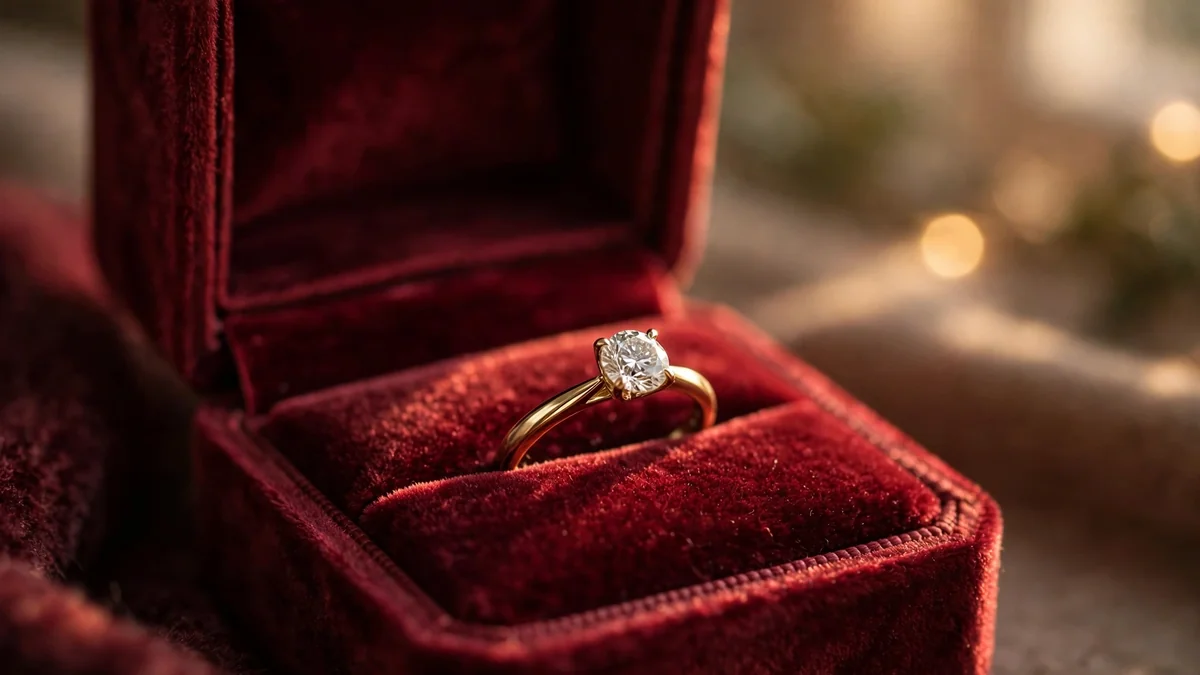

Choosing an engagement ring is one of the few purchases that is equal parts jewellery, emotion and money, and that is exactly why it feels so daunting. You are choosing something your partner will wear every day, for decades, that also carries the weight of a proposal, a promise and a real budget. No wonder so many people freeze at the jeweller’s counter, overwhelmed by carat weights, cut grades, settings and metals they have never had to think about before.
The good news is that choosing well does not require becoming a gemmologist. It requires knowing which decisions actually change how a ring looks and lasts, and which ones are mostly marketing. The smartest buyers spend deliberately, on the things that matter, and save where nobody can tell the difference.
This guide walks through the nine decisions that matter, in the order you should make them: the stone, the cut, the setting, the metal, the size, the budget, the certification, the timing and the proposal itself. Each one comes with what works well and what to watch out for, so you can walk into a jeweller’s with confidence instead of confusion — and walk out with a ring that feels right in every way.
Key takeaways
- Cut matters more than carat: a well-cut stone looks bigger, brighter and more alive than a larger stone with a poor cut.
- Set the budget first, then let it guide every other choice — a clear limit makes the decisions easier, not harder.
- Always ask for independent certification from a recognised laboratory before you pay, and check the certificate matches the stone.
- Choose a setting and metal that suit your partner’s daily life, not just the display case — comfort and durability matter every day.
- No ring is perfect, and no guide can replace seeing stones in person: use this as a starting point, then try rings on before deciding.
What choosing an engagement ring actually covers
Choosing an engagement ring covers four things at once: the stone, the design, the money and the moment. The stone is the centre of the ring, and the part that drives most of the price. The design — the setting and the metal — decides how the stone is held, how the ring looks on the hand and how well it survives daily wear. The money is the budget you set before you fall in love with anything, and the moment is the proposal itself, which shapes how much time you have and how much secrecy you need.
It also covers size, which is more important than most buyers expect. A ring that is half a size too big will spin on the finger; one that is half a size too small will pinch and may not go on at all. Most jewellers resize for free or for a small fee, so size is fixable — but getting it close on the first try makes the proposal itself far smoother. Borrowing a ring they already wear, or asking a close friend for help, are reliable ways to estimate size without spoiling the surprise.
Finally, choosing a ring covers timing. A custom design can take four to eight weeks, and popular styles can sell out around holidays. If you are planning a proposal for a specific date, work backwards from it and leave a buffer of at least two weeks. Rushing is how buyers pay more for a ring they like less. A calm timeline costs nothing.
How to choose an engagement ring: what to look for

The nine decisions below are the ones that genuinely change the result. Work through them in order, and the ring will almost choose itself by the end. Each area includes what works well and what to watch out for, so you can weigh the trade-offs honestly rather than discovering them after you have paid.
1. The stone
What we like: A diamond remains the classic choice for a reason — it is the hardest natural gemstone, it suits every metal and setting, and it holds its symbolism beautifully over decades. Lab-grown diamonds offer the same look for noticeably less money, which lets you buy a larger or better-cut stone within the same budget. Sapphires, emeralds and morganite are lovely alternatives for a partner who prefers colour or a less traditional look.
What to consider: Softer stones such as emerald and opal scratch and chip more easily with daily wear, so they need a protective setting and more care. If you are buying a diamond, our diamond buying guide for 2027 explains the 4Cs in plain language before you spend anything.
2. The cut
What we like: Cut is the single biggest influence on how a diamond looks. A well-cut round brilliant sparkles from across the room, while an excellent cut in an oval or cushion shape can make the stone look larger than its carat weight suggests. Prioritising cut over carat is the smartest money move in ring buying: you get more visible beauty per pound spent.
What to consider: Cut grades only apply in the standard way to round diamonds, so fancy shapes need a careful eye rather than a grade on paper. Look at the stone in normal light, not just under a jeweller’s spotlight, and compare two stones side by side at the same carat weight.
3. The setting
What we like: A solitaire setting puts the centre stone front and centre and suits almost every style, from classic to modern. A halo setting surrounds the centre stone with smaller diamonds and makes it look larger, while a pavé band adds sparkle along the metal itself. A bezel setting wraps the stone in metal, which protects it beautifully for active hands. If you want inspiration, our round-up of the best engagement rings for 2027 shows how each setting looks in practice.
What to consider: High settings with tall prongs catch on clothing and are easier to knock, so they suit a careful wearer more than someone who works with their hands. Pavé stones can loosen over time and need periodic checking.
4. The metal
What we like: Platinum is the most durable choice and holds its colour forever, while white gold offers a similar look for less money. Yellow gold is warm, timeless and flattering on many skin tones, and rose gold has a soft, romantic tone that has stayed popular for years. Two-tone rings combine metals for a distinctive look that pairs easily with other jewellery.
What to consider: White gold needs re-plating every year or two to keep its bright finish, which is an ongoing cost. Yellow gold in 18k is softer than 14k and scratches more easily. Ask how the metal will age, not just how it looks today, and check it sits well with your partner’s other jewellery.
5. The size
What we like: Getting the size right before the proposal makes the moment itself effortless — the ring slides on, fits snugly and stays put. Most jewellers will size a ring for free when you buy from them, and a good estimate is usually within a quarter of a size of perfect.
What to consider: Fingers change size through the day and with temperature, so a ring that fits in a warm shop may feel tight in cold weather. Eternity bands and rings with stones all the way around cannot be resized easily, so be extra careful with those. If in doubt, size slightly larger: it is easier to size a ring down than up.
6. The budget
What we like: A clear budget is liberating, not limiting. It narrows thousands of options to a manageable few and stops the creep that happens when every upgrade feels small on its own. The old “three months’ salary” rule is marketing, not a requirement — the right budget is one you can afford comfortably without debt or regret.
What to consider: Remember to budget for more than the ring itself: resizing, insurance, a wedding band later and the proposal itself all cost money. Lab-grown diamonds, a slightly lower colour or clarity grade, or a smaller centre stone with a halo setting can all stretch a budget without anyone noticing.
7. Certification
What we like: An independent certificate from a recognised laboratory — GIA and IGI are the most widely trusted — tells you exactly what you are buying: the carat, colour, clarity, cut and any treatments. It protects you if you ever need to insure, resell or verify the stone, and it keeps the seller honest about what they are selling.
What to consider: A certificate from the seller’s own in-house laboratory is not the same as an independent one, and grading can vary between laboratories. Check that the certificate number matches the number laser-inscribed on the stone’s girdle, and read the certificate yourself rather than taking a summary on trust.
8. Timing
What we like: Buying with time on your side lets you compare jewellers, wait for the right stone and have a ring custom-made without rushing. Off-peak months often bring better availability and calmer service, and ordering early means you can handle resizing and engraving before the proposal date instead of after it.
What to consider: Custom designs typically take four to eight weeks, and popular ready-made styles can sell out before holidays. If your proposal date is fixed, order at least six weeks ahead and confirm the delivery date in writing before you pay a deposit.
9. The proposal
What we like: The proposal is the moment the ring becomes a story, so plan it around your partner rather than around a trend. Some people love a public gesture; many prefer something private and personal. A ring box that fits in a pocket, a plan for where the ring will be kept safe beforehand, and a quiet moment afterwards to admire the ring together are small details that make a big difference.
What to consider: Keep the ring insured from the day you buy it, and know where it is at all times before the proposal — a lost ring is a surprisingly common story. If you are travelling for the proposal, carry the ring in hand luggage, never in a checked bag.
Background: how engagement ring shopping has changed
Engagement ring shopping has changed more in the last few years than in the previous fifty. Lab-grown diamonds have moved from a niche option to a mainstream one, giving buyers a larger stone for the same money with an identical appearance. Online jewellers now let you design a ring from your sofa and see it rendered in three dimensions before it is made, while high-street jewellers have responded with better service and more transparent pricing. The result is more choice and more information than any generation of buyers has had before.
Styles have shifted too. The classic solitaire is still the most popular choice, but oval and cushion cuts have grown rapidly, and coloured centre stones — particularly sapphires and morganite — are no longer unusual. Rose gold, once a passing trend, has settled into a lasting option, and mixed metals are increasingly common.
What has not changed is the emotional weight of the purchase. A ring is still a promise made visible, and the best choice is still the one that suits the person wearing it rather than the one that impresses a room. The extra information available today is a gift, not a burden — use it to buy with confidence, then put the spreadsheets away and enjoy the moment the ring is finally on your partner’s hand.
The caveats that matter
Every ring involves trade-offs. The table below gathers the ones that catch people out most often, so you can go in with your eyes open.
| Detail | What is known |
|---|---|
| Lab-grown vs natural | Lab-grown diamonds look identical and cost less, but they currently hold less resale value than natural diamonds. |
| Cut grades | Standard cut grades apply reliably to round diamonds only; fancy shapes need visual comparison instead. |
| White gold upkeep | White gold needs re-plating every 12 to 24 months to keep its bright white finish. |
| Resizing limits | Eternity bands and tension settings are difficult or impossible to resize after purchase. |
| Certificate differences | Grading can vary between laboratories, so the same stone may receive different grades from different labs. |
| Insurance | Most home insurance policies do not cover a ring automatically; it usually needs to be listed separately. |
| Return policies | Custom-made rings are often non-returnable, while ready-made rings usually carry a 14 to 30 day return window. |
| Online buying | Online prices can be lower, but you cannot judge sparkle and size from a photograph alone. |
Checklist: before you buy
- Set a firm budget you can afford comfortably, including insurance and resizing, before visiting any jeweller.
- Find your partner’s ring size discreetly, using a ring they already wear or help from a close friend.
- Decide on the stone type and prioritise cut over carat for the best visible sparkle.
- Choose a setting and metal that suit your partner’s daily life and existing jewellery.
- Insist on an independent certificate from a recognised laboratory and check it matches the stone.
- Confirm the delivery date, return policy and resizing terms in writing before you pay.
Frequently asked questions
How much should I spend on an engagement ring?
There is no correct amount. The old three-months’-salary rule was created by the diamond industry, not by tradition. Spend an amount you can afford comfortably without debt, and focus on cut and design rather than carat weight — a well-chosen ring at any budget looks beautiful.
Are lab-grown diamonds a good choice for an engagement ring?
Yes, for most buyers. Lab-grown diamonds are chemically and visually identical to natural diamonds and cost significantly less, which means a larger or better-cut stone for the same money. The main trade-off is resale value, which is currently lower than for natural diamonds.
What is the most popular engagement ring style in 2027?
The solitaire remains the most popular style, with oval and cushion-cut centre stones growing fastest. Halo settings and hidden halos are also popular for buyers who want extra sparkle, while vintage-inspired designs continue to attract those who want something distinctive.
How do I find my partner’s ring size without asking?
Borrow a ring they wear on the correct finger and have a jeweller measure it, or trace the inside of the ring on paper. A close friend or family member may already know the size. If you cannot get an exact measurement, buy slightly larger — sizing down is easier than sizing up.
Should I buy the ring online or in a shop?
Both work, and many buyers do both: research online, then see stones in person before deciding. Online retailers often offer lower prices and wider choice, while shops let you judge sparkle, size and comfort directly. If you buy online, choose a retailer with a clear return policy and independent certification.
Do I need to insure the ring?
Yes, and as soon as you buy it. A ring is small, valuable and easy to lose, and most home insurance policies do not cover it unless it is listed separately. Specialist jewellery insurance or an addition to your home policy usually costs a modest annual amount for real peace of mind.
The bottom line
Choosing an engagement ring comes down to a handful of decisions made in the right order: set a budget you can live with, prioritise cut over carat, pick a setting and metal that suit your partner’s real life, get the size close, and insist on an independent certificate. Ask questions, compare stones side by side, and take your time.
The perfect ring is not the biggest or the most expensive one. It is the one your partner reaches for every morning without thinking, the one that still makes them smile years later, and the one that carries the memory of the day you asked. Buy with care, propose with heart, and the ring will do the rest. For a finishing touch, our guide to the best diamond earrings for 2027 is a lovely place to look when the wedding band and matching pieces come next.
Note: Diamond prices, availability and grading standards change over time, so treat the guidance here as a starting point. Always confirm the certificate, the return policy and the final price with the jeweller before you buy.
Meet Our Experts
Our jewellery guides are written by the BrassSmile editorial team, who research each topic by comparing current collections, reading independent laboratory guidance and speaking with working jewellers. We focus on the practical questions buyers actually ask — what lasts, what suits daily wear and where the money is best spent — rather than on trends alone.
Why Trust BrassSmile
BrassSmile covers luxury, fashion and jewellery with the same care we bring to every guide: original research, clear explanations and honest trade-offs. We name the caveats as well as the benefits, and we update our guides as styles, prices and standards change.