Diamond jewellery has a reputation problem. It is treated as something to save for special occasions, locked away for weddings and anniversaries, and only taken out when the dress code demands it. The result is a jewellery box full of beautiful pieces that rarely see daylight, and a familiar feeling of standing in front of the mirror, diamonds in hand, with no idea what to wear them with. The stones are not the problem. The styling is.
The truth is that diamonds are far more versatile than their formal reputation suggests. A pair of small studs can finish a work outfit, a tennis bracelet can sit happily next to a watch, and a single pendant can carry a plain shirt further than any statement necklace. The skill is not in owning more diamonds. It is in knowing which piece suits the moment, how much sparkle an outfit can carry, and when to stop.
This guide walks through nine ways to style diamond jewellery in 2027, from everyday looks to evening and wedding styling. Each approach comes with what works about it and what to watch out for, plus practical advice on choosing pieces, caring for them, and avoiding the mistakes that make diamonds look out of place rather than effortless.
Key takeaways
- Start with one hero piece per outfit and let the rest of the jewellery support it, rather than competing with it.
- Match the scale of the diamonds to the occasion: small studs and slim chains for day, larger drops and layered pieces for evening.
- Warm and cool metals both work with diamonds, but keep the metal consistent across pieces for a polished finish.
- Diamonds suit plain, well-cut clothes best, because simple fabrics let the stones do the talking.
- Styling advice is a guide, not a rulebook: personal taste, comfort and the shape of your own features matter as much as any trend.
What styling diamond jewellery actually covers
Styling diamond jewellery covers three different worlds, and each one asks something different of the same stones. Day styling is about quiet polish: pieces that sit close to the body, catch the light without demanding attention, and work with the clothes you already wear to the office, the school run or a long lunch. Evening styling turns the volume up, with larger stones, longer drops and more drama, because low light and formal dress codes can carry it. Wedding styling is the most considered of all, since the jewellery must suit the dress, the photographs and a very long day.
What ties the three together is proportion. A diamond that looks delicate on a bare neckline can disappear under a high collar, and a bold pair of earrings that looks wonderful with an updo can overwhelm loose hair. The neckline, the hairstyle, the sleeve length and even the colour of the outfit all change how a piece reads. Styling diamonds well means looking at the whole picture, not just the stone.
The other thing it covers is restraint. Diamonds are naturally eye-catching, so the most common styling mistake is wearing too many of them at once. A necklace, earrings, bracelet and ring in full sparkle can cancel each other out, leaving the eye nowhere to rest. One strong piece, supported by one or two quieter ones, almost always looks more expensive than a full set worn together.
How to choose diamond jewellery to style
Choosing diamonds to style starts with the pieces you will actually reach for. A classic pair of studs, a slim pendant and a simple bracelet will earn their place far more often than an elaborate set that only suits one dress. Look for clean settings, secure clasps and proportions that suit your frame: smaller stones on a petite frame, slightly larger ones if you are tall or broad-shouldered. Comfort matters too, because a piece that pinches, snags or needs constant adjusting will stay in the box.

Before buying, it helps to understand the basics of cut, colour, clarity and carat, and how certification works, so you can judge value rather than guessing. Our diamond buying guide for 2027 explains the 4Cs, certification and budgeting in plain language, and it is worth reading before you spend on a hero piece.
1. Everyday diamond studs
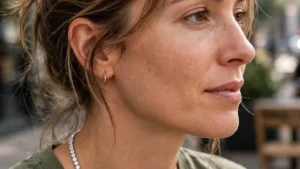
Studs are the hardest-working diamond piece you can own. They suit almost every neckline, work with hair up or down, and add polish to a plain shirt, a knit or a tailored jacket without ever looking overdressed.
What We Like: They are comfortable for all-day wear, suit every face shape, and move easily from work to evening with a change of outfit.
What to Consider: Very small studs can disappear on longer hair, and large studs can look formal in a casual daytime setting, so match the size to the moment.
2. The tennis bracelet
A tennis bracelet is a single line of diamonds that sits flat on the wrist and catches the light with every movement. It is elegant without being showy, and it pairs well with a watch or a plain bangle.
What We Like: It works with bare arms and long sleeves alike, and it is one of the few diamond pieces that looks right at both a desk and a dinner table.
What to Consider: Check the clasp carefully, since a bracelet that slips off is easily lost, and avoid wearing it with chunky bracelets that can scratch the setting.
3. The pendant necklace
A single diamond pendant on a fine chain is the simplest way to dress up a neckline. It suits V-necks, scoop necks and open collars best, where the stone has space to sit and be seen.
What We Like: It lengthens the neck visually, suits plain tops beautifully, and is easy to layer with a second, longer chain.
What to Consider: A pendant can get lost under a high neckline or a busy print, and a chain that is too long can catch on scarves and coats. Our roundup of the best diamond necklaces for 2027 shows ten timeless picks across styles and budgets.
4. Layered diamond necklaces
Layering two or three fine chains at different lengths creates depth without weight. Keep one chain as the hero, usually the shortest, and let the others be finer and simpler.
What We Like: Layering fills a bare neckline elegantly and lets you mix a diamond pendant with a plain chain or a small coloured stone.
What to Consider: Chains tangle easily, especially in wind or under a coat, so use different lengths and fine links, and remove them before exercise.
5. Evening drop earrings
Drop and chandelier earrings are the evening choice, made for updos, bare shoulders and low light. They frame the face and move as you move, which is exactly what evening dressing is about.
What We Like: They add instant drama to a simple evening dress and photograph beautifully, making them a natural choice for parties and celebrations.
What to Consider: Heavy drops can ache after a few hours, so test the weight before a long event, and keep the necklace simple so the earrings stay the focus. For everyday sparkle, our guide to the best diamond earrings for 2027 covers studs, hoops and drops by budget.
6. Stacked diamond rings
Stacking slim diamond bands, or pairing a diamond ring with a plain band, adds interest to the hand without the formality of a single large stone. It works on one finger or spread across two.
What We Like: Stacks are personal and flexible, easy to change with your mood, and a good way to wear inherited rings alongside new ones.
What to Consider: Too many rings can snag on knitwear and make typing uncomfortable, so keep the stack slim and leave at least one hand mostly bare.
7. Diamond brooches
Brooches are the quiet comeback of 2027. Pinned to a lapel, a coat, a scarf or even a handbag, a diamond brooch adds a vintage note to modern tailoring.
What We Like: One brooch can transform a plain blazer or coat, and it is an easy way to wear a family piece that no longer suits a necklace or ring.
What to Consider: Pin it where it will not pull the fabric, and keep the rest of the jewellery minimal, since a brooch plus a full set quickly looks overdone.
8. Wedding and bridal styling
Bridal diamond styling should suit the dress first. A strapless gown carries a pendant or drops beautifully, a high neckline suits studs alone, and a heavily beaded bodice needs almost no jewellery at all.
What We Like: Diamonds photograph with a soft sparkle that suits wedding pictures, and a single heirloom piece can carry real meaning on the day.
What to Consider: Try the jewellery with the dress and the hairstyle together, well before the day, and choose pieces you can wear comfortably for twelve hours.
9. Mixing metals and colour
Diamonds sit happily in white gold, yellow gold, rose gold and platinum, and mixing metals is no longer the fashion mistake it once was. The trick is to keep one metal dominant and treat the other as an accent.
What We Like: Mixing metals lets you wear diamonds with the jewellery you already own, and pairing diamonds with a coloured stone adds warmth and personality.
What to Consider: Too many competing metals can look muddled, so limit the mix to two, and keep the colour palette of the outfit simple so the stones stand out.
Background: how diamond styling has changed
For decades, diamond jewellery was sold as an occasion piece, worn with evening dress and kept for milestones. That began to change as everyday luxury became the norm: women started wearing small diamonds to work, layering fine chains with casual clothes, and treating a tennis bracelet as a daily piece rather than a special-occasion one. Designers followed, making lighter settings, smaller stones and more wearable shapes.
The 2027 look is softer and more personal than the red-carpet sparkle of earlier years. Fine chains, mixed metals, vintage-inspired settings and diamonds worn with denim, knitwear and tailoring are all part of the current picture. The emphasis has moved from the size of the stone to how the piece fits into a real wardrobe, and from matching sets to pieces chosen one at a time.
What has not changed is the need for care. Diamonds are hard, but their settings are not, and the metal holding them can bend, loosen or scratch. Regular cleaning, a yearly check of the claws and clasps, and storing pieces separately in soft pouches will keep them looking their best for decades.
The caveats that matter
Diamond styling comes with a few honest caveats. Diamonds are not indestructible, and neither is the jewellery that holds them. A hard knock can loosen a stone, a harsh chemical can damage a setting, and a piece worn every day will need more care than one worn once a month. Knowing the limits keeps the sparkle.
Price is another caveat. A well-cut smaller diamond often looks brighter than a larger, poorly cut one, so carat weight alone is a poor guide to beauty. Buy the best cut you can afford, and remember that styling cannot rescue a piece that does not suit you: if it feels wrong, it will look wrong too.
| Detail | What is known |
|---|---|
| Everyday wear | Studs, pendants and tennis bracelets suit daily wear best |
| Evening wear | Drop earrings and larger stones suit low light and formal dress |
| Metal mixing | Two metals work; three or more usually look muddled |
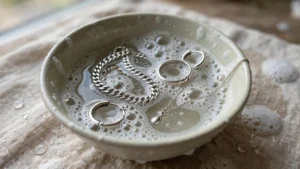
| Cleaning | Warm soapy water and a soft brush suit most diamond pieces |
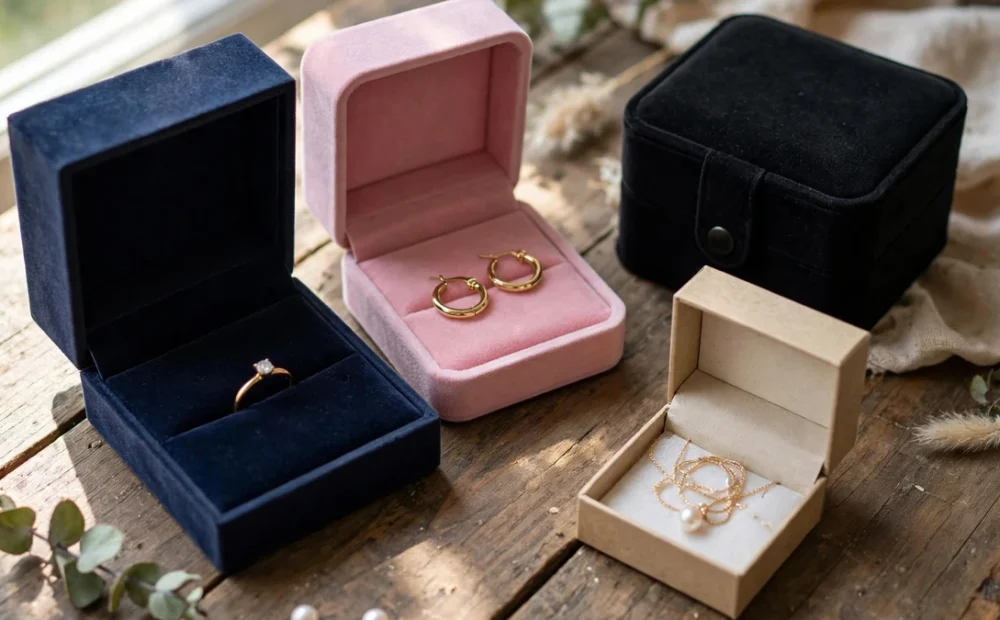
| Storage | Separate soft pouches prevent scratching between pieces |
| Professional checks | A yearly check of claws and clasps catches loose stones early |
| Cut over carat | A well-cut smaller diamond often outshines a larger poor cut |
| Comfort | Heavy earrings and tight rings tire quickly over a long day |
Checklist: styling diamond jewellery well
- Choose one hero piece per outfit and keep the rest of the jewellery quiet.
- Match the scale of the diamonds to the occasion, the neckline and the hairstyle.
- Keep metals consistent, or limit a mix to two metals with one clearly dominant.
- Try the full outfit, jewellery included, in daylight before an important event.
- Clean diamond pieces regularly and store them separately in soft pouches.
- Have claws, clasps and settings checked once a year, and sooner if a stone feels loose.
Frequently asked questions
Can you wear diamond jewellery every day?
Yes. Small studs, a slim pendant and a tennis bracelet are all designed for daily wear, and diamonds themselves are hard enough to handle it. The setting needs more care than the stone, so have clasps and claws checked yearly and remove rings for heavy manual work.
How many diamond pieces should you wear at once?
One hero piece plus one or two quieter ones is a good rule. A pair of statement earrings plus a simple pendant works, and so does a tennis bracelet with small studs. Wearing a full matching set often looks more formal than intended.
Do diamonds suit casual clothes?
They do, provided the pieces are small and simple. Studs with denim, a fine pendant with a knit and a slim bracelet with a shirt all work well. Large drops and heavy necklaces are better saved for evening, where they suit the dress code.
Should diamond jewellery match your outfit colour?
Diamonds are colourless, so they suit almost every colour. Warm metals such as yellow and rose gold flatter warm-toned clothes, while white gold and platinum suit cool tones. The metal choice matters more than the stone.
Can you mix diamonds with other gemstones?
Yes, and it is one of the easiest ways to add personality. Diamonds pair well with sapphires, emeralds and rubies, and with pearls for a softer look. Keep the rest of the outfit simple so the combination, not the clothes, takes centre stage.
How do you stop layered necklaces from tangling?
Use chains of clearly different lengths, at least five centimetres apart, and choose fine, smooth links. A small necklace clasp or a layering spacer helps, and removing necklaces before exercise or sleep prevents most tangles.
The bottom line
Styling diamond jewellery well is less about rules and more about balance. One hero piece, a scale that suits the occasion, metals that agree with each other, and clothes simple enough to let the stones shine will carry you through almost any situation, from a working day to a wedding. The nine approaches in this guide are starting points, not prescriptions, and the best combinations are usually the ones that feel most like you.
If you are buying your first diamond piece, start small and start classic: studs, a pendant or a tennis bracelet will earn their place in your wardrobe far more often than a dramatic piece that only suits one dress. Wear them, enjoy them, and let them become part of how you dress rather than something you save for best.
Note: This guide offers general styling advice. Diamond quality, value and suitability depend on the individual piece, so check certification and buy from a reputable seller before making a significant purchase.
Meet Our Experts
Our jewellery and fashion editors cover diamonds, fine jewellery and luxury style, drawing on years of writing about the pieces, the makers and the way real wardrobes work. Their aim is practical guidance you can use, not jargon or sales talk.
Why Trust BrassSmile
BrassSmile covers beauty, fashion, luxury and lifestyle with original guides written for readers, not brands. We do not accept payment for placement, we keep our advice independent, and we update our guides as styles and standards change.