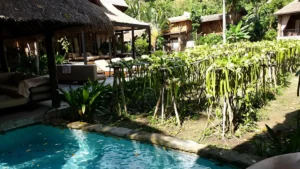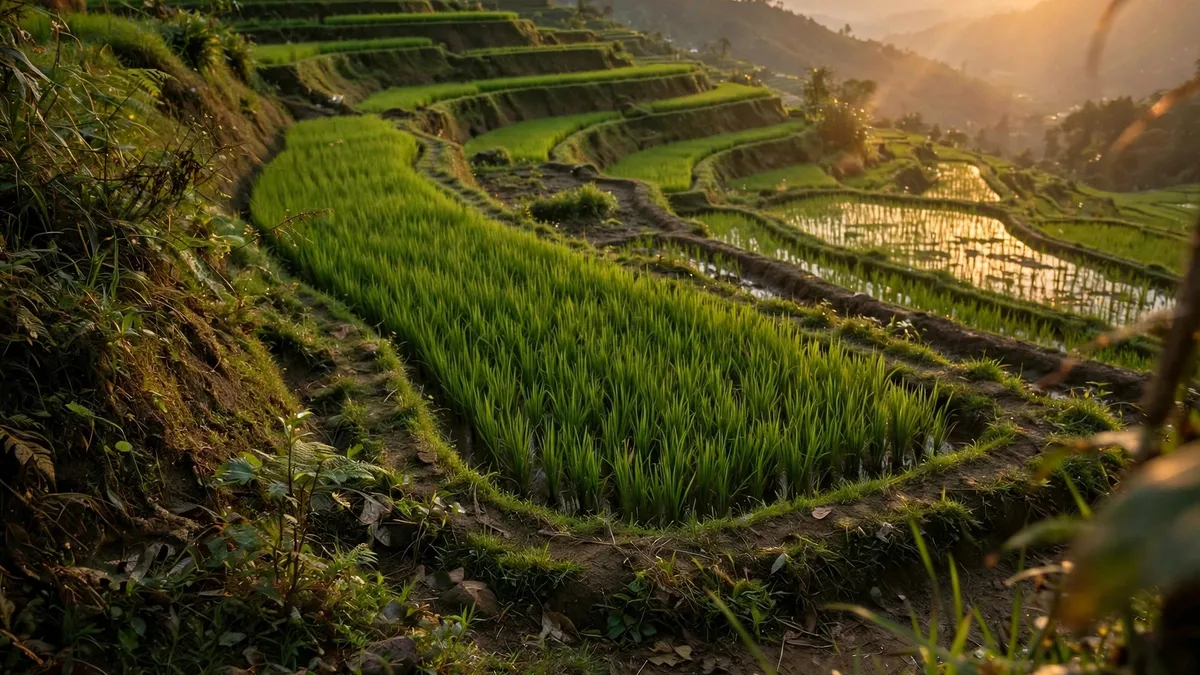
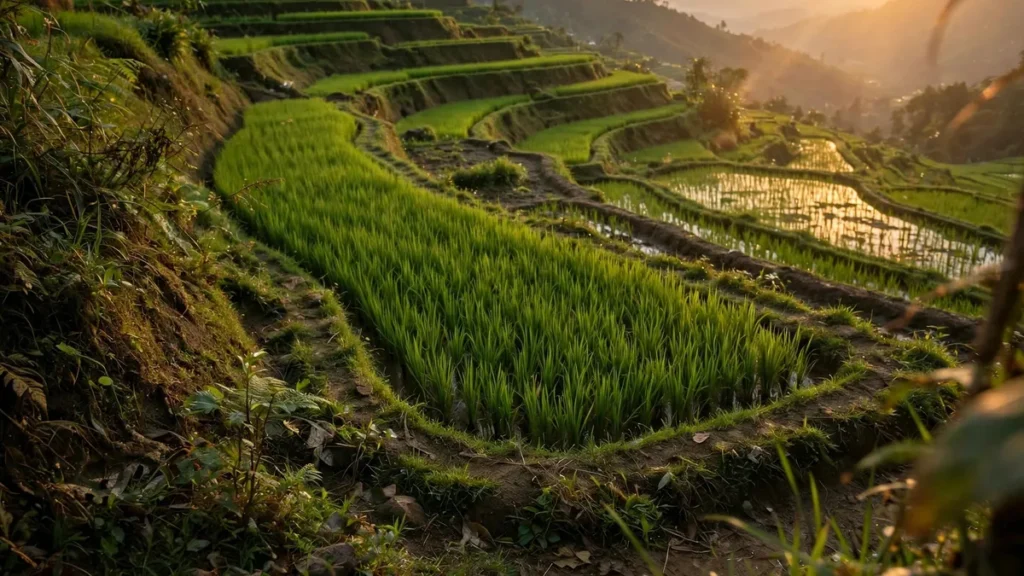
A rice terrace escape is a different kind of holiday. There is no beach club, no shopping street, and no schedule handed to you at check-in. There is a valley, a planting calendar, and a host who knows both.
Most of the mistakes are small and avoidable. People book for a single night and see the terraces in one kind of light. They arrive without a transfer and lose half a day at a bus station. They pack smart shoes, or they book a room at the top of a steep path and spend the trip dreading the climb back.
Below is a plain, step-by-step plan for a rice terrace escape in 2027, from choosing your season to the day you leave. It is built for three to five nights, which is the length that lets a terrace valley show you more than one face.
Key takeaways
- Plan around the planting calendar first: flooded, green, and golden terraces are three different trips, and the same valley changes completely across the year.
- Three nights is the minimum for a terrace escape, because you need one morning for the fields, one for a longer walk, and one spare for weather.
- Arrange the transfer before you book the stay, not after, because terrace valleys are slow to reach and hard to leave without a plan.
- Choose a room you can walk back to happily after a long day, not just a room with the best photograph.
- No plan guarantees a perfect view every day, and mist, rain, and harvest work are part of a working farm, not a failure of the trip.
What planning a rice terrace escape actually involves
Planning a rice terrace escape is mostly about timing and transport. The terraces are in hillside valleys, often far from airports and main roads, and the farming calendar decides what you will see. A trip planned around the calendar feels easy. A trip planned around flight prices alone can arrive in the wrong week and feel like a miss, even though the valley is the same.
The second part of the planning is the stay itself. A terrace retreat is not a hotel with a view. It is a small place, often family-run, with a kitchen that closes at a set time, a dining room that may be the only place to eat nearby, and a host who is your best source of information.
The nine steps below follow the order that works best: season first, then region, then stay, then transport, then packing, then the days themselves.
How to plan, and what to look for in a stay
Look first at the planting calendar for the region you are considering. In most of Asia, rice is planted in the wet season and harvested a few months later, but the exact weeks vary by valley, by altitude, and by whether the farmers grow one crop or two.

Look next at the walking. A good terrace stay has at least one walk that starts at the door and reaches the fields, a village, or a viewpoint within half an hour. If every walk needs a car, the stay is near the terraces rather than in them, and the trip will feel like a series of short drives instead of a slow valley stay. Our guide to planning a tea plantation escape makes the same point, because a working landscape is only enjoyable if you can move through it on foot.
Finally, look at what the stay includes. Meals matter more in a terrace valley than in a city, because there may be nowhere else to eat within walking distance. A stay that includes breakfast and one cooked meal a day is usually a better value than a cheaper room that leaves you arranging every meal by phone.
The 9 steps to planning a rice terrace escape
Start with the terrace season, not the flight calendar
What to do: Choose flooded, green, or golden fields first, then look for flights in that window. Ask the stay what the terraces will look like on your dates. What to avoid: Booking the cheapest flight and arriving in a week when the fields are bare or freshly cut. Best for: Anyone who cares about the view, which is everyone on this trip. Time needed: An hour of research before you book anything. Standout tip: The planting season gives mirrored water, and the weeks before harvest give gold, so pick the look you want and plan around it.
Pick a terrace region that matches how you travel
What to do: Match the region to your pace. Choose Ubud or the Chiang Mai highlands for an easy first trip, Sapa or the Ifugao highlands for walking, and Yuanyang for dawn photography. What to avoid: Picking the most famous valley when you want quiet, or the most remote valley when you want comfort. Best for: First-time terrace travellers and return visitors alike. Time needed: An evening of reading and comparing regions. Standout tip: A quieter valley with a good host often gives a better trip than a famous valley with a crowded viewpoint.
The region decides the feel of the whole trip. A busy valley has more restaurants and more people. A quiet valley has more space and fewer choices. Neither is better in itself, but one will suit you more, and it is worth deciding which before you book.
Choose a room you can walk back to happily
What to do: Ask which direction the room faces, how steep the walk back is, and whether there is shade at midday. Ask for a room near the dining area if you have sore knees. What to avoid: Booking the highest room for the view and dreading the climb after every walk. Best for: Older travellers, families, and anyone who walks a lot. Time needed: One email to the stay before you book. Standout tip: A room that faces the fields and sits near the dining area is worth more than a bigger room at the top of the hill.
Compare stays by what they include, not by their photos
What to do: Compare breakfast, one cooked meal a day, drinking water, tea, and a guided walk, and add up the real cost of a stay that includes none of them. What to avoid: Choosing the cheapest room and then paying separately for every meal, every walk, and every bottle of water. Best for: Anyone on a budget, because the cheapest room is rarely the cheapest trip. Time needed: Half an hour with a notebook and the stay’s own website. Standout tip: A stay that includes dinner is usually a better value in a valley with nowhere else to eat.
Ask the farm the questions that decide the trip
What to do: Ask what the fields will look like on your dates, how long the walk to the village takes, whether the paths are muddy after rain, and when the dining room closes. What to avoid: Arriving with no questions asked and discovering the answers by trial and error. Best for: Anyone who wants a smooth trip rather than a series of small surprises. Time needed: One email, and a reply worth waiting for. Standout tip: A host who answers plainly and quickly is the best sign of a good stay, and a host who will not answer is telling you something.
Sort the transfer before you book anything else
What to do: Arrange the journey from the nearest town or airport to the stay, and back again, before you pay for the room. Ask the stay to arrange a driver if you are unsure. What to avoid: Arriving at a bus station with no plan and losing half a day to a journey that should have taken an hour. Best for: Everyone, but especially anyone arriving late in the day. Time needed: An hour of planning, and a confirmation in writing. Standout tip: Terrace valleys are slow to reach, so a transfer arranged in advance is worth more than a cheaper flight.
Transport is the part of a terrace trip that most often goes wrong. The valleys are beautiful and remote, which means the roads are slow, the buses are few, and a taxi at the station can cost more than the room. Sort it first, and the rest of the trip starts calmly. Our guide to planning a coconut plantation escape makes the same point, because a farm stay is only relaxing if the journey there is already solved.
Pack light layers and shoes you can wash
What to do: Pack light layers, shoes you can wash, a rain jacket, sun protection, and a small bag for day walks. Bring a torch for paths after dark. What to avoid: Packing smart shoes, a heavy suitcase, or clothes you would mind getting muddy. Best for: Walkers, photographers, and anyone who plans to be outside most of the day. Time needed: An evening of packing, and a bag you can carry up a hill. Standout tip: Terrace paths are rarely lit, so a small torch is the most useful thing you will pack.
Slow down on day one and learn the terrace routine
What to do: Take a short walk on the first morning, eat a long lunch, and ask the host about the planting calendar, the water, and the village. What to avoid: Trying to see everything on day one, and arriving at dinner tired and disappointed. Best for: Anyone who has just travelled a long way to reach the valley. Time needed: One slow day, and it pays for the rest of the trip. Standout tip: The first morning is for learning the valley, not for covering distance, and the walk will be better for it.
Eat what the valley grows and take one day out
What to do: Eat the rice, the vegetables, and the fruit the valley grows, and take one day out to a nearby village, market, or waterfall. What to avoid: Eating imported food at the stay and never leaving the terrace, or filling every day with trips and never resting. Best for: Food lovers and slow travellers who want to understand the place. Time needed: One day out, and the rest of the trip at the stay. Standout tip: A market morning and a village lunch will teach you more about a terrace valley than another viewpoint. A palm grove escape works the same way, with one day out and the rest of the trip slow, because a farm landscape rewards patience more than mileage.
What a good terrace escape looks like, day by day
A good terrace escape has a simple rhythm. Early morning is for the fields, when the water is still and the light is soft. Late morning is for a longer walk, or a village visit, before the heat. Lunch is long, the afternoon is slow, and the evening is for the terrace, a drink, and an early night. That rhythm is not a schedule, it is the way a farming valley works, and the trip feels better when you follow it. Keep one afternoon free on purpose, because a terrace valley is best enjoyed slowly, and an unplanned hour on a veranda is often the part of the trip you remember.
Three nights gives you one morning for the fields near the stay, one for a longer walk, and one spare for weather. Four or five nights gives you a day out as well, to a market, a waterfall, or a nearby town, without feeling rushed.
The caveats that matter
A rice terrace is a working farm, not a garden, and that changes what a trip feels like. Farmers work early, water is released and drained on a schedule, and a field that was flooded yesterday can be muddy today. Harvest brings noise, dust, and workers in the fields, which some travellers love and others find surprising. None of this is a problem if you expect it, and all of it is a problem if you do not.
| Detail | What is known |
|---|---|
| Best time to plan around | The planting calendar, not the flight price; flooded, green, or golden fields |
| How long to stay | Three nights minimum; four or five nights is better for walking and a day out |
| What to arrange first | The transfer from the nearest town or airport, before you pay for the room |
| What to pack | Light layers, shoes you can wash, a rain jacket, sun protection, and a torch |
| Who should check the climb | Anyone with sore knees, older travellers, and families with small children |
| What to ask before booking | What the fields will look like, how long the village walk takes, and when dinner ends |
| What to avoid | A single-night stay, arriving without a transfer, or packing for a resort |
| What it does not offer | A guaranteed view every day, or a resort schedule in a farming valley |
Checklist: planning a rice terrace escape honestly
Use these checks before you book, and again the week before you travel.
- Check the season: choose flooded, green, or golden fields first, then look for flights in that window.
- Check the region: match the valley to your pace, and choose quiet over famous if you want space.
- Check the room: ask which direction it faces, how steep the walk back is, and whether there is shade at midday.
- Check what is included: add up meals, water, tea, and guided walks before you compare room prices.
- Check the transfer: arrange the journey from the nearest town or airport, and back again, before you pay.
- Check the packing: light layers, washable shoes, a rain jacket, sun protection, and a torch for dark paths.
Frequently asked questions
When should I book a rice terrace escape?
Book the stay first, once you know the season you want, and book flights after. Terrace stays are small, so the good rooms go early in the planting season and before harvest. A month or two ahead is usually enough, and a week is rarely enough in the best weeks.
How much should I budget for a rice terrace escape?
It varies widely by region, but a three-night stay with meals and a transfer usually costs less than a city break of the same length, because the valley is the entertainment. Budget for the transfer, the meals that are not included, and a guided walk or two, and the total will be close to the real cost.
Can I visit a rice terrace in the rainy season?
Yes, and the planting season is often the wet season, which is when the fields are flooded and at their most beautiful.
Do I need a guide for the terrace walks?
Not always, but a guide is worth it for the longer walks. A local guide knows which paths are dry, which fields are being worked, and which village paths are private, and they can explain the planting calendar as you walk.
What if the weather hides the view?
A spare morning in the plan is the answer, and a slow day with a long lunch is a good use of a cloudy one.
Is a rice terrace escape suitable for a first trip to Asia?
Yes, if you choose an easy region like Ubud or the Chiang Mai highlands, and a stay that arranges the transfer. A terrace escape is a gentle first trip, because the valley sets a slow pace and the host looks after the details.
The bottom line
A good rice terrace escape is planned around the fields, not around the flights. Choose the season first, then the region, then a room you can walk back to happily, and arrange the transfer before you pay. Give the trip three nights at least, pack for mud and sun, and let the valley set the pace once you arrive.
The terraces will do the rest. They change all day, from silver in the morning to gold in the late afternoon, and they reward the traveller who slows down more than the one who rushes. Plan simply, arrive calmly, and the valley will feel like it was waiting for you.