


What if your clothes could get you fined, or even arrested? In Renaissance Europe, they could. From roughly the 14th to the 17th century, what a person wore was a legal statement about who they were. Fabric, colour, fur and even the length of a train were tied to rank. Dress was a system, and everyone could read it at a glance.
That is what makes Renaissance fashion so fascinating. It was never just about looking good. It was about money, power, city pride and the constant push and pull between what people wanted to wear and what the law allowed. This guide breaks down the real garments, the rules behind them, the mistakes people make when reading portraits, and how the whole look still shapes fashion today.
Why Renaissance Dress Was a Status System
In Renaissance Italy, and later across Europe, clothing signalled rank, occupation and city allegiance. A Venetian merchant, a Florentine banker and a Spanish courtier could each be placed by their silhouette alone. Cloth was expensive. Dye was expensive. A single velvet gown could cost more than a house, so wearing one was a public announcement.
This is also why sumptuary laws existed. Cities such as Florence and Venice, and later England and France, issued statutes limiting luxury textiles like silk, velvet and cloth of gold, along with fur and jewellery, to specific classes. The laws were reissued again and again. That repetition tells you something important: enforcement was patchy. If everyone obeyed, you would not need to pass the same law five times. So when you read that a rule was “strictly enforced,” treat it with caution.
The Italian Lead in Fabric and Tailoring
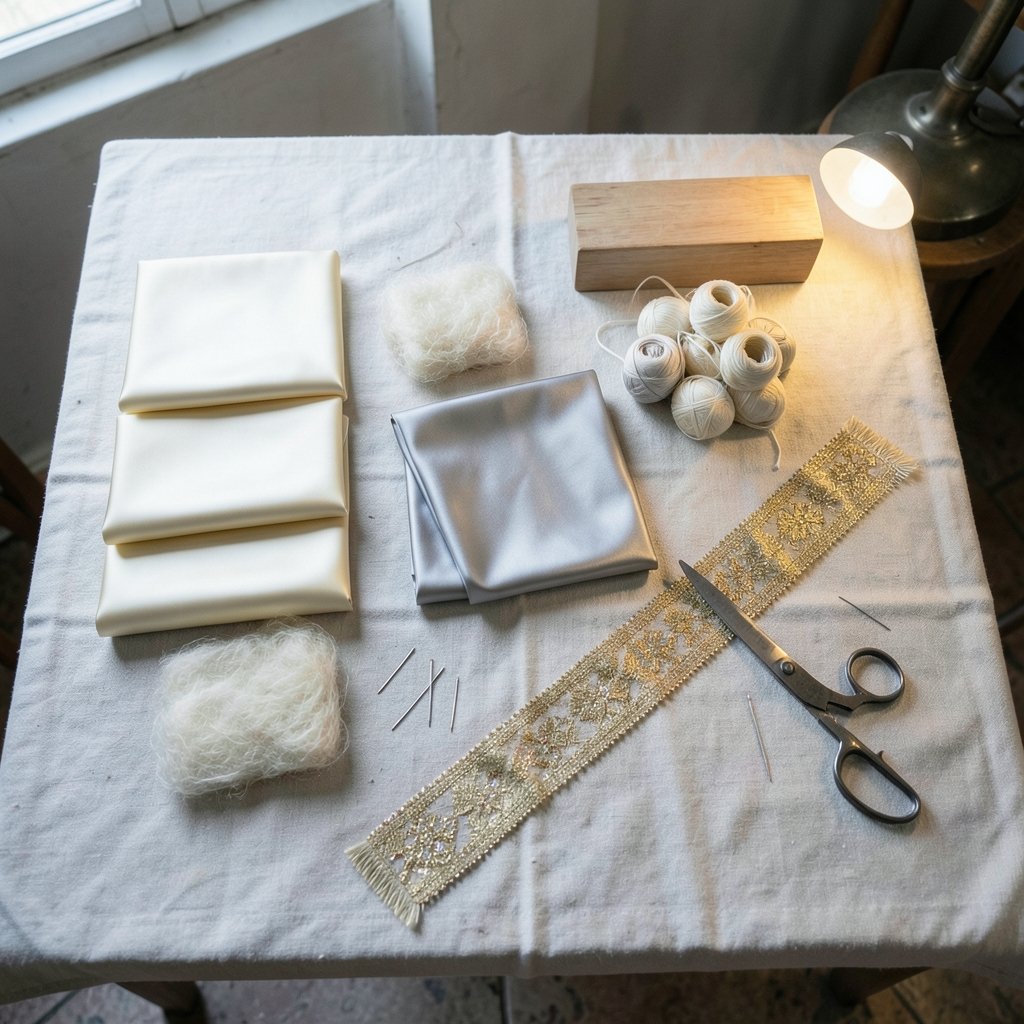
Italy drove the Renaissance fashion engine. Florence, Venice and Lucca were major centres of silk and wool production. Italian tailoring and Italian colour were copied north of the Alps throughout the 15th and 16th centuries.
Practical tip for anyone studying this period: start with the cloth, not the cut. A garment’s cost, and therefore its social meaning, came from the fibre and dye long before it came from the shape. Wool was everyday wear. Silk was aspiration. Cloth of gold was a fantasy most people could never legally touch. If you want to see how deeply Italian luxury shaped dress codes that still echo today, the story of Italian luxury fashion traces that thread from these workshops forward.
The Garments That Made the Look
Renaissance clothing had its own vocabulary, and using the right words matters. Contemporaries did not say “Renaissance fashion.” They named specific garments.
| Garment | Worn by | What it did |
|---|---|---|
| Doublet | Men | Fitted jacket, often padded or slashed |
| Hose | Men | Separate leg coverings, tied to the doublet |
| Codpiece | Men | Padded pouch at the front, peaking mid-16th century |
| Smock | Women | Linen underlayer, washable and practical |
| Kirtle | Women | Fitted gown worn over the smock |
| Gown | Both | Outer layer, often heavy and costly |
| Partlet | Women | Covering for the neck and chest |
| Ruff | Both | Stiffened collar that grew dramatically over time |
By the 16th century, men’s and women’s shapes had diverged sharply. Men wore doublets, hose and codpieces. Women wore gowns over smocks, with stays appearing from the later 16th century and farthingales lifting the skirt away from the body. The codpiece’s prominence peaked in the mid-16th century and then declined.
The Farthingale and the Growing Silhouette
The farthingale was a hooped underskirt, and it changed everything about proportion. It appears in Spain in the late 15th century and spread through the 16th century. The wheel farthingale and the French farthingale followed later in the 1500s.
Here is where beginners go wrong. Popular articles hand out tidy “invention” dates for the first farthingale or the first starched ruff. Dress historians dispute those dates. Styles appeared at different times in different countries, and surviving garments are rare. If a source gives you a single confident year with no named authority behind it, be suspicious.
The Ruff: From Collar to Sculpture
The ruff emerged in the mid-16th century as a modest collar. It then expanded in size and stiffness, starched and sometimes wired, into the early 17th century before shrinking again. Think of it as a wearable display of laundry skill. Keeping a large ruff crisp and white required labour, starch and money, which was precisely the point.
Colour, Dye and the Cost of Looking Rich
Colour carried meaning because colour cost money. Deep blacks, crimsons from kermes and later cochineal, and true purples were all costly. Black became especially fashionable and status-laden in the 16th century, particularly in Spain and its sphere of influence.
This surprises people. Modern shoppers assume black is the safe, cheap choice. In the Renaissance, a rich, deep, even black was hard to achieve and expensive to maintain. Wearing it well was a flex. The same logic applies to any era of dress: the “simple” look is often the most expensive one to pull off properly.
Reading Portraits Without Being Fooled
Portraits are the main window into Renaissance dress, and they are a biased one. Paintings by artists such as Bronzino and Holbein show elite dress. Ordinary people rarely sat for portraits, and when they did, they often wore their best. Velázquez, working later, shows a different court entirely.
Surviving garments are rare, so much of what is known comes from inventories, wills and portraits, each with its own distortions. A will lists what someone owned, not what they wore on a Tuesday. A portrait shows an ideal, not a documentary. The practical takeaway: cross-check. If a painting shows a fabric, look for an inventory that confirms the household actually owned it.
If you enjoy seeing how a single runway moment gets translated into a drawing that captures its mood, this piece on how Angelica Hicks turns runway moments into illustrations shows the same gap between the real garment and its image.
Common Mistakes People Make With Renaissance Fashion
A few errors show up again and again, both in casual writing and in costume projects.
- Treating “Renaissance” as one look. A 1450 Florentine gown and a 1590 English court dress share a label, not a silhouette. Pick a decade and a city before you pick a fabric.
- Assuming sumptuary laws were obeyed. They were reissued constantly, which suggests they were widely ignored. They shaped aspiration more reliably than they shaped wardrobes.
- Confusing underwear with outerwear. Smocks and shifts were washable linen layers. They were not meant to be seen.
- Ignoring the laundry. Starch, white linen and pressed ruffs were labour-intensive. Costume that looks right but cannot be cleaned misses half the story.
- Trusting single dates. “The farthingale was invented in…” is usually a simplification. Regional timing varied, and specialists disagree.
What actually works in practice, whether you are writing, designing or dressing a production: build from the skin outward. Smock, then kirtle or stays, then gown, then accessories. Get the layers right and the silhouette follows.
How Renaissance Codes Still Shape Fashion Today
Look at any modern red carpet and you will see the same machinery. Luxury textiles signal status. Dress codes decide who gets into which room. Cities build reputations on craftsmanship. The vocabulary changed, but the logic did not.
The 2010s offer a neat comparison. That decade’s athleisure and streetwear boom, powered by Instagram, rewrote the rules of who sets trends, much as Italian tailoring once did. The story of how 2010s fashion rewrote the rules makes an interesting mirror for the Renaissance, because both periods turned clothing into a public performance of identity.
If you are tracking where this is heading now, the 2026 fashion trends guide is a useful place to see which historical references designers are currently pulling from, and the 2026 fashion trends female tag collects the womenswear angle. For the broader picture, the fashion trends 2026 archive shows how often period details resurface in modern collections.
There is even a pop-culture route into the same conversation. The Barbie world tour book shows how costume design builds a character’s world, which is exactly what a Renaissance portrait did for its sitter.
Where to Go Deeper
If you want to keep learning, focus on object-based sources. Museum collections explain garments and textiles through the physical objects themselves, which beats any summary article. Encyclopaedia entries on sumptuary law and the farthingale are solid starting points for the legal and structural sides. Academic dress-history resources and reconstructions are useful too, but always check the author and the date before you rely on them.
One honest caveat: precise dates for the introduction of specific garments remain contested. A good researcher says so rather than inventing certainty.
Conclusion
Renaissance fashion was a legal, economic and social system stitched into every seam. Italy built the textile trade. Sumptuary laws tried, and mostly failed, to keep luxury in the right hands. The farthingale and the ruff reshaped the body into something almost architectural. And portraits gave us a beautiful but incomplete record of it all.
The next time you see a Bronzino or a Holbein, look past the face. Look at the black, the velvet, the stiff white collar. That is not decoration. That is a résumé.
FAQ
What years count as Renaissance fashion?
It runs roughly from the 14th to the 17th century, but the exact dating varies by region and is debated among historians. Italy moved earlier than northern Europe, so a 1450s Florentine look and a 1590s English look sit under the same label without sharing much style.
What were sumptuary laws?
They were statutes that limited luxury textiles, fur and jewellery to specific social classes. Cities including Florence and Venice, and later England and France, issued them repeatedly. That repetition suggests enforcement was patchy rather than strict.
Did people really wear codpieces?
Yes. The codpiece was a padded pouch at the front of men’s hose, and its prominence peaked in the mid-16th century before declining. It was a normal part of male dress, not an oddity.
What is a farthingale?
A farthingale was a hooped underskirt that held the skirt away from the body. It appears in Spain in the late 15th century and spread through the 16th century, with wheel and French variants arriving later. Exact first-appearance dates are disputed.
Why was black clothing expensive in the Renaissance?
Deep, even black was hard to achieve with period dyes and costly to maintain. It became fashionable and status-laden in the 16th century, especially in Spain and its sphere, so a rich black garment signalled wealth rather than modesty.
Can I trust portraits as fashion sources?
Only with care. Portraits mostly show elite dress and often present an ideal rather than everyday reality. Surviving garments are rare, so historians cross-check paintings against inventories and wills to build a fuller, more accurate picture.
## A Short Glossary for Further Reading
A few terms recur in museum catalogues and dress histories, and knowing them makes object labels far easier to read. Slashing describes the deliberate cutting of outer fabric so the lining or underlayer shows through, a practice that spread from Swiss and German mercenaries into elite dress. Pinking is the related technique of cutting decorative patterns into fabric with a chisel. Bombast was the padding — often cotton, wool or bran — used to stiffen and shape doublets and sleeves. Guard refers to a contrasting band applied to the edge of a garment, a cheap way to refresh an older piece. Trunk hose were the puffed, padded breeches worn with doublets in the mid-16th century. Learn these five words and half the captions in any costume collection suddenly make sense.














