

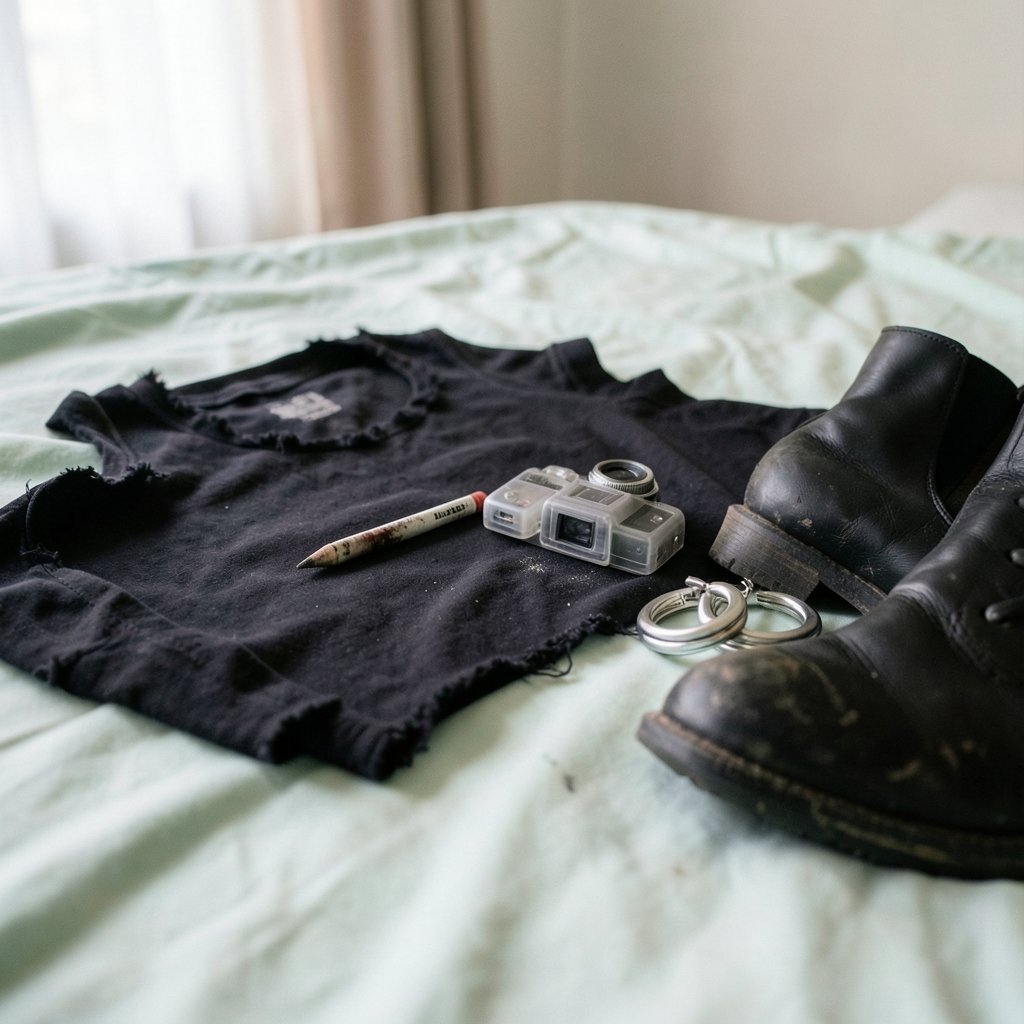
What happens when a generation raised on filtered perfection decides that smudged eyeliner, flash-blinded party photos, and a ripped band tee are the height of style? You get indie sleaze, the aesthetic that refuses to be polished, refuses to be flattering, and somehow refuses to go away. It is the look of 2 a.m. subway rides, disposable cameras, and eyeliner applied with a heavy hand and zero regret. And whether you love it or find it exhausting, it has become one of the most talked-about retro revivals of the decade.
This guide breaks down what indie sleaze actually is, where it came from, how to wear it without looking like a costume, and why the fashion industry keeps circling back to it. No nostalgia goggles required.
What Is Indie Sleaze, Exactly?
Indie sleaze describes a style and mood tied to the indie music and party scenes of roughly 2006 to 2012. Think American Apparel basics, skinny jeans, leather jackets, band tees, chipped nail polish, and the kind of eyeliner that looks better the longer the night goes on. The look was documented obsessively by party photographers who used harsh flash and never asked anyone to pose nicely.
The name itself is a retrospective label. It was applied years after the fact, as the internet began sorting its own recent past into neat aesthetic buckets. The term spread through social platforms and fashion press around 2021 and 2022, when the look was revived and repackaged for a new audience. It is worth being honest here: the exact person who coined the phrase, and the exact date it first appeared, remain genuinely unresolved. Different sources credit different moments. Treat any confident claim about a single origin story with suspicion.
What is not disputed is the visual language. Indie sleaze is deliberately unpolished. It is the anti-influencer aesthetic, even though influencers are now the ones selling it back to us. It overlaps messily with Y2K revival, heroin chic nostalgia, and the 2014 Tumblr era, which is why the boundaries are so hard to pin down.
Where the Look Came From

The aesthetic grew out of the mid-2000s indie and electroclash scenes in New York and the UK. Music blogs, small venues, and early social platforms created a culture where being photographed at a party was itself a form of currency. The photographer Mark Hunter, known as The Cobrasnake, built one of the defining visual archives of that world, shooting flash-lit party portraits that now function as a historical record of the era.
Crucially, nobody in 2008 called what they were wearing “indie sleaze.” The label came later. That gap matters, because it explains why the revival feels both authentic and slightly off. The original look was a byproduct of a scene. The revival is a product, sold back to people who either lived through it or wish they had.
For anyone who wants to see the source material, the Internet Archive’s Wayback Machine preserves countless fashion blogs and party-photo sites from that window. Scrolling through them is more instructive than any trend report, because you see the look as it actually existed: cheap, fast, and gloriously uncurated.
Why the Revival Hit So Hard
By 2022, the fashion press had picked up the term and started treating indie sleaze as a commercial trend cycle rather than a subculture. That shift is the whole story. Once forecasting outlets and retail analysts start discussing an aesthetic, it has officially moved from the club to the spreadsheet.
The timing made sense. After years of minimalism, beige, and curated perfection, a look built on mess and imperfection felt like relief. The revival also rode the broader wave of 2000s nostalgia that has dominated recent seasons. If you want to see how deep that current runs, the 2026 fashion trends guide maps out which retro references are still shaping what people actually buy, and indie sleaze sits comfortably inside that conversation.
There is also a practical reason the look keeps returning. It is cheap to imitate. A leather jacket, dark sunglasses, and a band tee are things most people already own. Compare that to trends that demand a whole new wardrobe, and indie sleaze starts to look like a bargain.
The Core Pieces of the Look
Indie sleaze has a surprisingly tight uniform. Get these elements right and the rest falls into place.
| Piece | What to Look For | Common Mistake |
|---|---|---|
| Skinny jeans | Dark wash, slightly worn, ankle-length | Buying them too tight and too new |
| Leather jacket | Boxy or cropped, broken-in | Shiny, stiff, obviously faux |
| Band tee | Faded print, relaxed fit | Pristine, never-washed look |
| Eyeliner | Smudged, heavy, slightly slept-in | Perfectly sharp wings |
| Footwear | Boots, ballet flats, beat-up sneakers | Brand-new statement shoes |
| Accessories | Chokers, thin scarves, small sunglasses | Too many at once |
The through-line is wear. Everything should look like it has been somewhere. That is the hardest part to fake, and the part most people get wrong.
How to Wear It Without Looking Like a Costume
Here is where practical experience beats theory. Most attempts at indie sleaze fail for the same handful of reasons, and they are all fixable.
First, resist the urge to buy everything at once. The look reads as authentic when it looks accumulated, not purchased. Start with one or two pieces you genuinely like and build slowly. A single good leather jacket does more work than five trend items.
Second, do not overdo the grime. Smudged eyeliner is the point; looking unwashed is not. The original scene had a specific kind of intentional mess, and the keyword is intentional. Keep the clothing clean even when the styling is rough.
Third, pay attention to proportion. Skinny jeans work best with a slightly oversized top or a cropped jacket, not with everything tight. The silhouette needs contrast or it collapses into shapelessness.
Fourth, avoid the costume trap of buying “vintage” pieces that were manufactured last year with fake distress. Real wear comes from real use. Thrifted and secondhand pieces almost always read better than new ones styled to look old.
If you want to see how stylists translate runway energy into wearable looks, the work of Angelica Hicks, whose fashion illustrations turn runway moments into something looser and funnier, is a useful reference for how to keep a look playful rather than precious.
Indie Sleaze vs. the Trends Around It
The confusion is real, so let’s separate the look from its neighbors.
| Aesthetic | Era | Mood | Key Difference |
|---|---|---|---|
| Indie sleaze | 2006–2012 | Messy, nocturnal, raw | Flash photography, deliberate grime |
| Y2K revival | 1999–2004 | Playful, shiny, futuristic | Logo mania, low-rise, metallics |
| 2010s athleisure | 2013–2019 | Comfortable, clean, sporty | Performance fabrics, minimal styling |
| 2014 Tumblr | 2012–2016 | Soft, moody, introspective | Pastels, grunge-lite, internet-native |
The lines blur constantly. Indie sleaze borrows from Y2K’s low-rise silhouettes and from Tumblr’s moodiness, which is exactly why commentators argue about where one ends and the next begins. The 2010s athleisure and streetwear story shows how quickly the pendulum swung from messy to clean, and how Instagram rewrote the rules in between.
The Criticism Worth Taking Seriously
Not everyone is thrilled about the revival, and the pushback is fair. Critics point out that the original aesthetic glamorized a party culture that was not harmless for everyone involved. The proximity to thinness and heroin-chic imagery is a recurring concern in retrospective coverage, and it deserves to be named rather than glossed over.
There is also a sustainability angle. A trend built on looking worn encourages disposable shopping if you take it literally. The smarter approach is the opposite: buy less, wear it longer, and let the wear happen naturally. That version of indie sleaze is both more ethical and more convincing.
Finally, there is the authenticity problem. A subculture that was once about not caring how you looked has become a look people carefully construct. That irony is baked in. You can either fight it or enjoy it with a sense of humor, and the second option is far more fun.
Why Italian Luxury Keeps Borrowing From the Gutter
One of the more interesting wrinkles in the revival is how high fashion has absorbed it. The same houses that once sold polished minimalism have spent recent seasons sending out distressed denim, sheer layers, and deliberately undone styling. The collision between grime and glamour is nothing new, but the current version is unusually direct.
This is where the story connects to the broader Italian luxury fashion conversation, where craftsmanship and a certain studied carelessness have always coexisted. The revival gives designers permission to be messy, as long as the mess is expensive. Whether that is exciting or exhausting depends on your tolerance for irony.
For a wider view of where all this is heading, the 2026 fashion trends female roundup is a good place to see which pieces are actually landing in stores. And if you want to track the revival as it evolves season by season, the fashion trends 2026 tag collects the ongoing coverage in one place.
Building the Look on a Budget
Practical advice, because most people are not shopping at designer price points.
Start with secondhand. Thrift stores and resale platforms are full of the exact pieces the trend demands, often genuinely from the era. A real 2008 band tee costs less than a new one designed to look like it.
Learn basic alteration. Taking in a jacket or hemming jeans makes cheap pieces look intentional, which is half the battle.
Invest in one anchor piece. A good leather jacket will outlast the trend and works with everything else in your closet.
Skip the props. Disposable cameras and chunky headphones are fun for photos but do not make an outfit. Focus on the clothes.
Frequently Asked Questions
What years count as indie sleaze?
Most sources place the original era somewhere between 2006 and 2012, though the range varies. Some commentators stretch it earlier into the mid-2000s or later into the Tumblr years. The revival itself began around 2021 and 2022, when the term spread through social media and fashion press.
Who coined the term indie sleaze?
This remains genuinely unresolved. The label emerged retrospectively, years after the aesthetic existed, and different sources credit different moments and platforms. It is safer to treat it as an internet-era label rather than a term with a single documented author.
Is indie sleaze the same as Y2K fashion?
No, though they overlap. Y2K fashion covers roughly 1999 to 2004 and leans shiny, playful, and logo-heavy. Indie sleaze is darker, messier, and tied to the late 2000s party scene. The two share low-rise silhouettes and a love of nostalgia, which is why they get confused.
Can you wear indie sleaze to work?
Only in very relaxed offices. The look is built on grime and nightlife, which does not translate to most professional settings. The compromise is to take individual elements, like a leather jacket or dark skinny jeans, and pair them with cleaner pieces. Keep the smudged eyeliner for the weekend.
How do you get the smudged eyeliner look right?
Use a soft pencil rather than a liquid liner, apply along the lash line, then smudge with a cotton bud or your fingertip while it is still warm. Build in thin layers rather than one heavy stroke. The goal is slept-in, not smeared. Set it lightly with powder if you need it to last.
Is indie sleaze still trending?
It has moved from a niche revival into the mainstream trend cycle, which usually means it is past its peak novelty but still commercially visible. Expect it to keep influencing denim, outerwear, and partywear for a while, then fade into the background as the next retro reference takes over. Trends like this rarely disappear completely; they just go quiet.
Conclusion
Indie sleaze is a strange beast: a subculture that became a search term, a look built on not caring that now requires careful styling, and a revival that keeps circling back because it is cheap, expressive, and deeply photogenic. Its origins are murkier than most trend reports admit, its boundaries are contested, and its critics have legitimate points about the culture it glamorizes.
But the appeal is easy to understand. In an era of filtered perfection, a smudged eyeliner and a beat-up leather jacket feel like permission to be a little messy. The smartest way to wear it is also the most honest one: buy secondhand, wear things until they actually look worn, and treat the whole thing with a sense of humor. That approach outlasts any trend cycle, and it looks better in photos anyway.














