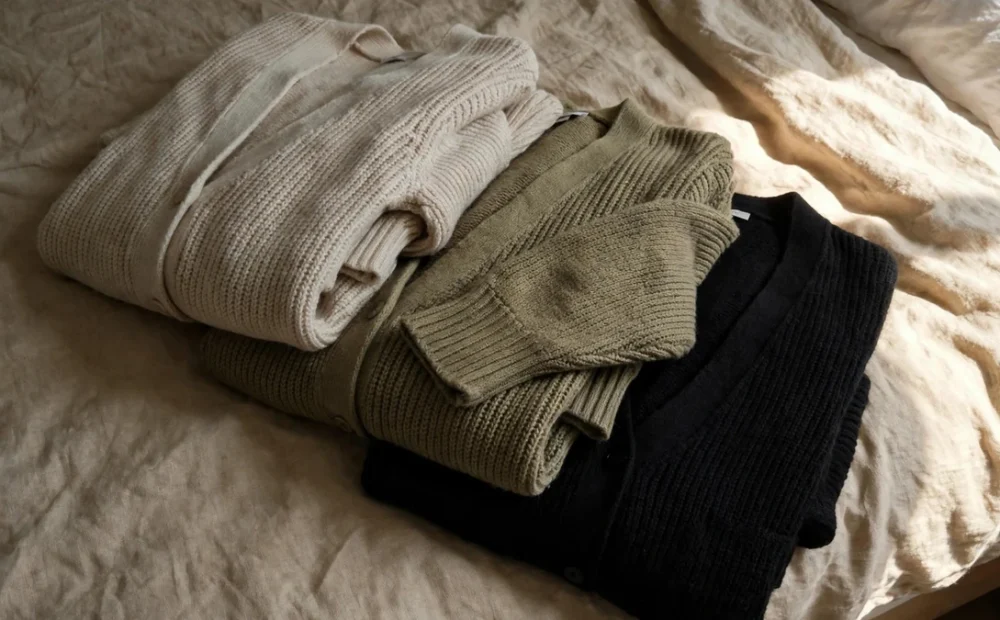
A wool bedding set is a matching set of bed linen in which wool is the main fibre: the sheets, the duvet cover or the filling you sleep under are made from sheep’s wool, or from a cloth led by wool. It is one of the oldest kinds of bedding there is, and also one of the most misunderstood. Shoppers expect a heavy winter blanket, then find a set that feels light, smooth and cool enough for spring.
The confusion starts with what a set actually is. A wool bedding set is a group of matching pieces sold together for one bed, usually a duvet cover with pillowcases, sometimes with a flat sheet, a fitted sheet and a wool-filled duvet as well.
This guide explains what a wool bedding set actually is: where the fibre comes from, what fineness and weight mean for bedding slept in every night, what a set usually includes, how weave and weight change the feel, how it differs from other bedding, and how to care for it. No product picks, just the facts.
Key takeaways
- A wool bedding set is a matching group of bed linen, usually a duvet cover and pillowcases, with wool as the headline fibre, often blended with cotton or used as a duvet filling.
- Wool is the fleece sheep grow against cold and wet weather, and its crimped fibres trap air, absorb moisture and release it slowly, which is why wool bedding regulates temperature in both directions.
- Fineness decides softness: merino under 20 microns and fine lambswool feel smooth against skin, while coarser wool above 30 microns usually prickles.
- Most wool bedding is woven rather than knitted, and a set is sold by piece count, so check what the price covers before comparing prices.
- Labels are loosely policed, and no wool bedding is washable, moth-proof or itch-free by default: the fibre share and the care label decide what it can take.
What a wool bedding set actually is
A bedding set is a group of matching pieces sold together for one bed. In a wool set, those pieces are made from wool cloth, or from a cloth in which wool is the named fibre, or they are filled with wool.
Wool is the fleece of the sheep, not a single uniform fibre. A set earns its name from the face fabric, the side you see and touch, and from the filling where one is included. Pure wool bedding exists, but the sheets in a set are often a blend, because pure wool sheets can feel heavy and need more careful washing.
The fibre: where wool comes from and what fineness means
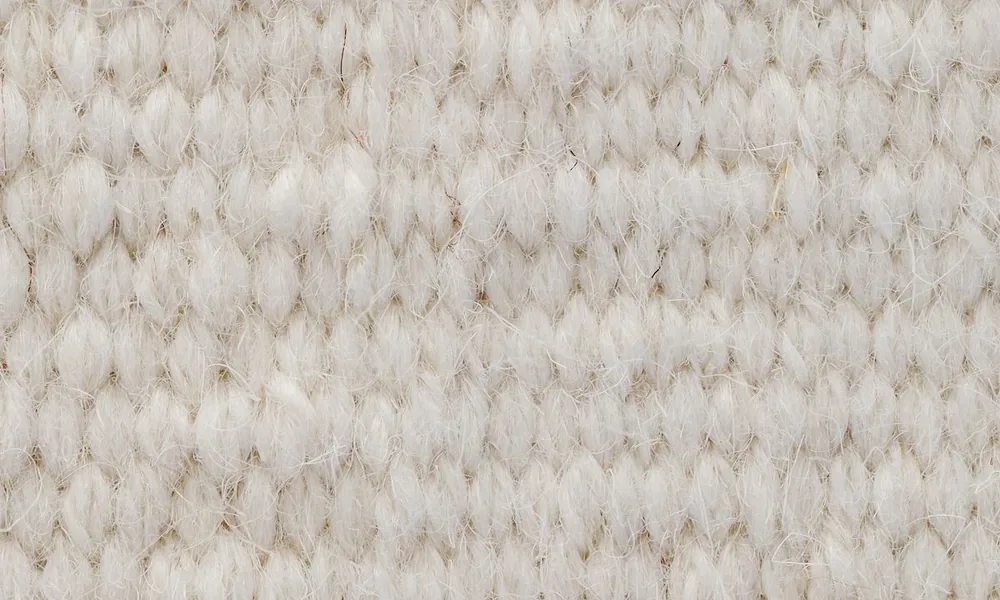
Wool grows on sheep in cold, wet and changeable climates, and the fibre is built for exactly that weather. Each wool fibre is crimped, bent into tiny waves along its length, so yarns made from wool trap pockets of still air. That trapped air is what insulates you, and it is also why wool bedding feels warm without feeling heavy.
Merino, from Merino sheep, is the finest common wool, usually under 20 microns, and it feels smooth against bare skin. Lambswool comes from a sheep’s first shearing, so the fibres are finer and softer than ordinary wool from the same breed. Ordinary wool above 30 microns usually prickles, because the thicker fibre ends press against the skin instead of bending. Our guide on how to choose a wool blanket explains microns, grams per square metre and weaves in plain terms.
What a set includes
A wool bedding set is sold by piece count, and the count is where most misunderstandings happen. A three-piece set usually means a duvet cover and two pillowcases. A four-piece set usually adds a flat sheet. A five-piece or six-piece set adds a fitted sheet and sometimes a wool-filled duvet. The pieces are cut to match, so the set looks like one decision rather than several, but the fibre is not always the same in every piece.
The duvet cover is the centrepiece: the largest piece, the most visible, and usually the one with the highest wool share. The fitted sheet is the hardest-working piece in the set, and in many wool sets it is cotton or a cotton blend rather than wool itself. If you want to see how these pieces come together in real sets, our roundup of the best luxury wool bedding sets covers duvets, sheets, comforters and quilt covers side by side.
Weave, weight and construction
Most wool bedding is woven, made on a loom with yarns crossing at right angles. A woven cover is flat and structured, and classic weaves are plain weave, twill and sateen. A knitted cover is made from loops of yarn, like a very large, flat jumper: softer and stretchier, though it snags more easily, stretches out of shape and pills faster under nightly use. Most wool sheets and duvet covers you will find in shops are woven, and knitted wool bedding is the exception.
Ply describes how many strands of yarn are twisted together. Two-ply yarn, the minimum for bedding used every night, twists two strands together for strength and shape. Weight is usually given in grams per square metre. A lighter wool cloth, around 200 to 280 grams per square metre, drapes softly and suits most of the year. A heavier cloth, around 300 to 450 grams per square metre, feels warmer and suits a cold bedroom.
How wool bedding differs from other bedding sets
Wool bedding is the most temperature-flexible of the luxury bedding fibres. It insulates on a cold night and wicks moisture on a warm one, so the same set can work in more seasons than cotton or silk. Cotton is the practical baseline: breathable, washable, durable and affordable, but it never insulates as well as wool on a cold night and it feels damp sooner when you sweat.
Silk is the closest rival for smoothness. It is cooler to the touch than wool, smoother against the skin and kind to hair, but it is less warm and it shows water spots. Our comparison of silk versus wool sheets sets out where each one wins and where each one falls short.
Care basics
Wool bedding needs gentler care than cotton or linen, and the care label is the only authority that matters. Some wool sets are machine washable on a cold, gentle cycle with a mild detergent made for wool. Others need hand washing or dry cleaning, and a set that needs dry cleaning will cost more over a year than the price on the tag suggests. Read the label before buying, not after the first wash.
Wash wool bedding inside out, in cold water, with no fabric softener and no bleach, and never wring it. Press the water out gently, roll the piece in a clean towel, and dry it flat, away from direct heat and sunlight. Pilling is normal, especially in the first weeks. Remove pills with a fabric comb or a fabric shaver, never by pulling them off by hand.
When a wool bedding set works — and when it does not
A wool bedding set works best in a changeable bedroom, for a sleeper who feels the cold at night and overheats by morning. It suits a winter bed, a cool guest room, and anyone who wakes up damp in cotton or synthetic bedding. It also suits a bed that should work across seasons without swapping the whole set twice a year, and a sleeper who likes a dry, breathable warmth rather than the heavy heat of a thick synthetic duvet.
It works less well for anyone with a wool allergy, which is uncommon but real, and for very sensitive skin that finds even fine merino too much; a wool and cotton blend or a cotton set is the kinder choice there. It is a poor choice for a bed shared with pets that scratch, or for anyone who will resent a dry-cleaning bill or a cold gentle wash. The honest test is use: a wool set that lives in a cupboard because it feels too precious to sleep in is not luxury, it is storage.
Wool bedding at a glance
| Detail | What is known |
|---|---|
| What it is | A matching set of bed linen, usually a duvet cover and pillowcases, with wool as the headline fibre |
| The fibre | Fleece of the sheep; crimped fibres trap air for warmth and absorb moisture without feeling damp |
| Best fineness | Merino under 20 microns and fine lambswool feel smooth; wool above 30 microns usually prickles |
| Usual construction | Woven cloth, two-ply or higher, often a wool face with a cotton reverse; duvets filled with loose wool |
| Warmth | Warm in winter and breathable in summer; the most temperature-flexible luxury bedding fibre |
| Care | Cold gentle wash or dry clean, as the label says; dry flat, air the duvet, never tumble dry on high heat |
| Pilling and moths | Pilling is normal at first; remove with a fabric comb. Moths eat wool, so store it clean, dry and protected |
| Who should avoid it | People with a wool allergy, very sensitive skin, and anyone who wants hot washing and tumble drying |
Checklist before you buy
- Read the piece count: does the price cover a duvet cover and pillowcases only, or the full set with sheets and a duvet?
- Read the fibre label: what share is wool, what is it blended with, and is the fitted sheet wool at all?
- Check the fineness: look for merino under 20 microns or fine lambswool, and be wary of vague claims such as premium wool.
- Check the care label: can it be machine washed cold, is it superwash, or does it need dry cleaning?
- Feel the weight: a lighter cloth suits most of the year, a heavier cloth or a high fill weight suits winter only.
- Check the fit: match the set to the bed size and the mattress depth before ordering.
Frequently asked questions
What is a wool bedding set?
It is a matching set of bed linen, usually a duvet cover with two pillowcases, in which the visible fabric is wool or a blend led by wool, sometimes with a wool-filled duvet included.
Is wool bedding pure wool?
Usually not throughout. Most wool bedding is a blend with cotton, or a wool face backed onto cotton. Pure wool exists, mainly in duvet covers and wool-filled duvets.
Is wool bedding warm?
Yes, and it is also breathable. Wool insulates on cold nights and wicks moisture on warm ones, which is why the same set can work across more seasons than cotton.
Does wool bedding itch?
It can, and fineness decides it. Merino under 20 microns and fine lambswool usually feel smooth, while coarser wool above 30 microns usually prickles. Test it against your wrist before buying.
Can you wash wool bedding?
It depends on the label. Some sets wash cold on a gentle cycle, especially superwash wool, while others need hand washing or dry cleaning. Never use a hot wash.
Is a wool bedding set worth the price?
For a sleeper who feels the cold and overheats by turns, and who will use it nightly across seasons, yes. For a hot sleeper in a warm climate, or anyone with a wool allergy, a good cotton or linen set is better value.
The bottom line
A wool bedding set is a matching set of bed linen built around the oldest fibre in the luxury bedroom: the fleece of the sheep. Its value lies in temperature regulation that works in both directions, warmth without weight and a dry, breathable sleep, and its cost lies in the same place.
Buy it for the nights you will actually spend in it. Check the piece count, the wool share, the fineness and the care label before the price, and choose a weight that suits the room it will sleep in. A set bought that way will feel like wool for seasons.
Note: Prices and care guidance here are general bands and label-based advice, not listings for one product. Always check the care label on the set you buy, and the returns policy before ordering, because fibre shares and washing instructions vary between makers.
Meet Our Experts
Our home and textiles editors research luxury bedding by reading fibre labels, maker care guidance and published reviews, and by comparing each set against the bedding already live on BrassSmile. No single tester is named here, and no testing claim is made for a product we have not handled.
Why Trust BrassSmile
BrassSmile covers luxury living the same way in every guide: the fibre and the construction first, the price band second, and the caveats in full. We do not copy maker descriptions, we do not invent test results, and we link only to our own published guides so readers can check the comparison for themselves.
Sources
Wool fibre and fineness guidance as published by the International Wool Textile Organisation and The Woolmark Company; bedding construction and care guidance as published by Johnstons of Elgin and The White Company; fibre comparisons as covered by The Spruce and Homes and Gardens. No text was copied from any source.