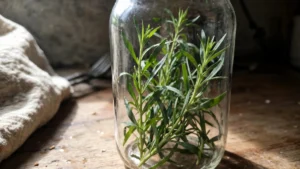
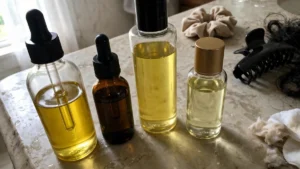
Oregano is the loudest herb in the perfumer’s palette, and also one of the least used. It smells warm, green, savoury and faintly peppery, with a dry bitterness that no other herb note quite matches. A drop of oregano oil can lift an entire amber composition. A drop too many can turn the same composition medicinal. That knife-edge is why perfumers treat it with respect, and why so few perfumes name it at all.
Most people meet oregano in the kitchen, where it seasons pizza, pasta and grilled meat. In perfume it plays a different role, adding warmth, depth and a sun-baked Mediterranean character to woody, amber and fougère scents.
This guide explains what an oregano perfume actually is, where the note comes from, how perfumers use it, and why it smells so different from its gentle cousin marjoram. It is written for anyone who has wondered about the herb on a note list, or who has smelled something green and peppery in a perfume and wanted a name for it.
Key takeaways
- An oregano perfume is a fragrance that lists oregano, a warm, green, savoury herb note, among its published notes.
- The note gets its sharp, warming character from two natural compounds, carvacrol and thymol, which also give oregano oil its strong smell.
- Oregano is almost always an accent in the heart or base, adding herbal depth to amber, woody and fougère compositions.
- It is related to marjoram but smells clearly different: oregano is bolder, drier and more savoury, while marjoram is softer and sweeter.
- No oregano perfume will smell like a herb garden all day, and a scent that turns bitter or harsh on your skin is unlikely to soften with more wear.
What an oregano perfume actually is
An oregano perfume is any fragrance that includes oregano, the essential oil or absolute of the Origanum vulgare plant, in its formula. The note is listed openly in the published breakdown, usually in the heart or the base, and it contributes a warm, green, savoury character that is hard to mistake once you know it. It is not a marketing word. If oregano is on the list, the perfumer used the real material, or a recreation of it, in the blend.
The note itself is made by steam-distilling the leaves and flowering tops of the plant. The resulting oil is dark, potent and strongly aromatic, and it is used in very small amounts. Perfumers describe it as a seasoning rather than an ingredient, because a fraction of a percent can change a whole composition.
Oregano perfumes are almost always unisex or masculine-leaning, not because the herb itself is gendered, but because the compositions around it tend to be aromatic, woody or amber-based. Our guide to what a marjoram perfume is shows the softer side of this herb family, and the contrast is the best way to understand what makes oregano distinct.
How perfumers use oregano and what to look for
Perfumers use oregano the way a cook uses a strong spice: to add warmth and depth without letting it dominate. In most compositions it sits in the heart, where it bridges the bright opening and the warm base, or in the base itself, where it gives amber and woods a green, herbal edge.

Look at the notes around it. Oregano works best with amber, sandalwood, lavender, bergamot and other Mediterranean herbs, and it is often found alongside thyme, rosemary and sage in aromatic compositions. If you enjoy what a thyme perfume is, you will recognise the same green, aromatic family, but oregano is rounder and warmer, with a sun-baked quality that thyme does not have.
Look also at the concentration. An extrait de parfum will show oregano more strongly and for longer than an eau de toilette, because the higher oil content holds the herbal character on skin. A lighter concentration is often the smarter choice if you are new to the note.
9 facts about oregano perfume
Oregano and marjoram share a genus, and perfumers treat them as opposites
What it shows: Both herbs belong to the Origanum genus, and both are used in perfumery, but they smell clearly different. Sweet marjoram is soft, sweet and slightly floral. Oregano is bold, dry and savoury, with a bitterness that marjoram never has. What to consider: The two are often confused in conversation, and some note lists use the names loosely, so check which plant a perfume actually means. Best for: Anyone choosing between the two herb notes. Material: Origanum vulgare essential oil. Price range: The oil itself is inexpensive; the perfume’s price depends on the rest of the formula. Standout feature: Two cousins in one genus, used as opposites in the perfumer’s palette.
Carvacrol and thymol give oregano its sharp, warming character
What it shows: Oregano oil is rich in two natural phenols, carvacrol and thymol, which are responsible for its strong, warm, slightly medicinal smell. Carvacrol brings the peppery heat, while thymol adds a clean, herbal sharpness. What to consider: The balance between the two changes with the plant’s origin and harvest, so oregano oil from Greece smells different from oregano oil from Turkey or Mexico. Best for: Understanding why the note smells so distinctive. Material: Steam-distilled oregano essential oil. Price range: A small bottle of the essential oil costs a few pounds, but it is never used neat on skin. Standout feature: Two molecules that explain the whole character of the note.
The oil is distilled from the whole flowering plant, not just the leaves
What it shows: Oregano oil is made by steam-distilling the leaves, stems and flowering tops together, usually just before the plant comes into full bloom, when the oil content is at its highest. What to consider: The harvest window is short, and the yield is low, which is one reason the material is used sparingly in perfume. Best for: Anyone curious about where a perfume note actually comes from. Material: Flowering tops and leaves, steam-distilled. Price range: The raw material is modest in price; scarcity comes from the short harvest, not the cost. Standout feature: A short, once-a-year harvest that supplies the whole industry.
Oregano sits in the heart and warms a scent instead of opening it
What it shows: In most perfumes oregano appears in the heart, where it adds warmth and herbal depth after the bright top notes have faded, or in the base, where it gives amber and woods a green edge. What to consider: A perfume that lists oregano only in the top notes will show it briefly and then move on, which is a different experience from a heart or base placement. Best for: Reading a note list and predicting how a perfume will develop. Material: Oregano essential oil or absolute, dosed in fractions of a percent. Price range: Placement does not change the price, but it changes how long the herbal character lasts. Standout feature: A heart note that warms a scent from the middle outwards.
Oregano is the reason some amber perfumes smell green instead of sweet
What it shows: Amber compositions can become heavy and sweet, and a small amount of oregano stops that from happening. It adds a green, herbal freshness that cuts through the resins and keeps the scent balanced. What to consider: Without the herbal lift, a rich amber can feel cloying, especially in warm weather, so the oregano is doing structural work, not decoration. Best for: Lovers of amber who find sweet scents too heavy. Material: Oregano oil blended with labdanum, benzoin and vanilla. Price range: Amber perfumes with oregano range from affordable to niche, depending on the house. Standout feature: A green counterweight that keeps amber from becoming too sweet.
The same herb smells different depending on where it grew
What it shows: Oregano grown on a dry Greek hillside smells different from oregano grown in Turkey, Mexico or California. Soil, sun and altitude change the balance of carvacrol and thymol, and with it the character of the oil. What to consider: Perfumers buy oregano oil from specific origins for specific effects, so two perfumes that both list oregano can smell quite different. Best for: Understanding why the same note varies between perfumes. Material: Origanum vulgare from Greece, Turkey or Mexico, each with its own profile. Price range: Origin does not change the perfume’s price much, but it changes the scent. Standout feature: A note with a sense of place, like a wine with a vintage.
Oregano has a long folk history, and perfumers borrow its clean, medicinal aura
What it shows: Oregano has been used for centuries in Mediterranean folk practice, in cooking, in teas and as a household remedy, and that history gives the note an association with cleanliness, warmth and care. What to consider: A perfume is not a remedy, and the note’s history is about its smell and its story, not about any effect on the body. Best for: Anyone who enjoys the story behind a note as much as the smell. Material: The same Origanum vulgare used in kitchens for centuries. Price range: The history costs nothing; it is part of what makes the note interesting. Standout feature: A herb with centuries of kitchen and folk history behind it.
Oregano supports the fougère family without ever leading it
What it shows: The fougère family, built on lavender, coumarin and oakmoss, often includes herbal notes in support, and oregano is one of the most effective. It adds a green, savoury depth behind the lavender without competing with it. What to consider: Oregano rarely headlines a fougère, and a perfume that claims to be an oregano fougère is usually a lavender scent with oregano in the background. Best for: Lovers of classic aromatic and fougère scents. Material: Oregano oil alongside lavender, coumarin and oakmoss. Price range: Fougère perfumes with oregano range from affordable classics to niche releases. Standout feature: A supporting player that makes the whole fougère smell greener and warmer.
Too much oregano turns a perfume bitter, so perfumers dose it in fractions
What it shows: Oregano oil is so potent that perfumers typically use it at a fraction of a percent of the total formula. Above that level the bitterness takes over, and the scent turns harsh and medicinal. What to consider: A perfume that smells bitter or sharp in the first minutes may simply be showing its oregano too loudly, and it often softens as the other notes catch up. Best for: Judging a perfume fairly instead of dismissing it on the first spray. Material: Oregano essential oil, used at very low doses. Price range: The dose is tiny, so it adds almost nothing to the cost of a perfume. Standout feature: One of the most potent materials in the perfumer’s palette, used in the smallest amounts.
How oregano compares with the other green herb notes
Oregano sits in a family of green herb notes that includes marjoram, thyme, rosemary, sage and basil, and each one has a distinct character. Marjoram is the softest, thyme the cleanest, rosemary the most camphorous, sage the most earthy, and basil the sweetest and most peppery. Oregano is the boldest and driest of the group, with a savoury warmth that none of the others quite match.
That boldness is why oregano pairs so well with amber and oud. The sweet, resinous base softens the herb’s edge, and the herb keeps the base from feeling too heavy. A light, citrus-only oregano scent can feel thin, while an amber or woody base gives the herb something to lean against.
If you are building a collection of herb perfumes, oregano is a good later addition rather than a first step. Start with what a rosemary perfume is or the marjoram and thyme explainers, which are gentler introductions to the family.
The caveats that matter
Oregano is a strong note, and strong notes demand honest testing. It can read as fresh and green on one person and sharp or bitter on another, and the difference is usually skin chemistry rather than the perfume.
| Detail | What is known |
|---|---|
| What the note is | The essential oil of Origanum vulgare, steam-distilled from leaves and flowering tops |
| What it smells like | Warm, green, savoury and faintly peppery, with a dry, herbal edge |
| Key molecules | Carvacrol and thymol, which give the oil its sharp, warming character |
| Where it sits | Usually the heart or base, as an accent; rarely the leading note |
| Best pairings | Amber, woods, lavender, citrus, and other Mediterranean herbs |
| How it differs from marjoram | Oregano is bolder, drier and more savoury; marjoram is softer, sweeter and more floral |
| How long it lasts | Several hours as an accent, longer in oud and amber bases |
| What to watch for | A bitter or medicinal opening that does not soften within an hour |
Oregano essential oil itself should never be applied neat to skin, and a perfume is not the same thing as the oil. Perfumes use the material at very low doses inside a finished formula, so stop using any scent that irritates your skin.
Checklist: understanding an oregano perfume honestly
Use these checks before you buy, and again after a full day of wear.
- Confirm the note list names oregano itself, rather than a vague herbal description.
- Note the placement: a heart or base position means the herb lingers, while a top position means it fades fast.
- Compare it with marjoram: if you know marjoram’s softness, oregano’s boldness will be easy to recognise.
- Try it on your wrist, since the herb reacts to skin chemistry more than most notes do.
- Give it sixty minutes before judging, because the sharp opening settles into a warmer drydown.
- Start with a sample: the boldest oregano perfumes are niche and expensive, so try before you buy a full bottle.
Frequently asked questions
What does oregano smell like in a perfume?
Warm, green, savoury and faintly peppery, with a dry herbal edge. It smells like dried Mediterranean herbs rather than fresh leaves, and it adds warmth and depth to the composition around it.
Is oregano a top, heart or base note?
Usually a heart note, sometimes a base note, and rarely a top note. In the heart it bridges the bright opening and the warm base. In the base it gives amber and woods a green edge that lasts for hours. A top-note placement is unusual, because the oil is too heavy and too warm to read as fresh and fleeting.
Is oregano the same as wild marjoram?
They are related but not the same. Wild marjoram is another name for oregano itself, Origanum vulgare, while sweet marjoram is a different plant, Origanum majorana. The naming is confusing, so the safest check is the character of the scent: oregano is bold and savoury, sweet marjoram is soft and floral.
Why do so few perfumes use oregano?
Because it is potent, polarising and easy to overdo. A fraction of a percent too much turns a composition bitter, and many perfumers choose a safer herb instead. The houses that do use it tend to be niche or artisanal, or they use it in small doses inside amber and fougère compositions where it supports rather than leads.
Does an oregano perfume last long on skin?
It depends on the base. In a light citrus or woody composition the herbal character lasts a few hours, while in an oud or amber base it can last eight hours or more. The oregano itself is usually strongest in the first hour and softens as the base notes take over
Can an oregano perfume irritate skin?
Any perfume can irritate sensitive skin, and oregano is no exception, although finished perfumes use the material at very low, safe doses. Patch-test on your inner arm before wearing a new scent all day, and stop using it if redness or itching persists. Never apply undiluted oregano essential oil to skin.
The bottom line
An oregano perfume is a fragrance that uses one of the boldest herb notes in perfumery, and it rewards the people who take the time to understand it. The note is warm, green, savoury and faintly peppery, it sits in the heart or base of a composition, and it adds herbal depth to amber, woody and fougère scents that would otherwise be too sweet or too heavy.
Start with the gentler herb notes if you are new to the family, test any oregano perfume on skin before you buy, and give it an hour before you judge it. The perfumes that use oregano well let it add character without letting it take over.