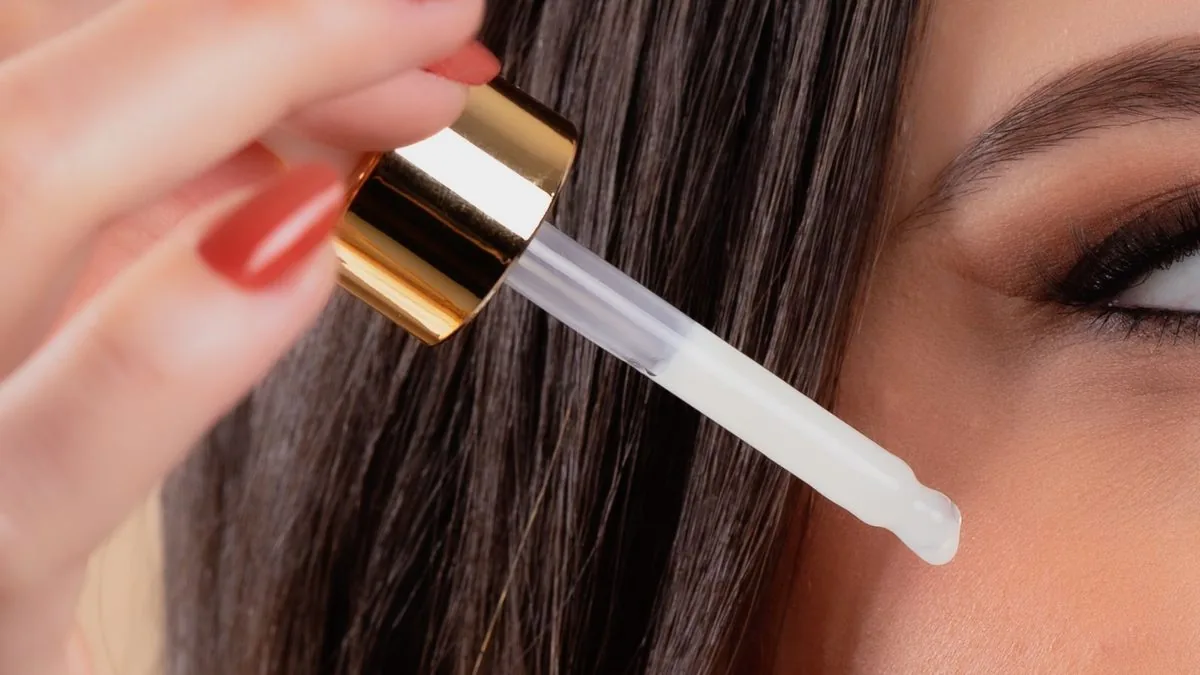

Skin flooding is the hydration technique behind one of the most talked-about skincare routines of 2027: layer several thin, water-based products onto skin that is still damp, then seal everything in with moisturiser. The name sounds dramatic, but the method is calm and practical. There is no hero product and no ten-step ritual. The trick is the order, the damp skin and the seal.
If your skin feels tight after cleansing, looks dull by mid-afternoon, or shows fine lines that vanish after moisturiser, the problem is often dehydration, not dryness. Dehydrated skin lacks water, not oil, and it can affect oily skin as much as dry skin. Flooding addresses that gap by giving the skin water in layers.
This guide explains what skin flooding is, how it works, how to do it, who it suits and who should keep it light, plus the ingredients that matter and the mistakes that undo the benefits.
Key takeaways
- Skin flooding means layering thin, water-based hydrating products onto damp skin, thinnest first, then sealing them in with moisturiser.
- Humectants such as hyaluronic acid and glycerin bind water best when the skin is already damp, and a moisturiser stops that water evaporating.
- Three or four light layers are enough; more layers usually cause pilling, stickiness and wasted product.
- Dehydrated, tight or dull skin benefits most, including oily skin that feels tight underneath, while very dry skin still needs a richer cream.
- Keep exfoliating acids and retinoids out of the flooding stack, and give the routine two weeks before judging it.
What skin flooding actually is
Skin flooding is a layering method, not a product you can buy in a bottle. You apply several lightweight hydrating products one after another onto skin that is still slightly damp after cleansing, working from the thinnest texture to the thickest, and you finish with a moisturiser. A typical flood runs from a hydrating toner or essence, to a humectant serum, to a moisturiser that locks the water in.
The idea grew out of Korean skincare, where layering hydrating toners has been normal for years, and it spread through social media in 2024 and 2025. The American Academy of Dermatology describes it plainly as rapid layering of multiple hydrating products, or repeated layers of one product, onto damp skin. It needs no new ingredient, just a way of applying familiar ones so they have more water to work with.
Skin flooding is not a treatment for acne, pigmentation or wrinkles, and it is not a replacement for sunscreen, a cleanser or a moisturiser. It is a hydration strategy: skin that looks plumper, feels more comfortable and holds makeup more evenly.
How skin flooding works
The science is straightforward once you understand three types of ingredient. Humectants attract and hold water. Emollients soften the skin by filling the tiny gaps between skin cells. Occlusives form a light barrier that slows water loss from the surface. A good flooding routine uses all three in order: humectants to bring water in, emollients to smooth the surface, and a moisturiser to keep the water there.
Damp skin is the part people skip, and it is the part that does the most work. Humectants such as hyaluronic acid, glycerin and panthenol need a water source to bind to. Applied to dry skin in a dry room, a humectant can draw moisture from the deeper layers of your own skin instead, which is the opposite of what you want. Applied to damp skin, it grabs the water on the surface instead, and that water stays where it makes skin look plump.
The seal is the second half of the method. Water on the skin evaporates quickly, especially in heated rooms and cold winter air. A moisturiser slows that evaporation, and ceramide-rich formulas also help repair the skin barrier, the outer layer that keeps moisture in and irritants out. Without the seal, a flood is just a wet face for five minutes.
How to do skin flooding, step by step
A full flood takes about five minutes once you know the order, and it works best in the evening, when you can let each layer settle. Mornings work too, with a lighter seal and sunscreen on top. Keep each layer thin, press products in with your palms, and move on while the previous layer is still slightly tacky.
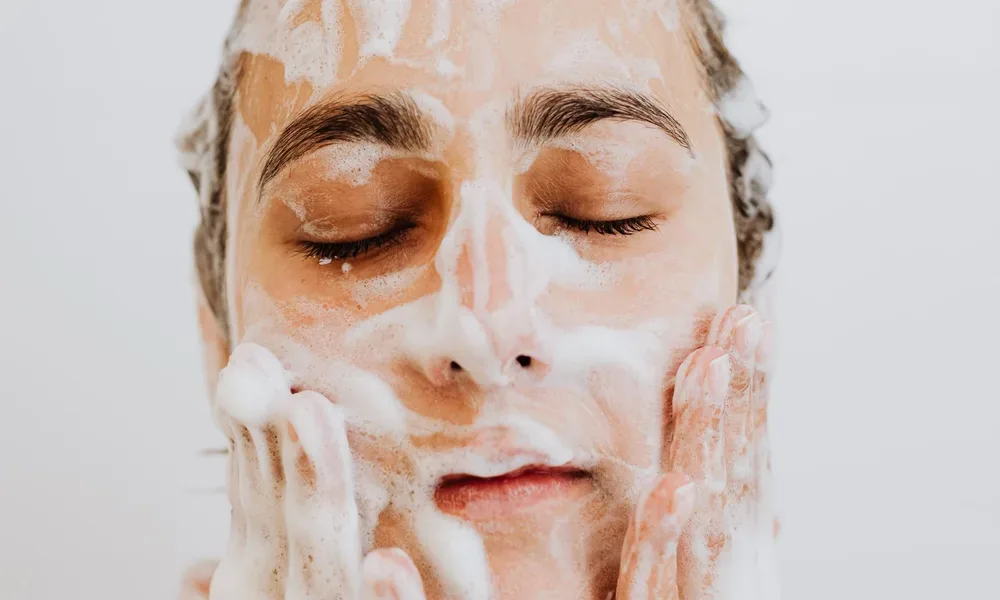
Step 1: Cleanse gently. Wash with lukewarm water and a gentle cleanser for thirty to sixty seconds. Hot water and harsh, foaming cleansers strip the skin and work against everything that follows.
Step 2: Leave the skin damp. Pat your face lightly so it is damp, not dripping. If it has dried, mist it with plain water or a facial mist. This is the step the whole routine depends on.
Step 3: Apply a hydrating toner or essence. Press a watery toner or essence into the skin with your palms, one or two thin layers. Look for glycerin, hyaluronic acid or panthenol, and avoid exfoliating toners here.
Step 4: Add a humectant serum. Smooth two or three drops of a hyaluronic acid or glycerin serum over the damp skin. The best hydrating serums for this step are light, fragrance-free and water-based, and they absorb quickly without a sticky film.
Step 5: Add a soothing layer only if you need it. If your skin is sensitive or stressed, a serum with panthenol, centella or beta-glucan can calm it before you seal. This step is optional; if your skin is comfortable, skip it.
Step 6: Seal with moisturiser. Finish with a moisturiser suited to your skin type: a light gel-cream for oily or combination skin, a richer ceramide cream for dry skin. In the morning, follow with sunscreen. At night, very dry skin can add a thin balm over the moisturiser, but skip it on areas prone to breakouts.
Skin flooding at a glance
| Step | What to use | Key ingredients | Amount |
|---|---|---|---|
| 1. Cleanse | Gentle cream, milk or gel cleanser | Glycerin, ceramides | One pump, 30 to 60 seconds |
| 2. Dampen | Facial mist or plain water | Water, glycerin, aloe | Two or three spritzes |
| 3. Hydrating toner | Watery toner or essence | Glycerin, hyaluronic acid | One or two thin layers |
| 4. Humectant serum | Hyaluronic acid serum | Sodium hyaluronate, glycerin | Two or three drops |
| 5. Soothing serum | Calming serum (optional) | Panthenol, centella | Two or three drops |
| 6. Moisturiser | Gel-cream or ceramide cream | Ceramides, squalane | A pea-sized amount |
| 7. Sunscreen (AM) | Broad-spectrum SPF 30+ | UV filters | Two finger-lengths |
Who skin flooding suits best
Dehydrated skin is the clearest winner. If your skin feels tight after washing, looks dull by the afternoon, or shows fine lines that disappear when you moisturise, flooding is built for you. It suits oily and combination skin particularly well, because water-based layers add hydration without the heavy film rich creams leave behind.
It also suits skin stressed by the season or the environment: winter heating, long flights, air conditioning, or a barrier that feels sensitive after too much exfoliation. Mature skin benefits too, because the skin loses some of its natural water-binding capacity with age, and light layers are easier to tolerate than one heavy cream. The skin barrier guide on this site explains how that outer layer works and why protecting it matters as much as adding moisture.
Most skin types can flood daily, morning or night, once the routine is settled. Start during a dry spell, when the benefit is easiest to see: less tight, less dull skin by evening is the sign it is working.
Who should keep it light, and the risks to know
Skin flooding is low risk for most people, because it uses familiar ingredients rather than new or exotic ones, but it is not risk-free. The main risk is overdoing it. Too many layers, or layers that are too rich, can clog pores, trap oil and dead skin, and lead to breakouts, especially on acne-prone skin. Keep the layers thin, choose non-comedogenic formulas, and skip any extra balm on breakout-prone areas.
There is also an honest gap in the evidence: no published trial has tested skin flooding as a complete routine, and dermatology guidance notes it is largely social media-driven, with limited clinical evaluation. The support sits with the individual ingredients, which have solid evidence behind them, even though the viral claims are not backed by data on the trend itself.
A few groups should be cautious. With active breakouts, flaring eczema, rosacea, or skin that stings, start with one hydrating layer and a gentle moisturiser, and patch test each new product first. In a hot, humid climate, you may need fewer layers, not more, because the air already supplies moisture and heavy layering can feel sticky and encourage congestion.
Common mistakes that undo the benefits
The most common mistake is flooding with actives. Layering exfoliating acids, vitamin C or retinoids into the same damp stack multiplies irritation, because damp skin absorbs more of everything. Keep actives in their own step, on different nights, and let flooding be the gentle part of your routine. The second mistake is using too much product: five layers of essence usually end in pilling and wasted serum, while three polite layers outperform seven rushed ones. The third is starting on dry skin, and the fourth is skipping the moisturiser, which lets the water evaporate within minutes. Finally, do not judge the routine after one night; skin needs about two weeks of consistent use to show whether extra hydration is helping.
Your skin flooding checklist
- Cleanse gently with lukewarm water and leave the skin damp, not dripping.
- Layer thinnest to thickest: toner or essence, then humectant serum, then moisturiser.
- Use two or three drops of serum and a pea-sized amount of moisturiser.
- Seal every flood with moisturiser, and add sunscreen in the morning.
- Keep exfoliating acids and retinoids out of the flooding stack.
- Give it two weeks, then keep what works and drop the rest.
Frequently asked questions
What is skin flooding in simple terms?
Skin flooding is layering several thin, water-based hydrating products onto damp skin, thinnest first, then sealing them in with moisturiser. The damp skin gives humectants such as hyaluronic acid water to bind to, and the moisturiser stops that water evaporating.
How often should you do skin flooding?
Most people can flood once a day, usually at night, and many do it morning and night during dry or cold weather. Start with one flood a day for two weeks. If your skin feels congested or sticky, cut back to three or four nights a week and use fewer layers.
Can oily skin do skin flooding?
Yes, and oily skin is often a good candidate, because oily skin can still be dehydrated underneath. Choose light, water-based, non-comedogenic layers and a gel-cream moisturiser rather than a rich cream. The best moisturisers for dry skin are richer formulas for dry skin, so oily skin should look for lighter gel textures instead and skip any extra balm.
How long does it take to see results from skin flooding?
Surface plumping and comfort can appear within a few days, because the upper layers of skin hold more water almost immediately. Deeper improvements, such as less tightness through the day, usually take one to two weeks of consistent use.
Can you use retinol or vitamin C with skin flooding?
Yes, but not in the same stack. Use actives on separate nights or at a different time of day, and keep the flooding routine gentle. A retinoid or exfoliating acid on damp, freshly flooded skin absorbs more and irritates more, so flood on the recovery nights in between.
Do you need expensive products for skin flooding?
No. The technique matters far more than the price tag, and a basic humectant serum, a simple hydrating toner and a plain moisturiser handle flooding well. Luxury versions offer better texture, scent and packaging, not better hydration.
The bottom line
Skin flooding is a simple idea done properly: add water in thin layers while the skin is damp, then seal it in. It suits dehydrated, tight or dull skin best, including oily skin that feels tight underneath, and it asks for three or four light products. The evidence supports the ingredients, even if no trial has tested the full routine, so judge it by your own skin over two weeks. Start light, keep the seal, keep actives separate, and drop any layer that adds nothing.
Note: This article is for general information only and is not medical advice. If you have a skin condition, persistent irritation, or a product that stings or breaks you out, stop using it and speak to a dermatologist.