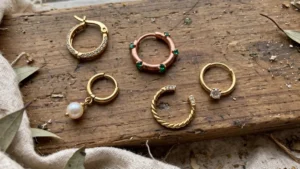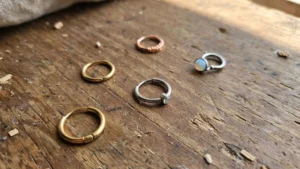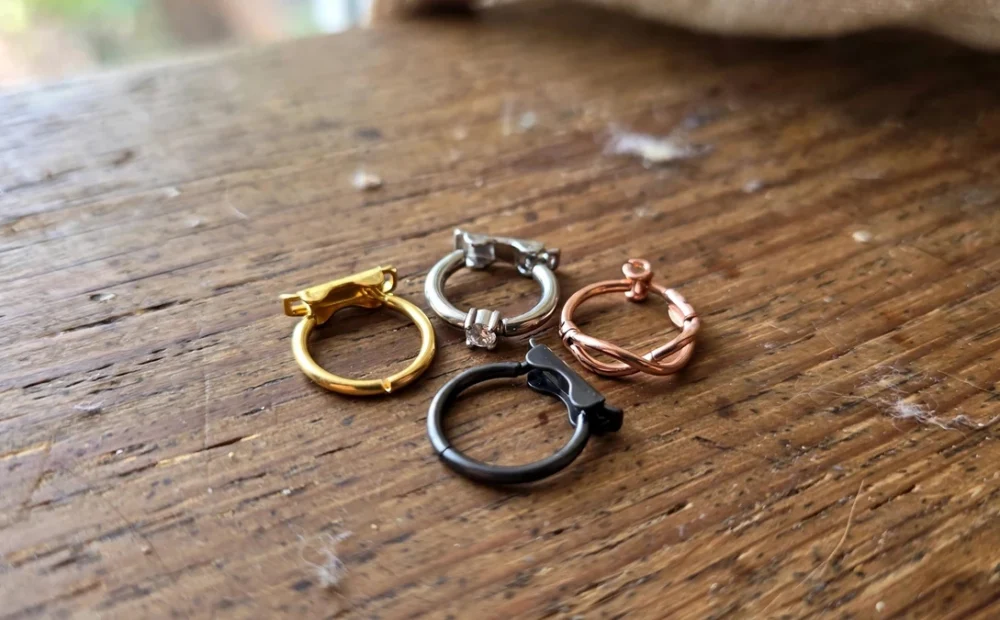

How to Wear a Toe Ring 2027
A toe ring is a small detail, but wearing it well takes a little more thought than slipping it on and hoping for the best. The right fit, the right shoes, and the right metal can make it look effortless. The wrong fit, the wrong shoe, or a ring that fights with the rest of your jewellery can make it look like an afterthought, or worse, leave you uncomfortable by lunchtime.
The good news is that the rules are simple, and once you know them, a toe ring becomes one of the easiest pieces of jewellery to wear. It needs no matching set, no special occasion, and no bold outfit to justify it. It works with a plain white dress, with denim shorts, with a wedding outfit, and with nothing more than a swimsuit and a beach towel. The trick is to treat it as part of the outfit, not as a separate decoration.
Below are nine practical tips for wearing a toe ring in 2027, from measuring your toe properly to matching your metal, caring for the ring after a day at the beach, and knowing when to take it off. Each tip is written to help you wear a toe ring comfortably all day, and to make it look like it belongs.
Key takeaways
- Measure your toe at the end of the day, when feet are slightly swollen, and choose a ring that slides on easily but does not twist or slip off.
- Wear a toe ring with open shoes, and choose a slim, smooth band if you need to wear closed shoes at all.
- Match the metal of your toe ring to your other jewellery, and let one piece be the statement while the others stay quiet.
- Take your toe ring off before swimming, sport, and any activity where your feet swell, and clean it after beach days.
- No toe ring suits every foot or every outfit, and a ring that pinches, rubs, or marks your skin is the wrong size or the wrong metal, not a sign to push through it.
What wearing a toe ring actually involves
Wearing a toe ring means wearing a small band of metal around a toe, usually the second toe, for part or all of the day. It is not like wearing a finger ring. Your feet swell in heat, they sweat inside shoes, they walk thousands of steps a day, and they are pressed from above by straps and uppers. A toe ring has to cope with all of that, which is why fit matters more than design, and why a ring that feels perfect in the morning can feel tight by the afternoon.
The best toe rings are the ones you forget about. They sit flat, they do not catch on socks or straps, and they do not press into the skin when you walk. If you are aware of your toe ring all day, something is wrong, and it is usually the size, the width, or the metal. A ring that is too tight will leave a mark. A ring that is too loose will slide and twist. A ring in the wrong metal can irritate the skin, especially in heat and humidity.
It also helps to think about when you wear it. A toe ring is a warm-weather piece for most people, worn with sandals, sliders, and bare feet. In winter, it spends most of its time hidden inside boots and trainers, where it can rub. There is nothing wrong with wearing one all year, but a slim, smooth band is the only sensible choice for closed shoes, and many people simply save their toe rings for spring and summer.
How we chose these tips and what to look for
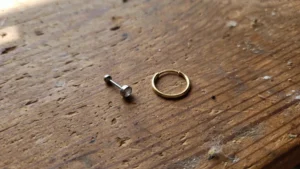
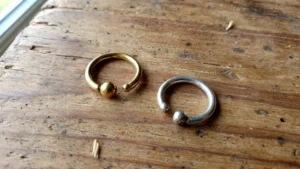
Look first at fit, because everything else follows from it. A toe ring should slide on without forcing and sit snugly enough that it does not twist when you walk. If you can spin it freely around your toe, it is too loose. If it leaves a deep mark after an hour, it is too tight. Measure at the end of the day, when your feet are at their largest, and if you are between sizes, go up. An adjustable band is a good way to learn your size before you commit to a fixed ring.
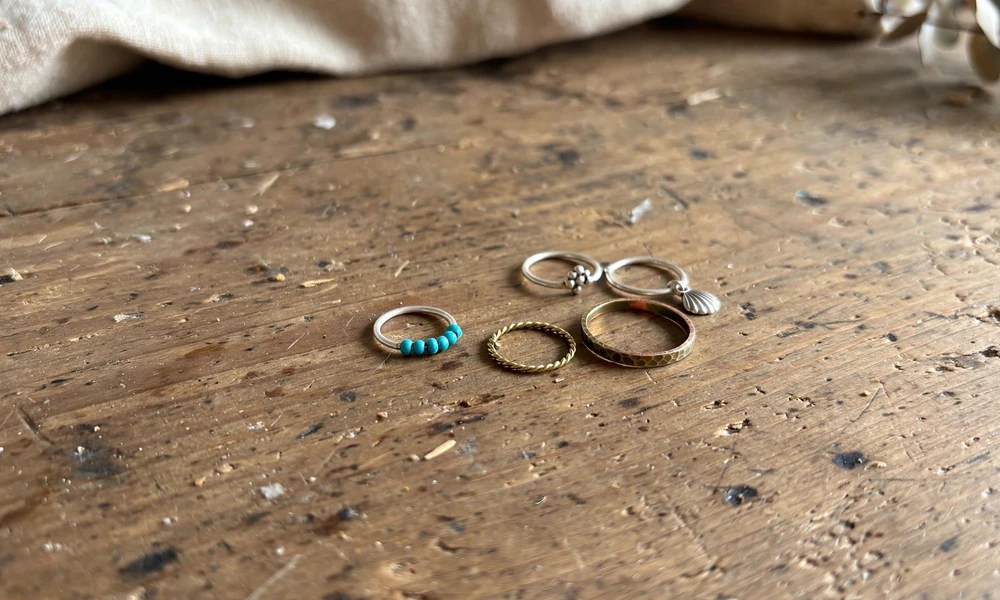
Look next at your shoes. Open sandals show a toe ring best, and they give it room to breathe. Strappy sandals work well, as long as a strap does not sit directly over the ring and press it into the toe. Flip-flops and sliders are the simplest pairing, because nothing presses on the ring at all. Closed shoes are the hardest pairing, and only a slim, smooth band works under them. Our guide to beach anklets covers the same warm-weather logic, because an anklet and a toe ring are usually worn together, and the same rules about fit, metal and occasion apply to both.
Finally, look at the rest of your jewellery. A toe ring should match the metal of your other pieces, or at least sit comfortably alongside them. Gold with gold, silver with silver, and one statement piece at a time. If your toe ring is the star, keep your anklet simple. If your anklet is bold, keep your toe ring plain. The eye needs one place to land.
The 9 ways to wear a toe ring in 2027
Measure your toe first
What we like: A paper strip and a size chart take two minutes and save you the cost of a ring that does not fit. What to consider: Feet swell through the day, so a morning measurement can be a size too small. Best for: First-time buyers. Cost: Free. Time needed: Two minutes.
Choose the right fit: snug, not tight
What we like: A snug ring stays put, does not twist, and feels like nothing at all after a few minutes. What to consider: A ring that is too tight will pinch by midday, and a ring that is too loose can slip off in the sea. Best for: All-day wear. Cost: Nothing extra. Time needed: A few minutes of trying it on and walking around.
Pick the metal that suits your skin
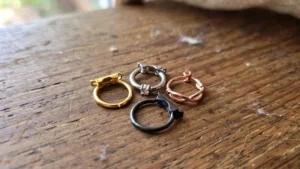
What we like: Solid gold, sterling silver and platinum rarely irritate skin, even in heat and humidity. What to consider: Plated and costume metals can mark the skin green and fade fast with daily wear. Best for: Sensitive skin and daily wear. Cost: $30 to $180 depending on the metal. Time needed: No extra time, just a better choice at the till.
If a ring has ever turned your skin green, the metal was the problem, not your skin. Switch to solid metal and the problem usually disappears.
Wear it with the right shoes
What we like: Open sandals, sliders and flip-flops show a toe ring clearly and give it room. What to consider: A strap that sits over the ring can press it into the toe, and closed shoes can rub a wide or stone-set band. Best for: Warm days and holidays. Cost: Nothing extra. Time needed: A minute to check the straps before you leave the house.
Try the ring with the shoes you plan to wear, not just bare feet. A ring that looks perfect barefoot can feel very different under a sandal strap.
Match it to your other jewellery
What we like: Matching the metal of your toe ring to your earrings, bracelet and anklet makes the whole outfit look considered. What to consider: Mixing metals can work, but it needs confidence, and a toe ring is a small place to start experimenting. Best for: Polished, put-together looks. Cost: Nothing extra. Time needed: A minute in front of the mirror.
Keep it simple. If your toe ring is gold, wear gold. If your anklet is the statement piece, keep the toe ring plain. One focal point is enough.
Start with one, then stack
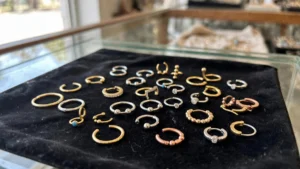
What we like: One toe ring is classic and easy; adding a second on another toe, or a double-band ring, gives a styled, layered look. What to consider: Two rings on the same toe can rub, and stacking works best when one ring is plain and the other has the detail. Best for: Anyone who likes layered jewellery. Cost: $25 to $100 for a second ring. Time needed: A few minutes to try the combination.
Keep it simple for daytime, dress it up for evenings
What we like: A slim band is perfect for daytime, errands and the office, while a stone-set or pearl ring suits evenings, weddings and dinners. What to consider: A large stone can feel heavy by the end of a long day, and it can catch on fabric. Best for: People who wear toe rings from morning to night. Cost: Nothing extra. Time needed: A minute to swap rings before you go out.
Care for it after beach and pool days
What we like: Warm water and mild soap, then a good dry, keep a toe ring bright and comfortable. What to consider: Salt water and chlorine dull plated metal, loosen stones, and can irritate the skin under the ring. Best for: Holiday wear. Cost: Nothing. Time needed: Two minutes.
Take the ring off before you swim if you can. If you forget, rinse it in fresh water as soon as you are out, dry it properly, and check that any stone is still secure.
Check the fit at the end of the day
What we like: A quick check before bed tells you whether the ring still fits, whether the skin underneath is healthy, and whether a stone is loose. What to consider: Feet swell in heat, and a ring that fit in the morning can feel tight by evening. Best for: Daily wearers. Cost: Nothing. Time needed: One minute.
Which toe ring is right for you
Start with your lifestyle. If you spend your days in sandals, almost any toe ring will work, and you can choose by style. If you spend your days in closed shoes, choose a slim, smooth band in solid metal, and save the decorative rings for weekends and holidays. If you swim or play sport, choose a ring you can take off easily, or leave it at home on those days.
Think next about your skin. Sensitive skin needs solid metal, and it needs a ring that does not trap moisture. If you have ever reacted to costume jewellery, do not buy a plated toe ring for daily wear, however pretty it is. Solid gold or sterling silver costs more, but it is the difference between a ring you wear and a ring you abandon. A delicate pearl necklace follows the same logic, because pearls and solid metals are both gentle choices for sensitive skin, and they sit well together in a soft, classic outfit.
Finally, think about your budget. A good everyday toe ring in solid metal costs less than a pair of good sandals, and it will last longer. A plated ring costs very little, but it will fade, and you will replace it. Buy the best everyday ring you can afford, and add the fun, inexpensive ones later, once you know your size and your style.
The caveats that matter
A toe ring is a low-risk piece of jewellery, but it is not risk-free. If you have diabetes, poor circulation, or a foot condition, a ring that presses on a toe can cause problems that are hard to notice, so check with your clinician before wearing one regularly. If you have a cut, a blister, or an ingrown toenail, leave the ring off until the skin has healed, because metal can trap moisture and slow healing.
| Detail | What is known |
|---|---|
| Best toe to wear it on | The second toe suits most people; the big toe suits wider, flatter bands |
| Best fit | Snug enough to stay put, loose enough to slide on without forcing |
| Best shoes | Open sandals, sliders and flip-flops; slim bands only under closed shoes |
| Best metal for sensitive skin | Solid gold, sterling silver or platinum; avoid nickel-heavy costume metals |
| When to take it off | Before swimming, sport, and if the toe swells, hurts, or the skin breaks |
| How to clean it | Warm water and mild soap, dried well; polish silver occasionally |
| Who should check first | Anyone with diabetes, poor circulation, or a foot condition should ask a clinician |
| What it does not do | It does not suit every shoe, every outfit, or every foot, and that is fine |
If a toe ring ever feels painful, take it off. Do not push through it. A ring that hurts is telling you something, usually that the size or the metal is wrong. Cool water and a little soap will usually help a tight ring slide off, and a day without it will usually settle the skin.
Checklist: wearing a toe ring well
Use these checks each time you put a toe ring on, and again at the end of the day.
- Measure your toe at the end of the day, and size up if you are between sizes.
- Check the ring slides on easily, sits snugly, and does not twist when you walk.
- Wear it with open shoes, and only a slim, smooth band under closed shoes.
- Match the metal to your other jewellery, and let one piece be the statement.
- Take it off before swimming, sport, and any activity where your feet swell.
- Clean it after beach days, dry it well, and check the skin underneath before bed.
Frequently asked questions
Which toe should I wear a toe ring on?
The second toe is the most common choice, because it is usually the longest and the easiest to fit. The big toe suits a wider, flatter band. Try both and choose the one that feels comfortable and looks balanced with your sandals.
Can I wear a toe ring every day?
Yes, if it is a slim, smooth band in solid metal and it fits well. Take it off before swimming, sport, and any activity where your feet swell or get knocked, and check the fit at the end of the day.
Can I wear a toe ring with closed shoes?
A slim, smooth band can be worn under closed shoes, but a wide or stone-set ring will usually rub. If you wear trainers or boots most days, save the decorative rings for days in sandals.
Will a toe ring turn my skin green?
It can, if the metal contains copper or nickel and reacts with sweat. Solid gold, sterling silver and platinum rarely cause this. If a ring marks your skin, switch to solid metal and keep the toe clean and dry.
How do I stop my toe ring from sliding off?
Choose a snugger size, or an adjustable band that you can close slightly. Avoid wearing a loose ring in the sea or a pool, where it can slip off unnoticed. A statement necklace is a safer place for drama on a beach day, because it stays visible and stays put.
Can I wear a toe ring to a wedding?
Yes, and it is a lovely detail for a summer wedding, especially for the bride or a bridesmaid in open sandals. Choose a pearl or a small stone, keep the metal matched to your other jewellery, and make sure the fit is comfortable for a long day.
The bottom line
Wearing a toe ring well comes down to three things: a fit that is snug but not tight, shoes that give it room, and metal that matches the rest of your jewellery. Get those three right, and a toe ring looks effortless, whether you are on a beach, at a wedding, or simply walking to the shops in sandals.
Start with one good ring in solid metal, learn your size, and wear it for a few weeks before you buy more. Once you know what fits and what you reach for, you can add a second ring, a stone, or a stacked look. That is the honest way to wear a toe ring, and the way to make a very small piece of jewellery do a lot of work.