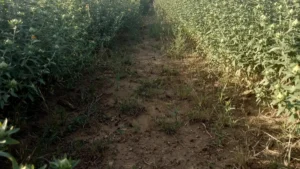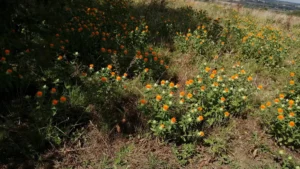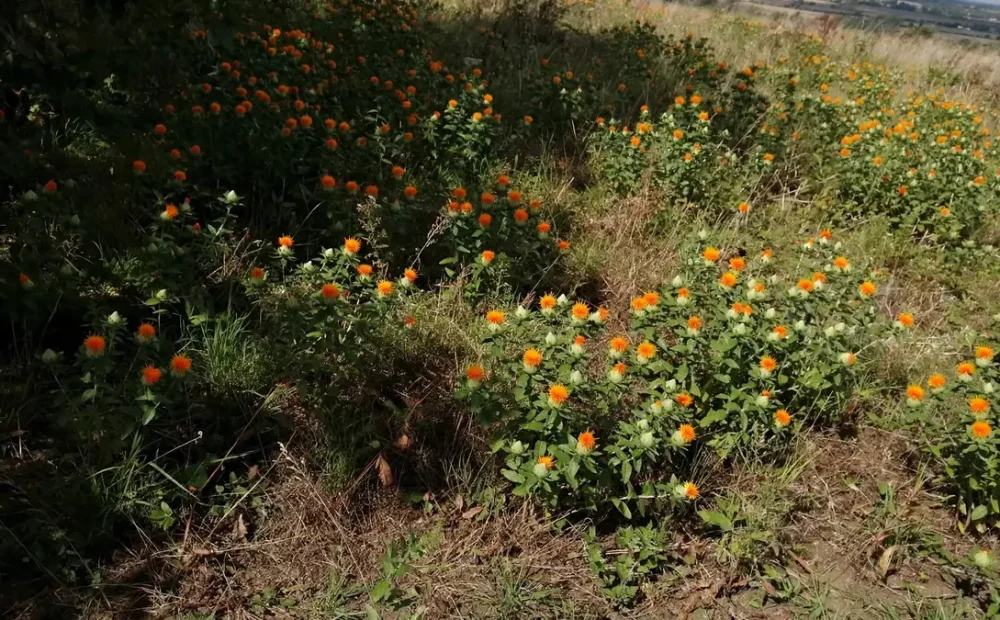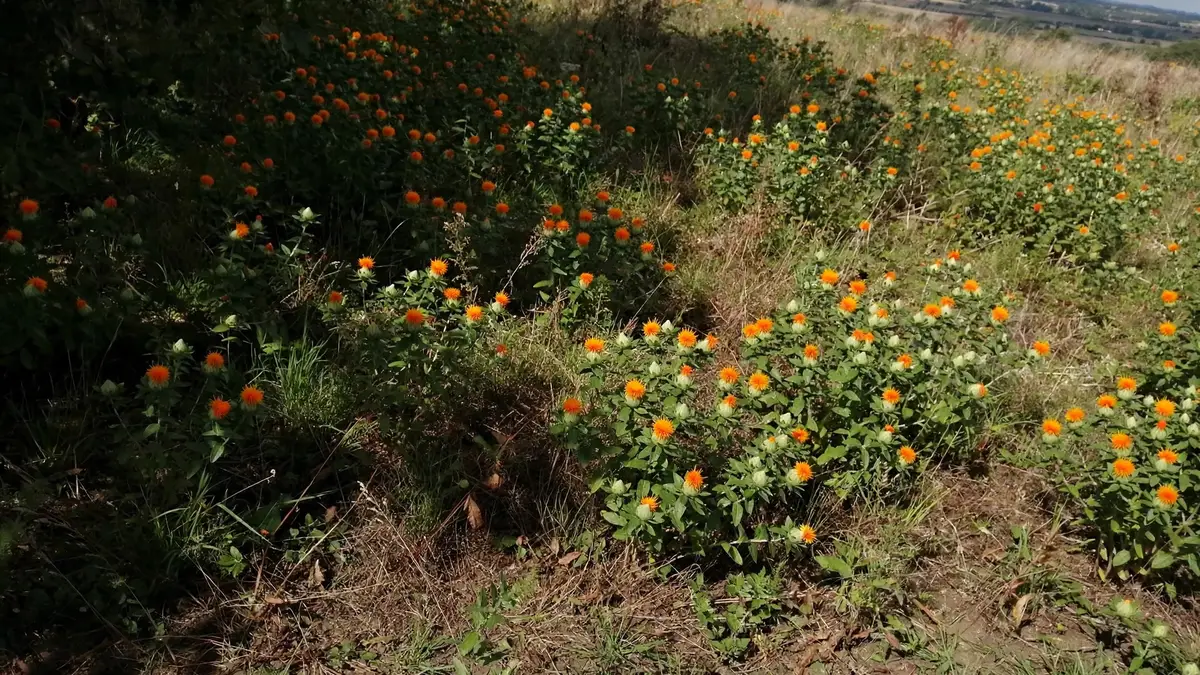
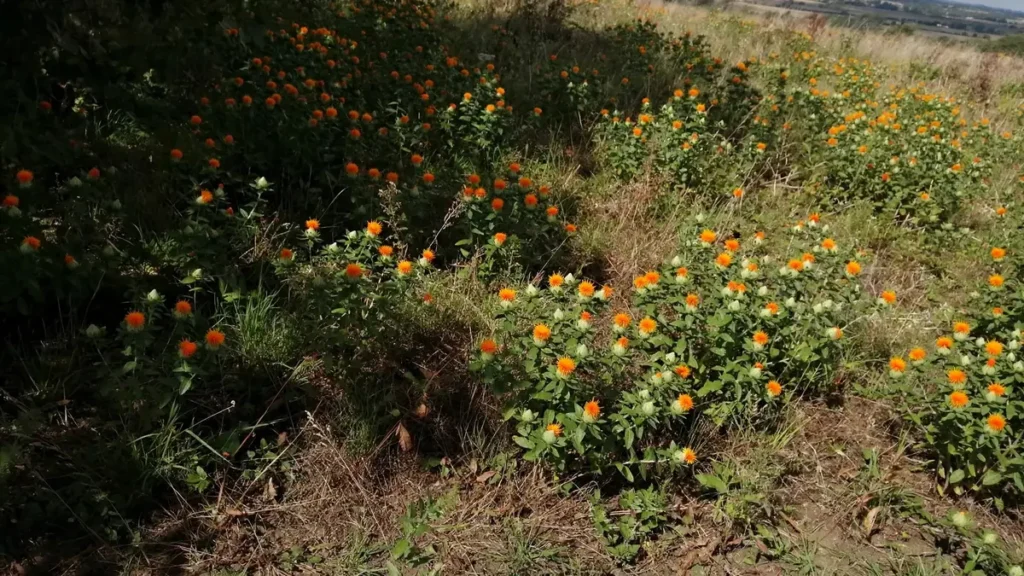
Safflower is a thistle with a trick: its orange flower heads yield both a cooking oil and a dye, and a farm stay built around it gives you two harvests in one trip — petals in the morning, seed in the autumn. The plant is prickly, the fields are dry, and the work is done by hand, which is exactly why these stays feel different from a vineyard weekend or a lavender farm visit.
The best safflower stays put you in the field at petal-picking time, when the heads are bright orange and the dye vats are warm, and then again at seed harvest, when the dried heads are beaten and the oil is pressed. You sleep in a farmhouse, eat bread dipped in oil pressed that week, and watch cloth take on a safflower red that no synthetic dye quite matches.
This guide gathers nine safflower farm retreats for 2027, from the plains of Konya in Turkey to a hillside farm in Gansu, China. Each entry sets out what the stay does well, where it falls short, and who will enjoy it most, so you can match the farm to the trip you actually want.
Key takeaways
- A safflower farm retreat is a working-farm stay built around two harvests: petals for dye in summer and seed for oil in autumn.
- Bloom timing decides the trip: the orange flower heads are picked for only a few weeks, and the seed harvest comes months later.
- Oil pressed that week and cloth dyed in the farm’s own vats are the signs of a stay that is genuinely farm-led.
- The plants are spiny, so gloves and long sleeves matter more here than on any other farm stay in this series.
- Safflower belongs to the daisy family, so anyone with a ragweed or daisy allergy should check with a doctor before booking.
What a safflower farm retreat actually is
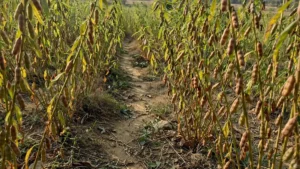
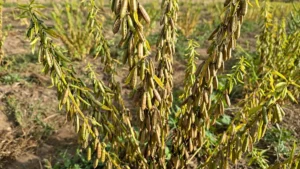
Safflower, or Carthamus tinctorius, is a thistle-like annual grown for its seed and its petals. The flower heads open orange, red or yellow in summer, and each head is picked by hand while the colour is fresh. The petals are dried for dye — carthamin gives a red, and the same petals give a yellow — while the seeds, gathered when the heads dry and brown in autumn, are pressed for a pale, neutral oil. A stay built around both harvests will have a dye vat, a threshing floor and a press. Without those, it is a rural stay with a safflower theme.
The rhythm of the stay follows two calendars at once. Petal picking happens on summer mornings, when the heads are open and the colour is strongest, and the work is quick, light and prickly. Seed harvest comes later, when the plants are cut, dried and beaten so the seed falls free. Between the two, the farm dyes cloth, presses oil and cooks with the seed.
That double harvest is what sets these stays apart from the other farm retreats we have covered. The sesame stays in our sesame farm retreats guide are built around one cutting week, while a safflower stay asks you to choose between the orange bloom and the autumn seed. The cashew stays in our cashew farm retreats guide are about a tropical nut, and safflower is the opposite: a dryland thistle grown where the rain is scarce.
How we chose these stays and what to look for
We looked first at whether safflower is a real crop on the farm, grown at scale. A stay counts here only when safflower fills real fields, not a border strip or a bought-in dye. The best stays grow many acres, and the host can name the variety in the ground and the week the bloom is expected.
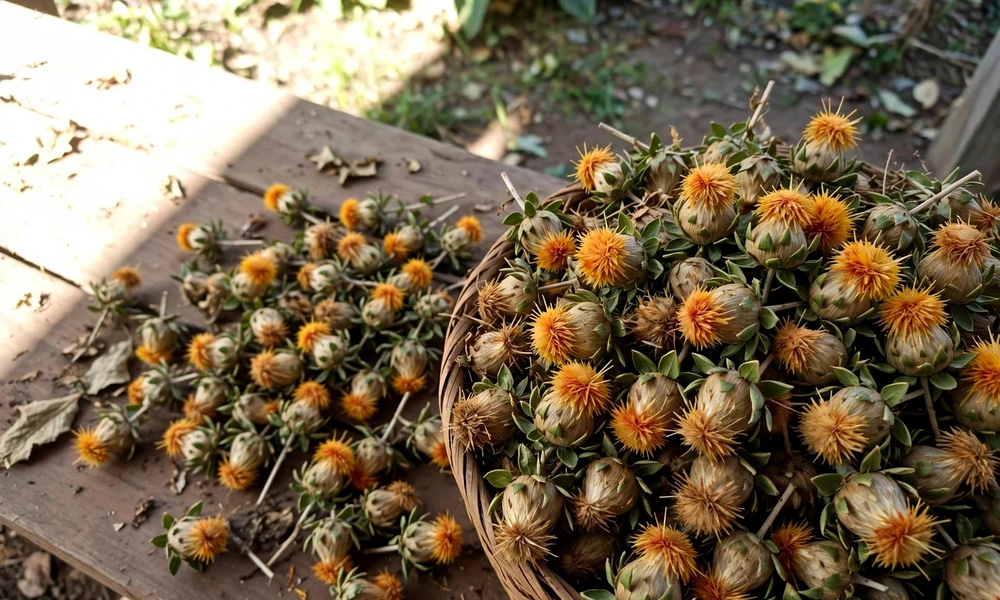
Next we weighed how much of the harvest guests can actually take part in. Petal picking, dyeing, threshing and pressing are the four jobs that make a safflower stay worth the trip, and a stay that offers all four is worth more than one that offers a tour and a tasting. Dyeing matters most: a farm that dyes its own cloth in a safflower vat is showing you the crop properly, while a farm that sells dye kits from bought-in stock is not.
Finally, we judged the rooms and the rates on their own merits. A clean room, steady hot water, a good bed and a silent night matter more than any spa menu. Rates quoted below are per night for two guests, and they include breakfast and at least one harvest activity on every stay listed.
The 9 best safflower farm retreats of 2027
Konya, Turkey — Safflower Plains of Central Anatolia
What we like: A working farm on the Anatolian steppe, with wide safflower fields, petal-picking mornings guests can join, and a dye shed where cloth turns safflower red. What to consider: The steppe is hot and dry, and the farm is a long drive from the nearest town. Best for: First-time visitors who want safflower grown at real scale. Style: Working farm stay. Price range: $90–$125 per night. Standout feature: A dye vat where guests dye a scarf in safflower red.
Konya grows more safflower than almost anywhere else in Turkey, and this farm sits in the middle of it. The bloom runs through the summer, when the fields turn orange and the picking starts at dawn, and the seed harvest follows in the autumn, when the heads dry and the oil is pressed.
Yaqui Valley, Sonora — Irrigated Safflower Rows in the Desert
What we like: A farm in Mexico’s Yaqui Valley, where safflower grows in irrigated rows between desert and sea, with a pressing shed and a kitchen that cooks with the farm’s own oil. What to consider: The desert heat is fierce and the farm is best in the cooler months. Best for: Travellers who want to see irrigation farming in a desert valley. Style: Irrigated valley farm stay. Price range: $135–$170 per night. Standout feature: Oil pressed in the farm’s own expeller and poured warm at lunch.
The Yaqui Valley is one of Mexico’s great irrigated farm regions, and safflower is one of its hardiest crops.
Fort Benton, Montana — Safflower on the Golden Triangle
What we like: A ranch on Montana’s Golden Triangle, with safflower grown between wheat fields, a threshing day guests can join, and a farmhouse that cooks with the seed. What to consider: The prairie wind is relentless and the farm is a long way from anywhere. Best for: Travellers who want big-sky prairie harvests and quiet nights. Style: Prairie ranch stay. Price range: $180–$215 per night. Standout feature: A threshing day where guests beat the dried heads and watch the seed fall.
Montana’s Golden Triangle is wheat country, and safflower is the rotation crop that breaks the cycle.
Ujjain, Madhya Pradesh — Safflower and Temples on the Malwa Plateau
What we like: A farm on the Malwa Plateau, with safflower grown on rain-fed land, a dye yard where the petals colour cloth, and temple towns a short drive away. What to consider: The plateau is hot and the rains can make the tracks impassable. Best for: Food and dye travellers who want safflower oil and safflower red in one trip. Style: Heritage farm stay. Price range: $225–$260 per night. Standout feature: A dye yard where guests watch cloth take on safflower red.
Safflower has been grown on the Malwa Plateau for centuries, for oil and for dye, and this farm keeps both traditions alive.
Shymkent, Kazakhstan — Steppe Safflower Below the Karatau Hills
What we like: A farm on the Kazakh steppe, with broad safflower fields, a dye workshop run by local women, and a stay that puts money directly into the farming community. What to consider: The steppe is windy and the farm is basic by resort standards. Best for: Travellers who want steppe harvests and dye work in one stay. Style: Steppe farm stay. Price range: $270–$305 per night. Standout feature: A dye workshop where guests colour wool with safflower petals.
South Kazakhstan grows safflower on the dry steppe, where the deep taproot finds water other crops cannot reach. The farm’s dye workshop is the heart of the stay: petals picked in the morning become colour on wool by the evening.
Solapur, Maharashtra — Deccan Safflower for Dye and Oil
What we like: A farm in the Deccan, with safflower grown on black cotton soil, a kitchen that fries in the farm’s own oil, and a dye shed that colours cotton for the local weavers. What to consider: Summer heat is brutal here, so the cooler months are the sensible window. Best for: Travellers who want dye and oil in one trip. Style: Deccan farm stay. Price range: $315–$350 per night. Standout feature: Cotton dyed in the farm’s safflower vats and woven by local hands.
The Deccan is safflower country, and Solapur sits in the middle of it.
Williston, North Dakota — Safflower on the Missouri Plateau
What we like: A farm on the Missouri Plateau, with safflower grown between wheat and barley, a seed-cleaning shed guests can tour, and a stay that explains the oilseed business honestly. What to consider: The plateau is windy and the harvest weeks are short. Best for: Travellers who want a working oilseed harvest without any dressing up. Style: Plateau farm stay. Price range: $360–$395 per night. Standout feature: A seed-cleaning shed where the harvest is sorted and graded.
Western North Dakota grows safflower as a rotation crop on the high plains, and this farm shows that scale honestly. The bloom is brief, the threshing is loud and dusty, and the stay is for travellers who want the work, not the postcard.
Anantapur, Andhra Pradesh — Dryland Safflower in Rayalaseema
What we like: A farm in Rayalaseema, with safflower grown on dry red soil, a kitchen that cooks with the farm’s oil, and a stay that pairs the harvest with the region’s temple towns. What to consider: The dry season is hot and the farm is a long drive from the nearest city. Best for: Travellers who want dryland farming and temple towns in one trip. Style: Dryland farm stay. Price range: $405–$445 per night. Standout feature: A kitchen that fries in the farm’s own oil and serves it with safflower petal rice.
Rayalaseema is one of India’s driest farming regions, and safflower survives there because it needs so little water.
Yuzhong, Gansu — Safflower on the Loess Hills
What we like: A farm in the loess hills of Gansu, with safflower grown on terraces, a dye room where the petals colour silk, and a stay that pairs the harvest with the Silk Road towns nearby. What to consider: The hills are steep and the farm is at its best in the cooler months. Best for: Travellers who want safflower dye and loess landscapes in one trip. Style: Hillside farm stay. Price range: $455–$505 per night. Standout feature: Silk dyed in the farm’s safflower vats and dried on the terrace.
Gansu’s loess hills have grown safflower for centuries, for dye and for medicine, and this farm keeps the dye tradition alive. The stay pairs the harvest with the Silk Road towns around Lanzhou, so the trip is as much about the landscape as the crop.
Which safflower region fits your trip
Choose by the harvest you want to join, not by the photos. Konya and Shymkent are the right call if you want safflower at full scale, a working dye vat, and a farm that has been doing this for generations.
Ujjain and Solapur are for anyone who cares about safflower dye and wants to see cloth take on the red properly, while Yuzhong is for travellers who want a hillside stay where the dye work is one part of a bigger landscape. The pecan stays in our pecan farm retreats guide are a useful comparison: pecans are gathered from long-lived trees, while safflower is a single-season annual that is picked, dried and pressed inside a few months.
Season matters more than region. The bloom runs through the summer in the northern hemisphere, and the seed harvest follows in the autumn, so pick the season that serves the harvest you want to join.
The caveats that matter
Safflower belongs to the daisy family, and that is the one rule with no exceptions. People with ragweed, daisy or chrysanthemum allergies can react to the petals and the pollen, and the fields are full of both at bloom time. If you or anyone in your party has that allergy, check with a doctor before booking, and do not assume a farm can keep its fields or its kitchen free of the plant.
| Detail | What is known |
|---|---|
| Best time to go | Summer for the orange bloom; autumn for the seed harvest |
| Who should not book | Anyone with a daisy or ragweed allergy, and anyone who cannot walk uneven field rows |
| What is usually included | Breakfast, one harvest activity, and a farm meal on most stays |
| What costs extra | Transfers, longer harvest days, dyeing workshops and riding trips |
| How physical it is | Petal picking is light work; threshing and pressing are heavier |
| What to pack | Gloves, long sleeves, closed shoes, a hat, and clothes you can ruin |
| How far ahead to book | Two to three months for bloom weeks; the best farms sell out first |
| What it does not offer | A resort stay, a safflower-free kitchen, or a harvest outside the season |
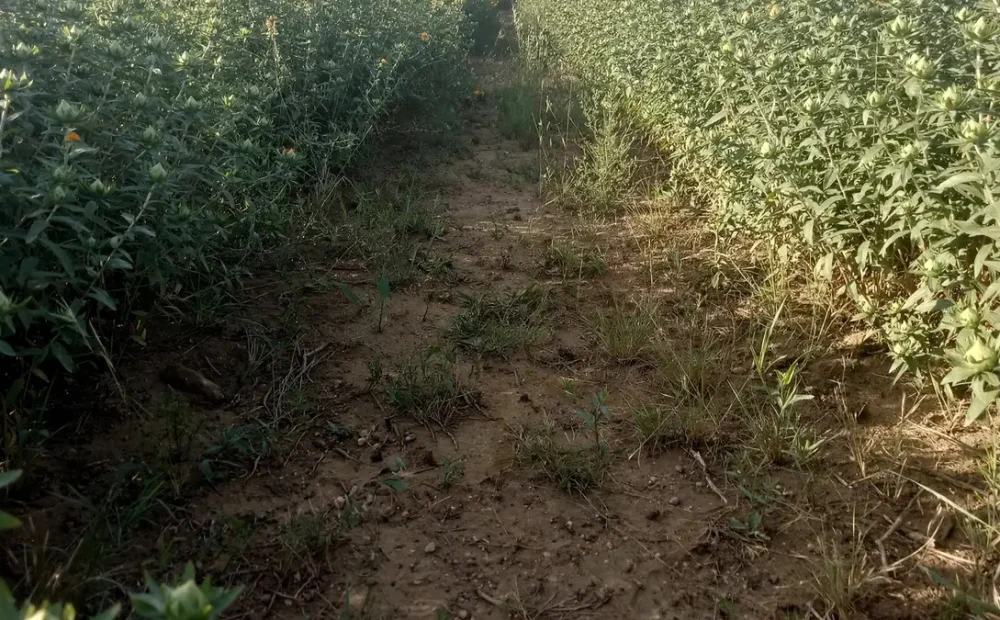
Thorns are the other honest warning. Safflower leaves and bracts are spiny, and picking without gloves is a quick way to spend the afternoon pulling out prickles. Long sleeves and gloves are not optional here.
Checklist: booking a safflower farm stay honestly
Use these checks before you pay.
- Ask for the bloom dates and plan around them, not around the cheapest flight.
- Get a written list of what the rate covers, from breakfast to transfers.
- Ask whether the stay includes dyeing, and what you take home from the vat.
- Judge the room by farm standards: clean, quiet and comfortable will do.
- Mention dietary needs and allergies early, but never expect the farm to be safflower-free.
- Pack gloves, long sleeves, sturdy closed shoes and a change of field clothes.
Frequently asked questions
When is the safflower bloom at its best?
Summer, when the flower heads open orange and the petals are picked for dye. Get the bloom dates from the farm and plan the trip around them.
Can children join the petal picking?
Often yes. Petal picking is safe and easy for children, and dyeing suits older ones, so ask the farm which jobs fit their ages.
Do I need to be fit for a safflower farm stay?
You need to walk uneven field rows and stand for an hour or two, but most farms offer lighter jobs such as dyeing and cooking. Tell the host what you can manage, and they will match you with work that suits.
What food comes from a safflower farm stay?
Bread dipped in oil pressed that week, dishes fried in safflower oil, and rice coloured with the petals, alongside local dishes built around the seed.
How much does a safflower farm retreat cost?
They range from about $90 a night in Konya to about $505 a night at the Yuzhong farm. Breakfast and one harvest activity are usually included in the rate, while transfers are billed on top.
Can I bring safflower oil and dyed cloth home?
Almost always. Most farms sell seed, fresh oil and dyed cloth, and some will pack petals for travel. Check the food import rules at home before you pack any jars.
The bottom line
The best safflower farm retreat in 2027 is the one whose bloom dates match your trip and whose farm grows the crop at scale. Konya and Shymkent are the easy first choice, Ujjain and Solapur are the dye-led choices, and Yuzhong is the polished hillside stay for travellers who want more comfort.
Plan around the bloom, pack gloves and long sleeves, and tell the farm what you can manage before you arrive. Do that, and a safflower farm stay gives you a morning in the orange fields, an afternoon at the dye vat, and a meal made from a crop you helped to bring in.