Hyssop is one of the oldest aromatic herbs in the world, and one of the least understood in perfumery. When it does appear in a fragrance, it is usually tucked into the top or the heart, doing quiet work that is easy to miss and hard to replace.
That obscurity is not an accident. Hyssop oil is potent, camphor-like, and faintly medicinal, and a perfumer who uses too much of it ends up with a scent that smells like a clinic rather than a garden. Used sparingly, though, it brings a cool clarity that few other materials can match.
This guide explains what hyssop is, where it comes from, how it ends up in a bottle, and how to tell it apart from its better-known relatives, wormwood and mugwort.
Key takeaways
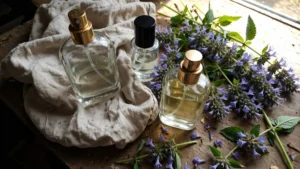
- Hyssop is Hyssopus officinalis, a woody perennial in the mint family, native to the Mediterranean and central Asia, with small blue flowers and a cool, camphor-like, faintly minty scent.
- Its oil is steam-distilled from the flowering tops, and its character comes from pinocamphone and isopinocamphone, balanced by beta-pinene and linalool.
- In perfumery it is a supporting note, used sparingly in the top or heart to add clarity and lift, and it is most at home in green, leather, woody and aromatic floral compositions.
- Hyssop is not wormwood and not mugwort: those two are Artemisia species, while hyssop belongs to a different genus entirely, and the three smell different in a bottle.
- The note can read as medicinal in high doses, so sample a hyssop perfume for a full day before buying, and do not expect the bottle to smell like the herb on its own.
What hyssop is, and where it comes from
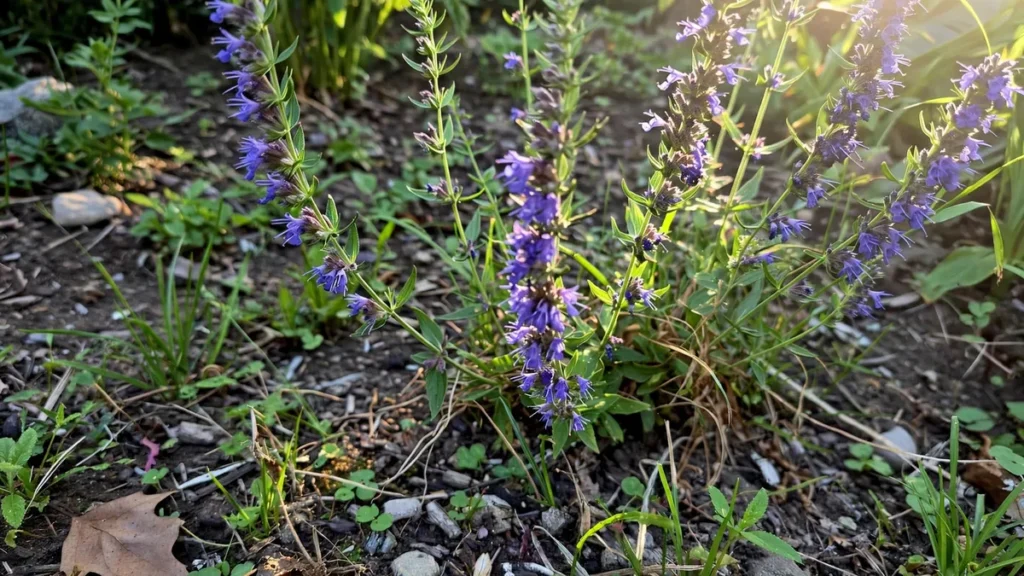
Hyssop, Hyssopus officinalis, is a small woody perennial that grows to about sixty centimetres, with narrow oblong leaves and dense spikes of small blue, pink, or white flowers. It belongs to the mint family, Lamiaceae, which makes it a relative of lavender, rosemary, thyme, and sage, and it shares their aromatic, slightly medicinal character while keeping a profile of its own.
The plant has been valued for far longer than modern perfumery has existed. In the ancient world it was a herb of purification, and its most famous mention is in Psalm 51:7, where the writer asks to be purged with hyssop and made clean. It was also a fixture of medieval monastery gardens, grown alongside sage and rosemary for medicine, cooking, and ritual use.
Outside the church, hyssop found its way into the drinks cabinet. It is one of the herbs used to flavour Chartreuse, the green liqueur made by Carthusian monks, and it has long been used in the colouring of absinthe, where its green tint and bitter herbal character fit the drink’s reputation. Hyssop is not a sweet herb or a soft one. It is a bitter, green, slightly medicinal plant whose charm lies in its clarity, and that clarity is exactly what perfumers borrow from it. Our explainer on what a mugwort perfume is covers a related herb with a very different temperament, and the contrast is a good way to learn what hyssop is not.
How hyssop ends up in a perfume bottle
Hyssop oil is produced by steam-distilling the flowering tops and leaves of the plant, usually at the point when the blue flowers are open and the oil is at its most aromatic. A perfumer works with it in fractions of a percent, adding a drop to sharpen a green accord or to give a floral heart a cooler edge, and the difference between enough and too much is narrow.

The chemistry explains the smell. The oil’s dominant compounds are pinocamphone and isopinocamphone, two ketones that give it the camphor-like, slightly medicinal character that defines the note. Beta-pinene adds a fresh, woody and resinous quality, while linalool, the same compound that softens lavender, brings a gentle floral warmth that keeps the camphor from feeling harsh. Together they produce a scent that is cool and clear at the top and warm and balsamic underneath, which is why hyssop can sit comfortably in both a fresh green opening and a deep woody base.
There is also a gentler version of the plant. Hyssop decumbens, a subspecies, produces an oil lower in pinocamphone and higher in linalool, giving a softer, more floral profile that some perfumers prefer because it blends more easily. Either way, the material arrives in the bottle as an essential oil or an absolute, blended into a composition where it is almost never the loudest ingredient, and that restraint is the point.
Nine facts about hyssop in perfume
Hyssop is named in the Bible as a herb of purification
The best-known mention of hyssop anywhere is Psalm 51:7, where the writer asks to be purged with hyssop and made clean.
What it shows: The purification history explains why the note is so often described as monastic, clean, or ceremonial in fragrance writing. What to consider: The religious association is cultural rather than chemical, so it tells you about the story around the note, not about how it will smell on your skin.
Hyssop flavours Chartreuse and colours absinthe
Hyssop is one of the herbs that gives Chartreuse its bitter, green, herbal character, and it has long been used in the colouring of absinthe, where its green tint and aromatic bitterness fit the drink. Both uses depend on the same qualities perfumers value: a clear, cool, slightly medicinal greenness.
What it shows: The liqueur connection explains why hyssop reads as bitter and green rather than sweet, and why it suits aromatic and herbal compositions. What to consider: A perfume will not smell like Chartreuse, because the note is used in far smaller doses and balanced against florals and woods.
Steam turns the flowering tops into hyssop oil
The oil is produced by steam-distilling the flowering tops and leaves, harvested when the small blue flowers are open. The yield is modest and the oil is concentrated, which is why a little of it goes a long way in a composition and why it is priced as a speciality material rather than a bulk one.
What it shows: The distillation method explains the note’s green, cool character, since the flowering tops carry the freshest and most aromatic part of the plant. What to consider: The strength of the oil is why perfumers dose it sparingly, and why a bottle that lists hyssop rarely smells strongly of the herb itself.
Pinocamphone and isopinocamphone give hyssop its camphor edge
The two ketones pinocamphone and isopinocamphone are the main drivers of hyssop’s smell, producing the camphor-like, slightly medicinal quality that defines the note. Beta-pinene adds woody freshness and linalool adds a gentle floral warmth, and the balance between them is what separates a clean hyssop from a harsh one.
What it shows: What to consider: A note list cannot tell you the dose, so the only reliable test is wearing the perfume for a full day.
Hyssop decumbens is the softer, more floral form of the plant
Hyssop decumbens is a subspecies that produces an oil lower in pinocamphone and higher in linalool, giving a gentler, more floral profile. Some perfumers prefer it because it blends more easily into floral and green compositions without the medicinal edge of the standard oil.
What it shows: The existence of a softer variety explains why some hyssop perfumes smell floral and others smell clinical, even when the note list looks similar. What to consider: Brands rarely say which variety they use, so the subspecies is a useful explanation rather than a buying filter.
Hyssop belongs to the mint family, alongside lavender and rosemary
Hyssop is a member of the Lamiaceae family, the mint family, which also includes lavender, rosemary, thyme, and sage. That family resemblance is real: all of these herbs share an aromatic, slightly camphor-like character, and all of them are used in perfumery to bring freshness and lift to a composition.
What it shows: What to consider: Family resemblance is not identity, and hyssop has a warm balsamic depth that lavender and rosemary do not share.
Hyssop was a fixture of medieval monastery gardens
Medieval monasteries grew hyssop in their herb gardens alongside sage, rosemary, and thyme, using it for medicine, cooking, and ritual.
What it shows: The monastery-garden history is why hyssop is so often described as monastic in fragrance writing, and why it suits scents with a quiet, contemplative character. What to consider: The history is a story, not a guarantee, and a modern hyssop perfume can be as loud as any other bottle.
Hyssop is a modern niche choice, not a classical perfumery staple
Unlike bergamot or lavender, hyssop was never a foundational ingredient of classical perfumery.
What it shows: The modern, niche history explains why hyssop perfumes are mostly found in artisanal and independent houses rather than in mass-market bestsellers. What to consider: Niche does not mean better, and a hyssop perfume should be judged on how it wears, not on how unusual its note list looks.
Hyssop links green herbs to soft lavender
Fragrance writers often describe hyssop as a bridge between the aromatic herb family and the lavender family, because it shares the green, herbal character of the first and the soft, floral warmth of the second.
What it shows: The bridging role explains why hyssop appears in such different families, from green fougères to soft leathers, and why it rarely dominates any of them. What to consider: A bridge note is easy to miss on a first sniff, so give a hyssop perfume a full wearing before deciding what you think of it.
Hyssop, wormwood, and mugwort: telling them apart
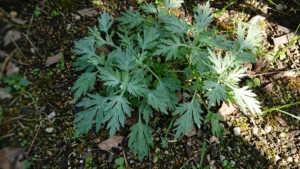
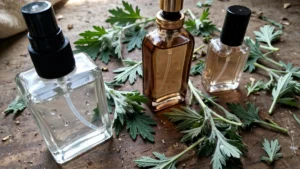
The confusion starts with history. All three herbs appear in old herbal medicine, all three have been used in liqueurs, and all three turn up in niche perfumery as green, slightly bitter, aromatic notes. The difference is botanical before it is olfactory. Wormwood and mugwort are both Artemisia species, Artemisia absinthium and Artemisia argyi, while hyssop is Hyssopus officinalis, a member of the mint family. They are not the same plant, they are not close relatives, and a perfume that lists one does not contain the others.
The smell follows the botany. Wormwood is the sharpest of the three, bitter, absinthe-like, and a little cold, with a green intensity that can dominate a composition. Mugwort is the softest, greener and more tea-like, with a gentle, almost powdery warmth that suits quiet, contemplative scents. Hyssop sits between them, cooler and more camphor-like than mugwort, warmer and more balsamic than wormwood, with a medicinal edge that neither of the other two shares in the same way.
In practice, the three herbs do similar jobs and are rarely interchangeable. A perfumer who wants bite reaches for wormwood, one who wants softness reaches for mugwort, and one who wants clarity reaches for hyssop. Our guide to the best wormwood perfumes shows the sharpest of the three in action, and reading it beside this guide is the fastest way to learn which of the three herbs your nose actually prefers.
The caveats that matter
Hyssop is a well-documented plant with a long history of use, but that history does not make every hyssop perfume an easy wear. The camphor character that defines the note can read as medicinal, and in a high dose it can make a scent feel clinical rather than fresh. The best defence is the same as for any unfamiliar note: sample it, wear it for a full day, and judge it on how it develops rather than how it opens, because hyssop’s cool top and warm, balsamic base can feel like two different scents.
| Detail | What is known |
|---|---|
| Botanical name | Hyssopus officinalis, a woody perennial in the mint family, Lamiaceae |
| Where it grows | Mediterranean hillsides and central Asia, in dry, sunny, rocky soil |
| How the oil is made | Steam distillation of the flowering tops and leaves |
| Key compounds | Pinocamphone and isopinocamphone for the camphor edge, beta-pinene and linalool for warmth |
| Role in a perfume | A supporting note in the top or heart, used sparingly for clarity and lift |
| Closest relatives in scent | Lavender, rosemary, thyme and sage, all fellow members of the mint family |
| What it is not | Not wormwood and not mugwort, which are Artemisia species, not Hyssopus |
| How to test it | Wear a sample for a full day, since the cool opening and the dry base can differ sharply |
There is also a practical caution. Hyssop oil is potent, and the plant has a history of medicinal use that includes stimulating effects in concentrated form. That is not a reason to avoid a perfume, since the dose in a fragrance is far below any medicinal preparation, but it is a reason to treat the note with respect and to patch-test a new bottle if your skin is reactive. The explainer on what a tansy perfume is covers another herb with a strong medicinal history, and the same cautious approach applies to both.
Checklist: smelling a hyssop perfume honestly
Use these checks before you buy, and again after a full day of wear.
- Confirm the note: the brand or a fragrance database should name hyssop or hysope in the pyramid, rather than the word appearing only in advertising copy.
- Check the position: top-note hyssop fades within an hour, heart-note hyssop shapes the middle of the wear.
- Check the relatives: if a bottle lists wormwood or mugwort as well, judge each herb on its own rather than assuming they smell alike.
- Try it properly: a sample worn from morning to night shows how the cool start and the dry finish relate to each other.
- Buy small first: a travel size or a discovery set is the sensible way into a herbal note you have not worn before.
- Judge the juice, not the tale: monasteries, psalms and liqueurs are pleasant stories, but only the scent on your skin decides the purchase.
Frequently asked questions
What does a hyssop perfume smell like?
A hyssop perfume opens cool and herbal, with a camphor-like clarity and a faint minty edge, then settles into something warmer and more balsamic. The herb works as a lift inside the composition, so you notice the freshness it brings rather than a single distinct hyssop smell.
Is hyssop the same as wormwood?
No. Wormwood is Artemisia absinthium and hyssop is Hyssopus officinalis, from a different genus and a different family. Wormwood is sharper, more bitter and more absinthe-like, while hyssop is cooler, more camphor-like, and warmer underneath.
Is hyssop the same as mugwort?
No. Mugwort is Artemisia argyi, another Artemisia species, while hyssop belongs to the mint family. Mugwort is softer, greener and more tea-like, while hyssop is cooler and more medicinal, with a camphor edge mugwort does not have.
Why do so few perfumes list hyssop?
Because it is potent and hard to dose. In small amounts it adds clarity and lift, but in large amounts it turns clinical. Perfumers use it sparingly, and it remains a speciality note of niche and artisanal houses rather than a mass-market staple.
Is hyssop safe in perfume?
Yes, at fragrance doses. The oil is potent in concentrated form and has a history of medicinal use, but the amount in a perfume is far below any medicinal preparation. Patch-test a new bottle if your skin is reactive, as with any new fragrance.
Which hyssop perfume should I try first?
Begin with the most affordable route in, such as a travel size of Angel’s Trumpet, or with Chloé’s Hysope, which puts the herb itself at the centre. Wear either for a full day first, and set it beside a wormwood or mugwort perfume to find out which of the three herbs suits you.
The bottom line
A hyssop perfume is not a bottle of hyssop. It is a composition in which a small, potent, camphor-like herb does quiet work: lifting a green, steadying a floral, or keeping a leather breathing. The herb’s history runs from psalms to monastery gardens to Chartreuse, but what matters in the bottle is simpler, which is whether the cool clarity it brings is something you want to wear.
Learn the note by sampling it, not by reading about it. One full day with a hyssop perfume will teach you more than any note list, because the cool opening and the warm, dry base are two different experiences, and the bottle is only worth buying if you enjoy both of them.