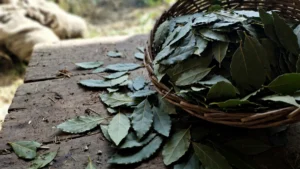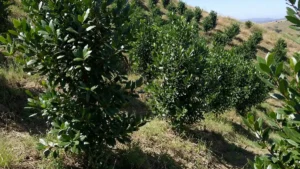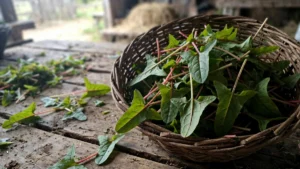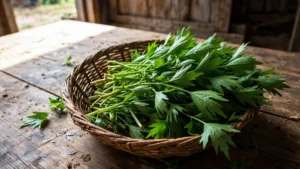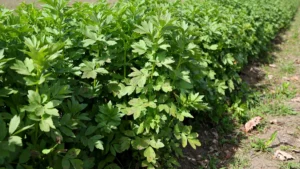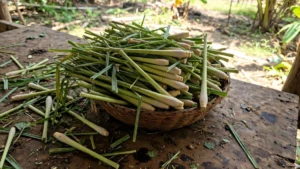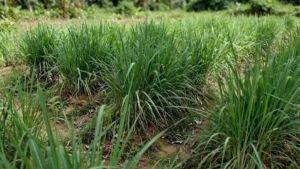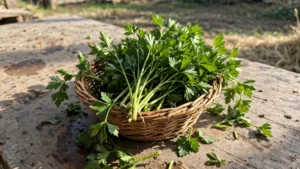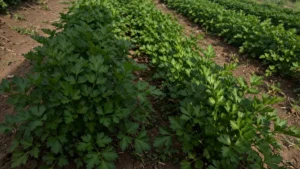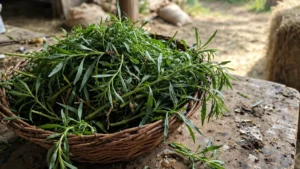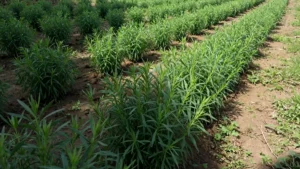

Bay leaf is the quietest herb in the kitchen, and the one most travellers never think to visit. It grows on a slow evergreen tree, its leaves are picked by hand, dried in the shade, and dropped whole into a pot, where they give up a warm, tea-like scent and are fished out again before anyone eats. A bay leaf farm retreat is a few nights on a working laurel grove at picking time, with the leaves going into the stockpot the same evening they were cut, and the drying barn filling while you sleep.
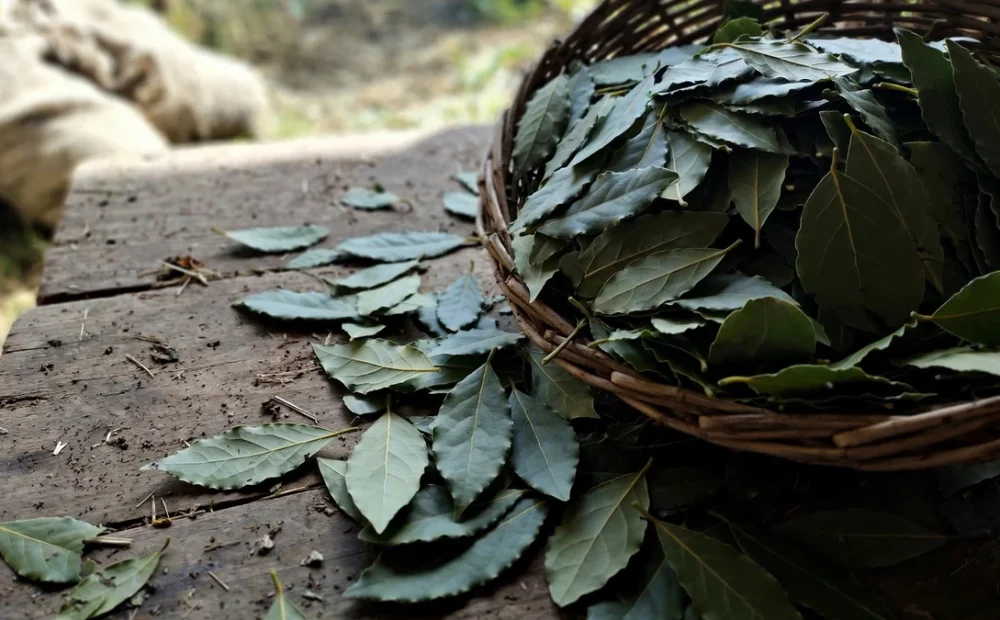
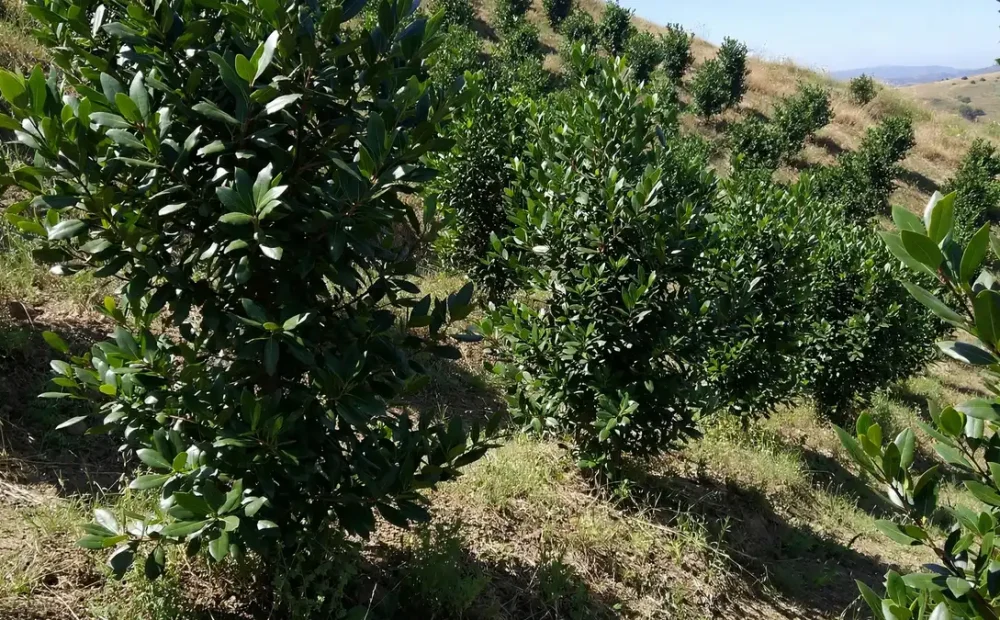
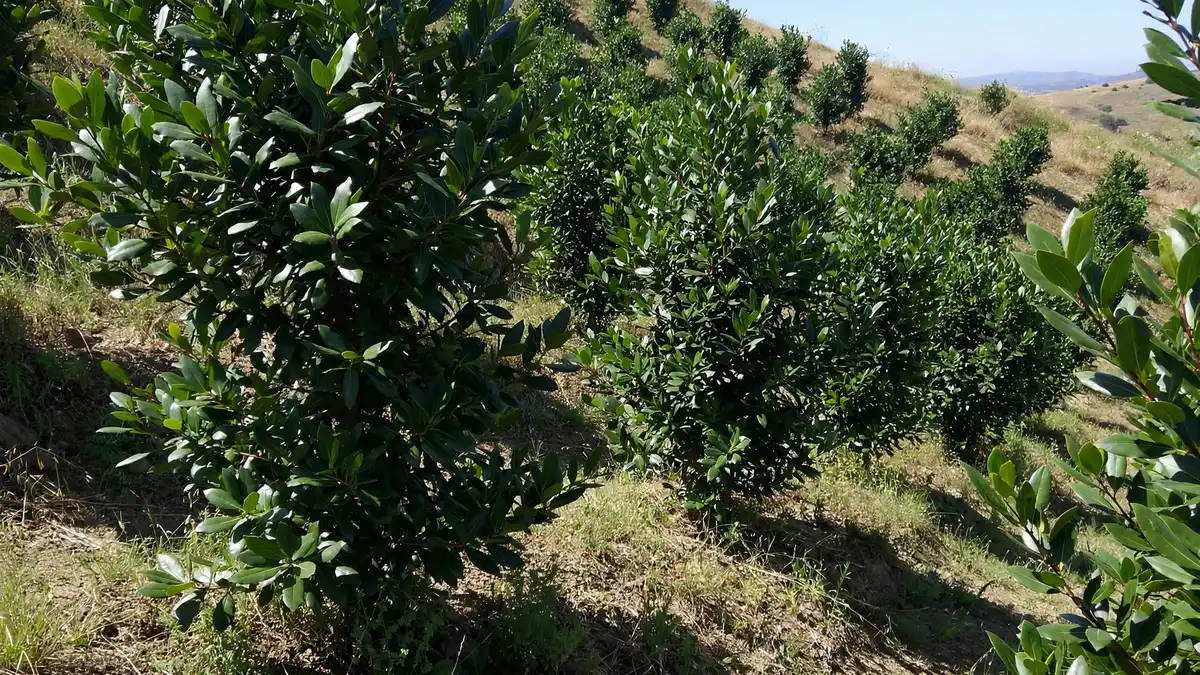
Most people meet bay leaf in a jar, where the leaves are grey-green, brittle, and easy to ignore. Out in the grove it is a different thing altogether. The trees are broad and glossy, the leaves are picked from the top shoots when their oils are strongest, and the drying takes days in cool shade, because sun bleaches the scent out of them. A good stay lets you taste a leaf that was dried properly, and shows you why the fresh leaf, which is bitter and harsh, is never the one that goes into the pot.
Below are nine bay leaf farm stays worth considering in 2027, from a smallholding on the Cilician coast to a rainforest grove on Vancouver Island.
Key takeaways
- Bay laurel is the culinary leaf, and California bay is a different, far stronger plant, so ask which one the grove grows before you book.
- Bay leaves are dried in the shade before they are used, because fresh leaves are bitter and sun-dried leaves lose their scent.
- The picking season is long, but the best leaves come from the top shoots in late summer, when the oils are at their peak.
- Pick a stay by whether you want to see the grove, the drying barn, or the kitchen, because the three happen at different times of day.
- Bay leaf is naturally gluten-free, but farm kitchens bake bread and roll pastry, so check how the kitchen handles flour.
What a bay leaf farm retreat actually is
A bay leaf farm retreat is a stay on a working laurel grove during the picking season, usually three to five nights, with a room on the farm and meals from the farm kitchen. The days are built around the harvest: out with the pickers in the cool of the morning, back to the barn to see the leaves spread on racks to dry, and an evening meal where bay leaf appears in the soup, the stew, and the stock that the region is known for.
The best stays keep numbers small, usually no more than eight guests, because a picking crew cannot work around a crowd. You sleep in a farmhouse room or a converted barn, eat at a long table with the family, and rest through the middle of the day, when the leaves wilt fastest and the shade is the only cool place.
How we picked these stays, and what to ask first
We started with groves that grow bay laurel as a real crop, sold to markets and kitchens, rather than a single tree beside the door for show. Each stay on the list picks its own leaves, dries them in its own barn, and cooks with them every day. We then checked that the grove welcomes guests during the picking season, that the trees are on the farm itself, and that the kitchen can feed a table of strangers well. A farm that cannot do those three things did not make the list, however glossy its trees look in photographs.
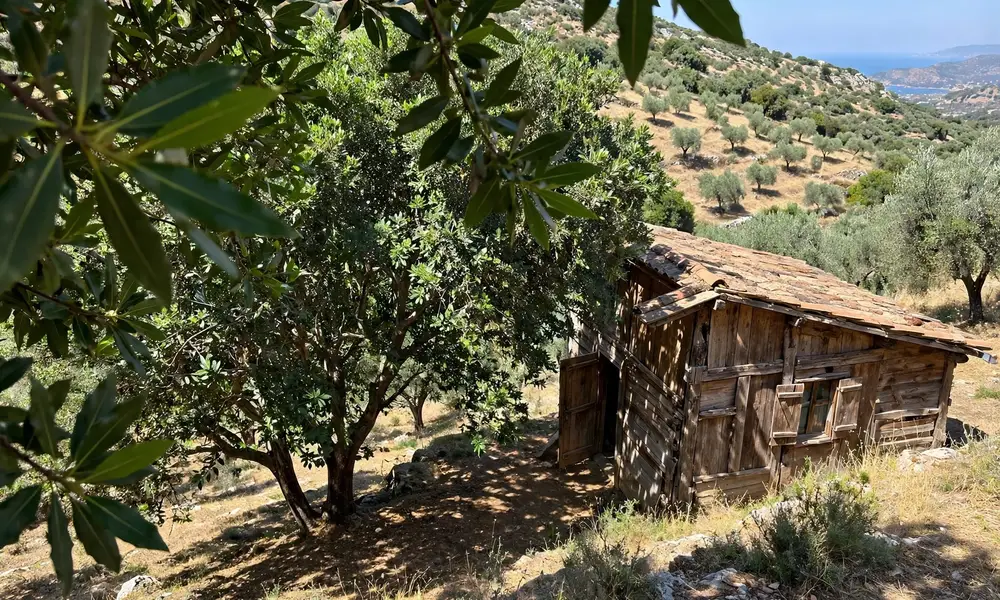
Before you book, ask three questions. First, whether the grove grows bay laurel or California bay, because only one belongs in a stockpot at the usual strength. Second, which week the grove picks its leaves, and when the barn fills with drying racks. Third, how the grove handles flour and bread, if you eat gluten-free, because a kitchen that bakes each morning needs a clear answer. Our guide to the olive grove retreats follows the same three questions, and they work just as well here.
The 9 best luxury bay leaf farm retreats of 2027
Mersin, Turkey — Bay Leaf on the Cilician Coast
What we like: Bay leaf in Mersin grows on the warm Cilician coast, where the laurel trees stand in old groves between the citrus orchards, and the farm sells its leaves to the spice merchants of the eastern Mediterranean.
What to consider: The summer heat can lie heavy on the coast, and the grove sits far from the railway, so book the lift in advance.
Style: Turkish coastal farm stay. Best for: Travellers who want bay leaf where the Mediterranean spice trade still runs. Price range: $65–$95 per night. Standout feature: Leaves picked at dawn for the lentil soup served that evening.
Hatay, Turkey — Bay Leaf in the Ancient Spice Valleys
What we like: Bay leaf in Hatay grows in the valleys below the Amanos mountains, where the laurel has been traded since the old caravan days, and the farm dries its leaves in a stone barn that smells of nothing else.
What to consider: The grove is deep in the hills, and the evenings are quiet, so bring a book and expect an early night.
Style: Turkish mountain farm stay. Best for: Travellers who want bay leaf from the oldest spice country in the region. Price range: $100–$130 per night. Standout feature: Leaves dried in the stone barn for the Antakya spice sellers.
Lisbon, Portugal — Bay Leaf on the Tagus Hills
What we like: Bay leaf in Lisbon grows on the hills above the Tagus, where the laurel trees shade the farmhouse garden and the leaves go into the pots of the city’s fish restaurants.
What to consider: The farm is small and books out early, and the hill roads are steep, so travel light and wear good shoes.
Style: Portuguese river-hill farm stay. Best for: Travellers who want bay leaf with Atlantic fish and city markets close by. Price range: $135–$165 per night. Standout feature: Leaves cut for the Lisbon fish kitchens the same morning they are cooked.
Ioannina, Greece — Bay Leaf above the Lake
What we like: Bay leaf in Ioannina grows in the old groves above the lake, where the laurel stands beside the stone houses of the old town, and the farm sells its leaves to the kitchens that cook the city’s bean soup. The mountains rise behind the water, and the kitchen serves roast lamb, bay-infused potatoes, and mountain cheese with farm bread.
What to consider: The mountain roads are slow and winding, and the farm’s rooms are simple, so expect comfort rather than luxury.
Style: Greek mountain farm stay. Best for: Travellers who want bay leaf in the quietest corner of Greece. Price range: $170–$200 per night. Standout feature: Leaves picked for the Ioannina markets before the sun is high.
Basilicata, Italy — Bay Leaf in the Lucanian Hills
What we like: Bay leaf in Basilicata grows in the Lucanian hills, where the laurel trees stand beside the olive groves and the farm dries its leaves for the kitchens of Matera.
What to consider: The farm sits high on a steep slope, and the nearest shops are a drive away, so carry in what you need.
Style: Italian hill farm stay. Best for: Travellers who want bay leaf in the least-visited corner of southern Italy. Price range: $205–$235 per night. Standout feature: Leaves dried for the Matera restaurants the same week they are picked.
Paphos, Cyprus — Bay Leaf on the Western Shore
What we like: Bay leaf in Paphos grows on the western shore of Cyprus, where the laurel trees stand in the dry hills above the sea, and the farm sells its leaves to the tavernas of the old town.
What to consider: The summer sun is fierce on the shore, and the grove is a long drive from the airport, so travel early in the day.
Style: Cypriot coastal farm stay. Best for: Travellers who want bay leaf with warm sea air and slow tavernas. Price range: $240–$270 per night. Standout feature: Sprigs cut for the Paphos tavernas before the heat of the day.
Fethiye, Turkey — Bay Leaf on the Lycian Coast
What we like: Bay leaf in Fethiye grows on the Lycian coast, where the laurel stands in the pine-scented hills above the harbour, and the farm dries its leaves for the gulet crews that sail the blue coast.
What to consider: The harbour crowds in high summer, and the farm’s English is limited, so learn a few Turkish words first.
Style: Turkish harbour farm stay. Best for: Travellers who want bay leaf with a boat trip and a swimming cove. Price range: $275–$305 per night. Standout feature: Leaves dried for the sailing crews that stock up in the harbour.
Big Sur, California — Bay Leaf on the Foggy Coast
What we like: Bay leaf in Big Sur grows on the foggy California coast, where the laurel trees stand in the redwood canyons and the farm picks its leaves for the restaurants of Carmel and Monterey.
What to consider: The coast road is slow and can close in bad weather, and the fog keeps the mornings cool, so pack a warm layer.
Style: Californian coastal farm stay. Best for: Travellers who want bay leaf with redwoods, fog, and a wild coast. Price range: $310–$340 per night. Standout feature: Leaves picked in the canyon fog for the Monterey kitchens.
Vancouver Island, Canada — Bay Leaf on the Pacific Edge
What we like: Bay leaf on Vancouver Island grows on the Pacific edge, where the laurel trees stand in sheltered gardens between the rainforest and the sea, and the farm dries its leaves for the restaurants of Victoria.
What to consider: The season is short, and the island needs a ferry or a flight, so book the crossing as soon as the farm names its week.
Style: Canadian island farm stay. Best for: Travellers who want bay leaf at the far end of the Pacific road. Price range: $345–$380 per night. Standout feature: Leaves dried in the barn for the Victoria chefs who cook with them all winter.
Which bay leaf region fits your trip
If you want the classic Mediterranean leaf above all else, go to Mersin, Hatay, or Ioannina, where the sprigs are picked for the kitchen the same morning. If you want bay leaf as a daily kitchen herb rather than a soup ingredient, go to Lisbon or Paphos, where the leaf is eaten fresh at every meal.
For a first trip, Lisbon is the simplest choice. The farm is easy to reach from the city, the picking week is generous, and the kitchen cooks with bay leaf every day, so you will taste the herb at every meal. Our guide to the fig grove retreats uses the same first-timer logic, and it holds here too: pick the farm that cooks with its crop daily, and the rest of the trip follows.
The caveats that matter
Bay leaf answers to the weather more than most crops. A hot spell makes the trees drop their leaves early, and a cold snap can bruise the young shoots, so a grove can lose its picking week in a matter of days. Rain at picking time can stain the leaves, and a dry spring can push the whole season back by a fortnight. A good grove will tell you the day the dates move. Book a stay that lets you shift the week without losing the deposit, and follow the grove’s own forecast rather than the national one.
| Detail | What is known |
|---|---|
| Bay laurel | The culinary leaf, an evergreen tree, dried in the shade before use |
| California bay | A different, far stronger plant, used at half the strength or not at all |
| Best picking time | Late summer, from the top shoots, when the oils are at their peak |
| What makes it bitter | Fresh leaves are harsh, so they are dried before they go into a pot |
| Who should check first | Anyone who eats gluten-free, because farm kitchens bake bread daily |
| What to avoid | Booking a fixed week without a way to shift it if the season moves |
| How it travels | Dried leaves keep for months, so bring home a bag, not fresh sprigs |
| What it does not do | It does not soften in cooking, so it must be fished out before serving |
Bay leaf is also easy to confuse with oleander, a poisonous shrub with similar narrow evergreen leaves, and with cherry laurel, which is not a culinary plant at all. A grove that grows bay will show you the difference in the leaves, and it is worth learning, because the two must never be mixed. Our guide to the walnut farm retreats carries the same warning about lookalike plants, and the lesson is the same: trust the farmer’s eye, not the photograph.
Checklist: booking a bay leaf farm stay honestly
Work through these checks before you pay, and again the week before you travel.
- Check the variety: ask the grove whether it grows bay laurel or California bay, and how it proves the difference.
- Check the picking week: ask the grove which week it picks its leaves, and when the barn fills with drying racks.
- Check the kitchen: ask whether the farm cooks with bay leaf every day, or only when guests ask.
- Check the room: make sure the bed is in the grove itself, not in a village an hour down the road.
- Check the shift: make sure you can slide the week if the season moves without forfeiting the deposit.
- Check the bag: pack a cool bag for sprigs, and leave room for dried bay leaves to bring home.
Frequently asked questions
What is bay laurel, and how is it different from California bay?
Bay laurel is the culinary leaf, with a warm, tea-like scent and broad, glossy green leaves. California bay is a different, far stronger plant with a sharp, almost medicinal smell, and it should be used at half the strength or not at all. Bay laurel is an evergreen tree that is picked and shade-dried, while California bay grows wild on the Pacific coast and is rarely farmed for the kitchen.
When do the groves pick their bay leaves?
Most groves pick their bay leaves in late summer, from the top shoots, when the oils are at their peak. The leaves are taken in the cool of the morning, before the sun warms the grove.
Is bay leaf the same herb as the one in a bouquet garni?
Yes. A bouquet garni is a bundle of herbs tied together for a stock or stew, and bay leaf is the one that stays in the pot longest. A grove in Provence or Liguria will show you the bundle tied with the leaves picked that morning, and the difference from a jar is easy to taste.
May guests pick in the groves with the crew?
Yes, on most of these groves, if you ask the night before. The work is simple, snipping the top shoots with secateurs, but the crew sets the pace, and guests follow their lead. Wear gloves if your skin is sensitive, and pick only the trees the farmer points out.
Which bay leaf farm region suits a first visit best?
Lisbon, for the easiest journey and the most generous picking week. The farm cooks with bay leaf every day, the kitchen is used to guests, and the Tagus gives you somewhere to walk when the sun is high and the picking stops.
Can you eat well gluten-free on a bay leaf farm?
Yes, if you tell the farm when you book. Bay leaf itself is naturally gluten-free, and the soups, stews, and grilled fish are safe. The risk is the morning bread and pastry, so ask how the farm keeps flour away from your plate.
The bottom line
A bay leaf farm retreat suits travellers who like their food to come from the grove they are standing in, and who are happy to let the farm set the day. The leaf is quiet, the season is long, and the best stays are the ones that pick it, dry it, and cook with it without fuss.
Pick the region by whether you want the grove, the drying barn, or the kitchen, ask which bay the grove grows before you book, and leave the fresh sprigs behind. The dried leaves you bring home will carry the trip further than any photograph.