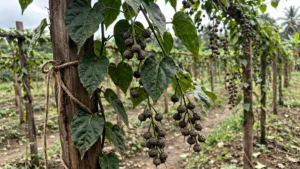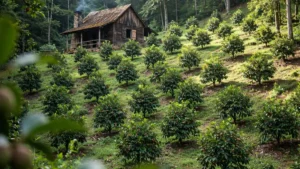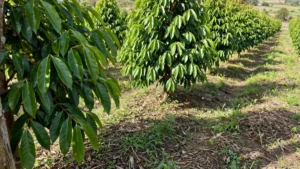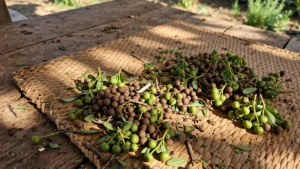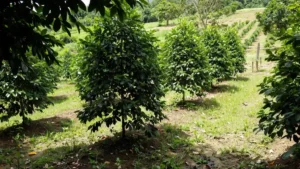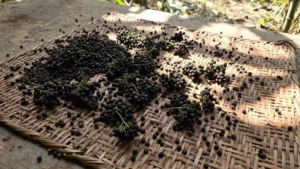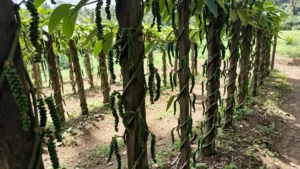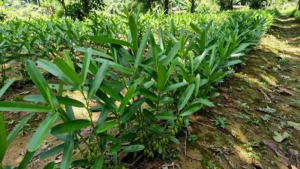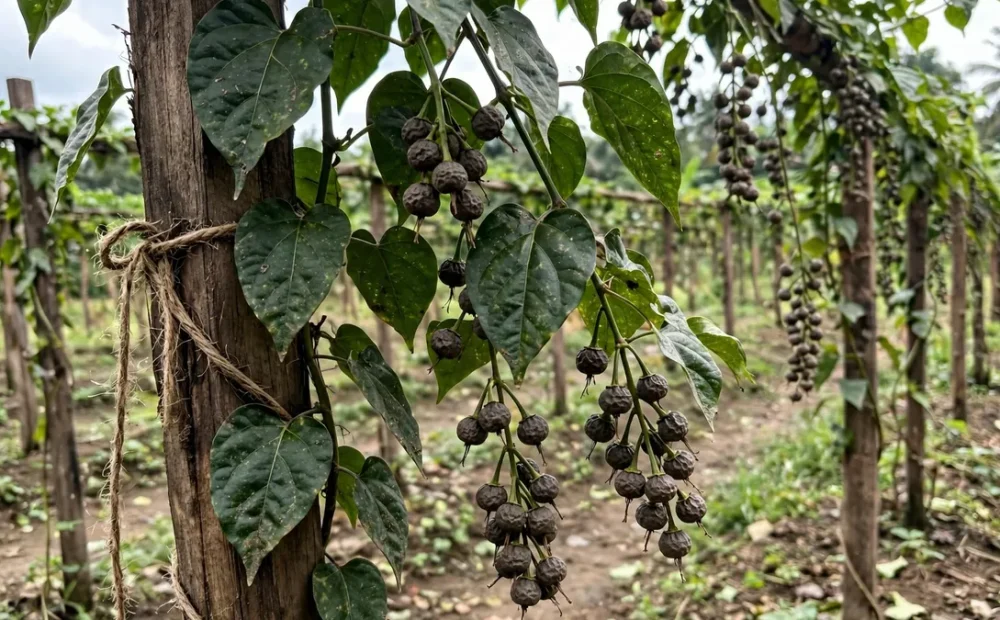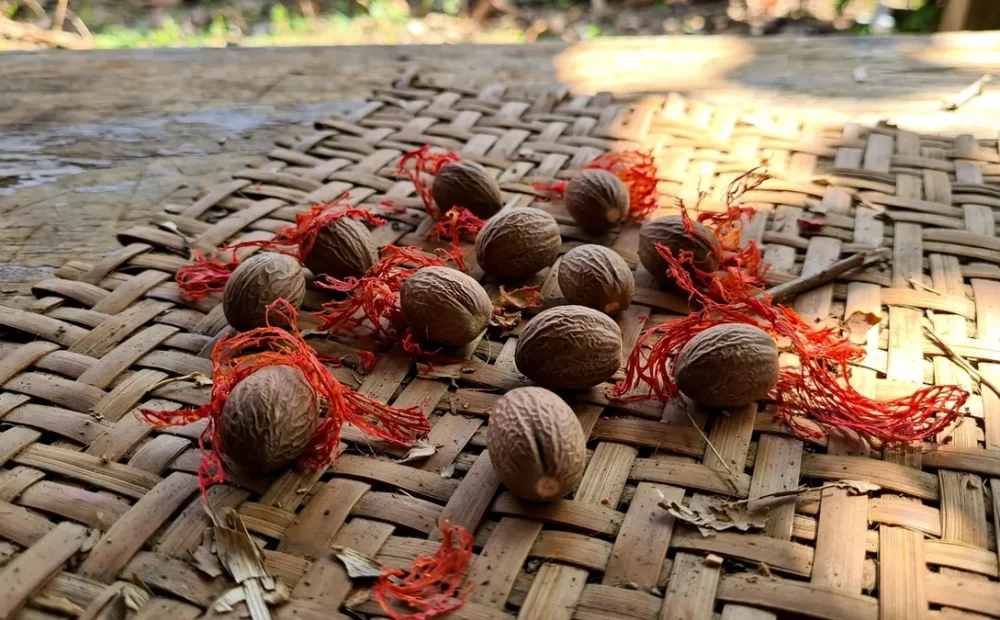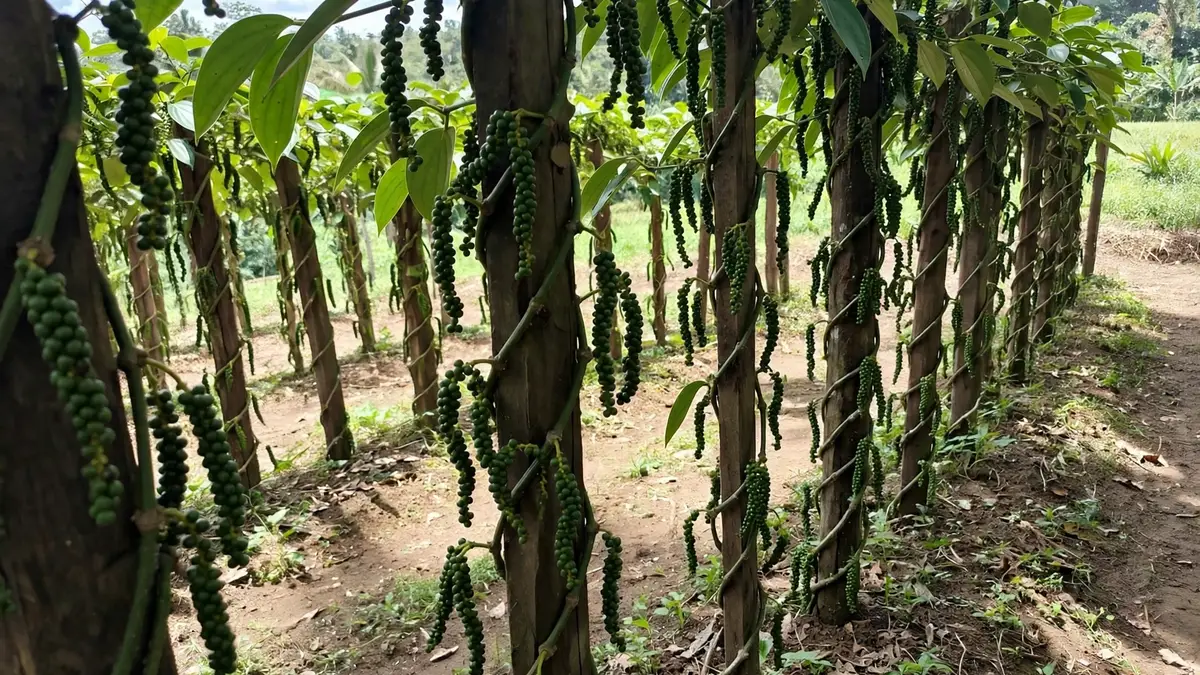
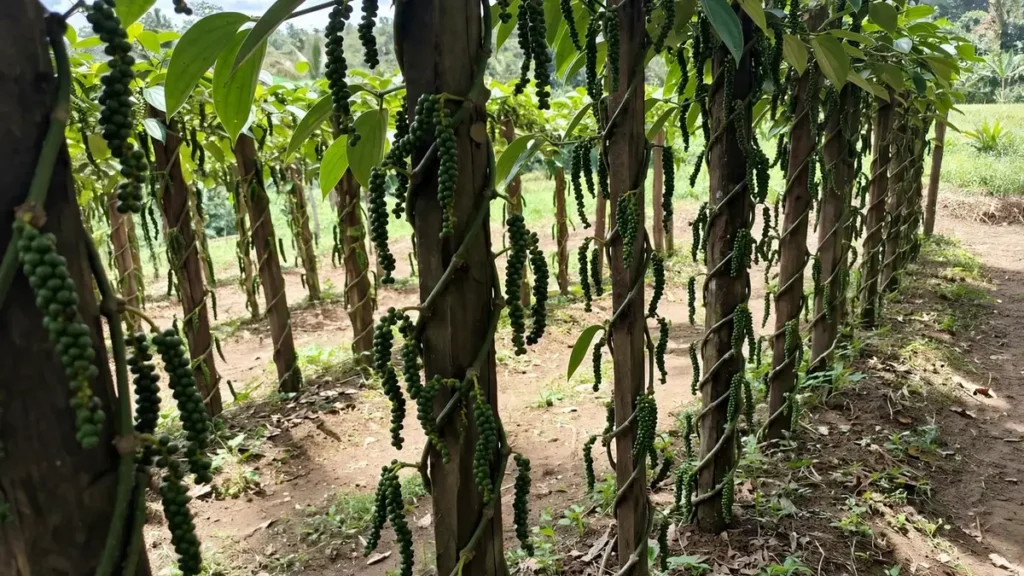
Black pepper is the oldest spice in the pantry and the slowest to hurry. It grows as a climbing vine, wrapping itself around a living tree or a wooden pole, and its berries are picked green and unripe, then spread in the sun until they turn black and wrinkled. A single vine can climb ten metres high, and the picking is done by hand, spike by spike, from a ladder, because the berries on one spike never ripen at the same time.
A black pepper farm retreat is a few nights on a working pepper farm in the picking weeks, when the vines are heavy and the drying yards are full. You sleep in a farmhouse room, eat pepper folded into curries, soups and grills, walk the vines while the berries are still green, and watch the harvest dried, winnowed and sorted for the table.
Here are nine black pepper farm retreats to weigh for 2027, from the cheapest Wayanad stay to the dearest Grenada farm, covering black, white and green pepper from the same vine, so the decision turns on the way you travel rather than the place on the map.
Key takeaways
- Black pepper is the dried unripe berry of a climbing vine, picked green and sun-dried until it turns black and wrinkled.
- White pepper is the same berry with the skin removed, and green pepper is the same berry picked even earlier, so one vine gives three spices.
- The picking season is short, and the farm names its picking week, not a month, so book the week before the flights.
- Pepper farms run small, with a handful of rooms and meals shared at one table, so expect plain comfort and mud on your boots.
- Black pepper carries no gluten, but the bread and pastry served beside it are usually wheat, so settle the kitchen and the calendar before you pay.
What a black pepper farm retreat actually is
A black pepper farm retreat means three to five nights on a working farm that grows pepper, with the picking weeks as the reason for the trip. Guests sleep in a farmhouse room or a converted barn, eat what the farm kitchen cooks, and join the harvest, walking the vines to see the berries cut down, the spikes stripped by hand, and the green berries spread on mats to dry in the sun.
Black pepper has been traded for thousands of years, and the great pepper regions took shape around the dishes they served. The Malabar Coast turned its pepper into curries and rasams, Kampot ground its pepper for crab and beef, Vietnam dried its berries for the spice trade, and Brazil planted its vines in the wet valleys of the east. The crop needs heat, rain and something to climb, so the farms sit in the wet tropics, where the soil stays dark and the air stays warm.
Days on these farms follow the vine’s timetable rather than a hotel’s, with supper served at one shared table and genuine work offered to guests who ask for it.
How we picked these stays, and what to ask first
We began with where black pepper truly grows, not where it sells best. A genuine pepper farm offers vines to walk among, berries to stand beside at picking time, and a kitchen working with its own pepper. A farm that buys its corns in is not a pepper farm, whatever the website says.
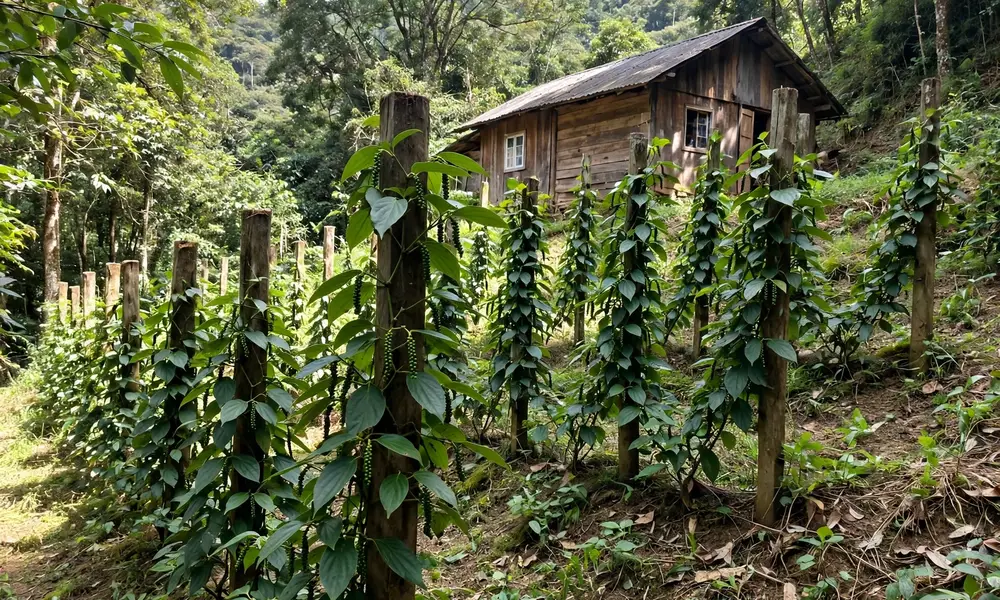
Small guest lists mark a serious farm: the picking stays genuine work instead of a display for visitors. They also set out in the first email what the nightly rate covers, with supper, the drive in from the nearest town and walks among the vines counted in the price rather than billed on arrival. Plain talk about vines, picking and drying is usually a sign the farm looks after its guests well too.
The 9 best luxury black pepper farm retreats of 2027
Wayanad, Kerala, India — Pepper on the Western Ghats Slopes
What we like: Pepper in Wayanad climbs the trees of the Western Ghats, and the farm folds it into curries, rasams and pickles with coconut and curry leaf. The hills are green, the cardamom grows beside the pepper, and the kitchen serves pepper chicken, spiced rice and warm appam.
What to consider: The monsoon rain is heavy at picking time, and the farm sits far up the hills, so the drive in is long and slow.
Style: Keralan hill farm stay. Best for: Travellers who want pepper where India grows it best. Price range: $65–$95 per night. Standout feature: Green spikes cut from the vines that morning.
Kampot, Cambodia — Pepper Below the Elephant Mountains
What we like: Pepper in Kampot grows in the red soil below the Elephant Mountains, and the farm grinds it fresh for crab, beef and morning soup. The mountains stand beyond the fields, the river runs nearby, and the kitchen serves Kampot pepper crab, grilled beef and warm rice porridge.
What to consider: The dry-season dust blows across the fields, and the farm sits outside the town, so arrange the lift in advance.
Style: Cambodian river farm stay. Best for: Travellers who want pepper from the world’s most famous pepper ground. Price range: $100–$130 per night. Standout feature: Fresh-ground Kampot pepper on crab at the farm table.
Lampung, Sumatra, Indonesia — Pepper in the Southern Hills
What we like: Pepper in Lampung climbs the poles of the southern Sumatran hills, and the farm dries its berries in the sun for the spice trade. The hills are steep, the coffee grows beside the pepper, and the kitchen serves pepper chicken, rendang and warm rice.
What to consider: The hill rain is sudden at picking time, and the farm is a long drive from the nearest city, so travel early in the day.
Style: Sumatran hill farm stay. Best for: Travellers who want pepper from Indonesia’s old spice belt. Price range: $135–$165 per night. Standout feature: Sun-dried berries from the hill vines.
Bình Phước, Vietnam — Pepper on the Red Basalt Plains
What we like: Pepper in Bình Phước grows on the red basalt plains of the south, and the farm dries its berries in long yards for the spice trade. The plains are wide, the cashew trees stand beside the vines, and the kitchen serves pepper beef, sour soup and warm rice.
What to consider: The dry-season heat is fierce by midday, and the farm sits far from the railway, so arrange the lift in advance.
Style: Vietnamese plain farm stay. Best for: Travellers who want pepper from the world’s biggest pepper country. Price range: $170–$200 per night. Standout feature: Black corns dried on the red-earth yards.
Espírito Santo, Brazil — Pepper in the Atlantic Valleys
What we like: Pepper in Espírito Santo grows in the wet Atlantic valleys of the east, and the farm grinds its berries for grills and stews. The valleys are lush, the coffee grows beside the pepper, and the kitchen serves pepper steak, feijoada and warm farofa.
What to consider: The valley rain falls hard at picking time, and the farm is a drive from the coast towns, so pack for wet weather.
Style: Brazilian valley farm stay. Best for: Travellers who want pepper from South America’s wet east. Price range: $205–$235 per night. Standout feature: Fresh-ground pepper on the farm grill.
Goa, India — Pepper in the Coastal Groves
What we like: Pepper in Goa climbs the areca palms of the coastal groves, and the farm folds it into vindaloo, fish curry and pickles. The groves are shady, the sea breeze reaches the vines, and the kitchen serves pepper fish curry, pork vindaloo and warm poi bread.
What to consider: The coastal humidity is heavy at picking time, and the farm books its rooms early, so write well ahead.
Style: Goan coastal farm stay. Best for: Travellers who want pepper with the sea close by. Price range: $240–$270 per night. Standout feature: Pepper ground fresh for the fish curry.
Chikmagalur, Karnataka, India — Pepper in the Shade of the Coffee Trees
What we like: Pepper in Chikmagalur climbs the shade trees of the coffee hills, and the farm grinds it for the estate kitchen. The hills are cool, the coffee blossom scents the air, and the kitchen serves pepper pork, estate chicken and warm akki roti.
What to consider: The hill mist hangs late at picking time, and the farm sits high above the valley road, so the walk down is steep.
Style: Karnataka coffee-estate farm stay. Best for: Travellers who want pepper grown beside coffee. Price range: $275–$305 per night. Standout feature: Pepper from vines climbing the coffee shade trees.
Réunion Island — Pepper on the Volcanic Slopes
What we like: Pepper on Réunion grows on the volcanic slopes of the Indian Ocean, and the farm grinds it for Creole stews and grills. The volcano stands beyond the fields, the sugar cane grows nearby, and the kitchen serves pepper rougail, grilled fish and warm rice.
What to consider: The island weather turns fast at picking time, and the farm is the dearest stay on this list but one, so plan a year ahead.
Style: Indian Ocean island farm stay. Best for: Travellers who want pepper from a volcanic island. Price range: $310–$340 per night. Standout feature: Pepper ground for rougail on the volcanic slopes.
Grenada — Pepper in the Spice Island Hills
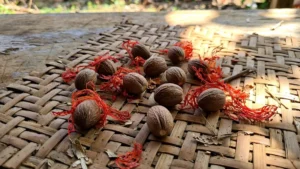
What we like: Pepper in Grenada grows in the spice hills of the Caribbean, and the farm folds it into oil-down, stews and grills. The hills are green, the nutmeg grows beside the pepper, and the kitchen serves pepper oil-down, stewed chicken and warm bakes.
What to consider: The farm is the dearest stay here, and the tropical rain falls hardest at picking time, so plan a year ahead.
Style: Caribbean spice-island farm stay. Best for: Travellers who want pepper from the Isle of Spice. Price range: $345–$380 per night. Standout feature: Pepper from vines climbing the spice-hill trees.
Which black pepper region fits your trip
If you want pepper where the berry is treated as a feast, start with Wayanad or Kampot, where the pepper is picked, dried and ground the same week it was cut. Either one suits a newcomer, offering easy walks and unhurried suppers at the farm table.
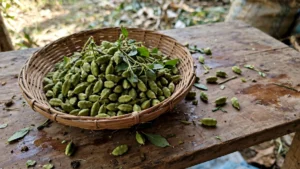
If you want scenery with your pepper, Grenada puts the vines in spice hills, Réunion on volcanic slopes, and Espírito Santo in wet Atlantic valleys. The crop beside the pepper shapes the plate: cardamom in Wayanad, coffee in Chikmagalur, nutmeg in Grenada. For a farm stay built around another spice altogether, our guide to the cardamom farm retreats covers shade-grown pods in the hills, with cardamom tea and spiced rice instead of ground pepper and grills, and the saffron farm retreats offer the costliest spice of all, with hand-picked stigmas instead of sun-dried berries.
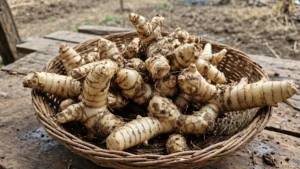
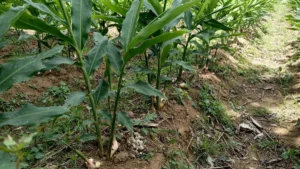
If you want the crop that shares pepper’s kitchen, the ginger farm retreats put you among rhizomes in the same wet tropics, with ginger tea and pickled rhizomes beside the pepper mill.
The caveats that matter
Black pepper farming answers to the weather: farms give a best guess, never a promise, and a trip pinned to one picking day gambles on rain. The real warning is the vine itself, easy to miss when the stay is sold as gentle country.
| Detail | What is known |
|---|---|
| Best time to visit | In the picking weeks, when the berries are green and full, with the season shifting by region and the farm naming its week, not a month |
| What the work involves | Walking the vines, watching the spikes cut down and stripped by hand, and seeing the berries spread in the sun to dry and turn black |
| How long a stay runs | Three to five nights, set around the picking weeks |
| Who should take care | Guests with a strong sensitivity to pepper, and anyone unused to fierce sun, heavy rain or steep muddy paths |
| What the kitchen serves | Pepper chicken and beef, fish curries, grills and stews, with fresh bread and farm butter beside the plate |
| Gluten note | Black pepper carries no gluten, but the bread and pastry served beside it are usually wheat, so ask the kitchen what it can safely serve |
| What to pack | Closed walking shoes, a broad sun hat, a rain layer for sudden showers, and clothes that wash easily by hand |
| What it does not do | No promised picking day, no fixed menu, and no hotel-style service on a working farm |
Anyone with a strict gluten-free diet should ring the farm before booking. A single question about the kitchen and the pepper can save you a difficult stay, and a farm that answers honestly is usually worth the visit.
Checklist: booking a black pepper farm stay honestly
Work through this list before you pay, and go over it again in the week before you travel.
- Get the picking window in writing, and ask what happens if the berries are still green when you arrive.
- Confirm the nightly rate covers supper, the drive in from the nearest town and the walks among the vines.
- Ask whether the picking and drying happen on the farm, and whether the kitchen can serve a meal without pepper.
- Before you pay, inspect the room in person: run the taps, lie on the bed and test the heater, since farm rooms are simple.
- Pack for rain and muddy ground: strong shoes, a hat, a rain layer for sudden showers, and clothes you can rinse in a basin.
- Keep a day open for the nearest town, so a picking week that moves still leaves you a fine trip.
Frequently asked questions
How are black, white and green pepper different?
All three come from the same vine. Black pepper is the unripe berry dried whole until it turns black and wrinkled, white pepper is the same berry with the skin removed after soaking, and green pepper is the same berry picked even earlier and kept soft. Black is hot and sharp, white is milder and earthier, and green is fresh and bright.
When do the farms pick their pepper?
Pepper is picked when the berries on a spike turn from green toward red, with the precise week shifting with the rain and the warmth, so ask the farm for its picking window instead of a single date, and hold off booking flights until that window is fixed.
Is black pepper grown on a tree or a vine?
Black pepper grows on a climbing vine, not a tree. The vine wraps itself around a living tree or a wooden pole and can climb ten metres high, which is why the picking is done by hand from a ladder, spike by spike, while the berries on one spike ripen at different times.
Can guests help with the picking?
Most farms let guests walk the vines, join the picking and sit at the kitchen table, and some invite you to strip the spikes and spread the berries to dry. Picking is steady work, so ask the farm what guests may do before you book, and expect earth on your hands either way.
Which black pepper farm region should a first-timer pick?
Wayanad is the easiest first trip: the pepper vines are widest there, the farms are used to guests, and the pepper curries best show what the crop can do. If you want the story as well as the plate, Kampot is the red-soil ground where pepper has been grown for generations.
Can you eat well gluten-free on a black pepper farm?
Mostly. The fields, the picking and the harvest are worth the trip alone, and black pepper carries no gluten, but the bread and pastry served beside it are usually wheat. Ask the farm what it can cook without wheat for a gluten-free guest, and fix the picking week before any week the kitchen bakes bread.
The bottom line
A black pepper farm retreat suits travellers who prefer hot berries, farm kitchens and pepper ground the farm’s own way to a hotel. The green berries come fresh and bright, the black corns grind into curries and grills, and the finest stays feed you from ground they worked themselves.
Lock in the picking week first, then the travel dates, and hold a spare day at the end. When the pepper picks on time you will eat berries dried that week, and when it does not, the hills, the valleys and the old towns will still carry the trip.