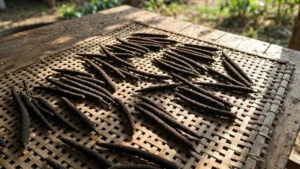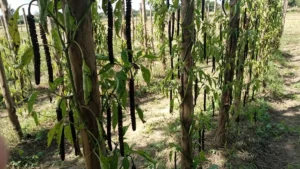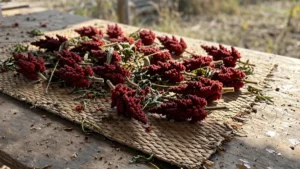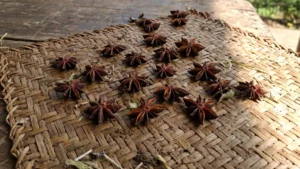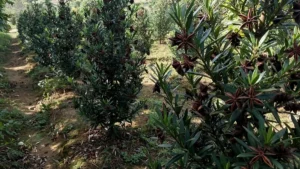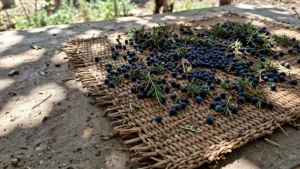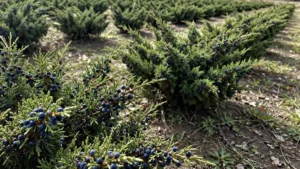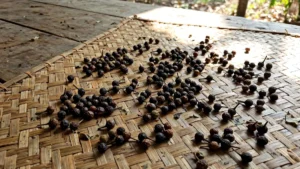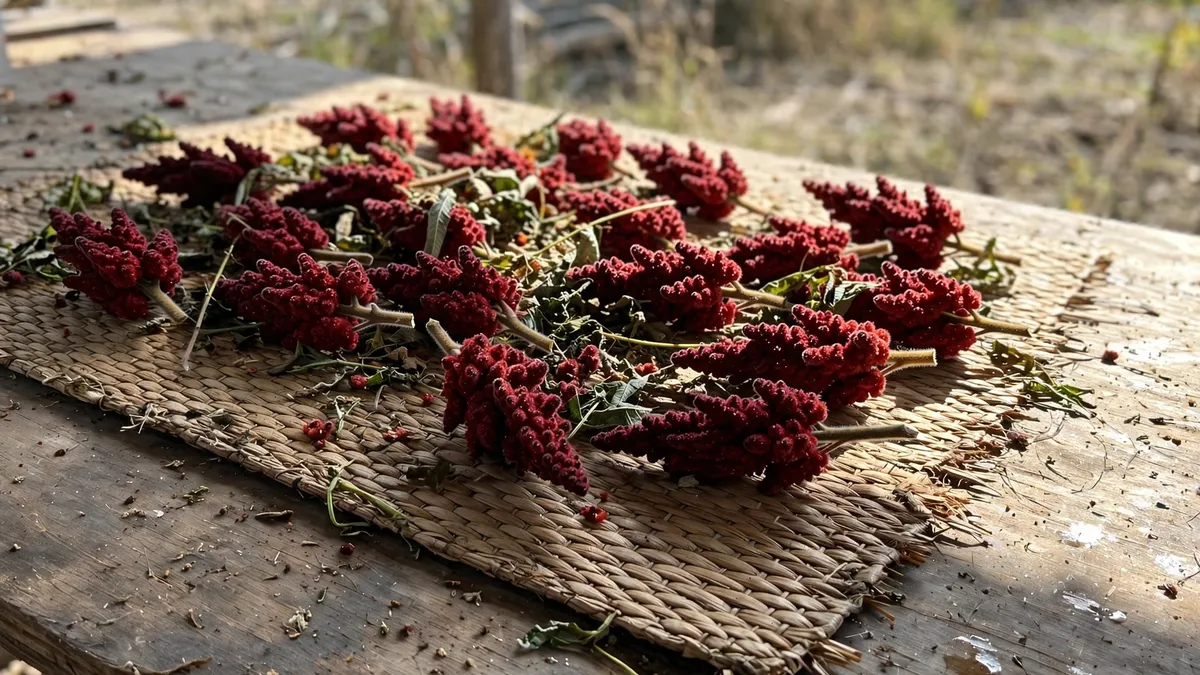
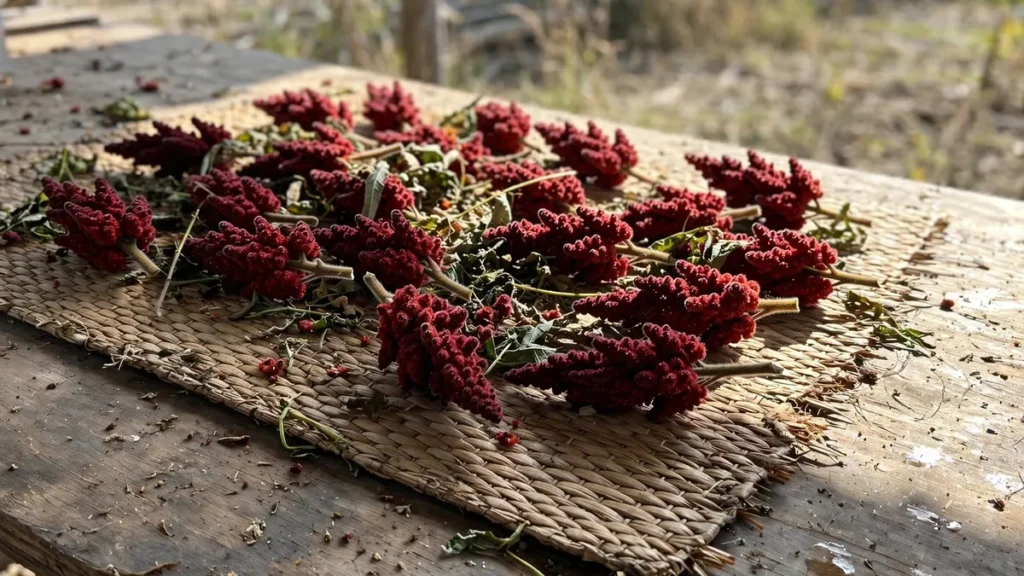
A sumac farm escape is a short stay built around the picking season, when the berries turn deep red and the drying racks fill up. You sleep in a farmhouse room, eat food seasoned with fresh sumac, and spend your days on the hillsides, watching pickers strip cones and carry them to the racks. The trip is slow by design, and the best days follow the crew’s rhythm rather than a schedule.
Most escapes last three to five nights, which is enough time to learn the work, taste the difference between fresh and shop-bought sumac, and buy ground spice from the farm. The farms are small, the rooms are plain, and the food is the point. The owner usually greets you at the door, and the rest of the trip shapes itself around the crew’s day.
This guide walks through the nine steps that make a sumac escape work, from asking the farm for its picking dates to buying ground sumac at the farm shop. It also covers the season, the region, and the packing list, so the trip runs smoothly from the first message to the last meal.
Key takeaways
- Sumac picking runs a few weeks in late summer; book around the farm’s dates, not your own.
- The farms dry and grind their own berries, and the powder on the farm table is fresher than anything in a shop.
- Sumac is a key part of za’atar, and the farms cook with both.
- The spice is gluten-free, but the bread at the farm table is wheat, so tell the farm early.
- Keep cash handy for the farm shop, since card machines are rare in the hills.
What a sumac farm escape involves
A sumac farm escape is a stay on a working spice farm, not a resort with a spice theme. The farm earns its living from berries and ground spice, and the guests fit around the work. The day starts early, with a walk through the shrub rows while the air is still cool, and the rest of the day runs on stripping, drying, and cooking.
Rooms are usually simple: a farmhouse bedroom, a cottage between the shrubs, a lodge room with a view over the valley. What makes it feel luxurious is the food and the setting, not the furniture. Meals are cooked with the farm’s own sumac, and the table is set with salads, breads, and grilled meat that carry the spice in every course. The cook usually works with what the garden gives that morning, so the menu changes with the season.
The picking is the heart of the trip, and it lasts only a few weeks. Outside the season the farms are still worth visiting, with good food and quiet hills, but the racks will be empty and the crew will be doing other work. Plan the dates first, and let everything else follow.
How to plan it, and what to ask first
Start with the farm’s picking dates, and build the trip around them. Ask the farm which weeks the pickers work, whether guests can join them, and whether the kitchen can cook without wheat. The answers shape the whole trip, from the flights to the packing list. The farm’s answers also tell you how the place is run, which matters more than the room.
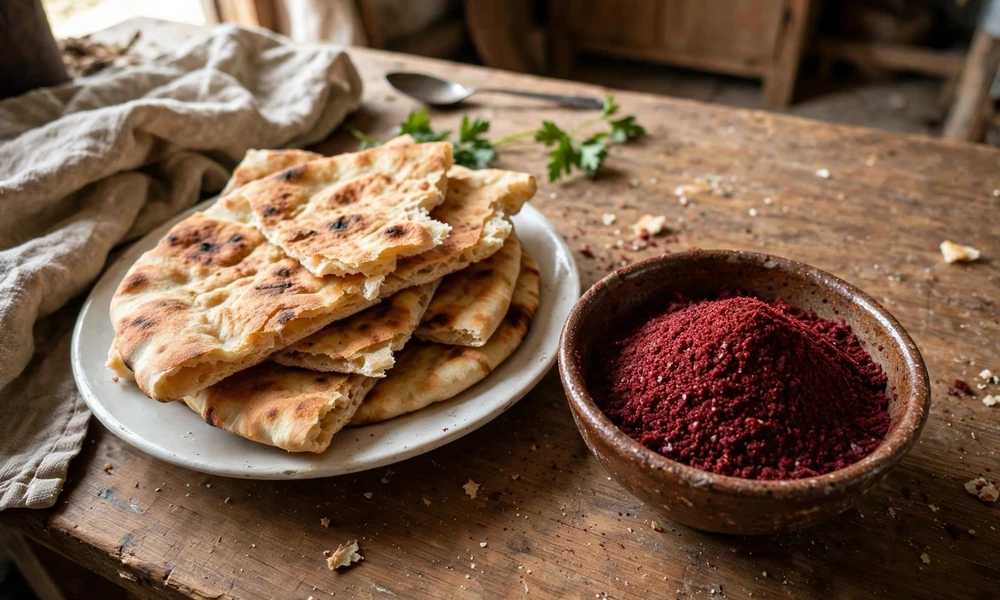
We planned this guide around farms that dry their own berries and show the whole process. The best escapes put you beside the pickers, not behind a fence, and the best farms feed you from their own kitchen. Ask how the berries are dried, who does the grinding, and what the kitchen cooks with, before you pay anything.
The nine steps below run from the first message to the farm shop. Each one is small on its own, and together they keep the trip smooth. Read them in order, and tick them off as you go.
The 9 steps to plan a sumac farm escape
Shape the trip around the harvest weeks
What to Do: Write to the farm and ask when the pickers will be out, then shape the flights and the room around those weeks. The hills are busiest then, and the racks are full. The farm will usually answer within a day, and the dates it gives you are worth more than any guidebook.
What to Avoid: Do not pay for flights before the farm answers. Outside the picking weeks the shrubs still stand, but the crew will be doing other work.
Best For: Travellers who want the farm at its busiest.
Time Needed: One email, sent before anything else is booked.
Standout Tip: Ask for the dates in writing, and ask which week the farm itself would pick.
Taste sumac and za’atar before choosing where to go
What to Do: Learn how sumac tastes before you go. It is sour and lemon-like, and it is a key part of za’atar, mixed with thyme, sesame, and salt. Taste both, and you will know what the farm is growing. Za’atar is sold in every market in the region, and tasting it first makes the farm visit richer.
What to Avoid: Do not treat sumac as a single flavour. The powder changes with the region, the soil, and the drying, so ask the farm how its own sumac tastes.
Best For: Travellers who cook and want the right spice for the journey home.
Time Needed: One question, asked in the booking message.
Standout Tip: Ask the farm to show you a fresh cone, so you can see the berries before they are dried.
Stay where the berries are ground on site
What to Do: Pick a farm that dries and grinds its own berries. The powder on the table should come from the shrubs you walked through, not from a wholesaler. The racks should be full of red cones in late summer, and the mill should smell of fresh spice.
What to Avoid: Do not book a farm that cannot show you its drying racks. If the spice comes from a shop, the trip is a hotel stay with a spice label.
Best For: Travellers who want the real process, not a display.
Time Needed: One question, asked before you pay anything.
Standout Tip: Ask where the grinding happens, and whether you can watch it.
Catch the first morning of the picking
What to Do: Be at the farm the morning the pickers bring the cones in. The racks fill fast, and the best light for photographs is early. The crew works fast, and an hour beside them teaches you more than a day of watching.
What to Avoid: Do not sleep through the morning and arrive at noon. The picking is done by then, and the crew will be in the shade.
Best For: Travellers who want to work beside the crew.
Time Needed: One early morning, from sunrise to midday.
Standout Tip: Set an alarm, and ask the crew the night before what time they start.
Watch the drying racks, then taste the berries fresh
What to Do: Spend time at the drying racks and taste a berry straight from the cone. Fresh berries are sharp and sour, and the flavour softens as they dry. The cones feel dry and light in the hand, and the berries come off with a rub between your fingers.
What to Avoid: Do not judge sumac by the powder in a shop. The farm’s own berries taste brighter, and the difference is the point of the trip.
Best For: Travellers who want to understand the spice, not just buy it.
Time Needed: An hour at the racks, in the afternoon sun.
Standout Tip: Taste a fresh berry, then taste the ground powder, and note how the flavour changes.
Ask the cook which dishes carry the sumac
What to Do: Eat at the farm table and ask which dish carries the sumac. The cook will point to the salads, the grilled meat, and the yoghurt, and the answers teach you how the spice is used. The cook will often bring out the sumac jar, so you can see the colour and smell the powder up close.
What to Avoid: Do not eat only at the village restaurant. The farm table is where the spice is freshest, and the cooking is the best on the trip.
Best For: Travellers who plan the trip around the table.
Time Needed: One long lunch, with questions for the cook.
Standout Tip: Ask the cook for the recipe of the dish you liked best.
Wear closed shoes and a hat in the hills
What to Do: Pack closed shoes, sun protection, and long trousers for the shrub rows. The paths are rocky and dry, and the sheds are dusty by noon. A hat matters more than a jacket, because the sun is strong by mid-morning and there is little shade on the hills.
What to Avoid: Do not bring resort clothes or open sandals. The hills are rough, and the shrubs scratch.
Best For: Travellers who want to work in the rows.
Time Needed: An hour of packing, the night before you leave.
Standout Tip: Bring a small bag for ground spice, and a hat for the midday sun.
Leave with ground sumac from the farm shop
What to Do: Buy ground sumac at the farm shop on your last day. The farm’s own powder is fresher than anything in a market, and it keeps for months in a sealed jar. A sealed jar keeps the powder fresh for months, so buy more than you think you need.
What to Avoid: Do not wait until the airport to buy sumac. Airport spice is old, and the farm shop is the only place to get the fresh grind.
Best For: Travellers who cook at home.
Time Needed: A few minutes at the farm shop, before checkout.
Standout Tip: Buy two bags: one for the kitchen, and one for a friend who cooks.
Spend a second day in a nearby village
What to Do: Add a second stop in the same region, so the trip is more than one farm. A village market, a second farm, or a nearby town rounds out the journey. The market will sell the same spice, but the farm shop is fresher, and the stallholders know the farms by name.
What to Avoid: Do not fly home after a single farm stay. The region has more to offer, and the second stop is often the best part of the trip.
Best For: Travellers with a week to spare.
Time Needed: A day or two, added to the end of the trip.
Standout Tip: Ask the farm where it buys its bread, and go there.
Picking the right season and region
Late summer is the season, and the dates shift with the weather each year. The berries turn deep red over a few weeks, and the farms pick when the colour is right. Ask the farm for its dates, and build the trip around them, not around a calendar.
Lebanon is the easiest first region, with the Bekaa and the Chouf both close to towns and airports. Turkey suits travellers who want food and history with their spice, and Iran suits those who want cool mountains. Jordan, Cyprus, and Sicily are smaller, quieter choices, and each one pairs sumac with a different landscape. The choice comes down to what you want from the trip: food, mountains, quiet, or the sea.
The cardamom farm escape guide runs on the same rhythm, with harvest dates first and everything else after, and the same advice applies here: dates first, flights second, and a second stop if you have the time.
The caveats that matter
Sumac escapes are working-farm trips, not resort stays, and the trip works best when you arrive knowing that. The picking lasts a few weeks, the rooms are plain, and the crew keeps farm hours. Outside the season there is still good food and quiet hills, but the racks will be empty.
The other caveat is the name. Culinary sumac and poison sumac are different plants, and the farms on this list grow the culinary kind. Do not pick berries from wild shrubs on your own, and ask the farm which species it grows if you are unsure.
| Detail | What is known |
|---|---|
| Picking season | Late summer, a few weeks, dates shift with the weather. |
| Drying | Cones dry in the sun for days, then berries are stripped and ground. |
| Za’atar | Sumac is a key part of za’atar, with thyme, sesame, and salt. |
| Spice vs poison sumac | Culinary sumac is safe; poison sumac is a different plant. |
| Gluten | The spice is gluten-free; the bread and noodles at the table are wheat. |
| Footwear | Closed shoes; hillside paths are rocky and dry. |
| Group size | Farms host a handful of guests, usually under a dozen. |
| What to buy | Ground sumac from the farm shop, sealed for the trip home. |
Checklist: before you book a sumac farm escape
- Ask the farm for its picking dates, and build the trip around them.
- Make sure the farm dries and grinds its own berries.
- Flag gluten-free needs in your first message to the farm.
- Pack closed shoes, sun protection, and a bag for ground spice.
- Check the nightly rate covers meals, walks, and transfers before you pay.
- Bring cash for the farm shop; card machines are rare in the hills.
Frequently asked questions
How long should a sumac farm escape last?
Three to five nights hits the right length. That gives you time to join the picking, watch the drying, eat at the farm table more than once, and buy spice at the farm shop. Shorter stays feel rushed, and longer stays run out of farm work outside the picking weeks.
Can I join the picking, or only watch it?
You can join it on most of the farms on this list. The pickers strip the cones by hand, and guests are welcome to work beside them for an hour or a morning. Wear closed shoes and long trousers, and ask the crew to show you how the cones come off the shrub. The work is gentle, and children can join in for an hour if the farm agrees.
Is a sumac farm escape safe for a gluten-free traveller?
The spice itself is gluten-free, and the farms can cook without wheat if you tell them when you book. The catch is the bread and noodles at the table, which are wheat. Say so in your first message, and ask what the kitchen will serve instead.
What should I wear in the hills?
Closed walking shoes, long trousers, and a hat for the midday sun. The paths are rocky and dry, the shrubs scratch, and the picking sheds are dusty. Bring a light layer for the evenings, when the hills cool down fast after sunset.
Which weeks of the year suit a sumac escape best?
Late summer, when the cones turn deep red. The exact weeks shift with the weather, so ask the farm for its dates before you book. The cinnamon farm escape guide covers the same kind of short harvest window, and the same advice applies: dates first, flights second.
What should I take home from a sumac farm?
Ground sumac from the farm shop, sealed in a jar. The farm’s own powder is fresher than anything in a market, and it keeps for months. The ginger farm escape guide gives the same advice for its own spice, and the same rule applies here: buy at the farm, not at the airport.
The bottom line
A sumac escape is a small trip with a sharp flavour. The work is simple, the food is generous, and the spice you bring home will season your cooking for months. Book around the picking dates, pick a farm that dries its own berries, and eat at the farm table.
The Bekaa is the easiest first escape, Hatay the most traditional, and Sicily the most polished. All nine steps in this guide keep the trip smooth, from the first message to the farm shop. Go for the picking, stay for the cooking, and bring ground sumac home.