An elderberry farm escape is a short trip built around a single harvest. The berries ripen in late summer, the picking lasts a few weeks, and the farms that welcome guests are small places where the kitchen does the real work — simmering the dark clusters into syrup, jam, and cordial while the season runs.
The planning is simple once you know the rules. The berries must be cooked before they are eaten, the season is short, and the best farms are honest about both. Book around the ripening, ask what the rate covers, and leave room in the day for the picking walk and the syrup pot. The work is gentle but the juice stains, so pickers wear dark clothes and old gloves.
The nine steps below take you from choosing your dates to carrying a sealed bottle home, with the questions to ask and the mistakes to skip along the way.
Key takeaways
- Elderberries ripen in late summer, and the picking window is only a few weeks, so the dates matter more than the destination.
- European and North American elderberries are different kinds, and the region you choose decides which one you will taste.
- Raw berries can upset the stomach, so pick a farm that cooks them on site and never eat them straight from the rows.
- Most stays include a picking walk and a tasting, but syrup sessions, meals, and transfers are often priced separately.
- Anyone who takes certain medicines or is expecting should ask a doctor before drinking elderberry syrup, because it is a strong preparation, not a soft drink.
What an elderberry farm escape involves
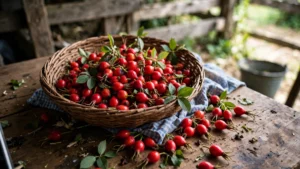
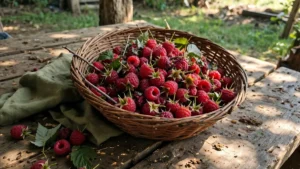
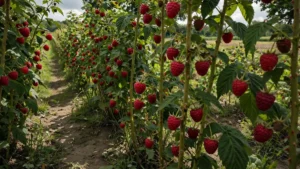
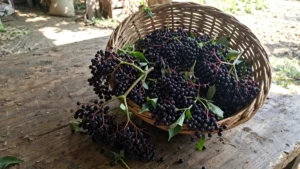
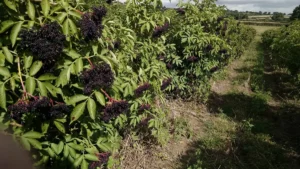
An elderberry farm escape is a stay of two or three nights on a working elderberry farm, timed to the harvest. The days are slow: a walk through the rows in the morning, picking with scissors and a basket, then the kitchen work — stripping the berries from their stems, simmering them down, and bottling the syrup while it is still warm.
What sets it apart from a plain farm stay is the cooking at the centre of everything. The berries are the reason for the trip, and the farm’s kitchen is where the harvest turns into something you can eat. The rooms are usually simple, the host usually works the rows, and the day runs on the picking rather than a timetable.
Knowing what the escape actually involves spares you a letdown later. Some farms are working holdings with plain rooms and a host who prunes the shrubs every winter. Others are comfortable guesthouses set beside an elderberry field, offering more ease and less farm work in view. Both kinds can be wonderful, yet they are different trips, and the nightly rate usually tells you which kind you are looking at. Our guide to planning a durian farm escape makes the same point: read the inclusions in writing before the photographs win you over.
The syrup is the souvenir that matters. A bottle made from the farm’s own berries keeps for months in a cool cupboard, and the farms that bottle on site will usually let you watch the filling. Ask whether the syrup is sweetened with sugar or honey, and whether the farm sells the jam as well — the two keep differently, and the jam travels better in a suitcase.
How to plan it, and what to ask first
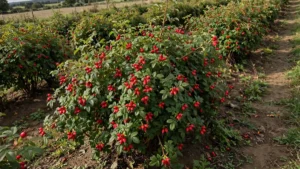
Begin with the harvest calendar, not the flight search. Elderberries ripen in late summer, and the exact weeks shift by country. England and northern Europe pick from late August into September, while the warmer parts of North America can start a little sooner. Ask the farm when its clusters turn purple-black, and build your dates around that answer.

Ask next what the price covers. A walk through the rows, a tasting, and a syrup-making session are three separate things, and some stays charge for each one on its own. Find out whether breakfast comes with the room, whether the garden is shared, and whether the host speaks a language you can follow. A farm that lays all of this out before you pay is usually run with care. The persimmon farm escape guide we covered earlier follows the same shape: small stays where the booking details matter more than any star rating.
The 9 steps to plan an elderberry farm escape
Plan around the late-summer picking weeks
What to do: Ask the farm when its clusters turn purple-black, and book inside that window. In England and northern Europe that is usually late August into September; in North America it can start a little earlier. What to avoid: Do not book on the strength of the photographs alone, because the shrubs look green and leafy for months before the berries are ready. Best for: Travellers who can move their dates by a week or two. Time needed: One afternoon of messages before booking. Standout tip: Ask for a photograph of the rows taken that week, not last year.
Choose Europe or North America by the kind of elderberry
What to do: Pick Europe for the dark, tart kind used in syrups and cordials, and North America for the smaller, slightly sweeter kind used in jams and pies. Read the farm’s own description of its berries before you choose. The European kind makes a darker syrup, while the North American kind gives a brighter jam. What to avoid: Do not assume the berries taste the same everywhere, because the two kinds cook differently and suit different dishes. Best for: Travellers who care about flavour as much as scenery. Time needed: An hour of reading before you book. Standout tip: Ask the farm which dishes it cooks with its own berries.
See the berries turned into syrup before you book
What to do: Choose a farm with a kitchen that simmers the berries into syrup or jam while you are there, and ask whether guests can watch or join in. What to avoid: Do not book a stay that only sells bottled syrup made elsewhere, because the cooking is half the trip. Best for: Travellers who want to learn the process, not just taste the result. Time needed: One message before you pay. Standout tip: Ask what time the syrup pot goes on in the morning.
Book a room near the elderberry rows
What to do: Ask for a room that faces the rows or the garden, so you can see the shrubs from the window and walk out to them in the morning. What to avoid: Do not take the cheapest room without asking where it sits, because some face the road or the car park. Best for: Early risers who like to walk the rows at first light. Time needed: Ten minutes at booking. Standout tip: A room over the kitchen smells of simmering syrup in the morning.
Pack a basket and dress for mud and juice
What to do: Bring long sleeves, gloves, and shoes you can wash, because the stems scratch and the juice stains. Some farms lend baskets and scissors; ask before you pack your own. What to avoid: Do not wear pale clothes to the rows, because elderberry juice does not come out easily. Best for: Travellers who want to join the picking rather than watch it. Time needed: Half an hour of packing at home. Standout tip: Dark clothes and a hat are the picking uniform.
Check each cluster for purple-black berries
What to do: Learn the signs before you pick: ripe clusters are deep purple-black all the way through, soft, and easy to strip from the stem. Green or red berries in the same cluster are not ready yet. What to avoid: Do not strip a whole cluster because the top berries look dark, because the ones underneath may still be green. Best for: Careful pickers who like to get it right the first time. Time needed: Twenty minutes with the host on your first walk. Standout tip: Taste one cooked berry before you pick a basketful.
Give one morning to watching the syrup being made
What to do: Ask to join the morning the farm simmers its syrup, and watch how the berries are stripped, weighed, and boiled. Some farms let guests stir the pot and bottle a jar to take home. The pot needs steady watching, so the host will show you when to stir and when to leave it alone. What to avoid: Do not arrive late to the syrup morning, because the pot starts early and the bottling is done by midday. Best for: Travellers who like a kitchen more than a view. Time needed: A morning, from first light to lunch. Standout tip: Bring a small jar of your own if the farm allows it.
Ask how the kitchen handles wheat and flour
What to do: Tell the farm about gluten in your first message, and ask how the kitchen keeps flour away from the elderberry dishes. The berries themselves carry no gluten, and the rice dishes are usually safe. What to avoid: Do not leave it until you sit down to eat, because the bread is baked each morning and the kitchen needs time to plan. Best for: Gluten-free travellers who want to eat at the farm table. Time needed: One message before you book. Standout tip: Ask whether the syrup and jam are made in a separate pot from the baking.
Carry syrup home, not raw berries
What to do: Buy sealed bottles of syrup or jars of jam from the farm shop, and pack them wrapped in clothes in the middle of your case. What to avoid: Do not carry raw berries home, because they must be cooked before eating and they crush easily in transit. Best for: Travellers who want the taste to last past the trip. Time needed: An hour at the farm shop, jars included. Standout tip: A sealed bottle of syrup keeps far longer than any photograph.
Picking the right season and region
For the most traditional harvest, go to Kent or Styria in late August, where the shrubs are a working crop and the syrup lands on the table at every meal. For the wildest setting, choose Transylvania, where the farm sits among meadows and the berries grow wild along the field edges. For the longest season, pick Oregon or Sonoma, where the harvest stretches further into the autumn.
For a first trip, Herefordshire is the simplest choice: the farm is used to guests, the season is generous, and the kitchen cooks with the berries daily. Pick the region by the kind of elderberry you want to taste, not by the photographs, and the rest of the trip mostly falls into place. If the harvest weeks are booked out, consider the shoulder season instead. The shrubs are still worth walking among in early summer, when the flower heads are out, and some farms run elderflower cordial mornings in June. The berries will not be there, but the farm, the kitchen, and the host will be — and the rates are usually lower.
The carambola farm escape guide we covered earlier makes the same point: choose the farm that cooks with its own crop each day, and the rest of the planning gets much easier.
The caveats that matter
An elderberry farm escape is lovely, but it is not for everyone. The berries answer to the seasons, the farms sit a long way from town, and the honest stays say plainly what is ripe and what is not.
| Detail | What is known |
|---|---|
| Best time to visit | Late summer into early autumn, once the clusters turn purple-black; the exact weeks move by country |
| The two main kinds | The European kind is dark and tart, the North American kind smaller and a little sweeter |
| How ripe berries look | Purple-black right through, soft to the touch, and quick to strip from the stem |
| What is usually included | A room and breakfast with a picking walk or tasting; syrup sessions and lifts often cost extra |
| Who should go | Slow travellers, keen cooks, and families with older children |
| Who should think twice | Anyone after nightlife, fast service, or a packed daily schedule |
| Transfers | Often an hour or more from the closest airport, so book the lift before you arrive |
| What is not guaranteed | Berries on your dates, since the crop leans on weather, season, and the shrub’s own rhythm |
Elderberries carry no gluten themselves, yet the farm kitchen bakes bread each morning, so find out how it keeps flour away from your plate. Elderberries must also be cooked before eating, so never taste raw berries from the rows, and tell the farm before booking if you take medicine or are expecting, since the syrup is a strong preparation. Before you book, think through the practical points if you have a health condition, are expecting, or travel with small children: how far the nearest clinic sits, when the farm last sprayed, and whether the paths suit little feet.
Checklist: before you book an elderberry farm escape
Run through these checks before you pay, then again in the week before you travel.
- Check the ripening: ask whether the clusters will be purple-black on your dates, not simply whether the farm is open.
- Check the inclusions: picking walk, syrup session, meals, and lifts, and which of them costs extra.
- Check the distance: how long the drive takes from the airport, and whether the farm sends a car.
- Check the bedroom: does it face the elderberry rows or the garden, and does it offer shade, a fan, or air conditioning?
- Check the growing: ask how large the elderberry field is, whether it is organic, and when it last sprayed.
- Check recent reviews: look for guests who travelled in the same season as your planned trip.
Frequently asked questions
How many nights suit an elderberry farm escape?
Two or three nights is enough. One day for the picking walk and the rows, one morning for the syrup pot, and an afternoon to walk the lanes. A longer stay only makes sense if you want to slow down further or visit the nearest town.
Is a rental car worth it for an elderberry farm?
Usually yes, because most farms sit an hour or more from the nearest station and the lanes are narrow. If the farm sends a car, you can skip it, but ask the price before you book, because the lift is often charged separately.
Can visitors pick elderberries on a farm walk?
Yes, on most farms, so long as you walk with a guide and ask first. Some farms hand guests scissors and a basket for a few clusters, while others pick themselves because ripe berries crush easily. Mention it when you book.
What is the difference between elderberry and elderflower?
Elderflower is the pale flower head picked in June and made into cordial, while elderberry is the dark fruit picked in late summer and cooked into syrup and jam. They come from the same shrub at different times of year, and they taste nothing alike. Some farms welcome guests for both seasons, so ask whether a June visit for the flowers pairs with an August visit for the berries.
Is an elderberry farm escape good for children?
Yes, for older children who can walk the rows and sit through a cooking morning. Small children may struggle with the long walks and the waiting, and the berries must never be eaten raw, so keep them close during the picking.
How do gluten-free travellers eat well on an elderberry farm?
Flag it in your first message. The berries themselves carry no gluten, and the rice dishes are usually safe. The risk is the bread baked each morning, so ask the farm to keep flour away from your plate.
The bottom line
An elderberry farm escape suits travellers who like their food to come from the shrub beside them, and who are happy to let the harvest set the day. The berries are dark, the season is brief, and the best escapes pick them, cook them down, and serve them without any fuss.
Pick the region by what you want most: the old hedgerows of Kent, the meadows of Transylvania, or the hillside light of Sonoma — and carry the syrup home sealed, never the raw berries themselves. A bottle of that syrup will keep long after the holiday ends.