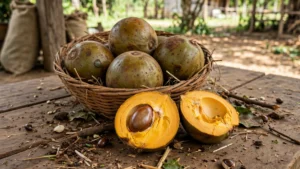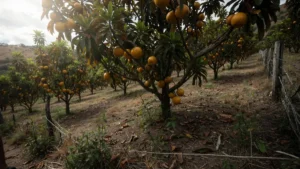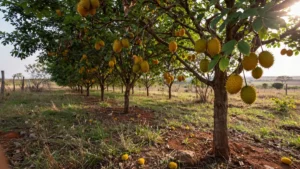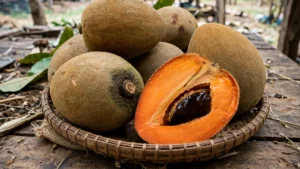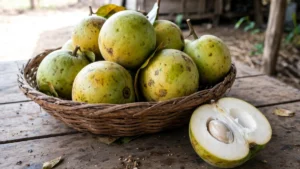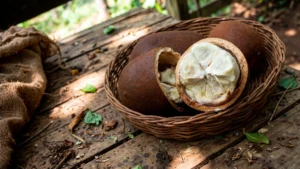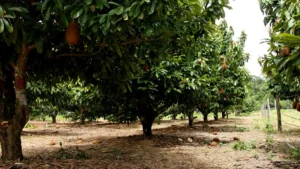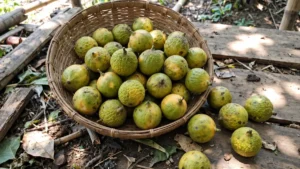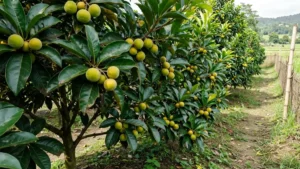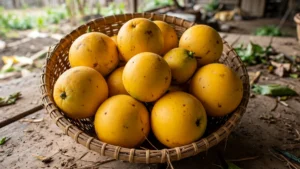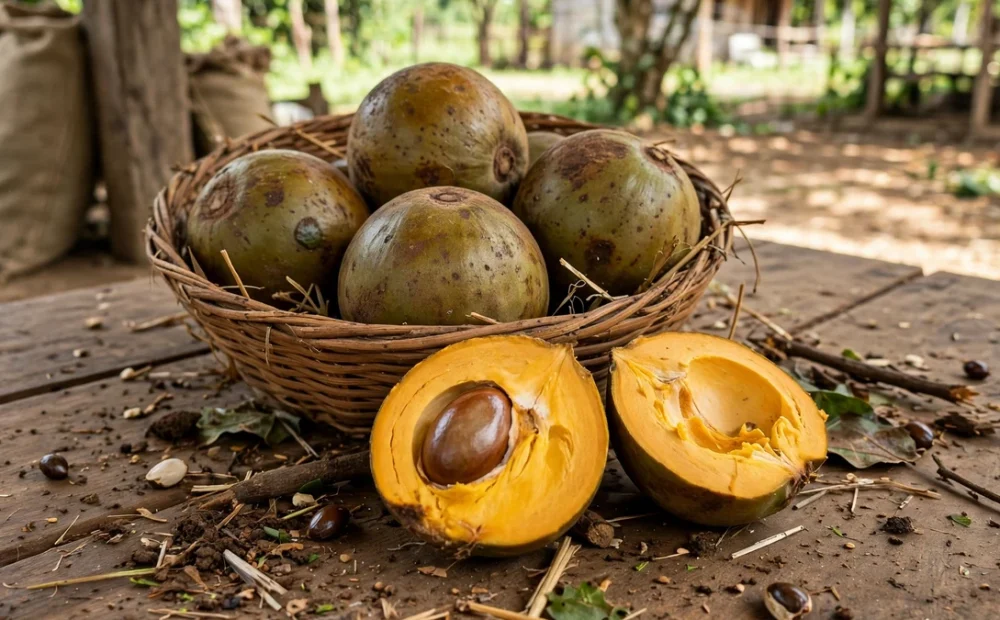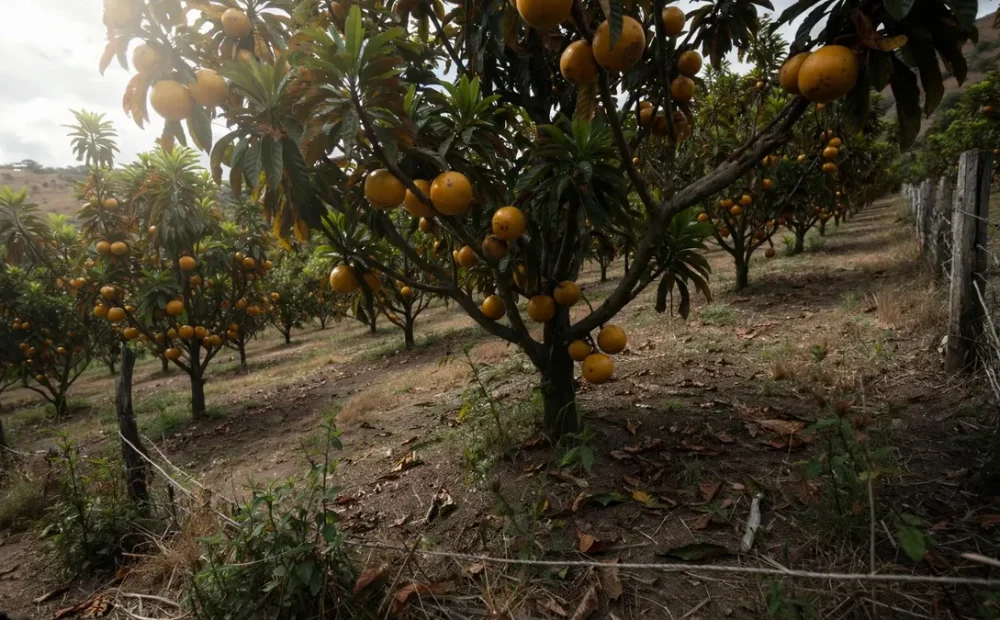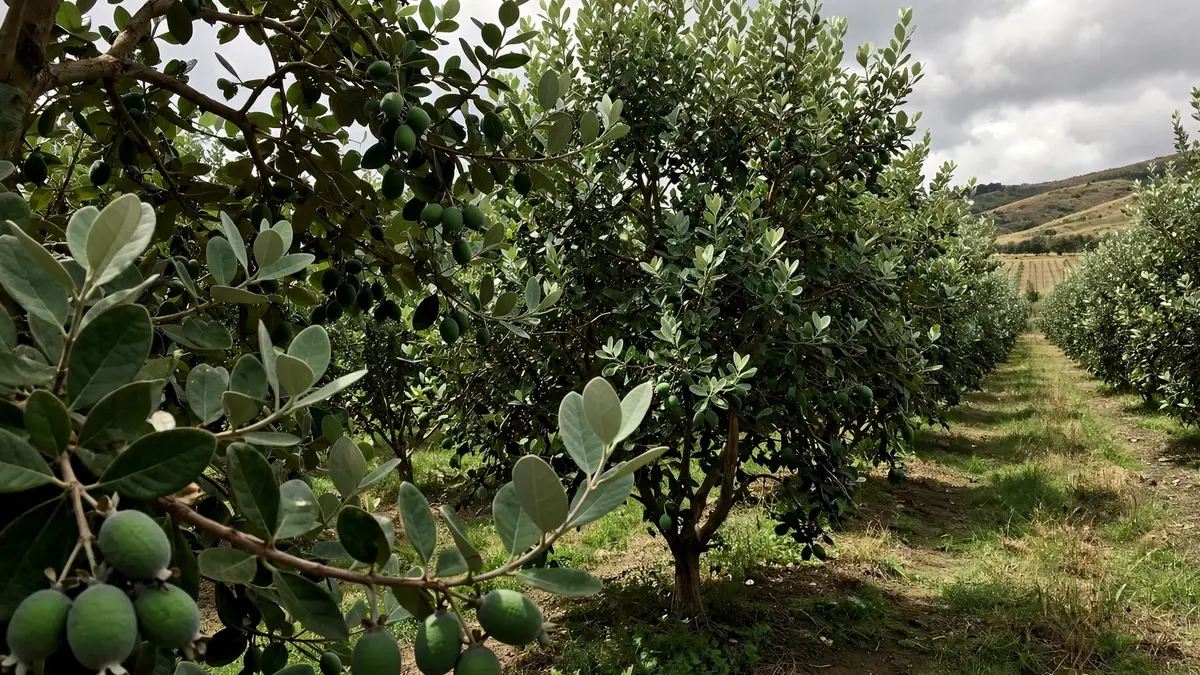
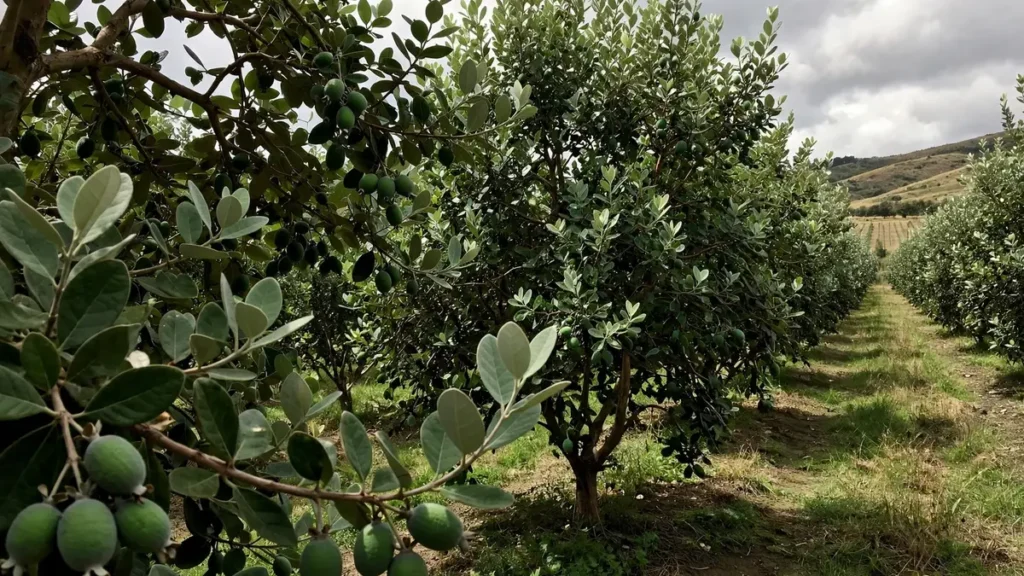
A feijoa does not wait to be picked. It loosens on the branch through autumn and drops onto the grass, small and green and smelling of pineapple, and the farm gathers it up before the wasps do. Crack one open and the flesh inside is soft and pale, sweet at first and sharp after, with a perfume that fills a room.
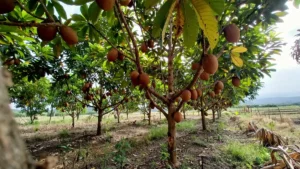
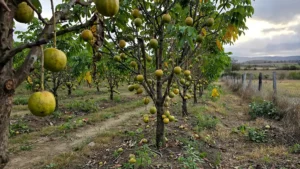
The tree itself is a slow evergreen, grey-green leaves above and a tangle of branches below, and it fruits in the months when most orchards are bare. That late season is the whole point of a feijoa stay: the mornings are cool, the grass is damp, and the kitchen is at its busiest, turning the day’s fall into crumble, chutney, and jam.
Here are nine feijoa farm stays to think about for 2027, from the orchards of the Bay of Plenty to a small farm in the hills of California. Each one is judged on its fruit, its cooking, its rooms, and how honestly it handles the short season.
Key takeaways
- Feijoas drop when ripe, so the trip is timed to the fall of the fruit, not to a date that suits your calendar.
- A ready feijoa feels soft under a gentle squeeze, smells strongly of pineapple and guava, and scoops easily with a spoon; a hard, scentless fruit needs more time.
- Most of the world’s feijoas grow in New Zealand, and the region you pick decides whether you arrive early or late in the drop.
- An orchard walk and a tasting usually come with the room, while meals, lifts, and baking lessons are often charged on top.
- Tell the farm about wheat before you book, because the kitchen bakes feijoa crumbles and cakes every morning and flour gets everywhere.
What a feijoa farm retreat actually is
A feijoa farm retreat is a night or three on a working feijoa orchard, sleeping in a cottage beside the trees. The orchard is the point of the stay, not the backdrop: the rows are tended by hand, the fruit is gathered from the ground each morning, and the kitchen cooks with whatever fell that day.
What sets it apart from an ordinary farm stay is how much of the day the fruit decides. Breakfast is halved feijoas with yoghurt, lunch is a crumble made from the morning’s basket, and dinner ends with jam over cream. The rooms tend to be plain, the host tends to be the grower, and the timetable bends to the weather.
Rates vary more than the photographs suggest, so read what yours covers before you pay. A few of these stays are orchards first and guesthouses second, with simple rooms and a host who is out pruning before dawn. Others are comfortable lodges set among the trees, with more ease and less farm work in view. Both can be lovely, yet they are not the same holiday, and the price usually tells you which one you are buying. Our guide to guava farm retreats, done properly makes the same argument: get the inclusions in writing before the pictures win you over.
How we picked these stays, and what to ask first
We chose stays where the feijoa trees are the main crop, not a garnish. A strong feijoa retreat grows its own fruit, lets guests walk the rows or taste the crop as part of the stay, and says plainly what happens once the season ends.
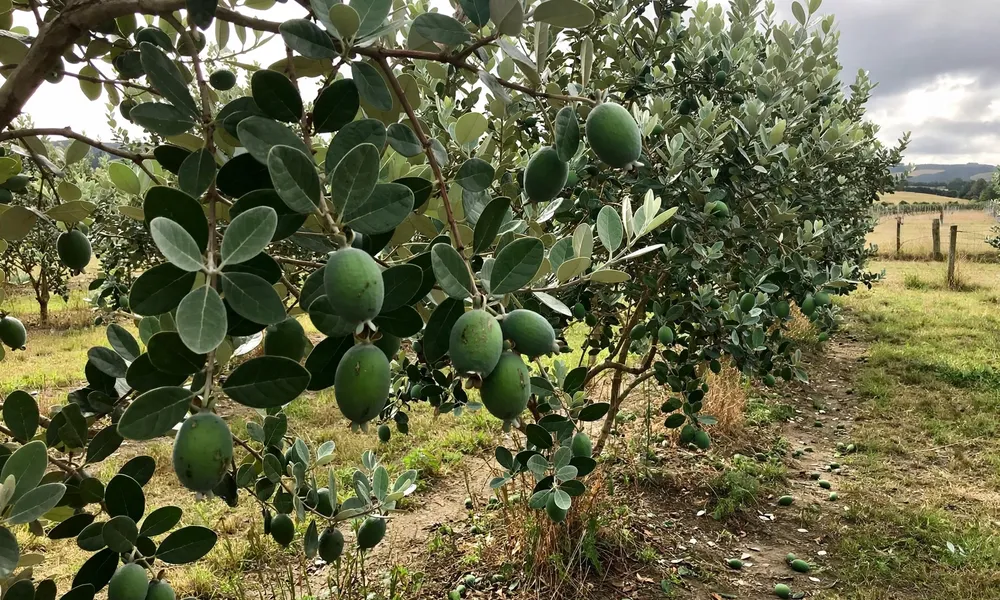
Start with the season. Feijoas fruit in autumn, and the peak shifts by country. New Zealand gathers from late March into June, the northern orchards first and the southern ones last. Australia gathers through the southern autumn, and California gathers while the southern farms are resting.
Then ask what the nightly rate buys. A row walk, a tasting, and a baking lesson are three different things, and some farms charge for each one separately. Ask whether breakfast is included, whether the garden is shared with other guests, and whether the host can manage in your language. A farm that answers those questions directly is usually a farm run with care. The passion fruit retreats we wrote about earlier are the same kind of stay: small, hands-on places where the small print matters more than any star rating.
The 9 best luxury feijoa farm retreats of 2027
Bay of Plenty, New Zealand — Feijoas beside the Kiwifruit Rows
What we like: The Bay of Plenty grows more feijoas than anywhere else in New Zealand, and the fruit here is large, fragrant, and heavy in the hand, grown on sheltered orchards between the kiwifruit vines. The stay is an old cottage at the orchard edge, and the host takes guests out with a basket before breakfast.
What to consider: Autumn rain is frequent, and a wet week can bruise the fallen fruit before it is gathered. The farm sits well away from town, so arrange a lift in advance. Best for: Travellers who want feijoas at their best. Style: Old cottage beside the orchard. Price range: $65–$95 nightly, breakfast included. Standout feature: Morning gathering walks led by the host.
Northland, New Zealand — First Fruit of the Autumn Drop
What we like: A small orchard in the far north where feijoas ripen earliest, in warm air under a wide sky, and the fruit goes straight from the grass to the farm gate stall. The house stands among the trees, and the kitchen bakes the fruit into crumbles and jam.
What to consider: Warmth lingers into autumn and the farm is an hour from the closest city. Tracks turn muddy after rain, so wear shoes that can take it. Best for: Fruit lovers chasing the season’s first feijoas. Style: Farmhouse standing among the trees. Price range: $95–$125 per night, breakfast served with the room. Standout feature: The earliest fruit of the year.
Hawke’s Bay, New Zealand — Sweet Fruit under a Wide Sky
What we like: An orchard in the sunny east where feijoas grow in rich soil below the hills, and the fruit is sweet, fragrant, and slow to drop. The rooms face the orchard, the host runs a small kitchen, and the chutney is cooked in a copper pot.
What to consider: The lane in is narrow and the farm fills in the fruiting months. Nights are cool enough for a layer, and the closest town is half an hour off. Best for: Travellers who want warm days with their fruit. Style: Orchard cottage with a hillside outlook. Price range: $125–$160 per night, breakfast plus dinner included. Standout feature: Chutney simmered in a copper pot.
Nelson, New Zealand — Sunny Orchards by the Bay
What we like: A farm in a sunny bay where feijoas grow beside the vines, and the kitchen bakes the fruit into cakes each afternoon. The house is old and low, the air stays mild in April, and the host knows every tree by row.
What to consider: The bay road winds and the farm keeps few rooms, so reserve early. Early-season fruit runs sharp, and the breeze off the water picks up by afternoon. Best for: Travellers after a quiet, sunny corner of the south. Style: Old farmhouse in a sunny bay. Price range: $160–$195 a night, dinner included. Standout feature: Feijoa cakes fresh from the oven daily.
Waikato, New Zealand — Feijoas on the Waikato Plains
What we like: A farm on the green plains where feijoas ripen steadily, in long rows under a broad sky, and the fruit is gathered into baskets for the farm gate stall. The house sits among the trees, and the kitchen blends the fruit into smoothies and jam.
What to consider: Fog settles early and the farm is a long drive from the closest city. Tracks turn soft after a wet day, so wear shoes that can take it. Best for: Travellers who want fruit and green pasture in one trip. Style: Farmhouse set among the rows. Price range: $195–$230 nightly, all meals included. Standout feature: Feijoa smoothies from the farm kitchen.
New South Wales, Australia — Feijoas in the Northern Rivers
What we like: A coastal farm in the east where feijoas grow on rich ground above the river, and the season runs on after the New Zealand orchards finish. The house is a timber cottage, and the host serves the fruit with cream from a dairy nearby.
What to consider: Humidity runs high and the farm is a drive from the closest city. The window is brief, so the dates count more than the nightly rate. Best for: Travellers who want feijoas by the river. Style: Timber cottage near the river. Price range: $230–$265 a night, meals plus tastings included. Standout feature: Fruit served with cream from the local dairy.
Victoria, Australia — Cool Hills and Late Fruit
What we like: A farm in the cool hills east of Melbourne where feijoas grow in sheltered rows, and the fruit is gathered into baskets for the farm gate stall. The host is a second-generation grower, the fruiting season runs long, and the kitchen makes a feijoa sauce guests carry home in jars.
What to consider: The road is long and winding, and the farm books out in the fruiting months. Rain comes often, so gather early and rest in the shade when the sun breaks through. Best for: Travellers who love a long season among green hills. Style: Farmhouse on the hillside with a gate stall. Price range: $265–$300 a night, full board included. Standout feature: Feijoa sauce bottled on the farm.
Rio Grande do Sul, Brazil — Feijoas Where the Fruit Began
What we like: A farm in the cool south of Brazil where feijoas grow wild as well as planted, and the fruit is small, wild, and intensely fragrant. The stay is a simple farmhouse at the field edge, and the host walks guests through the native trees with a basket before breakfast.
What to consider: Weather shifts fast, and a wet week can soften the fruit before gathering. The farm sits well away from town, so arrange a lift in advance. Best for: Travellers who want feijoas in their home country. Style: Simple farmhouse at the field edge. Price range: $300–$340 nightly, every meal included. Standout feature: Wild feijoa trees growing on the farm.
California, USA — Feijoas in the Santa Cruz Hills
What we like: A small farm in the hills behind Santa Cruz where feijoas grow in neat rows behind an old shed, and the stay is a polished cottage with a valley view. The fruit is sweet, the farm holds a weekly tasting, and the kitchen folds it into pancakes.
What to consider: The rate is the highest on this list, and the farm is a drive from the city. The window runs short, so pin the dates down before booking. Best for: Travellers who want feijoas within reach of the coast. Style: Hills cottage with a valley outlook. Price range: $345–$380 nightly, the whole lot included. Standout feature: A tasting each week with valley views.
Which feijoa region fits your trip
For the most traditional fruit, head for the Bay of Plenty or Northland, where the orchards are a working crop and the basket reaches the table at every meal. For the wildest setting, choose Rio Grande do Sul, where the fruit grows native as well as planted. For the strongest flavours, pick Hawke’s Bay, where the sun is fierce and the harvest is heavy.
For a first trip, the Bay of Plenty is the simplest pick: the farm is used to guests, the season runs long, and the kitchen cooks with the fruit every day. Our guide to the kiwi farm retreats worth booking makes the same argument: choose the farm that cooks with its crop daily, and the trip mostly looks after itself.
The caveats that matter
Feijoa farm retreats are lovely, but they suit some travellers better than others. The fruit keeps to its own season, the farms sit a long way from town, and the honest stays tell you plainly what is dropping and what is not.
| Detail | What is known |
|---|---|
| Best time to visit | Autumn, while the fruit is dropping; the window shifts by country |
| The two main kinds | Named varieties like Apollo and Unique grow large and sweet; seedling trees bear smaller, sharper fruit |
| How ripe fruit looks | Green skin, soft under a gentle squeeze, and strongly scented, without hard patches |
| What is usually included | Room and breakfast with an orchard walk or tasting; baking lessons and lifts often cost extra |
| Who should go | Slow travellers, food lovers, and families with older children |
| Who should think twice | Anyone wanting nightlife, fast service, or a packed daily schedule |
| Transfers | Often an hour or more from the nearest airport; arrange the lift before arrival |
| What is not guaranteed | Fruit on your dates; the crop depends on weather, season, and the tree itself |
Feijoas contain no gluten, yet the farm kitchen bakes crumbles and cakes each morning, so ask how it keeps flour off your plate. The fruit is soft and bruises at a touch, so eat it the day it falls and take jam home instead of fresh fruit. Before you book, consider the practical side if you have a health condition, are expecting, or travel with small children: how far the nearest clinic is, when the farm last sprayed, and whether the paths suit little feet.
Checklist: booking a feijoa farm stay honestly
Work through these checks before you pay, then again in the week before you travel.
- Ask about the drop: will fruit be falling on your dates, or only the farm be open?
- Ask what the rate buys: orchard walk, tasting, meals, and lifts, and which carry an extra charge.
- Ask about the drive: how long is it from the airport, and does the farm send a car?
- Ask about the room: does the window face the orchard or the garden, and is there shade, a fan, or air conditioning?
- Ask about the orchard: how big is it, is it organic, and when was it last sprayed?
- Read recent reviews: look for guests who travelled in the same season you plan to visit.
Frequently asked questions
When is feijoa season?
It depends on the country. In New Zealand, the fruit drops from late March into June, the northern orchards first and the southern ones last. In Australia the window is the southern autumn, and in California the fruit arrives while the southern farms are resting.
What does a feijoa taste like?
Sweet and sharp together, with fragrant flesh that tastes of pineapple and guava, and a cool note some people compare to mint. A ripe fruit is soft and strongly scented; an unripe one is hard, scentless, and sour. The best are eaten fresh, on the morning they fell.
May guests gather feijoas from the ground?
Yes, at most farms, so long as you go with a guide and ask first. Some farms give guests a basket for the fallen fruit, while others leave the gathering to the crew because the trees are wide and easy to damage. Mention it when you book, and wear soft shoes, because the grass is often wet.
Is it safe for everyone to eat feijoas?
Mostly. The fruit suits most people, but the skins can upset a sensitive stomach, and anyone with a fruit allergy should warn the farm before booking. Rinse the fruit before eating, and eat small portions if your stomach is delicate.
Where should a first feijoa trip begin?
The Bay of Plenty, for the easiest journey and the longest season. The farm is used to guests, the fruit arrives for much of the autumn, and the kitchen serves it with every meal.
What should a wheat-free traveller ask before booking a feijoa farm?
Flag it when you book. The fruit contains no gluten by itself, and the rice dishes are usually safe. The risk is the crumbles and cakes baked each morning, so ask the farm how it keeps flour off your plate.
The bottom line
A feijoa farm retreat suits travellers who like their food to come from the tree beside them, and who are content to let the fall of the fruit set the day. The fruit is fragrant, the season is generous, and the best stays are the ones that gather it, serve it fresh, and bake the rest into crumbles without fuss.
Pick the region by what matters most to you: the orchards of the Bay of Plenty, the wild trees of Rio Grande do Sul, or the green hills of Victoria — and take the jam home sealed, not the fruit itself. A jar of it will outlast any photograph.