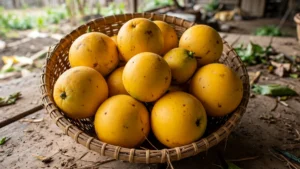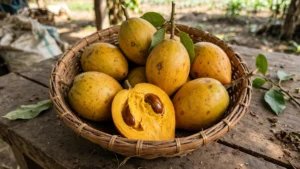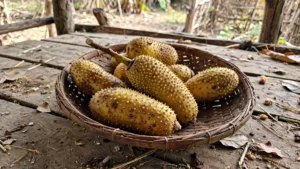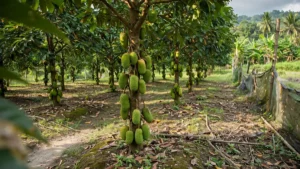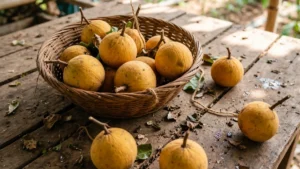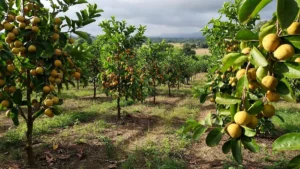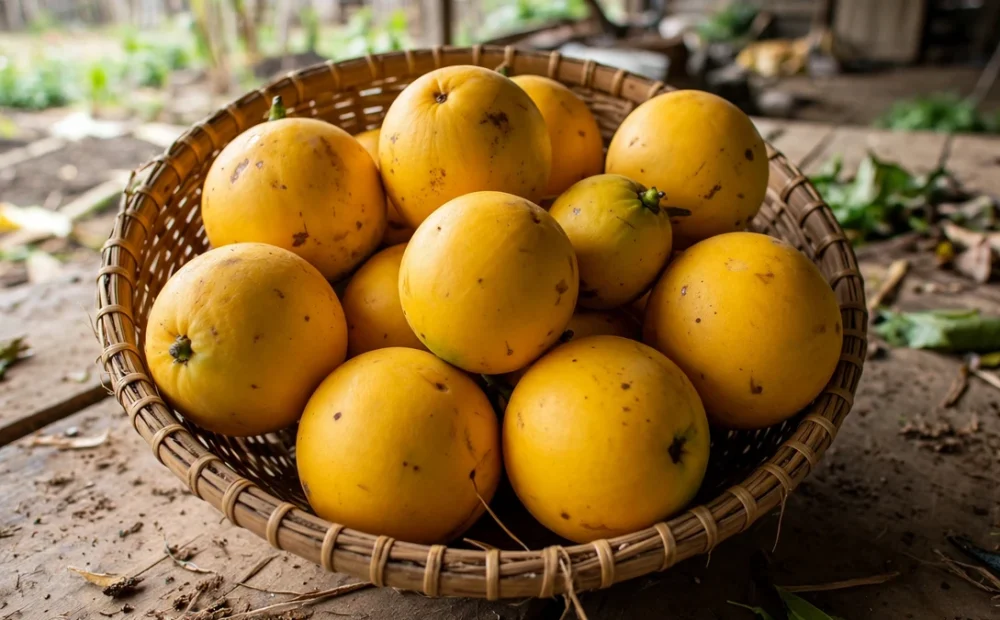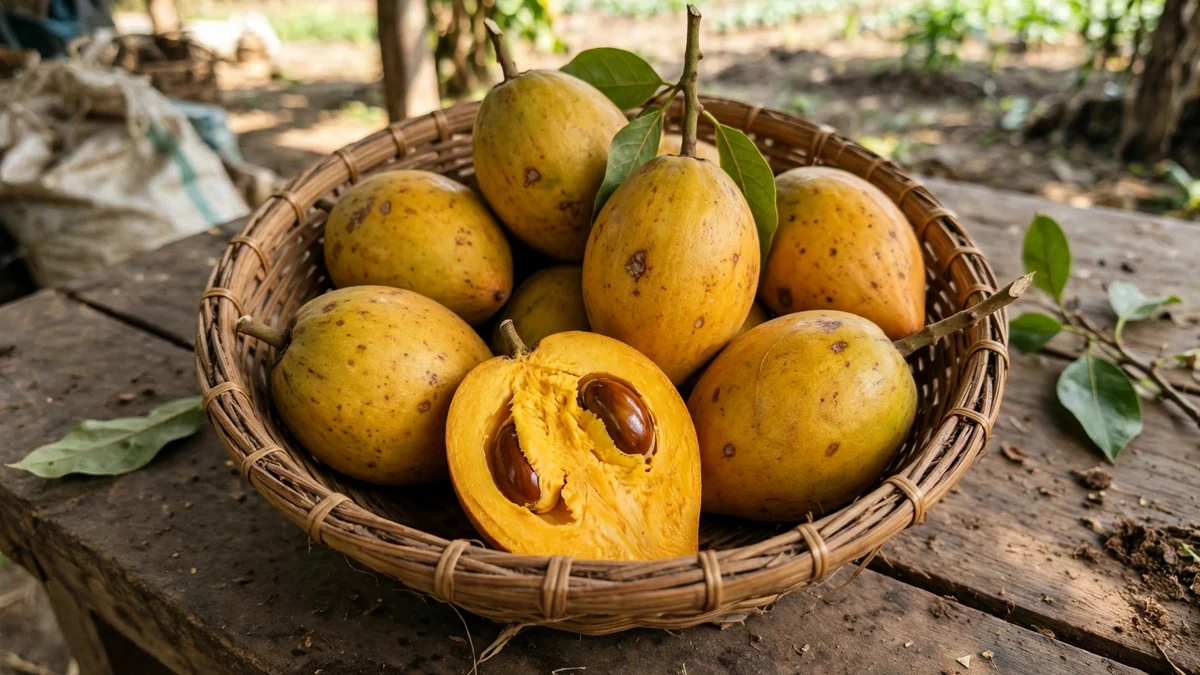
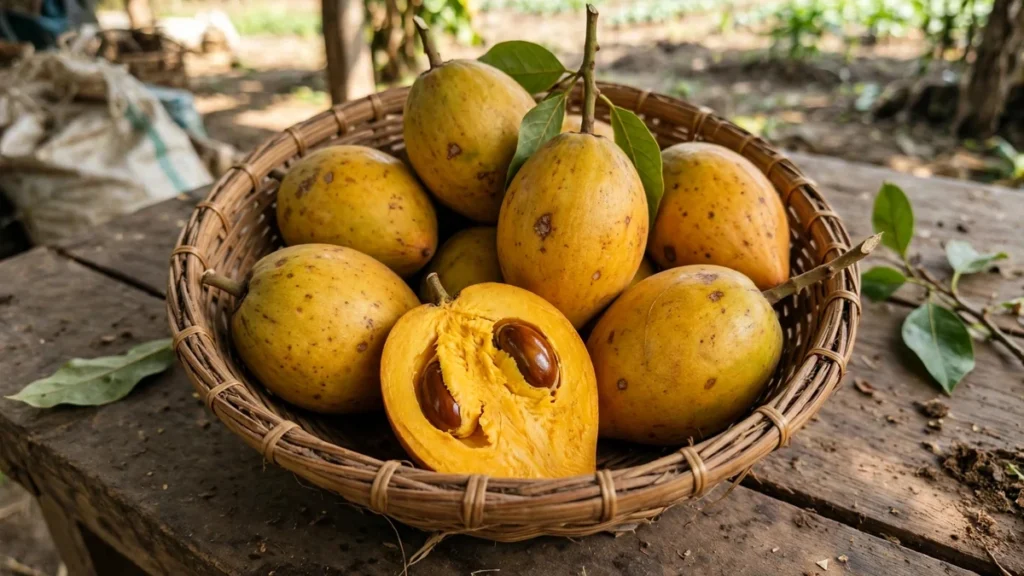
Canistel is the fruit that eats like a custard made from egg yolk. Its skin turns bright yellow-orange when ripe, its flesh is dense and golden, and a spoon is the only tool it needs. Plan the trip around the harvest, and the fruit will do the rest.
A canistel farm escape is a slow holiday built on one tree. The days run from an early walk among the rows to a tasting at noon and a pudding after dinner, with the kitchen folding the golden flesh into shakes and ice cream in between. The rooms are simple, the host is out with the trees by sunrise, and the season sets the pace. The shade runs deep under those canopies, so the hottest hours pass in comfort.
What follows are nine steps, from choosing your dates to carrying the ice cream home. Follow them in order and the trip builds on itself: the dates fix the region, the region fixes the farm, and the farm fixes everything else.
Key takeaways
- Canistel, also called egg fruit, is ripe when its skin turns bright yellow-orange and yields a little under the thumb, with golden, custardy flesh inside.
- The harvest comes through the warm months, a few fruits at a time, so your dates matter more than your destination.
- Book the room, the meals, and the lifts as separate questions. Each one may carry its own charge.
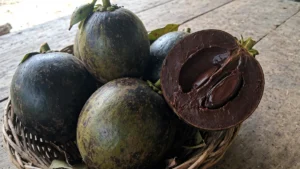
- Canistel is neither sapodilla nor abiu: Pouteria campechiana stands alone, yolk-like flesh and one big seed that is never eaten.
- Put the wheat warning in your first message, because bread and cakes leave the oven each morning and flour travels through the whole kitchen.
What a canistel farm escape involves
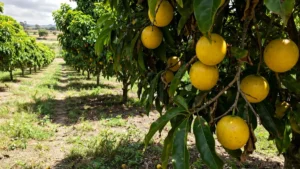
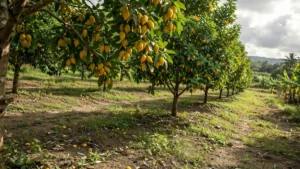
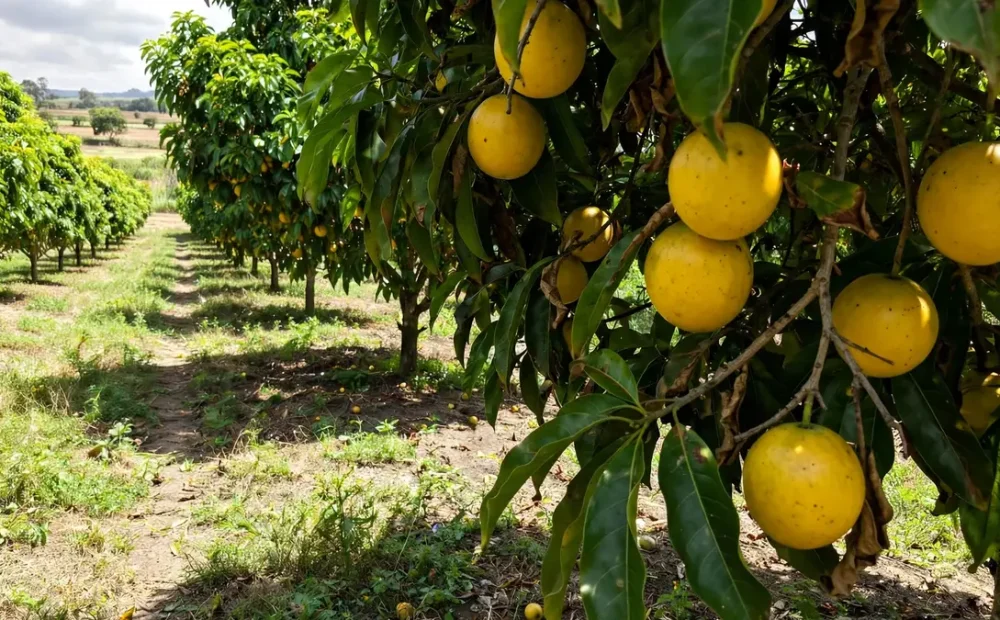
A canistel farm escape is a holiday spent in the shade of a working orchard. The trees tower overhead with broad canopies, the fruit dangles in small bunches, and a few ripen each day across the season. Hands do the picking, and the farm kitchen eats most of the crop.
The escape moves at the fruit’s unhurried pace. Dawn brings a stroll between the rows, noon brings a tasting of fruit picked an hour earlier, and evening closes with pudding or ice cream from the kitchen. Bedrooms are plain, the host is out with the trees, and the fruit, not a schedule, runs the hours. Guests who turn up expecting a full programme usually abandon it by the second morning, once the orchard’s rhythm takes hold.
Work out what the stay includes before you pay. Some farms lead with the orchard, offering plain rooms and a host who prunes the trees each morning. Others are comfortable guesthouses tucked inside an orchard, with more comfort and less farm work in view. Either sort can be a fine stay, though they are different holidays, and the nightly price usually tells you which. Our guide to planning a sapodilla farm escape makes the same point another way: look at what the price includes before the photos win you over.
How to plan it, and what to ask first
Put the fruit first and the room second. A strong canistel escape grows its own crop, builds a walk or a tasting into the visit, and stays honest about the months when nothing is fruiting.
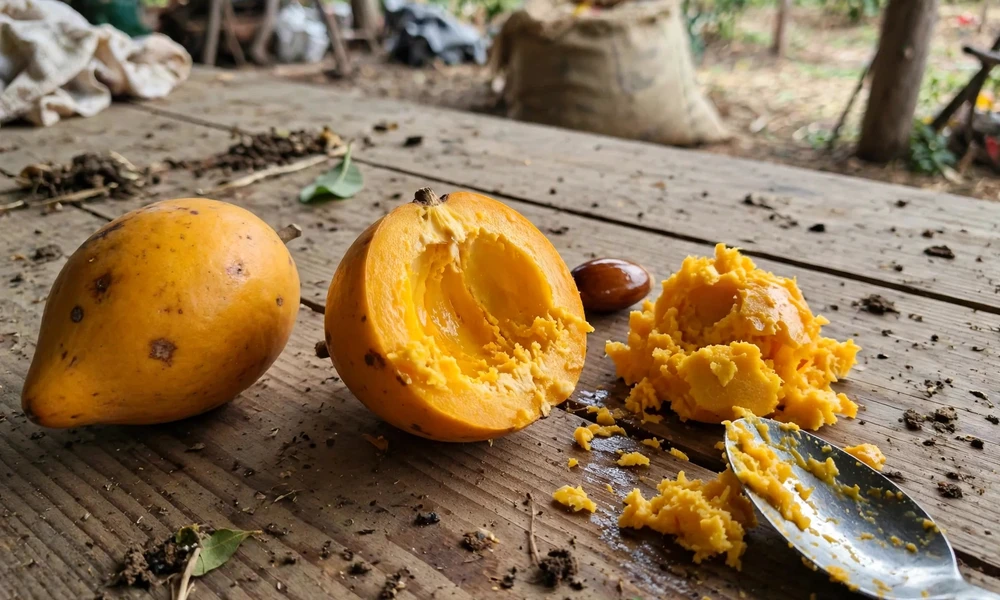
Open with the season. Canistels come ripe across the warm months in Mexico and Central America, the peak sliding by country. Florida picks in late spring and summer; Hawaii keeps going while the northern orchards rest.
Then check what the rate covers. At some stays the walk, the tasting, and the cooking session are each billed separately. Before booking, ask about breakfast timings, the shared garden, and the languages spoken at the farm. A farm that sets out every charge in plain words is usually run with care. If persimmon appeals more, the guide to planning a persimmon farm escape we covered earlier follows the same small-stay pattern.
The 9 steps to plan a canistel farm escape
1. Wait for the farm’s picking dates before you pay for flights
What to do: Write to the farm and ask which fortnight the trees will be in fruit, then book flights around that answer. The harvest moves with the weather, so a date the farm confirms beats any guidebook window.
What to avoid: Paying for flights first and trusting the trees to cooperate. A farm with no ripe fruit is still a pleasant stay, but it is not the trip you came for. Best for: Travellers who want the fruit at its peak. Time needed: An afternoon of messages before you pay anything. Standout tip: Get the picking dates in writing, not a rough season.
2. Let your tolerance for heat pick the region
What to do: Pick Yucatán or Oaxaca for the warmest lowland fruit, Guanacaste for dry Pacific slopes, or Hawaii for a gentler island season. Each region ripens on its own calendar, so the place you choose fixes your dates. Ask the farm how long its season runs, because a region with a short window punishes a late booking. Yucatán ripens first in most years, while Hawaii stretches the season furthest.
What to avoid: Choosing a region for the flights alone. A cheap flight to a farm out of season buys you an empty orchard. Best for: Travellers who know whether they want heat or breeze. Time needed: An evening comparing regions and seasons. Standout tip: Fit the region to the month, not the month to the region.
3. Find out who picks, and whether you may join in
What to do: Learn whether guests may pick, whether a guide walks with you, and how many fruits you may take. Some farms hand you a basket; others leave the picking to the crew because the fruit bruises fast.
What to avoid: Expecting to pick all day. The branches are brittle and the fruit is heavy, so the picking is usually a short morning walk, not a full day’s work. Best for: Guests who want their hands on the fruit. Time needed: Ten minutes in the first message. Standout tip: Ask who carries the ladder and who carries the basket.
4. Sleep where you can see the trees from bed
What to do: Ask whether the window faces the rows or the garden, and whether there is shade, a fan, or cooling. A room beside the orchard wakes you to birdsong; a room beside the road wakes you to traffic.
What to avoid: Taking the last room going and spending your mornings staring at a plain brick wall. The cheapest room is often the one nobody wanted, and you will spend your mornings in it. Best for: Travellers who value a quiet morning. Time needed: One message before you pay the deposit. Standout tip: Ask for the room’s view by name, not by price.
5. Warn the farm about wheat before the deposit is paid
What to do: Send the allergy note with your first message, and ask what the farm does to keep flour away from your plate. The oven runs for bread and cakes each morning, so the kitchen needs time to plan around you.
What to avoid: Raising it only at the table. By then the bread is baked and the flour has drifted through the kitchen, and the cook has little left to offer you. Best for: Anyone who eats gluten-free. Time needed: Five minutes in the booking message. Standout tip: Put the wheat note in writing, not in a phone call.
6. Tag along when the cook goes shopping at dawn
What to do: Ask whether guests may join the morning market run. You will see what the farm buys in, what it grows itself, and how the kitchen plans the day around the fruit. Bring a small cloth bag: the stallholders often wrap purchases in leaves, and a bag keeps them together.
What to avoid: Sleeping through the market and eating whatever the kitchen had left. The market is where the day’s menu is decided, and the best dishes start there. Best for: Food lovers who want the kitchen as much as the picking. Time needed: Two hours at dawn, once during the stay. Standout tip: Carry a small basket and let the cook fill it.
7. Try the fruit fresh, shaken, and frozen
What to do: Eat it halved and fresh at noon, blended into a shake the next morning, and churned into ice cream by the end of the week. The same fruit tastes different in each form, and the shake is where most guests change their minds. Ask the cook to leave one shake unsweetened, so you can taste the fruit itself before the sugar joins in.
What to avoid: Judging canistel on one hard, unripe fruit. An unripe canistel is chalky and dull, and it tells you nothing about the ripe one. Best for: Travellers who like to taste properly. Time needed: Three tastings across the stay. Standout tip: Try the shake before you decide you dislike the fruit.
8. Buy the ice cream on your last morning, not your first
What to do: Spend your last morning at the farm shop. The ice cream travels home sealed, the jam keeps for weeks, and both carry the flavour better than fresh fruit ever will.
What to avoid: Carrying fresh fruit home in your luggage. It bruises in transit, softens in the heat, and arrives as pulp. Best for: Guests who want the taste to last. Time needed: A short half hour at the farm shop. Standout tip: Buy the tub, not the basket.
9. Keep a few seeds as your souvenir
What to do: Ask the host whether you may take a few seeds home, and how to keep them. A seed in damp paper, planted within the week, is the one souvenir that grows.
What to avoid: Packing fresh fruit into your luggage for the flight home. It will not survive the journey, and the seed is the part worth keeping. Best for: Gardeners and slow travellers. Time needed: Ten minutes with the host before you leave. Standout tip: Ask how the host stores seed, and copy the method.
Picking the right season and region
The most traditional fruit grows in Mérida or Oaxaca, where working orchards put the fruit on the table at every meal. Guanacaste offers the wildest setting, a farm on dry slopes above the Pacific. Chiapas brings the strongest flavours, with fierce sun and a heavy harvest. Florida fits a short trip from the United States, since the flight is brief and the farms welcome weekend guests. Homestead works well for a first taste, since the flight from the United States is short and the tasting is simple.
Newcomers should start in Oaxaca: the farm knows its guests, the season is generous, and the kitchen cooks with the fruit daily. Our guide to the mango grove escape makes the same point: pick the farm that cooks with its crop daily, and the trip mostly takes care of itself.
The caveats that matter
Canistel farm escapes are wonderful, but they fit some travellers better than others. The harvest sets the dates, the farms lie a long way from town, and the honest ones tell you straight what is ripening and what is not.
| Detail | What is known |
|---|---|
| Best months | The warm months, while the trees carry fruit; the window shifts by country |
| Telling ripe from raw | Skin yellow-orange throughout, a little give under the thumb, sweet scent at the stem, no hard patches |
| Usually in the rate | Bed and breakfast with a walk or tasting in the orchard; the cooking session and the lifts are usually charged separately |
| Made for | Unhurried travellers, keen eaters, and families whose children are old enough to walk the rows |
| Skip it if | You are after nightlife, fast service, or a programme that fills every hour |
| The journey | Usually an hour or more from the nearest airport, so fix the lift before you travel |
| What to pack | Long sleeves for the brittle branches, sturdy shoes for dusty paths, and repellent for still evenings |
| No guarantees | Ripe fruit on your dates; the harvest answers to weather, season, and the tree’s own rhythm |
Canistels hold no gluten by themselves, yet bread and cakes leave the farm oven every morning, so ask how the kitchen keeps flour off your plate. The fruit is dense and filling, so eat it on the day it is picked and carry ice cream home rather than fresh fruit. The seed is large and must never be chewed, so eat around it. A health condition, a pregnancy, or small children change the trip. Find out the distance to the nearest clinic, the last spraying date, and how steep the paths are, before you book.
Checklist: before you book a canistel farm escape
Work through these checks before you pay, then again in the week before you travel.
- Nail down the fruiting: ask if the trees will carry fruit on your dates, not merely whether the farm is open.
- Nail down the price: the walk, the tasting, the meals, the lifts, and what each one costs.
- Nail down the journey: the length of the airport drive, and whether the farm runs a pickup.
- Nail down the bedroom: whether the window faces the rows or the garden, and whether shade, a fan, or cooling is provided.
- Ask about the growing: the number of trees in the orchard, whether it is organic, and the last spraying date.
- Read the reviews: hunt for guests who travelled in the same season as the trip you planned.
Frequently asked questions
How many nights does a canistel escape need?
Three nights is the sweet spot. The first day settles you in, the second brings the picking walk and the tasting, and the third leaves room for the market run and the farm shop. A single night feels rushed, and a week is only worth it if the harvest is at its peak.
Will I need a car to get to the farm?
Usually, yes, or a lift the farm arranges. Most canistel farms sit an hour or more from the closest airport, down roads where buses run rarely. Ask the farm about pickups before you book, and agree the price in writing. If you do drive, leave early: the last stretch is often unpaved and slower than the map suggests.
Is the picking walk suitable for children?
Older children, yes. The walk is gentle, the fruit is easy to reach, and most hosts enjoy showing a child how the harvest works. Small children are harder: the branches are brittle, the paths are dusty, and the heat builds fast. Ask the farm what ages it welcomes.
What should I pack for a canistel farm?
Long sleeves for the brittle branches, sturdy shoes for dusty paths, and repellent for still evenings. Add a hat for the midday sun, a light layer for cool mornings, and a small bag for the farm shop. Leave the smart clothes at home.
How do I know the fruit is ripe?
Look for yellow-orange skin all over, with no green patches and no hard spots. Press it gently: a ripe canistel yields a little under the thumb and smells sweet at the stem. If it feels like a stone, leave it on the tree.
Can I buy canistel products to take home?
Yes, and the farm shop is the place. The ice cream travels home sealed, the jam keeps for weeks, and both hold the flavour better than fresh fruit. Fresh fruit bruises in transit, so buy the tub, not the basket.
The bottom line
A canistel farm escape suits anyone who likes food from the tree beside them, and who is glad to let the harvest run the day. The fruit is sweet, the season is kind, and the best stays pick it, serve it halved, and churn the rest into ice cream without any fuss. The holiday is quiet on purpose, and that quiet is the point: the orchard hands you time the city never will. You leave with the taste of the fruit in your mouth and the shape of the orchard in your head.
Pick your region by what you want most: the lowland groves of Yucatán, the warm valleys of Oaxaca, or the dry slopes of Guanacaste — and bring the ice cream home sealed, not the fruit itself. A tub of it will outlast any photograph.